
California, a state synonymous with sunshine, sprawling coastlines, and iconic landmarks, has also become increasingly known for another dramatic phenomenon: its wildfires. These infernos, often appearing with devastating speed and intensity, have reshaped landscapes, threatened communities, and become a recurring concern for residents and visitors alike. While the term “wildfire” evokes images of nature’s raw power, understanding what truly ignites these blazes in the Golden State requires a deeper look into a complex interplay of environmental conditions, human activity, and infrastructure. The question “What Started Fires In California?” is not a single, simple answer, but rather a multifaceted exploration of triggers and contributing factors.
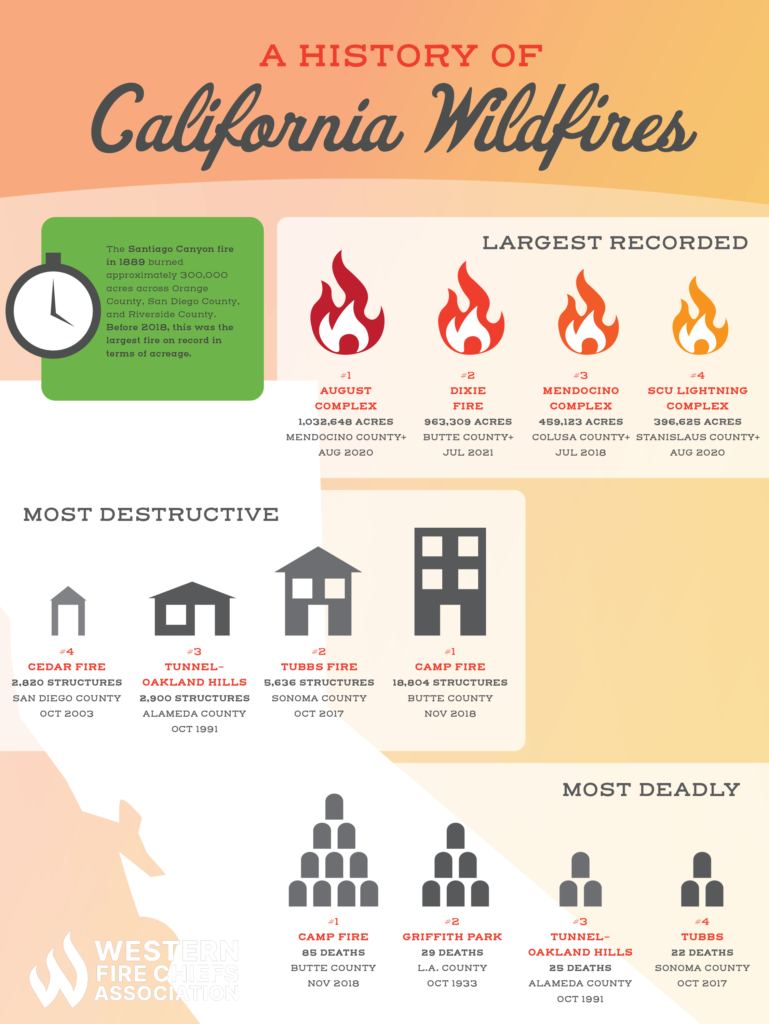
California’s unique geography and climate create a naturally arid environment, particularly in its southern and central regions. Vast stretches of chaparral, scrub oak, and dry grasses form a landscape that is inherently susceptible to ignition. When combined with prolonged periods of drought, these fuel sources become exceptionally flammable. The state experiences cyclical droughts, some of which can last for years, parching vegetation and turning it into tinder. This dry fuel is the canvas upon which ignitions are painted, making the potential for large, rapidly spreading fires exceptionally high.
The Culprits of Ignition: Natural and Human-Caused Factors
While nature itself can spark a wildfire, a significant portion of ignitions in California are directly attributable to human actions, both intentional and accidental. Understanding these origins is crucial for developing effective prevention strategies and mitigating the risks associated with wildfires.
Natural Ignition Sources
Lightning is the most significant natural cause of wildfires in California. During intense thunderstorms, particularly those that occur without significant rainfall (known as “dry lightning”), a lightning strike can easily ignite dry vegetation. These lightning-induced fires are often the most challenging to combat as they can occur in remote, inaccessible areas and spread rapidly across vast tracts of land before they are detected. The Sierra Nevada mountain range, with its higher elevation and susceptibility to summer thunderstorms, is particularly prone to lightning strikes.
Human-Caused Ignitions: An Overwhelming Majority
Despite the role of lightning, statistics consistently show that human activities are the primary drivers of wildfires in California. These ignitions can be broadly categorized into accidental and intentional acts.
Accidental Ignitions
Many fires start due to everyday activities that, under the dry conditions, have catastrophic consequences. These accidental ignitions are often preventable and highlight the need for public awareness and responsible behavior.
-
Equipment Use: This is a leading cause of human-ignited wildfires. Activities such as mowing dry grass, operating machinery with faulty exhaust systems, and sparks from welding or grinding can easily ignite dry vegetation. Vehicles, too, play a significant role. Dragging chains, catalytic converters overheating and dropping incandescent material onto dry roadside vegetation, or even a flat tire that causes sparks can all initiate a fire. The vast network of roads that traverse through wildland areas means that vehicular activity is a constant risk.
-
Campfires and Open Flames: Improperly extinguished campfires are a classic cause of wildfires, especially in popular recreational areas. Embers can escape containment and spread to surrounding dry brush. Even small, seemingly harmless bonfires or the use of fireworks can have devastating consequences. The allure of a campfire is undeniable for many visitors exploring places like Yosemite National Park or the beaches of Southern California, but vigilance is paramount.
-
Debris Burning: Clearing land or disposing of yard waste through burning is another common source of accidental ignitions. If not done with extreme caution, under favorable weather conditions, and with adequate safety measures in place, these fires can escape control and spread into wildland areas.
-
Electrical Equipment and Power Lines: The aging infrastructure of electrical grids in many parts of California has been identified as a significant contributor to devastating wildfires. Power lines can spark when they come into contact with trees, or when they break due to high winds. Faulty equipment, such as transformers and circuit breakers, can also overheat and ignite surrounding dry fuels. Utilities have faced intense scrutiny and litigation for their role in starting some of the state’s most destructive fires, leading to increased efforts in vegetation management and infrastructure upgrades. The debate over how to manage power lines, especially during high-risk fire weather, is ongoing, with proposals ranging from de-energizing lines in certain conditions to undergrounding them.
-
Arson: Sadly, some fires are started intentionally. Arson is a criminal act that poses a severe threat to lives, property, and the environment. While it constitutes a smaller percentage of ignitions compared to accidental causes, the impact can be particularly devastating due to the deliberate nature of the ignition. Law enforcement agencies actively investigate and prosecute arson cases.
Environmental Factors: The Fuel for the Inferno

Beyond the immediate spark, a confluence of environmental conditions transforms a minor ignition into a raging inferno. These factors dictate how quickly a fire starts, how fast it spreads, and how difficult it is to control.
Extreme Dryness and Drought Conditions
California has been experiencing extended periods of drought, significantly drying out vegetation across the state. Years of below-average rainfall lead to a depletion of moisture in soils and plants, making them highly flammable. This lack of moisture creates a vast reservoir of dry fuel that can be ignited by even the smallest spark. The impact of climate change is often cited as exacerbating these drought conditions, leading to hotter temperatures and longer dry spells. This makes areas like the Santa Monica Mountains or the foothills of the Sierra Nevada particularly vulnerable.
High Temperatures and Low Humidity
When temperatures soar and humidity plummets, the risk of wildfire escalates dramatically. High temperatures bake vegetation, further reducing its moisture content. Low humidity means that any moisture present in plants evaporates more quickly, leaving them even more susceptible to ignition. The synergy of heat and dryness creates a tinderbox effect, where fires can ignite and spread with astonishing speed. This is why many parts of California, from the desert landscapes near Palm Springs to the chaparral-covered hills of Los Angeles County, become fire-prone during summer and fall months.
Strong Winds: The Fire’s Accelerant
Perhaps one of the most terrifying aspects of California wildfires is their ability to spread with incredible speed, and strong winds are the primary reason for this. Winds fan the flames, providing them with more oxygen, and carry embers far ahead of the main fire front, igniting new fires in its path. This phenomenon is known as “spotting,” and it can cause a fire to leapfrog across natural barriers like roads and firebreaks, making containment incredibly difficult.
The Santa Ana winds in Southern California, hot, dry offshore winds that typically occur in the fall and winter, are notorious for their ability to fuel rapid fire spread. Similarly, the Diablo winds in Northern California can create similar hazardous conditions. These wind events can transform a small, manageable fire into a catastrophic blaze within minutes, posing an immediate threat to communities nestled in canyons or along the wildland-urban interface, such as those near Santa Barbara or in Napa County.
The Wildland-Urban Interface: A Growing Challenge
A significant and increasingly concerning factor in California’s wildfire crisis is the growing number of homes and communities built in or near wildland areas, often referred to as the wildland-urban interface (WUI). This proximity means that the risk to human life and property is magnified, and fires that might have once been contained to remote wilderness can now directly threaten populated areas.
Development in Fire-Prone Regions
As California’s population has grown, so has development in areas that are naturally prone to wildfires. Many beautiful communities are situated in canyons, on hillsides, or in areas surrounded by chaparral and forests. While offering stunning natural beauty, these locations also place residents at higher risk. The desire for a lifestyle immersed in nature, with access to national parks like Sequoia and Kings Canyon or coastal retreats, has led to increased WUI development.
Vulnerability of Homes and Infrastructure
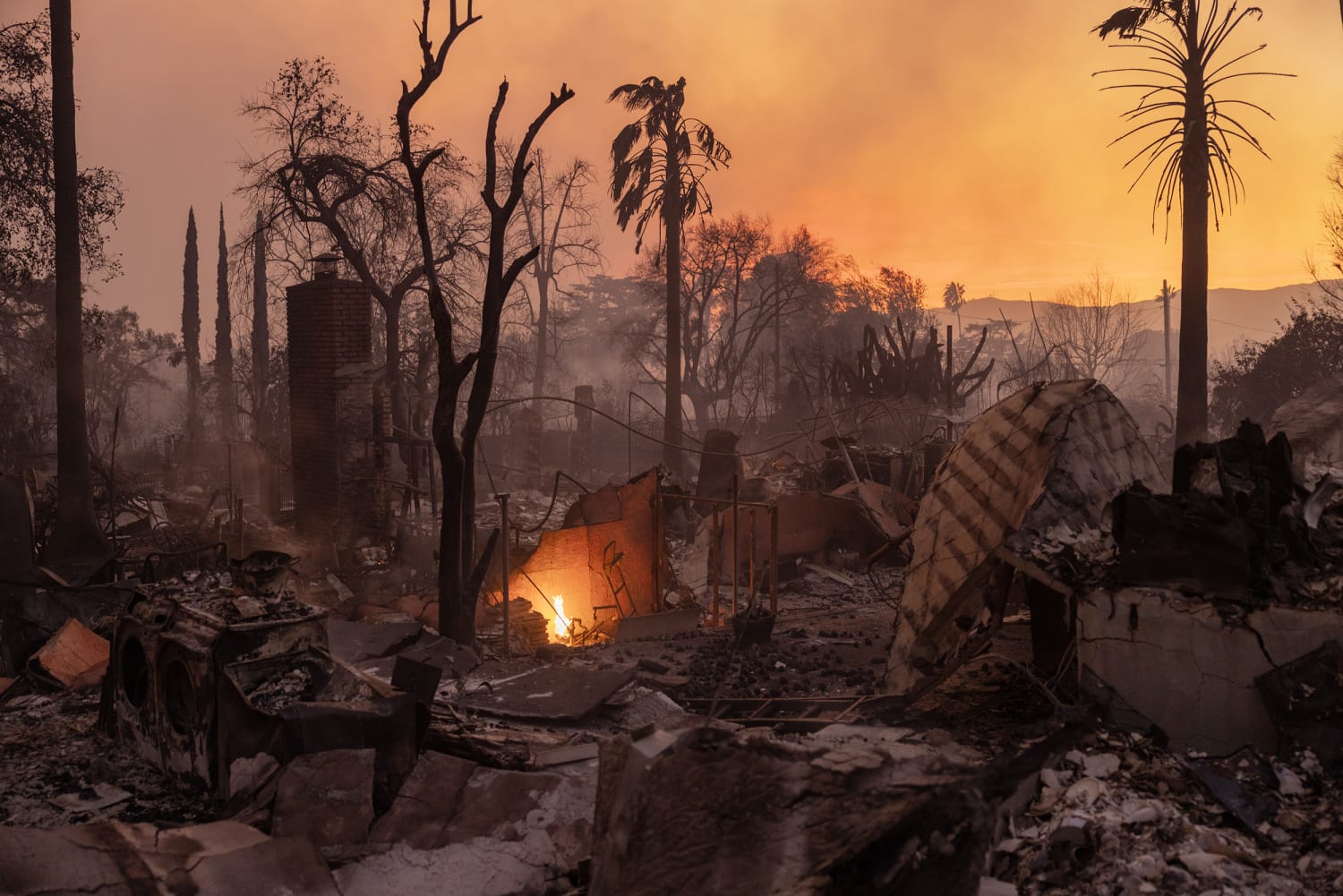
Homes built with flammable materials, such as wooden roofs and siding, are particularly vulnerable to embers carried by winds. Embers can lodge in gutters, on rooftops, and under decks, igniting structures and rapidly spreading fires. The dense vegetation surrounding many homes, often planted for aesthetic purposes, can also act as fuel. The challenge for homeowners is to create defensible space around their properties, removing flammable materials and maintaining vegetation.
Evacuation Challenges and Resource Strain
When fires threaten WUI areas, evacuations become necessary, posing significant logistical challenges. The rapid spread of fires, coupled with the sheer number of people needing to leave, can lead to traffic congestion and delays, increasing the risk to life. Firefighting resources are also stretched thin, as they must simultaneously protect homes and combat the advancing flames. This necessitates a multi-pronged approach, involving not only the work of the California Department of Forestry and Fire Protection (CalFire) and local fire departments but also robust evacuation planning and public education. The resilience of communities, from the rural areas of Northern California to the suburban fringes of Los Angeles, depends heavily on preparedness and effective response.
In conclusion, the question of “What Started Fires In California?” reveals a complex narrative of natural susceptibility amplified by human actions and environmental changes. From the initial spark, whether from a lightning strike or an errant campfire, to the relentless spread fueled by dry conditions and strong winds, the factors are numerous and interconnected. As the state continues to grapple with this persistent threat, a comprehensive understanding of these causes is vital for developing effective strategies that protect lives, property, and the irreplaceable natural beauty of California.
LifeOutOfTheBox is a participant in the Amazon Services LLC Associates Program, an affiliate advertising program designed to provide a means for sites to earn advertising fees by advertising and linking to Amazon.com. Amazon, the Amazon logo, AmazonSupply, and the AmazonSupply logo are trademarks of Amazon.com, Inc. or its affiliates. As an Amazon Associate we earn affiliate commissions from qualifying purchases.