
Traveling from the heart of the United States to the middle of the Pacific Ocean is a journey that spans nearly the entire breadth of North America. For travelers departing from Ohio, a trip to Hawaii represents one of the longest domestic flights possible. While the distance is significant, the transition from the rolling hills of the Midwest to the volcanic peaks and turquoise waters of the islands is an experience of a lifetime. Understanding the logistics of this journey, including flight durations, layover options, and time zone shifts, is essential for planning a seamless tropical escape.
Understanding the Journey from the Midwest to the Pacific
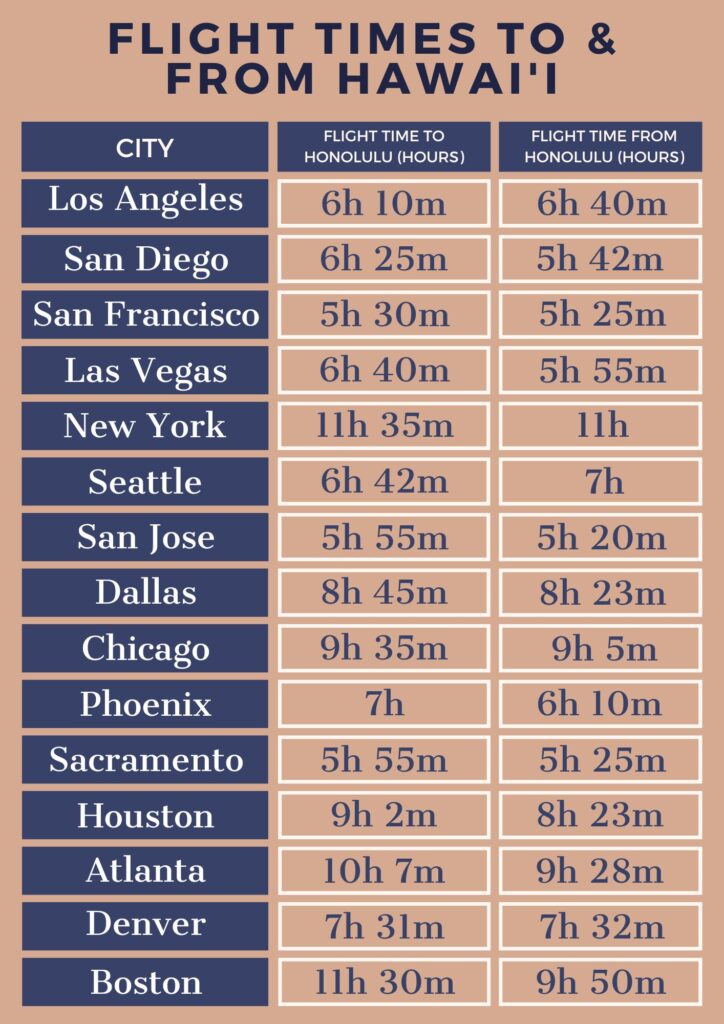
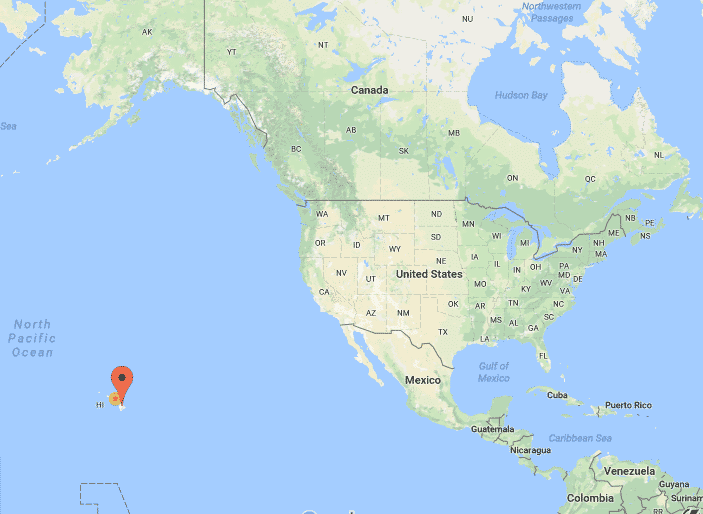
The physical distance between Ohio and Hawaii is roughly 4,400 to 4,600 miles, depending on your specific departure and arrival points. Because there are currently no non-stop commercial flights from any airport in Ohio to the Hawaiian Islands, every traveler must account for at least one connection. This reality significantly influences the total travel time, which can range anywhere from 11 to 16 hours or more.
The Impact of Time Zones and Jet Lag
One of the most critical aspects of the flight from Ohio is the dramatic shift in time. Ohio operates on Eastern Standard Time, while the islands follow Hawaii-Aleutian Standard Time. Unlike most of the United States, Hawaii does not observe Daylight Saving Time.
This means that for half the year, there is a six-hour time difference, and for the other half, it stretches to five hours. When you fly west, you are essentially “chasing the sun.” A morning departure from Ohio often results in an afternoon arrival in Honolulu on the same day. However, the return trip—the dreaded “red-eye”—usually involves an overnight flight that lands in Ohio the following morning, making the journey feel much longer than the outbound leg.
Seasonal Flight Variations
Flight durations and availability can fluctuate based on the season. During the peak winter months, many Ohioans seek refuge from the snow, leading to increased flight frequency through major hubs. Conversely, during the summer, trade winds and weather patterns over the Pacific Ocean can slightly alter flight times. While modern jet engines handle these variations with ease, a strong headwind when traveling west can add 30 to 45 minutes to the transpacific segment of the trip.
Average Flight Times Based on Ohio Departure Cities
The three primary gateways for Ohioans heading to the islands are Cleveland, Columbus, and Cincinnati. Each offers a slightly different routing strategy, though the total travel time remains relatively consistent across the state.
Departing from Cleveland
Travelers using Cleveland Hopkins International Airport typically find the most efficient routes through northern or central hubs. A common itinerary involves a flight to Chicago or Denver, followed by a long-haul leg to the islands. From Cleveland, the first leg is usually around 1.5 to 3 hours. After a layover, the flight from a mid-continent hub like O’Hare International Airport to Daniel K. Inouye International Airport takes approximately 8.5 to 9 hours. In total, Cleveland travelers should expect a minimum of 12 hours of travel time.
Departing from Columbus
John Glenn Columbus International Airport provides excellent connectivity through major airline hubs. Frequent fliers often choose to connect through Dallas or Phoenix. A flight from Columbus to Dallas/Fort Worth International Airport takes about 3 hours, with the subsequent flight to Hawaii lasting around 8 hours. This southern route is popular because it often avoids the winter weather delays that can plague more northerly hubs, keeping the total journey closer to the 11.5-hour mark if connections are tight.
Departing from Cincinnati
For those in the southern part of the state, Cincinnati/Northern Kentucky International Airport is the primary starting point. Because this airport is a major focus city for several carriers, travelers have diverse options. Many choose to fly to Atlanta for a direct flight to Honolulu or head west to Los Angeles. The Cincinnati to Los Angeles International Airport leg is roughly 4.5 hours, followed by a 5.5-hour flight over the ocean. Total travel time from Cincinnati typically averages around 12 to 13 hours.
The Best Layover Cities and Routes
Since a layover is inevitable, choosing the right connection point can make a significant difference in your overall experience. The choice of airline often dictates the layover city, with Delta Air Lines, United Airlines, American Airlines, and Southwest Airlines offering the most frequent connections.
West Coast Connections
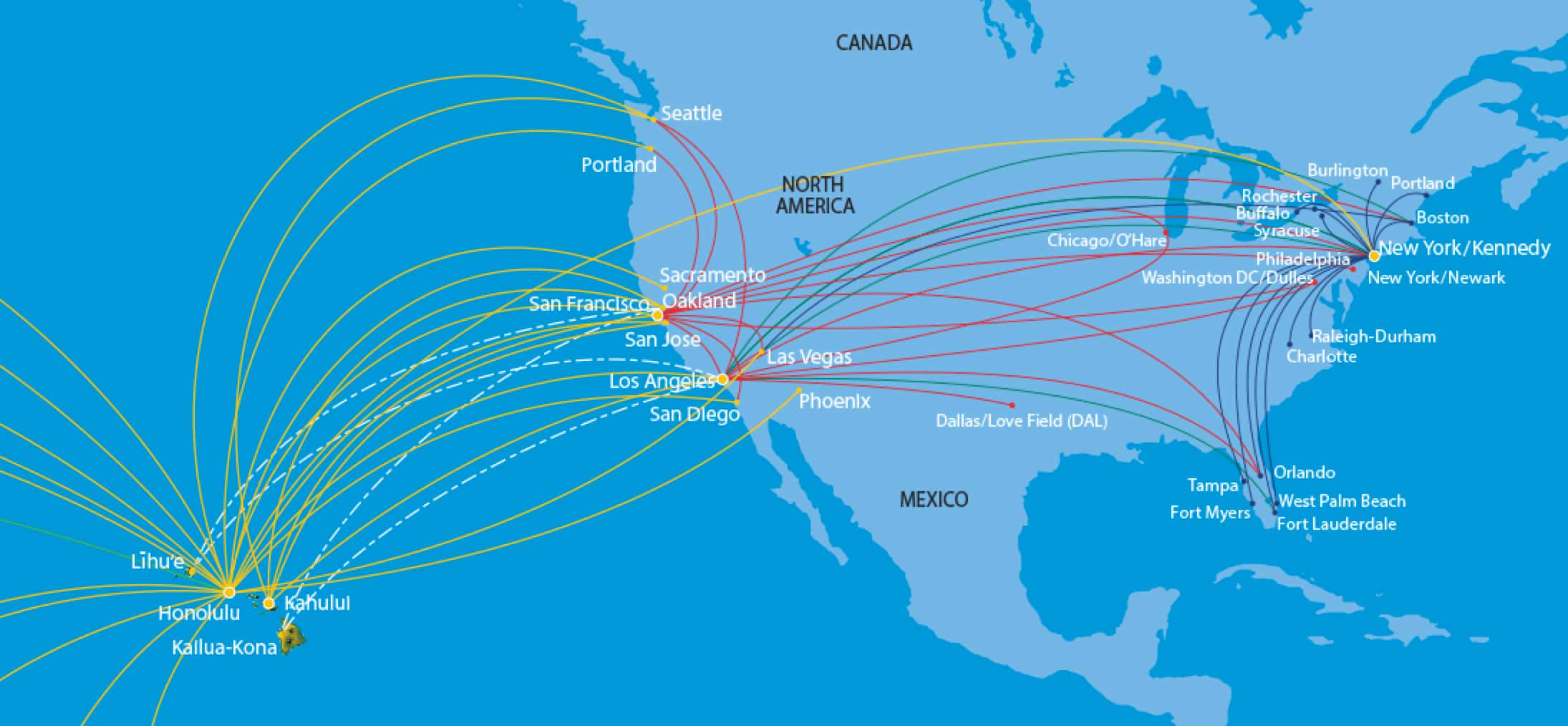
Connecting through California or Washington is the most traditional way to reach Hawaii. Cities like San Francisco and Seattle serve as massive gateways to the Pacific. The advantage of a West Coast layover is that it breaks the trip into two nearly equal parts: a 4.5-hour domestic flight followed by a 5.5-hour transpacific flight. This is often preferred by those who want to stretch their legs at San Francisco International Airport or Seattle-Tacoma International Airport before the final push to the islands.
Southwest and Midwest Hubs
Alternatively, connecting in the middle of the country can be more efficient for some. Hubs like Phoenix Sky Harbor International Airport or Denver International Airport allow you to complete a shorter initial flight. The downside is that the second leg—the flight to Hawaii—is considerably longer, often exceeding 8 hours. However, airlines like Alaska Airlines and Hawaiian Airlines often provide unique service touches on these longer segments that enhance the “island vibe” before you even land.
Arriving in Paradise: Flight Times to Different Hawaiian Islands
While Honolulu is the most common arrival point, Ohio travelers may find themselves heading to any of the four major islands. Each destination has a slightly different flight profile.
Honolulu, Oahu
Oahu is the main gateway to the state. Flights to Daniel K. Inouye International Airport are the most frequent and usually the most affordable. Once you land, you are just a short drive from Waikiki beach, the historic sites of Pearl Harbor, and the hiking trails of Diamond Head. Because it is the furthest east of the major islands, it is technically the shortest flight from Ohio, though only by a matter of minutes.
Kahului, Maui
If your destination is Maui, you will likely fly into Kahului Airport. Many major carriers offer direct flights to Maui from West Coast hubs. The flight from Los Angeles to Kahului is approximately 5 hours and 45 minutes. From Ohio, the total travel time is virtually identical to that of Honolulu. Once there, travelers can explore Haleakala National Park or embark on the famous Road to Hana.
Kona and Hilo, Big Island
The Big Island of Hawaii has two main airports: Ellison Onizuka Kona International Airport on the west side and Hilo International Airport on the east. Most flights from the mainland land in Kona. Because the Big Island is the southernmost island, the flight path is slightly different, but the duration remains within the standard 12-to-13-hour range from Ohio. This island is home to Hawaii Volcanoes National Park, offering a landscape starkly different from the lush greenery of the other islands.
Lihue, Kauai
Kauai, known as the Garden Isle, is the westernmost of the major islands. Flying into Lihue Airport usually requires a connection in Honolulu or a direct flight from a major West Coast hub. Because it is further west, the flight from California to Lihue is slightly longer than the flight to Oahu. Kauai is world-renowned for the Na Pali Coast and Waimea Canyon, making the extra travel time well worth the effort for nature enthusiasts.
Essential Travel Tips for the Long Haul
A journey of 12 or more hours requires preparation to ensure you arrive feeling refreshed and ready to explore. Since you are traveling from the Midwest, you may be leaving cold weather for a tropical climate, which presents unique packing challenges.
Managing the Long Flight Experience
To handle the long hours in the air, many travelers from Ohio opt for “extra space” seating or premium economy. Given the length of the transpacific leg, having a bit of extra legroom can significantly reduce fatigue. Hydration is key; the dry cabin air during a 9-hour flight from Chicago can be taxing. It is also recommended to set your watch to Hawaii time the moment you board your first flight to begin the mental adjustment to the new time zone.
What to Pack for the Transition
When departing from Cleveland or Columbus in the winter, wear layers. You don’t want to be stuck in a heavy parka once you land in the 80-degree weather of Honolulu. A light jacket that can be easily stowed is ideal. Additionally, ensure your carry-on includes essentials for the first 24 hours in case of luggage delays—a common occurrence on multi-leg journeys.
While the flight from Ohio to Hawaii is undeniably long, it serves as a transformative bridge between two very different worlds. From the moment you leave the Great Lakes region and cross over the Rocky Mountains to the final descent over the sparkling Pacific, the journey is an integral part of the adventure. By choosing the right hubs and preparing for the time difference, Ohioans can make the trip to the Aloha State as comfortable as it is memorable.
LifeOutOfTheBox is a participant in the Amazon Services LLC Associates Program, an affiliate advertising program designed to provide a means for sites to earn advertising fees by advertising and linking to Amazon.com. Amazon, the Amazon logo, AmazonSupply, and the AmazonSupply logo are trademarks of Amazon.com, Inc. or its affiliates. As an Amazon Associate we earn affiliate commissions from qualifying purchases.