
For many residents of Phoenix, the allure of Hawaii’s sun-kissed beaches, lush landscapes, and vibrant culture is an irresistible call. Escaping the desert heat for the Pacific breeze is a dream trip for countless travelers. One of the most common initial questions when planning such an escape is, “How long will it take to get there?” The journey from Phoenix to the Hawaiian Islands is a significant one, spanning thousands of miles across the Pacific Ocean. While not a short hop, it’s a manageable distance that opens the door to an unforgettable tropical adventure.
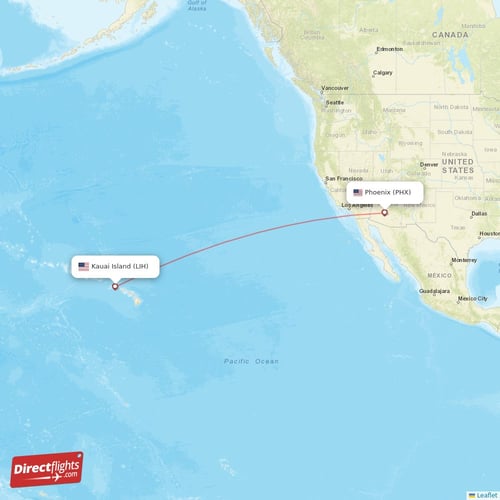
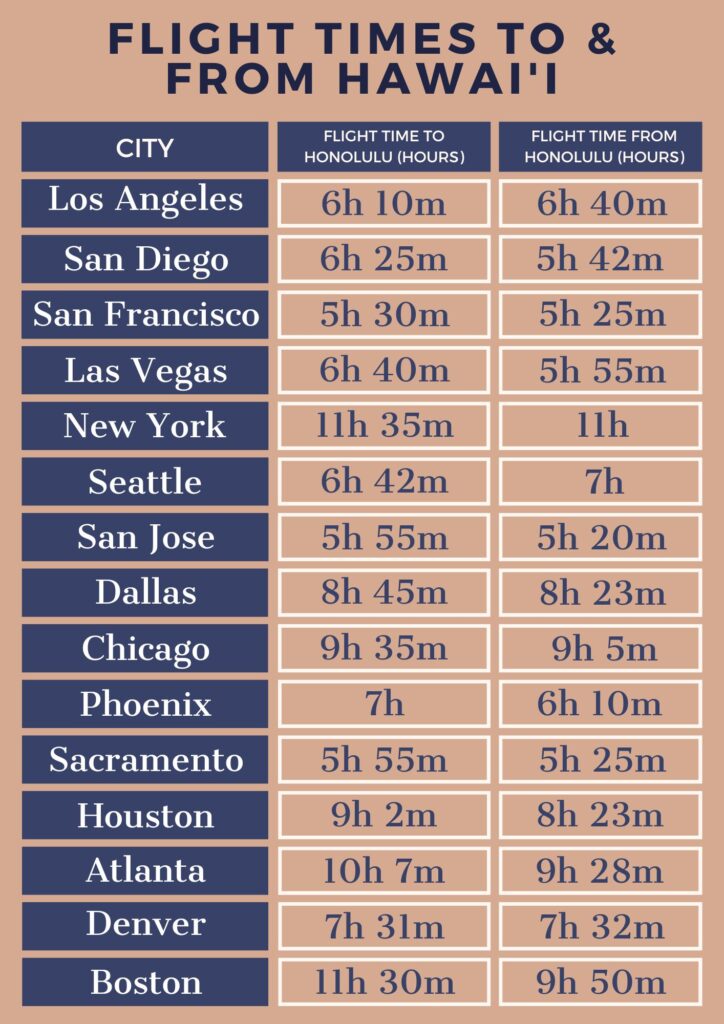
Generally, a direct flight from Phoenix to a major Hawaiian island like Oahu (specifically to Honolulu) will typically range between 5 hours and 45 minutes to 6 hours and 30 minutes. This duration can fluctuate based on the specific destination island, prevailing winds, and the type of aircraft. Connecting flights, of course, add significant time due to layovers, often extending the total travel time to 8-12 hours or even more. Understanding these variations and what influences them is key to planning a seamless and enjoyable journey to paradise.
Understanding Flight Durations: Phoenix to Hawaii
The flight from Phoenix Sky Harbor International Airport (PHX) to the various airports in Hawaii represents a substantial trans-Pacific journey. While the distance is considerable, advances in aviation have made it a comfortable and relatively swift experience. However, the exact duration is rarely static, influenced by a blend of directness, aerodynamics, and atmospheric conditions.
Direct Flights Explained
For travelers prioritizing efficiency and minimal travel time, direct flights are undoubtedly the preferred option. Several major airlines offer non-stop services from Phoenix to Hawaii, primarily targeting the most popular tourist destinations.
The average direct flight time from Phoenix to Honolulu (Oahu) typically falls within the 5 hour 45 minute to 6 hour 15 minute range. This is often the shortest direct route available due to Honolulu’s geographic position as the westernmost major airport in the chain relative to Phoenix. Other islands like Maui (to Kahului Airport) and the Big Island (to Kona International Airport) also enjoy direct connections, though these might be slightly longer, perhaps extending to 6 hours 30 minutes, due to their slightly different alignments and distances. Airlines such as Southwest Airlines, American Airlines, and Delta Air Lines frequently operate these non-stop routes, particularly during peak travel seasons, utilizing modern aircraft designed for comfortable long-haul journeys. The convenience of boarding in Phoenix and disembarking directly in paradise is a significant advantage, eliminating the stress and unpredictability of connecting flights.
Connecting Flights: What to Expect
While direct flights are ideal, they might not always be the most economical or convenient option depending on your travel dates, specific island destination, or airline preference. Connecting flights are a common alternative, but they inherently add to the total travel duration.
When opting for a connecting flight from Phoenix to Hawaii, you can expect your journey to involve a layover in one of several major West Coast hubs. Popular connecting cities include Los Angeles (LAX), San Francisco (SFO), Las Vegas (LAS), and Seattle (SEA). The duration of these layovers can vary dramatically, from a quick 60-minute sprint between gates to an extended several-hour wait. Consequently, the total travel time for a connecting flight can range anywhere from 8 to 12 hours, or even longer if there are significant delays or multiple connections. While connecting flights often present cost savings, they demand more patience and planning. Travelers must weigh the benefits of a potentially lower fare against the added time, potential for missed connections, and the overall weariness that can accumulate from extended travel days. For those less concerned about budget and more about reaching their destination refreshed, the direct flight remains superior.
Factors Influencing Flight Time
Beyond the simple distinction between direct and connecting, several intricate factors contribute to the actual time your flight spends in the air. Understanding these can demystify why a flight might be slightly shorter or longer than anticipated on any given day.
Aircraft Type and Speed
The specific model of aircraft used for your flight plays a role in its speed and efficiency. Airlines typically deploy wide-body or modern narrow-body aircraft designed for longer routes between Phoenix and Hawaii. For instance, an Airbus A321 or a Boeing 737, common on these routes, are chosen for their optimal balance of range, fuel efficiency, and passenger comfort over medium to long distances. While these aircraft cruise at similar altitudes and general speeds (around 500-550 miles per hour), minor differences in their aerodynamic profiles and engine thrust can result in slight variations in flight duration. Furthermore, direct flights over large expanses of ocean, such as the Pacific from Phoenix to Hawaii, are often subject to ETOPS (Extended-range Twin-engine Operational Performance Standards) regulations. These rules dictate the maximum distance a twin-engine aircraft can operate from an alternate airport, influencing flight paths and potentially adding minutes to the journey if a more circuitous route is required for safety.
Wind and Weather Conditions
Perhaps the most significant variable influencing flight times is the prevailing wind and weather conditions encountered en route. Flights traveling westbound from Phoenix to Hawaii often contend with headwinds, especially the powerful jet stream that generally flows from west to east. Flying against these strong winds can decrease the aircraft’s ground speed, thereby increasing the total flight duration. Conversely, eastbound flights (from Hawaii back to Phoenix) frequently benefit from tailwinds, which can significantly reduce travel time, sometimes by as much as 30-60 minutes.
Seasonal variations also play a role. The strength and position of the jet stream can shift throughout the year, meaning a flight in winter might experience different wind conditions than one in summer. While pilots and air traffic controllers account for these factors in their flight planning, unexpected meteorological phenomena or changes in wind speed and direction can still subtly alter the estimated arrival time. Turbulence, while uncomfortable, usually has a negligible effect on overall flight duration unless severe enough to require significant re-routing.
Specific Hawaiian Island Destination

While Honolulu on Oahu is the primary gateway to Hawaii and often the shortest direct flight from Phoenix, the exact island you’re flying to will influence your overall travel time. Hawaii is an archipelago, and while the major islands are relatively close, there are still differences in distance.
Flights to Kahului Airport (OGG) on Maui might be similar in duration to Honolulu or just slightly longer. Journeys to Kona International Airport (KOA) on the Big Island or Lihue Airport (LIH) on Kauai could extend the flight time by another 15-30 minutes compared to Oahu on a direct route, purely based on geographical distance. If your chosen island destination, such as Molokai or Lanai, does not have direct service from Phoenix, you will need to fly into a major airport like Honolulu or Kahului and then take a separate inter-island flight. These inter-island connections add additional time for disembarkation, waiting, re-boarding, and the flight itself (typically 20-45 minutes), significantly increasing your total journey duration from Phoenix to your final island paradise.
Maximizing Your Phoenix to Hawaii Flight Experience
Given the significant duration of the flight from Phoenix to Hawaii, optimizing your travel experience is crucial for arriving refreshed and ready to enjoy your vacation. A well-planned approach to booking and in-flight comfort can make all the difference.
Booking Strategies for Optimal Travel
When planning your trip, consider these strategies to enhance your journey:
- When to Book: Generally, booking flights several months in advance (3-6 months) tends to yield better prices and a wider selection of direct flights. Peak seasons (summer, holidays, spring break) will see higher demand and prices, and direct flights will be snapped up quickly. Traveling during the shoulder seasons (late spring, early fall) often offers a good balance of pleasant weather, fewer crowds, and more competitive airfares.
- Direct vs. Connecting: While direct flights are more expensive, they save valuable time and reduce the risk of travel hiccups. If time is a priority, invest in a direct flight. If budget is a primary concern, connecting flights can be a good option, but always build in ample layover time (at least 2-3 hours) to account for potential delays.
- Airline Choice: Research airlines not just for price but also for their in-flight amenities on their Hawaii routes. Some airlines may offer more comfortable seating, better entertainment options, or complimentary meals/snacks, which can make a substantial difference on a 6-hour flight. Consider their baggage policies and flexibility options as well.
In-Flight Comfort and Entertainment
A long flight doesn’t have to be arduous. With a few preparations, you can make the journey part of the adventure:
- Seat Selection: If possible, select your seat in advance. A window seat offers views (especially as you approach Hawaii), while an aisle seat provides easier access for stretching or restroom breaks. Emergency exit rows or premium economy offer extra legroom for added comfort, though often at an additional cost.
- Packing Essentials: Bring a small bag with in-flight necessities. This includes a neck pillow, eye mask, earplugs/noise-canceling headphones, and layers of clothing (the cabin temperature can vary). Pack essential medications, a portable charger for devices, and any personal comfort items.
- Entertainment: While many airlines offer in-flight entertainment, having your own charged tablet or smartphone loaded with movies, TV shows, podcasts, or e-books is a great backup. Don’t forget a good book or travel journal.
- Hydration and Snacks: Airplane cabins are notoriously dry, so drink plenty of water throughout the flight. Pack healthy snacks to avoid reliance on airline offerings, which can be limited or costly.
- Combatting Jet Lag: Hawaii operates on Hawaii Standard Time, which means a significant time difference from Phoenix (typically 3 hours behind in winter, 2 hours in summer due to Arizona not observing Daylight Saving Time). Begin adjusting your sleep schedule a day or two before departure, stay hydrated, and try to adjust to local time as soon as you land by exposing yourself to sunlight and avoiding long naps.
Beyond the Flight: Planning Your Hawaiian Escape
While understanding the flight duration from Phoenix is essential, it’s just the first step in crafting your perfect Hawaiian getaway. Hawaii offers a diverse range of experiences, and thoughtful planning will ensure your trip meets all your expectations.
Choosing Your Island Adventure
Hawaii is not a single destination but a collection of distinct islands, each with its own unique charm and attractions:
- Oahu: Home to Honolulu and the iconic Waikiki Beach, Oahu offers a blend of vibrant city life, historical sites like Pearl Harbor, and world-class surfing on the North Shore. It’s ideal for those seeking a mix of cultural experiences, dining, and beach activities.
- Maui: Known as “The Valley Isle,” Maui is celebrated for its luxurious resorts, stunning Road to Hana, and the majestic sunrise views from Haleakala volcano. It’s perfect for couples, families, and those looking for relaxation mixed with natural beauty and adventure.
- Big Island: The youngest and largest island, the Big Island boasts incredible diversity, from the active volcanoes of Hawaii Volcanoes National Park to black sand beaches, lush rainforests, and snow-capped peaks. It’s an explorer’s paradise.
- Kauai: “The Garden Isle” is famous for its dramatic, verdant landscapes, including the breathtaking Na Pali Coast and Waimea Canyon. It’s the ideal destination for nature lovers, hikers, and those seeking a more tranquil and pristine Hawaiian experience.
- Molokai & Lanai: For a truly secluded and authentic experience, these smaller islands offer a glimpse into old Hawaii and exclusive luxury, respectively. They typically require an inter-island flight or ferry connection.
Consider your interests, budget, and travel style when selecting the island(s) that best suit your ideal vacation. If you plan to visit multiple islands, factor in the time and cost of inter-island flights (usually 20-45 minutes per flight) into your itinerary.
Essential Pre-Departure Checklist
Once your island is chosen, a thorough checklist ensures a smooth transition from Phoenix to paradise:
- Accommodation: Book your hotels, resorts, or vacation rentals well in advance, especially during peak seasons. Popular options fill up quickly.
- Rental Cars: Essential for exploring most Hawaiian islands, particularly outside of Honolulu’s Waikiki area where public transport is more limited. Reserve your vehicle early to secure availability and better rates.
- Activity Planning: Research and book popular tours and activities, such as luaus, snorkel trips, hula lessons, or volcano tours. Many require advance reservations, particularly if you have specific dates or times in mind.
- Packing: Prepare for a tropical climate with light clothing, swimwear, sun protection (reef-safe sunscreen is mandatory in Hawaii), insect repellent, and comfortable walking shoes. Don’t forget any specific gear for hiking or water sports.
- Travel Insurance: Consider purchasing travel insurance to protect against unforeseen circumstances like flight cancellations, lost luggage, or medical emergencies.
- Documents: Ensure your ID (driver’s license or passport) is up-to-date and easily accessible. Keep digital and physical copies of all reservations.
In conclusion, the flight from Phoenix to Hawaii is an exciting passage that marks the beginning of an unforgettable adventure. While a direct flight typically takes around 6 hours, various factors can influence this duration. By understanding these elements and planning proactively, you can ensure your journey across the Pacific is as comfortable and enjoyable as the paradise that awaits you. So, pack your bags, prepare for a fantastic flight, and get ready to experience the magic of the Hawaiian Islands!
LifeOutOfTheBox is a participant in the Amazon Services LLC Associates Program, an affiliate advertising program designed to provide a means for sites to earn advertising fees by advertising and linking to Amazon.com. Amazon, the Amazon logo, AmazonSupply, and the AmazonSupply logo are trademarks of Amazon.com, Inc. or its affiliates. As an Amazon Associate we earn affiliate commissions from qualifying purchases.