
Planning a getaway from the foggy hills of San Francisco to the sun-drenched shores of Hawaii is a dream for many travelers in California. As one of the primary gateways to the Pacific Ocean islands, San Francisco International Airport offers a multitude of daily flights that bridge the gap between the United States mainland and the tropical archipelago. Understanding the logistics of this journey, specifically the flight duration, is essential for maximizing your vacation time and ensuring a comfortable transit. While the distance may seem daunting, the route is one of the most well-traveled and efficient corridors in modern aviation.
Understanding the Transpacific Journey from the West Coast
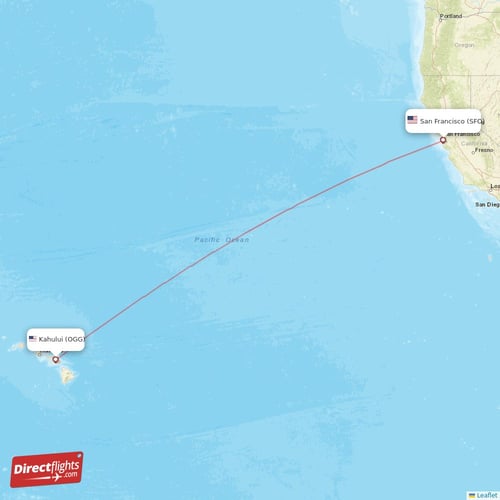
The flight from the Golden Gate City to the Aloha State covers approximately 2,300 to 2,400 miles, depending on which specific island you are visiting. This journey typically takes between five and six hours. However, the exact duration is rarely a fixed number, as several atmospheric and technical factors influence how long you will spend in the air.
Distance and Average Flight Duration
On average, a direct flight from San Francisco to Honolulu takes about 5 hours and 15 minutes. If you are heading to the “Garden Isle” of Kauai or the “Valley Isle” of Maui, the flight time remains remarkably similar, usually fluctuating by only fifteen to twenty minutes. The return flight from Hawaii back to California is almost always shorter, often clocking in at around 4 hours and 45 minutes to 5 hours. This discrepancy is a fascinating result of global wind patterns that pilots utilize to increase efficiency.
Factors Affecting Flight Times
The primary factor influencing your travel time is the jet stream. These high-altitude air currents move from west to east across the Pacific Ocean. When flying toward Hawaii, aircraft often face a “headwind,” which essentially acts as a resistance force, slowing the plane down and requiring more fuel and time. Conversely, on the return leg, planes catch a “tailwind,” which pushes the aircraft forward, significantly reducing the duration.
Weather conditions at San Francisco International Airport, known for its heavy coastal fog, can also play a role. Occasionally, air traffic control may delay departures due to visibility issues, though once the aircraft is above the cloud layer, the transpacific route is generally smooth. Seasonal variations also matter; during the winter months, the jet stream can be more intense, leading to slightly longer westbound flights and much faster eastbound returns.
Airlines and Routes from San Francisco International Airport
Choosing the right carrier can change your travel experience from a mere transit to the beginning of your vacation. San Francisco International Airport is a major hub, meaning travelers have a variety of choices when it comes to airlines, cabin classes, and schedules.
Major Carriers Serving the Islands
Several major airlines dominate the route between San Francisco and the various Hawaiian airports. United Airlines maintains a massive presence at San Francisco International Airport, offering the most frequent daily departures to nearly every major island. Their fleet on this route often includes wide-body aircraft, providing a more spacious cabin environment for the five-hour trek.
Alaska Airlines is another popular choice, known for its consistent service and competitive pricing. For those looking to start the island vibes the moment they step on the plane, Hawaiian Airlines offers an authentic experience with island-inspired meals and hospitality. In recent years, Southwest Airlines has also entered the market, providing more budget-friendly options and making the islands more accessible to a broader range of travelers. Additionally, Delta Air Lines and American Airlines offer connecting services, though they are less common for direct routes from San Francisco.
Direct vs. Connecting Flights
While direct flights are the gold standard for speed, some travelers may opt for connecting flights to save on airfare or to visit multiple islands. A direct flight is nearly always recommended for this specific route because the total travel time of roughly five hours is manageable. Connecting through Los Angeles via Los Angeles International Airport or through Seattle via Seattle-Tacoma International Airport can easily turn a five-hour journey into a ten-hour ordeal. However, if you are looking to explore the Big Island and cannot find a direct flight to Hilo, a quick layover in Honolulu at Daniel K Inouye International Airport is a common and efficient way to reach your final destination.
Destination Breakdown: Flight Times to Specific Hawaiian Islands
Hawaii is an archipelago of unique landscapes, and each island has its own primary port of entry. Depending on whether you are seeking the urban energy of Oahu or the volcanic wonders of the Island of Hawaii, your flight time will vary slightly.
Flying to Honolulu, Oahu
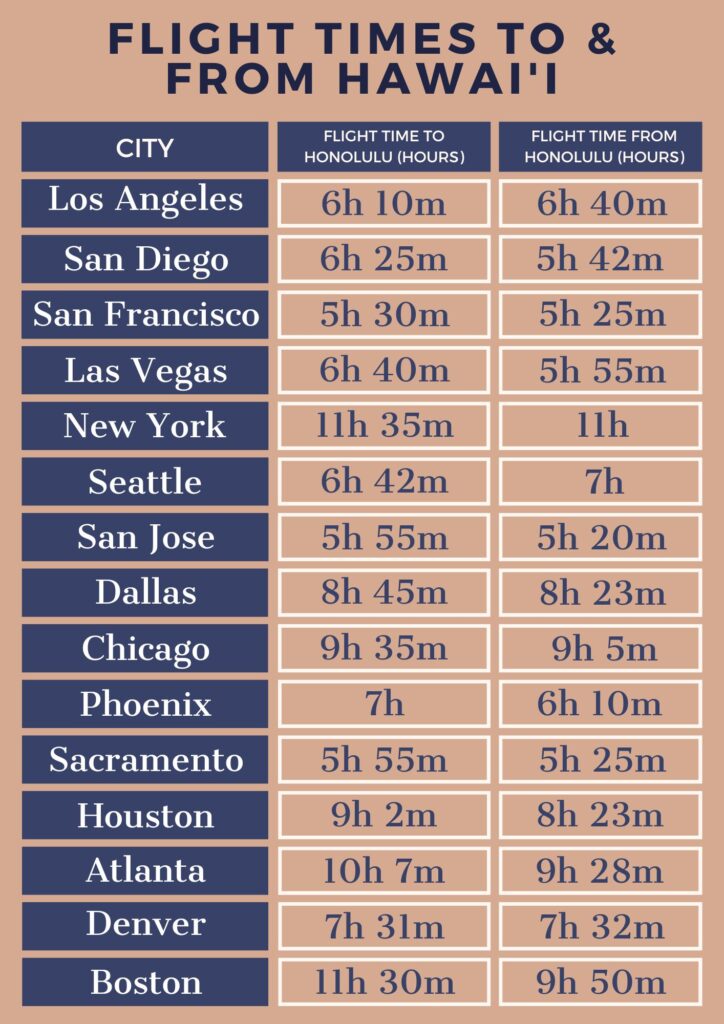
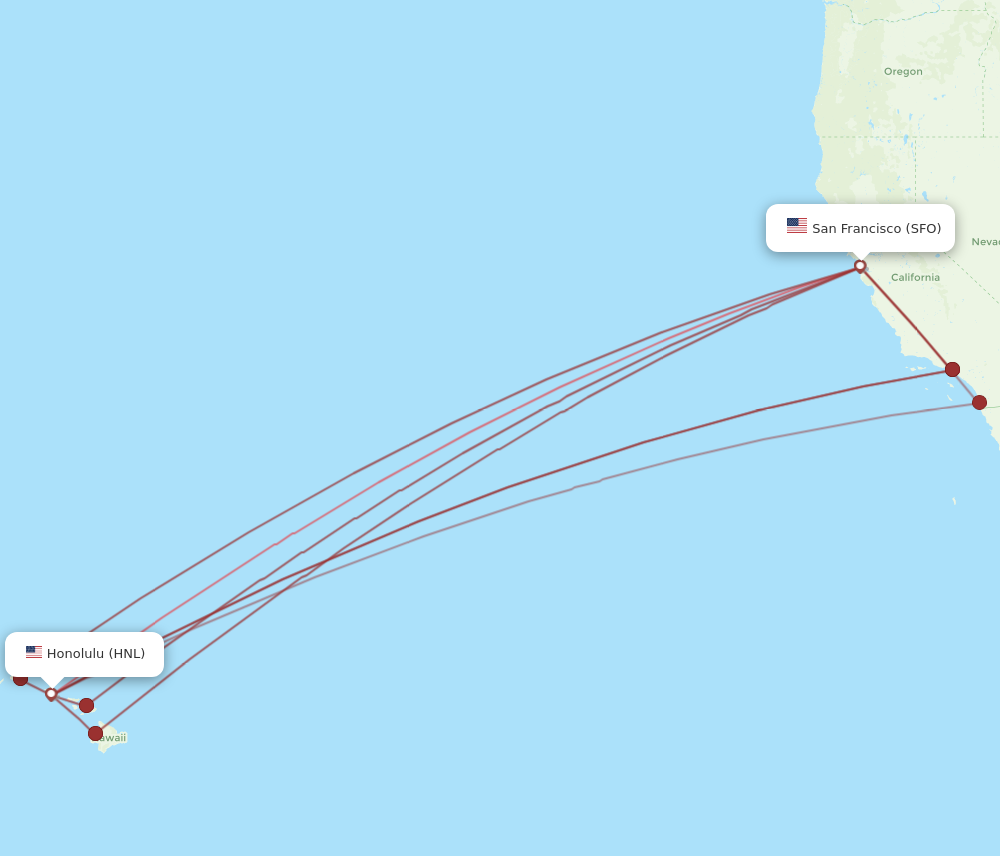
The most frequent route from San Francisco is to Honolulu. As the capital and largest city, Honolulu is the primary gateway for international and mainland visitors. A direct flight to Daniel K Inouye International Airport usually takes about 5 hours and 10 minutes. Upon arrival, you are just a short drive from the iconic Waikiki Beach and the historic Pearl Harbor.
Reaching Kahului, Maui
If your heart is set on the luxury resorts of Wailea or the scenic Road to Hana, you will be flying into Kahului Airport on the island of Maui. The flight time from San Francisco to Maui is roughly 5 hours and 20 minutes. This island is a favorite for those wanting a mix of high-end amenities and raw natural beauty, such as the sunrise at Haleakala National Park.
Arriving in Lihue, Kauai
For those seeking the “Garden Isle,” a direct flight to Lihue Airport on Kauai takes approximately 5 hours and 30 minutes. As the westernmost of the primary islands, Kauai requires a slightly longer flight path. The reward for those extra minutes in the air is the breathtaking scenery of the Napali Coast and the lush greenery of Hanalei Bay.
Traveling to Kailua-Kona, Island of Hawaii
The Island of Hawaii, often called the Big Island, is served by two main airports. Most direct flights from San Francisco land at Ellison Onizuka Kona International Airport in Kona. This flight typically takes about 5 hours and 30 minutes. From here, travelers can explore the lava fields, visit Hawaii Volcanoes National Park, or enjoy the coffee plantations that dot the western slopes.
Navigating San Francisco International Airport for Your Hawaii Departure
Preparation at San Francisco International Airport is just as important as the flight itself. Being a large international hub, navigating the terminals efficiently can save you time and stress before your long journey over the ocean.
Terminal Information and Security
Most Hawaii flights depart from either Terminal 3 (primarily United Airlines) or the International Terminal (for various other carriers and some United Airlines flights). Harvey Milk Terminal 1 is also a major departure point for Alaska Airlines. Travelers are advised to arrive at San Francisco International Airport at least two to three hours before their scheduled departure. Security wait times can fluctuate, especially during peak morning hours when the bulk of Hawaii flights take off. Utilizing programs like TSA PreCheck or Clear can significantly expedite this process.
Pre-Flight Essentials and the Safe Travels Program
Before boarding, it is important to remember that Hawaii has strict agricultural regulations to protect its unique ecosystem. While the Safe Travels Hawaii program’s health requirements have eased, agricultural inspections are still a mandatory part of the return journey. For the outbound flight, San Francisco International Airport offers numerous dining options where you can grab a meal before the five-hour trek. Since many domestic flights do not include full meals in economy class, picking up food at the Napa Farms Market in Terminal 2 or Terminal 3 is a popular choice for savvy travelers.
Optimizing the In-Flight Experience Across the Pacific
A five-hour flight is the “sweet spot” of air travel—long enough to require some planning, but short enough that it doesn’t cause the extreme fatigue of an international long-haul. To make the most of your time between San Francisco and Hawaii, consider a few comfort strategies.
Time Zone Changes and Jet Lag
One of the greatest benefits of flying from San Francisco to Hawaii is the relatively mild time difference. Hawaii follows Hawaii-Aleutian Standard Time, which does not observe Daylight Saving Time. This means Hawaii is either two or three hours behind Pacific Standard Time. To combat jet lag, it is best to stay awake during the flight and immediately adapt to the local time upon landing. Since most flights from San Francisco land in the early afternoon, you will have plenty of time to enjoy a sunset dinner at Diamond Head or a walk along the North Shore before a normal bedtime.
What to Pack for the Journey
The temperature on the aircraft is often significantly lower than the tropical climate waiting for you in Hawaii. Dressing in layers is the best approach for the flight from San Francisco. A light jacket or sweater is perfect for the air-conditioned cabin and can be easily stowed once you feel the humidity and warmth of the islands. Don’t forget to pack noise-canceling headphones to enjoy the in-flight entertainment and a portable charger to ensure your devices are ready for those first photos of the Pacific Ocean as you descend toward the islands.
Whether you are traveling for a honeymoon, a family vacation, or a solo adventure, the flight from San Francisco to Hawaii is the beginning of an unforgettable experience. By understanding the flight duration, choosing the right airline, and preparing for the five-hour journey, you ensure that your transition to island time is as seamless and enjoyable as possible. Once the wheels touch down in Honolulu or Kahului, the vibrant culture and stunning natural beauty of Hawaii make every minute of the flight well worth the effort.
LifeOutOfTheBox is a participant in the Amazon Services LLC Associates Program, an affiliate advertising program designed to provide a means for sites to earn advertising fees by advertising and linking to Amazon.com. Amazon, the Amazon logo, AmazonSupply, and the AmazonSupply logo are trademarks of Amazon.com, Inc. or its affiliates. As an Amazon Associate we earn affiliate commissions from qualifying purchases.