
Miami, a vibrant jewel on Florida’s southeastern coast, beckons travelers with its sun-drenched beaches, pulsating nightlife, and rich cultural tapestry. Whether you’re dreaming of sinking your toes into the warm sand of South Beach, exploring the colorful streets of Little Havana, or indulging in the luxurious ambiance of a world-class resort, the allure of Miami is undeniable. However, before you can immerse yourself in its tropical charm, a fundamental question arises for many: “How long is a flight to Miami?” The answer, as with many travel queries, is not a single definitive duration but rather a spectrum influenced by a variety of crucial factors.
This comprehensive guide aims to demystify flight times to this captivating city, helping you plan your journey with clarity and anticipation. We’ll delve into the primary determinants of flight duration, from your departure point to the type of flight you choose, and offer insights into how to make the most of your travel time.
Understanding the Variables: What Dictates Flight Duration to Miami?
The length of your flight to Miami is a dynamic equation, with several key variables playing a significant role. Understanding these elements will empower you to set realistic expectations and begin your Miami adventure with confidence.
Distance: The Primary Driver
The most obvious factor influencing flight time is the distance between your departure city and Miami International Airport (MIA). Flights originating from closer cities in North America will naturally be shorter than those from across continents.
-
Domestic Flights (United States):
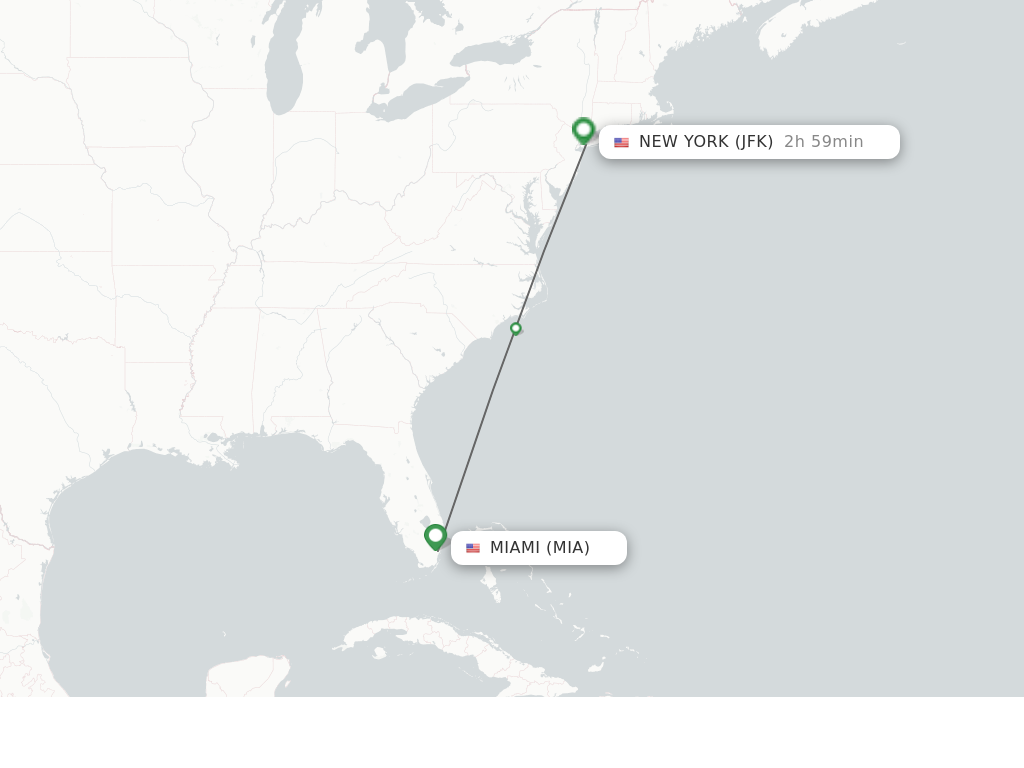
- East Coast Cities: Flights from cities like New York City, Boston, or Philadelphia typically range from 2.5 to 3.5 hours. For instance, a direct flight from New York City to Miami often clocks in at around 3 hours.
- Midwest Cities: From cities like Chicago or Detroit, expect flight times to be in the 3.5 to 4.5-hour range.
- West Coast Cities: Traveling from Los Angeles or San Francisco will significantly increase flight duration, with direct flights generally lasting between 5 to 6 hours.
- Southwest Cities: Flights from Dallas or Houston usually fall into the 3 to 4-hour bracket.
-
International Flights:
- Canada: Flights from major Canadian cities like Toronto or Montreal typically take around 3 to 4 hours.
- Caribbean and Central America: Due to proximity, flights from islands like the Bahamas or countries like Mexico City can be as short as 1 to 3 hours. Nassau to Miami, for example, is a very short hop.
- South America: Flights from cities such as Bogotá or São Paulo will be considerably longer, often ranging from 5 to 9 hours, depending on the specific origin city and whether the flight is direct or has layovers.
- Europe: Transatlantic flights from London, Paris, or Madrid to Miami are the longest, generally spanning 8 to 10 hours for direct services.
Direct vs. Connecting Flights
The choice between a direct flight and one with layovers profoundly impacts your overall travel time.
-
Direct Flights: As the name suggests, these flights go from your departure city directly to Miami without any stops. They are generally the quickest option, as they eliminate the time spent on the ground during a connection. The flight duration listed above primarily refers to direct flights.
-
Connecting Flights: These flights involve at least one stop at an intermediate airport. While they can sometimes be cheaper, they add significant time to your journey. The total travel time for a connecting flight includes:
- The duration of the first flight.
- The layover period at the connecting airport (which can range from an hour to several hours).
- The duration of the second flight to Miami.
When booking, always check the total estimated travel time, not just the flight segments. A flight with a long layover in Charlotte or Atlanta can easily add 3-5 hours or more to your total journey.
Aircraft Type and Cruising Speed
While less impactful on overall flight time than distance or layovers, the specific type of aircraft and its cruising speed can contribute minor variations. Modern, larger jets often fly at higher cruising speeds, potentially shaving off a few minutes. However, for the average traveler, this difference is negligible.
Air Traffic and Weather Conditions
External factors such as air traffic congestion at departure, arrival, or layover airports, as well as prevailing weather conditions, can lead to delays. Severe weather, such as thunderstorms or hurricanes, can cause significant flight disruptions and extended travel times. Airlines plan routes to optimize for favorable wind conditions, but unforeseen meteorological events can alter flight paths and durations.
Time Zones
It’s crucial to distinguish between flight duration and arrival time. When traveling across time zones, your arrival time will be affected by the difference in local times. For example, a 3-hour flight from New York City (Eastern Time) to Miami (Eastern Time) will arrive 3 hours after departure. However, a 5-hour flight from Los Angeles (Pacific Time) to Miami (Eastern Time) will arrive 8 hours after departure (5 hours flight + 3 hours time difference). Always factor in time zone changes when planning your arrival.
Planning Your Miami Adventure: Beyond Flight Time
While knowing your flight duration is essential for logistics, your travel to Miami is just the beginning of an exciting experience. The city offers a wealth of attractions and accommodation options to suit every preference and budget.

Choosing Your Miami Base: Accommodation and Hotels
Your choice of where to stay in Miami can significantly influence your overall experience and how you spend your time once you arrive. From iconic beachfront resorts to chic boutique hotels and private villas, there’s an option for every traveler.
-
South Beach: Renowned for its vibrant Art Deco architecture, bustling nightlife, and stunning beaches, South Beach is a popular choice for those seeking a lively atmosphere. Here, you’ll find iconic hotels like The Betsy and luxurious options that put you steps away from the sand and the action. Consider staying at the Fontainebleau Miami Beach for a classic, grand experience.
-
Miami Beach (excluding South Beach): Beyond the immediate buzz of South Beach, Miami Beach offers a more relaxed yet equally sophisticated vibe. Areas like Mid-Beach and North Beach provide beautiful stretches of sand, excellent dining, and a range of hotels, from mid-range to upscale.
-
Downtown Miami and Brickell: These areas are the city’s financial and cultural hubs, offering sleek skyscrapers, world-class shopping at places like Brickell City Centre, and a sophisticated urban atmosphere. If you prefer a city break with easy access to museums, galleries, and upscale dining, staying in Downtown Miami or Brickell might be ideal.
-
Wynwood and the Design District: For art lovers and fashion aficionados, these trendy neighborhoods are a must. Wynwood is famous for its vibrant street art and galleries, while the Design District is home to high-end boutiques and innovative design showrooms. Accommodation here tends to be more boutique and stylish.
-
Coral Gables: Known for its Mediterranean Revival architecture, tree-lined streets, and upscale charm, Coral Gables offers a more serene and elegant setting. It’s a great base for exploring attractions like the Vizcaya Museum & Gardens and enjoying fine dining.
When booking your accommodation, consider factors like proximity to attractions, desired ambiance, budget, and the amenities offered. Websites specializing in accommodation comparisons can help you find the perfect fit, whether you’re looking for a romantic suite, a family-friendly resort, or a long-term stay apartment.
Experiencing Miami: Attractions and Activities
Once you’ve settled into your chosen accommodation, Miami unfolds with a dizzying array of experiences. The city’s unique blend of cultures, from its Cuban roots in Little Havana to its international flair, provides something for everyone.
-
Beaches: Of course, the pristine beaches are a primary draw. South Beach is iconic for its energetic scene, while Crandon Park Beach on Key Biscayne offers a more family-friendly environment with calm waters.
-
Art and Culture: Explore the vibrant street art of Wynwood Walls, immerse yourself in history at the Vizcaya Museum & Gardens, or delve into Cuban culture in Little Havana, where you can enjoy authentic Cuban coffee and music. The Pérez Art Museum Miami (PAMM) is a must for contemporary art enthusiasts.
-
Nightlife and Entertainment: Miami is world-renowned for its pulsating nightlife. From rooftop bars in Brickell to legendary clubs in South Beach, the city offers endless entertainment options.
-
Shopping: Indulge in retail therapy at world-class destinations like the aforementioned Brickell City Centre, the luxury boutiques of the Design District, or the sprawling outdoor mall at Aventura Mall.
-
Nature and Outdoors: Beyond the beaches, explore the natural beauty of the Everglades National Park, a unique wetland ecosystem home to alligators and diverse wildlife. Day trips can also take you to the Florida Keys for snorkeling and diving.
Culinary Delights: A Taste of Miami
Miami is a gastronomic paradise, reflecting its diverse cultural influences. From fresh seafood to traditional Cuban fare and international cuisine, your taste buds are in for a treat. Don’t miss trying dishes like ceviche, ropa vieja, and of course, a classic Cuban sandwich. Exploring the local food scene is an essential part of any Miami travel experience.

Planning Your Trip: Travel Tips for Miami
To ensure a smooth and enjoyable journey to Miami, consider these travel tips:
-
Best Time to Visit: The peak season for Miami is typically from November to April, offering pleasant weather. However, shoulder seasons (May and October) can provide good weather with fewer crowds and potentially lower prices. Be mindful of hurricane season, which officially runs from June 1st to November 30th, with the most active period generally being August through October.
-
Getting Around: Miami is spread out, so consider your transportation needs. While ride-sharing services are readily available, renting a car can be beneficial for exploring beyond the immediate tourist areas. The Metromover in downtown Miami is a free elevated rail system useful for navigating that specific area.
-
Pack Accordingly: Light, breathable clothing is essential for Miami’s warm and humid climate. Don’t forget sunscreen, a hat, sunglasses, and swimwear. Comfortable walking shoes are also a must for exploring the city.
In conclusion, the question of “How long is a flight to Miami?” is a gateway to understanding the myriad of possibilities that await you. By considering your departure point, travel preferences, and the wealth of experiences Miami has to offer, you can embark on a journey that is both seamless in its planning and unforgettable in its execution. Whether you’re seeking a quick getaway or an extended exploration, the magic of Miami is ready to be discovered.
LifeOutOfTheBox is a participant in the Amazon Services LLC Associates Program, an affiliate advertising program designed to provide a means for sites to earn advertising fees by advertising and linking to Amazon.com. Amazon, the Amazon logo, AmazonSupply, and the AmazonSupply logo are trademarks of Amazon.com, Inc. or its affiliates. As an Amazon Associate we earn affiliate commissions from qualifying purchases.