
Traveling from the sunny shores of California to the bustling metropolis of New York is a quintessential cross-country journey for many, whether for business, leisure, or visiting loved ones. While the allure of both coasts is undeniable, a common and critical question for travelers is: “How long will I actually be in the air?” The answer, as with many aspects of travel, isn’t a single, fixed number. Instead, it’s influenced by a range of factors that can add or subtract precious minutes and even hours from your total travel time. Understanding these variables is key to planning an efficient and enjoyable trip, ensuring you arrive in the Big Apple refreshed and ready to explore.
Understanding the Variables: Factors Affecting Flight Duration
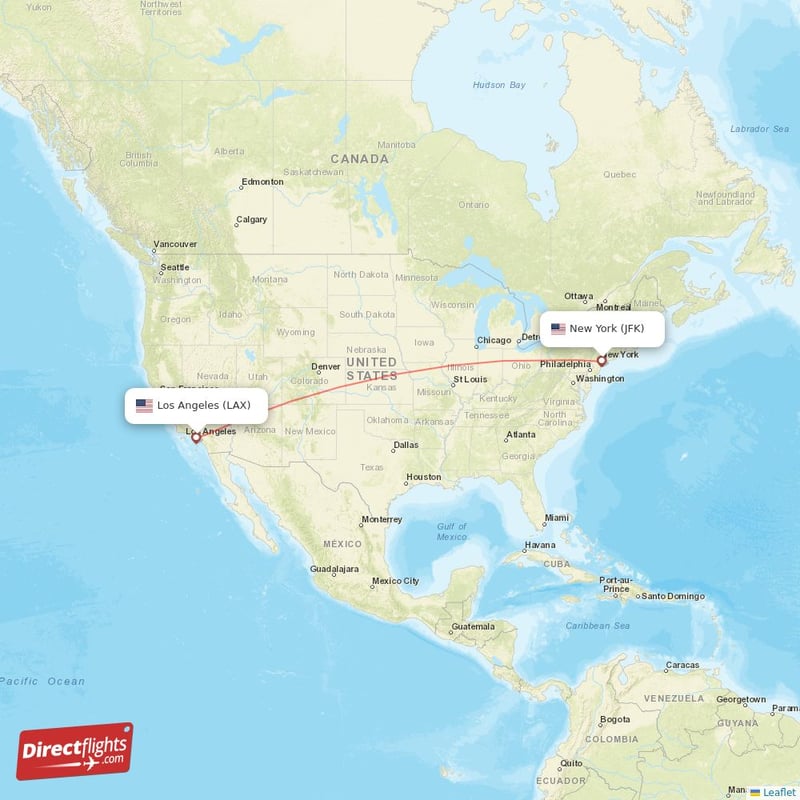
The perceived straight line between California and New York on a map belies the complex reality of air travel. Several critical factors come into play, each contributing to the final flight duration.
Departure and Arrival Airports
The sheer size of both California and the New York metropolitan area means that your specific departure and arrival airports will significantly impact the flight time. For instance, flying from Los Angeles International Airport (LAX) in Southern California to John F. Kennedy International Airport (JFK) in New York will generally differ from a flight originating from San Francisco International Airport (SFO) in Northern California to Newark Liberty International Airport (EWR) in New Jersey, which serves the New York metropolitan area. The distance between LAX and JFK is approximately 2,475 miles (3,983 km), while SFO to JFK is slightly longer at about 2,586 miles (4,162 km). Even within New York City, flights arriving at LaGuardia Airport (LGA) can have slightly different routing and ground taxi times compared to JFK or EWR due to airspace considerations.
Direct vs. Connecting Flights
This is perhaps the most significant determinant of total travel time. A direct (non-stop) flight will naturally be the shortest in terms of airborne hours. Connecting flights, on the other hand, introduce layovers that can range from a quick 45-minute sprint between gates to an extended overnight stay, easily adding several hours or even a full day to your journey. While direct flights are often preferred for their convenience, connecting flights can sometimes be more cost-effective, offering a trade-off between time and budget.
Aircraft Type and Air Traffic Control
Modern aircraft, such as the Boeing 737, Airbus A320 series, or larger Boeing 777 and Airbus A330 used for transcontinental routes, have varying cruising speeds. While the difference might only be a few minutes for a cross-country flight, it’s a factor. More impactful are air traffic control delays. Congestion at busy airports, especially in the New York airspace, can lead to holding patterns, delayed departures, or extended taxi times, all of which prolong the journey.
Weather Conditions and Jet Streams
Nature plays a considerable role. Strong headwinds, particularly the powerful jet stream that flows west to east across the United States, can slow down eastbound flights. Conversely, a tailwind can significantly shorten westbound flights. Thunderstorms, snowstorms, or fog at either the departure or arrival airport can cause diversions, delays, or even cancellations, drastically altering scheduled flight times.
Typical Flight Times: California to New York by Route
With the variables in mind, let’s look at the average non-stop flight durations for common routes. These figures represent the actual time spent in the air, from takeoff to landing.
Los Angeles to New York (LAX to JFK/EWR/LGA)
Flights from Los Angeles (typically LAX) to the New York area airports (JFK, EWR, LGA) are among the most frequent transcontinental routes.
- Eastbound (LAX to JFK/EWR/LGA): Expect airborne times ranging from 5 hours, 15 minutes to 6 hours, 30 minutes. The shorter end of this range is often experienced with favorable tailwinds or specific air traffic control routings.
- Westbound (JFK/EWR/LGA to LAX): Due to the prevailing jet stream and headwinds, westbound flights are typically longer, ranging from 5 hours, 45 minutes to 7 hours.
San Francisco to New York (SFO to JFK/EWR/LGA)
San Francisco (SFO) also serves as a major hub for cross-country travel, with similar flight durations but slightly longer given its more northerly position.
- Eastbound (SFO to JFK/EWR/LGA): Non-stop flights typically fall within the 5 hours, 30 minutes to 6 hours, 45 minutes range.
- Westbound (JFK/EWR/LGA to SFO): These flights generally range from 6 hours to 7 hours, 15 minutes.
Other California Cities to New York
While LAX and SFO are the primary departure points, other California cities like San Diego (SAN) or Sacramento (SMF) also offer direct flights to New York airports, albeit less frequently.
- San Diego (SAN) to New York: Similar to LAX flights, typically around 5 hours, 30 minutes to 6 hours, 45 minutes eastbound, and 6 hours to 7 hours, 30 minutes westbound.
- Sacramento (SMF) to New York: These tend to be slightly longer than SFO flights due to their more inland and northerly location, often in the 5 hours, 45 minutes to 7 hours range eastbound, and 6 hours, 30 minutes to 7 hours, 45 minutes westbound.
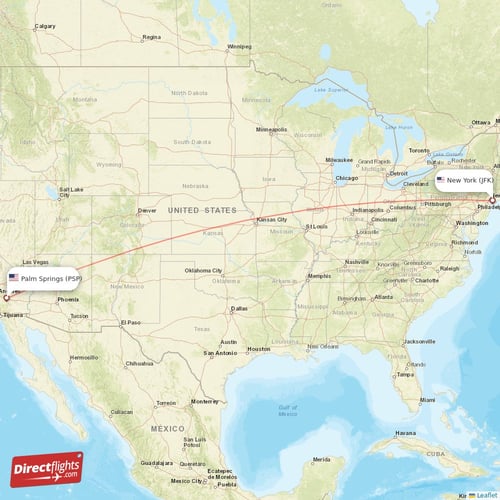
It’s crucial to remember that these are average flying times for non-stop services. Connecting flights will add substantially to the total journey.
Optimizing Your Travel Time and Experience
Minimizing travel time and maximizing comfort are key considerations for such a long domestic flight.
Choosing the Right Airport Pair
Consider not just the flight duration but also the convenience of the airports relative to your final destination. For example, if you’re heading to Brooklyn or Queens, JFK or LGA might be more convenient than EWR, potentially saving you significant ground travel time. Conversely, if your final stop is in New Jersey or Lower Manhattan, EWR could be the better choice. Similarly, departing from a smaller regional airport in California (if available for direct flights) might save you transit time to LAX or SFO, even if the flight itself is marginally longer.
The Benefits of Non-Stop Flights
While potentially pricier, non-stop flights offer the most direct route and eliminate the stress and time consumption of layovers. You avoid the risk of missed connections, baggage transfer issues, and the general fatigue associated with multiple takeoffs and landings. For a cross-country journey, the added cost is often justified by the significant time savings and reduced travel day stress.
Planning for Time Zones and Jet Lag
Crossing three time zones from Pacific Time to Eastern Time can induce jet lag. Flying eastbound means you “lose” three hours, as 9 AM in Los Angeles is noon in New York. Adjusting your sleep schedule a few days before departure, staying hydrated, avoiding excessive caffeine and alcohol, and exposing yourself to natural light upon arrival can help mitigate the effects. Consider booking an evening flight arriving late to allow for a full night’s sleep to acclimate.
In-Flight Comfort for Long Hauls
Even a 5-6 hour flight requires preparation for comfort. Choose an aisle seat for easy movement, especially for stretching or using the restroom. Pack essentials like a neck pillow, eye mask, noise-canceling headphones, and a good book or downloaded entertainment. Layered clothing is advisable to adjust to cabin temperature fluctuations. Staying hydrated and doing simple in-seat exercises can also make a big difference.
Beyond the Flight: Total Travel Time Considerations
While the “flight duration” refers specifically to time in the air, savvy travelers account for the entire journey from door to door.
Pre-Flight Essentials (Check-in, Security)
Factor in ample time for airport arrival, check-in, and security screening. For a cross-country domestic flight, arriving 1.5 to 2 hours before your scheduled departure is a good rule of thumb, especially at busy hubs like LAX, SFO, JFK, or EWR. Delays at security checkpoints can easily add 30-60 minutes to your pre-flight routine. Utilizing services like TSA PreCheck or Clear can significantly expedite this process.
Post-Flight Logistics (Ground Transportation)
Once you land, the clock doesn’t stop. Retrieving luggage, navigating the airport, and traveling to your final destination in New York can add considerable time. Depending on traffic and your chosen mode of transport (taxi, ride-share, subway, AirTrain, bus), getting from JFK to Midtown Manhattan can take anywhere from 45 minutes to 2 hours. Similarly, travel times from EWR or LGA vary widely. Researching ground transportation options and estimated travel times in advance is crucial for an accurate total journey calculation.

The Time Zone Shift: Pacific Time to Eastern Time
Remember that your watch will jump forward by three hours when traveling from California to New York. So, if your flight is 6 hours long and departs at 9 AM Pacific Time, you will land at 6 PM Eastern Time, not 3 PM. This perception of “lost time” needs to be factored into your arrival day plans, especially if you have immediate engagements.
In conclusion, while a direct flight from California to New York will typically keep you airborne for 5.5 to 7 hours, the true measure of your journey is the total time from your doorstep in California to your final destination in New York. By understanding the variables and planning meticulously, you can ensure your cross-country travel experience is as smooth and efficient as possible.
LifeOutOfTheBox is a participant in the Amazon Services LLC Associates Program, an affiliate advertising program designed to provide a means for sites to earn advertising fees by advertising and linking to Amazon.com. Amazon, the Amazon logo, AmazonSupply, and the AmazonSupply logo are trademarks of Amazon.com, Inc. or its affiliates. As an Amazon Associate we earn affiliate commissions from qualifying purchases.