
Embarking on a journey to the vibrant heart of New York is an exciting prospect, filled with the promise of iconic sights, world-class culture, and unforgettable experiences. One of the most immediate practical questions for any traveler planning this adventure is, quite simply, “How long is a flight to New York?” While the answer isn’t a single, definitive number, it’s a fascinating interplay of geography, flight paths, and a touch of aviation magic. Understanding the factors that influence flight duration will help you better plan your trip, pack your carry-on, and mentally prepare for your arrival in the city that never sleeps.
This comprehensive guide delves into the nuances of flight times to New York, exploring the key determinants, typical durations from various popular departure points, and considerations that might impact your journey. Whether you’re dreaming of a luxurious escape to a Manhattan penthouse, a budget-friendly adventure exploring the Brooklyn bridge, or a family vacation filled with visits to the Statue of Liberty and Times Square, knowing your travel time is a crucial first step.
Factors Influencing Flight Duration to New York
The time it takes to reach New York is far from a universal constant. Several dynamic elements converge to determine the final flight duration. Understanding these factors can provide valuable context and help you manage your expectations.
Distance and Departure Location
The most obvious determinant of flight length is the geographical distance between your starting point and New York City. Flights from nearby cities in the United States will naturally be shorter than those originating from across the oceans. For instance, a flight from Los Angeles, California, will be significantly longer than a flight from Boston, Massachusetts. Similarly, international journeys from continents like Europe or Asia will involve considerable flight hours.
Direct vs. Connecting Flights
The choice between a direct flight and one with layovers is a significant factor in total travel time. Direct flights, as the name suggests, take you from your departure airport to a New York area airport without any stops. These are almost always the fastest option. Connecting flights, on the other hand, involve one or more stops at intermediate airports. While they might sometimes offer cost savings, they invariably add to the overall travel duration, factoring in taxiing time, boarding procedures, and potential delays at each connection. The longer the layover, the more your total journey time will increase.
Wind Patterns and Jet Streams
Believe it or not, the very air you fly through plays a role in your flight’s speed. Jet streams are fast-flowing, narrow air currents found in the Earth’s atmosphere. Pilots often utilize these powerful currents to their advantage. Flying eastbound, for example, often means catching a tailwind from a jet stream, which can significantly reduce flight time. Conversely, flying westbound might mean battling a headwind, extending the duration of your flight. These atmospheric conditions are dynamic and can vary daily, contributing to slight fluctuations in flight times even for the same route.
Aircraft Type and Speed
While less impactful than distance or connections, the specific aircraft used for a flight can also contribute to minor variations in duration. Different aircraft have different cruising speeds, and newer, more advanced models may be able to fly slightly faster. However, for most commercial passenger flights, these differences are usually measured in minutes rather than hours.
Air Traffic Control and Airport Congestion
The skies and airports around major hubs like New York are incredibly busy. Air traffic control plays a crucial role in managing the flow of aircraft safely. Inevitably, factors like weather conditions, runway availability, and the sheer volume of air traffic can lead to delays in both taking off and landing. This can add buffer time to your overall journey, even if the flight itself was on schedule. John F. Kennedy International Airport (JFK), LaGuardia Airport (LGA), and Newark Liberty International Airport (EWR) are all major international gateways that can experience periods of high congestion.
Typical Flight Durations to New York
To provide a clearer picture, let’s explore the typical flight durations from various parts of the world to New York. These are approximate times and can vary based on the factors discussed above.
Domestic Flights within the United States
For travelers within the United States, flight times to New York are generally more manageable.
- East Coast (e.g., Boston, Washington D.C., Miami): Flights from cities in the northeastern United States are typically quite short. You can expect flights from Boston to New York to be around 1 to 1.5 hours. From Washington D.C., the flight time is similar, about 1.5 hours. Even from further south, like Miami, Florida, a direct flight will usually take between 2.5 to 3 hours.
- Midwest (e.g., Chicago, Detroit): Heading towards the central United States, flight times increase. A direct flight from Chicago, Illinois, to New York generally takes about 2 to 2.5 hours. From Detroit, Michigan, it’s a similar duration, around 2 to 2.5 hours.
- West Coast (e.g., Los Angeles, San Francisco): Transcontinental flights are a significant journey. A direct flight from Los Angeles, California, to New York typically lasts between 5 to 6 hours. From San Francisco, California, the flight time is comparable, often around 5.5 to 6.5 hours.
- Other Regions: Flights from Dallas, Texas, might take around 3.5 to 4 hours, while from Denver, Colorado, expect about 3.5 to 4.5 hours.
International Flights to New York
Journeying to New York from overseas involves longer flight durations, often requiring overnight travel.
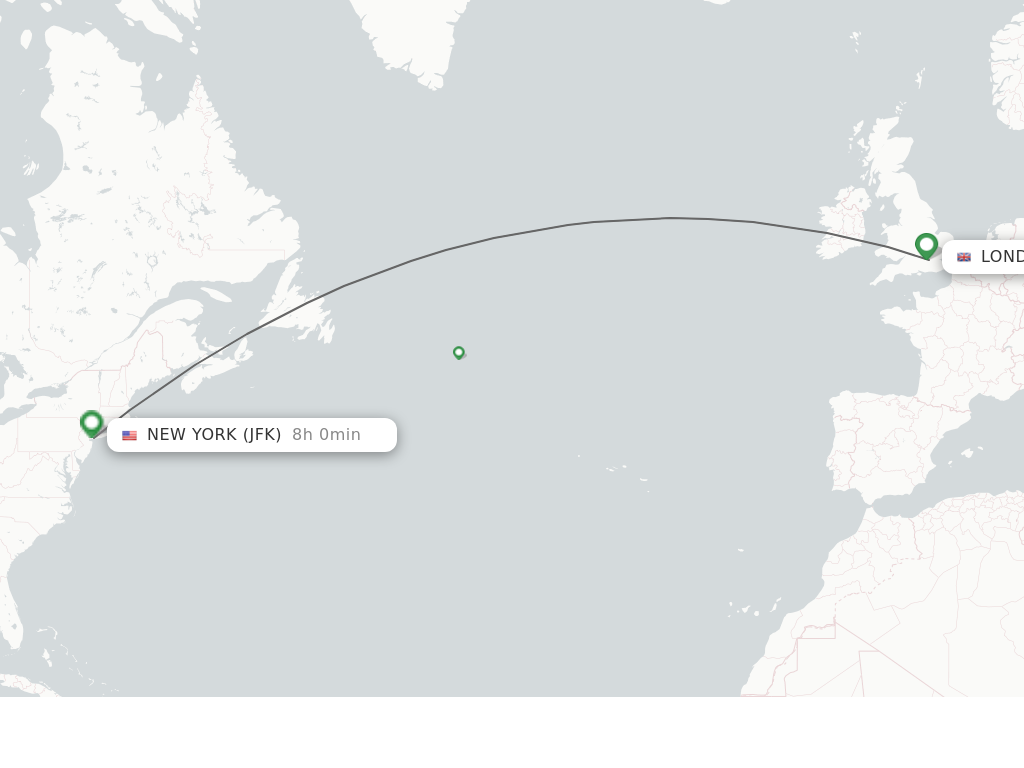
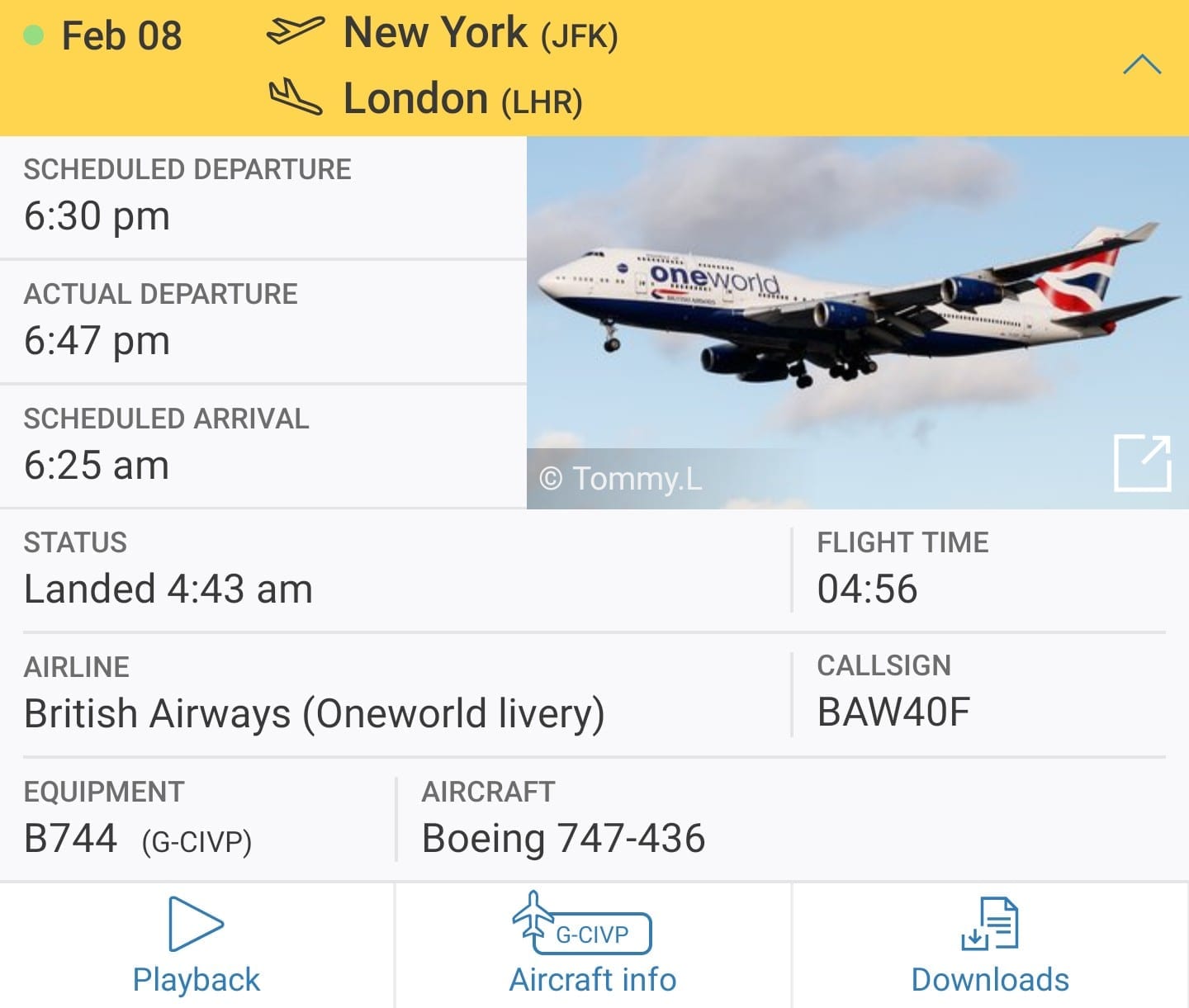
- Europe (e.g., London, Paris, Rome): Flights from major European capitals to New York are a common transatlantic route. A direct flight from London, United Kingdom, typically takes around 7 to 8 hours. From Paris, France, or Rome, Italy, the flight duration is usually in the range of 8 to 9 hours, often influenced by prevailing wind patterns.
- Asia (e.g., Tokyo, Beijing, Mumbai): Flights from Asia to New York are among the longest. A direct flight from Tokyo, Japan, can take anywhere from 12 to 14 hours. From Beijing, China, expect a similar duration, around 12 to 13 hours. Flights from Mumbai, India, are even longer, often requiring 15 to 18 hours, sometimes with a stopover due to the immense distance and flight path considerations.
- South America (e.g., São Paulo, Buenos Aires): Flights from South America to New York vary depending on the specific country and city. From São Paulo, Brazil, a direct flight is typically around 8 to 9 hours. From Buenos Aires, Argentina, the journey is longer, often in the 9.5 to 11-hour range.
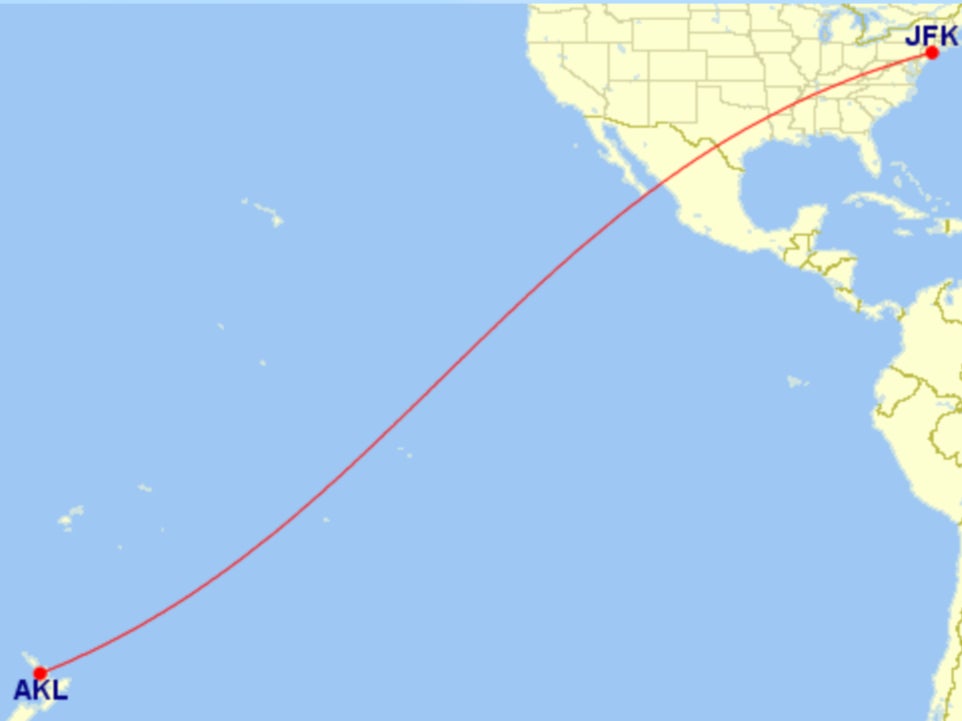
- Other Regions: Flights from the Middle East, such as Dubai, United Arab Emirates, can take around 13 to 15 hours. From Australia, New York is on the opposite side of the globe, and flights are extremely long, often exceeding 20 hours even with a single stopover.
Planning Your Trip and Maximizing Your Time in New York
Understanding your flight duration is the first step in planning your New York adventure. It influences everything from when you should book your accommodation to how much time you’ll have for sightseeing upon arrival.
Choosing Accommodation and Activities Based on Arrival Time
Upon learning your flight’s estimated arrival time, you can make informed decisions about your lodging and initial activities. If you’re arriving in the morning, you might be able to check into your hotel, leave your luggage, and immediately head out to explore landmarks like the Empire State Building or take a stroll through Central Park. For those arriving later in the evening, it might be more practical to head directly to your chosen hotel, perhaps a charming boutique hotel in the West Village or a grand resort in the Catskills for a longer stay, and save your energy for a full day of exploration the following morning. Whether you’re looking for a luxurious suite in a five-star hotel or a cozy apartment for a long-term stay, booking in advance is always recommended, especially during peak tourist seasons. Consider the proximity of your accommodation to major attractions and public transportation, like the New York City Subway system, which is an efficient way to navigate the city.
Making the Most of Your Journey
Longer flights can be an opportunity to relax, catch up on sleep, or delve into your New York itinerary. Many airlines offer in-flight entertainment systems with movies, TV shows, and music. Bringing your own entertainment, such as books, e-readers, or downloaded podcasts, can also help pass the time. Consider investing in a comfortable neck pillow and noise-canceling headphones for a more pleasant journey. For those who enjoy the finer aspects of travel, some airlines offer premium economy or business class options, which can provide more spacious seating, enhanced dining, and other amenities to make your flight more comfortable.
If your flight involves layovers, factor in the time spent in the connecting airport. Some travelers use layovers as an opportunity to experience another city briefly, while others prefer to minimize these stops to reach their final destination as quickly as possible. The choice between direct and connecting flights often depends on budget, convenience, and personal preference, but always be mindful of how layovers will impact your overall travel time and your precious vacation days in New York. Remember to check baggage allowances and any specific airline policies before your flight to avoid any last-minute surprises.
By understanding the factors that influence flight duration and considering the typical times from your departure point, you can better plan your trip to New York, ensuring a smoother and more enjoyable travel experience from start to finish. Whether you’re drawn to the architectural marvels of Manhattan, the vibrant arts scene of Brooklyn, or the natural beauty of the surrounding regions, a well-planned journey is the first step to unlocking the magic of this incredible city.
LifeOutOfTheBox is a participant in the Amazon Services LLC Associates Program, an affiliate advertising program designed to provide a means for sites to earn advertising fees by advertising and linking to Amazon.com. Amazon, the Amazon logo, AmazonSupply, and the AmazonSupply logo are trademarks of Amazon.com, Inc. or its affiliates. As an Amazon Associate we earn affiliate commissions from qualifying purchases.