
Embarking on a journey from the bustling metropolis of New York to the sun-drenched shores and vibrant cities of Spain is an exciting prospect for many travelers. While the allure of Spanish culture, cuisine, and history is undeniable, a crucial piece of logistical information often precedes any booking: understanding the flight duration. This essential detail impacts everything from packing strategies and jet lag management to planning your itinerary upon arrival. The answer to “How long is a flight to Spain from New York?” is not a single, fixed number, but rather a range influenced by several key factors, primarily the directness of the flight and the specific destination within Spain.
Understanding Flight Durations: Direct vs. Indirect Routes
The most significant determinant of your flight time from New York to Spain is whether you opt for a direct flight or one with layovers. For travelers prioritizing speed and convenience, direct flights are the clear choice. These non-stop journeys bypass the need to change planes, significantly reducing the overall travel time. However, direct flights often come with a premium price tag and may not be available to all Spanish destinations from New York. Conversely, flights with one or more stops are generally more budget-friendly and offer a wider array of route options. The trade-off, of course, is the added time spent in transit.
The Efficiency of Non-Stop Travel
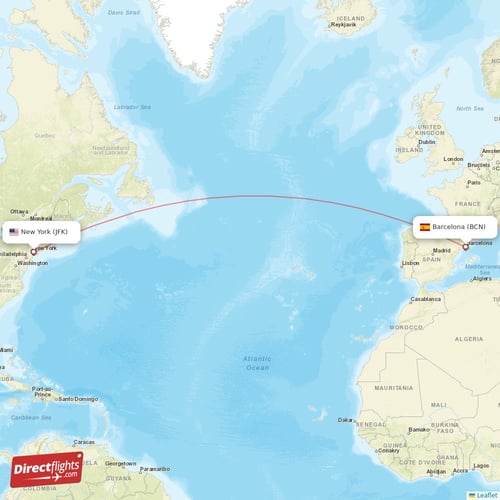
Direct flights from New York airports, such as John F. Kennedy International Airport (JFK) or Newark Liberty International Airport (EWR), to major Spanish hubs like Madrid-Barajas Adolfo Suárez Airport (MAD) or Barcelona–El Prat Airport (BCN) typically range from 6.5 to 8 hours. This is the most efficient way to reach Spain, allowing you to maximize your time exploring the Iberian Peninsula. Airlines such as Iberia, Delta Air Lines, and United Airlines frequently operate these direct services. The exact duration can vary slightly based on factors like prevailing winds, air traffic control, and the specific aircraft used.
The Impact of Layover Destinations
When direct flights are unavailable or too costly, travelers often consider flights with a single stopover. Common layover cities for flights from New York to Spain include major European hubs like London Heathrow Airport (LHR), Paris Charles de Gaulle Airport (CDG), or Amsterdam Airport Schiphol (AMS). The total travel time for these journeys can extend significantly, typically ranging from 9 to 15 hours or more. This duration includes the flight time to the layover city, the layover period itself (which can range from a couple of hours to an overnight stay), and the subsequent flight to your final destination in Spain. For those with more flexible schedules or a desire to break up the journey, a layover can be an opportunity to briefly explore another city.
Destination Specifics: Reaching Different Regions of Spain
Spain is a diverse country with numerous airports serving various regions, from the bustling capital to the sun-kissed southern coasts and the islands. The specific Spanish city you are flying into will influence the flight duration, even on direct routes. Generally, flights to mainland Spain from New York will follow the ranges previously discussed, but some destinations might require slightly longer travel times due to their geographical location or the availability of direct routes.
Major Entry Points: Madrid and Barcelona
As the two largest cities and primary international gateways, Madrid and Barcelona are the most common destinations for direct flights from New York. Flights to Madrid typically land at Adolfo Suárez Madrid–Barajas Airport (MAD), with direct flights averaging around 6.5 to 7 hours. Similarly, flights to Barcelona arriving at Barcelona–El Prat Airport (BCN) also have a direct flight duration of approximately 7 to 7.5 hours. These are the shortest flight times you can expect when traveling between New York and mainland Spain.
Southern Spain and Beyond: Seville, Málaga, and the Islands
Reaching destinations further south in Spain, such as Seville or Málaga, often involves a direct flight to a major hub like Madrid followed by a short domestic flight. This adds an additional hour or two to your total travel time. Alternatively, some airlines might offer direct flights to these cities, though they are less common and may have slightly longer flight durations compared to Madrid or Barcelona due to the additional distance. For travelers heading to the Balearic Islands, such as Mallorca or Ibiza, or the Canary Islands like Tenerife, direct flights are very rare from New York. This necessitates at least one layover, typically in a major European city, and potentially another connection within Spain, pushing the total travel time to 10 hours or more.
Factors Influencing Flight Duration
Beyond the choice of direct versus indirect routes and the specific destination, several other variables can influence the total time spent in transit from New York to Spain. Understanding these factors can help set realistic expectations and aid in better travel planning, especially for those concerned about minimizing travel time or maximizing comfort.
Aircraft Type and Air Traffic Control
The type of aircraft used by the airline can have a subtle effect on flight duration. Larger, faster planes may be able to cover the distance more quickly. More significantly, prevailing winds play a crucial role. Flights traveling eastward from New York to Spain benefit from the jet stream, which can shorten flight times. Conversely, headwinds on the return journey can extend flight durations. Air traffic control also contributes to variations; busy airspace around major airports can lead to minor delays on the ground or during the flight.
Layover Duration and Efficiency
For indirect flights, the length of the layover is a primary contributor to the total travel time. While some layovers are designed for quick connections, others are much longer, sometimes intentionally so to offer lower fares. A layover of 1.5 to 3 hours is common for efficient connections. However, longer layovers of 6 hours or more can significantly extend the overall journey. The efficiency of the transit process at the layover airport – including the time it takes to deplane, navigate the terminal, and re-board – also plays a role. Travelers should always factor in sufficient time for connections, especially when changing airlines or terminals.

Time Zone Differences and Jet Lag
While not directly a factor in flight duration, the significant time difference between New York (Eastern Time Zone) and Spain (Central European Time, which is 6 hours ahead) is a critical consideration for any traveler. A 7-hour flight, for instance, will mean arriving in Spain approximately 13 hours after departing New York when accounting for the time zone change. This substantial time shift can lead to jet lag, affecting your ability to adjust to your new surroundings and schedule. Planning for adequate rest upon arrival and gradually adjusting your sleep patterns can help mitigate these effects. Understanding the flight duration, combined with the time zone shift, allows for more effective planning of your first few days in Spain, whether you’re heading to the cultural heart of Madrid, the vibrant streets of Barcelona, or the historic charm of Seville.
LifeOutOfTheBox is a participant in the Amazon Services LLC Associates Program, an affiliate advertising program designed to provide a means for sites to earn advertising fees by advertising and linking to Amazon.com. Amazon, the Amazon logo, AmazonSupply, and the AmazonSupply logo are trademarks of Amazon.com, Inc. or its affiliates. As an Amazon Associate we earn affiliate commissions from qualifying purchases.