
Embarking on a journey from the bustling metropolis of New York City to the vibrant heart of Japan, Tokyo, is an experience that spans continents and cultures. While the allure of the Japanese capital—its futuristic cityscape, ancient traditions, and culinary delights—is undeniable, one of the most practical considerations for any traveler is the duration of the flight. Understanding the typical flight times from New York to Tokyo is crucial for effective travel planning, enabling you to arrange airport transfers, schedule onward journeys, and prepare mentally for the long-haul adventure ahead.
The Direct Flight Advantage: Non-Stop to the Land of the Rising Sun
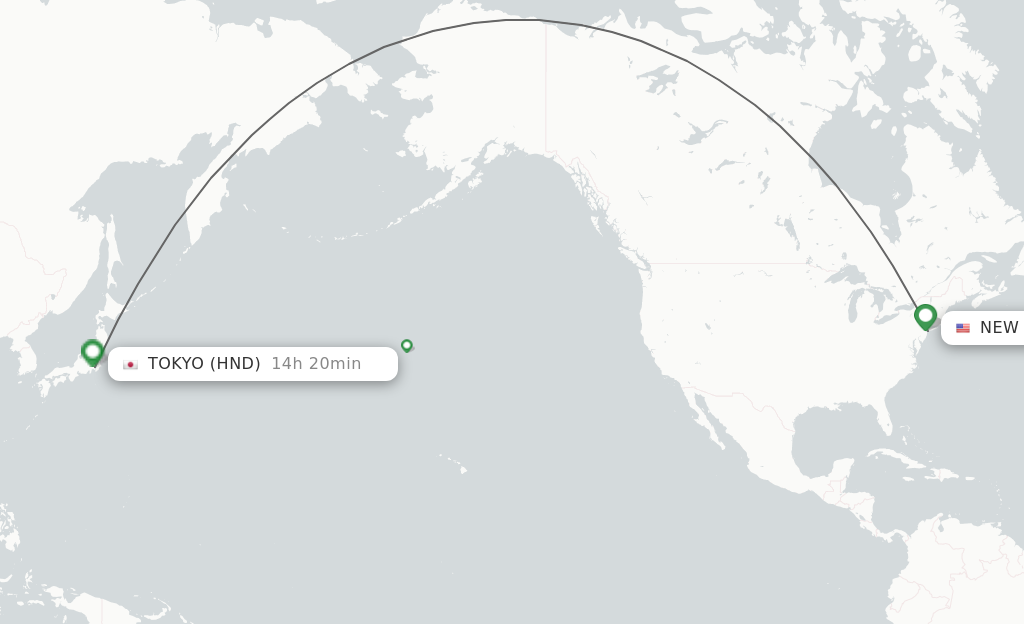
For many travelers, the ideal scenario is a direct, non-stop flight. These flights offer the most efficient way to traverse the considerable distance between New York and Tokyo, minimizing travel time and reducing the complexities often associated with layovers.
Typical Duration of Non-Stop Flights
Direct flights from New York to Tokyo typically range from 13 to 15 hours. This duration is influenced by several factors, including the specific departure and arrival airports, prevailing wind conditions, and the flight path taken by the airline. For instance, flights departing from John F. Kennedy International Airport (JFK) might have slightly different flight times compared to those originating from Newark Liberty International Airport (EWR), although both are major gateways serving the New York metropolitan area. Similarly, arrival airports in Tokyo, most commonly Narita International Airport (NRT) or Haneda Airport (HND), can also subtly affect the overall flight duration.
Airlines Offering Direct Services
Several major international airlines operate direct routes between New York and Tokyo. These often include carriers like Japan Airlines (JAL), All Nippon Airways (ANA), and sometimes flagship carriers from the United States. Booking directly with these airlines or through reputable travel agencies can secure these coveted non-stop options.
The Reality of Flights with Layovers: Extended Travel Times
While direct flights are the quickest, they are not always the most economical or readily available option for every traveler. Flights with one or more layovers are common and can significantly extend the total travel time.
Common Layover Destinations and Durations
Flights from New York to Tokyo often involve layovers in major international hubs. Popular connection points can include cities in the United States like Chicago or San Francisco, or international hubs in Europe such as London or Frankfurt, though these European connections are less direct geographically. Other common layover cities in Asia might include Seoul or Taipei.
The total duration of a flight with a layover can vary dramatically, from a minimum of 17-18 hours to well over 24 hours, depending on the length of the layover. A shorter layover might add only a few hours to the journey, while a longer layover, perhaps a transit of 8-12 hours or more, can turn the trip into a multi-day event when considering time zone changes and the total time spent in transit. Travelers opting for layover flights often do so to secure lower ticket prices or to take advantage of more flexible flight schedules.
Impact of Layover Length on Total Travel Time
The length of a layover is the single most significant factor determining the total travel time for flights with connections. A brief layover of 1-3 hours allows for a smooth transition between flights, adding minimal time to the overall journey. However, layovers exceeding 4 hours can begin to feel substantial, and those stretching to 6 hours or more can lead to fatigue and boredom. It is essential to carefully review the total travel time, including layovers, when comparing flight options, as a seemingly cheaper flight with a long layover might not be the best value when considering lost time and potential discomfort.

Factors Influencing Flight Duration
Beyond the presence or absence of layovers, several other variables can influence the actual time spent in the air from New York to Tokyo. Understanding these can help set realistic expectations and prepare for potential variations.
Jet Streams and Wind Patterns
The Earth’s atmosphere has powerful air currents known as jet streams. Pilots utilize these to their advantage. Flying eastward from New York to Tokyo means the aircraft will generally be flying against prevailing westerly winds at higher altitudes for much of the journey, which can slightly increase flight times. Conversely, returning flights from Tokyo to New York often benefit from tailwinds from these jet streams, resulting in shorter flight durations. These atmospheric conditions are dynamic and can fluctuate daily, leading to minor variations in flight times even on identical routes.
Aircraft Type and Air Traffic Control
The specific aircraft model used for the flight can also play a small role in its duration. Newer, more fuel-efficient, and faster aircraft might shave off a few minutes from the journey. More significantly, air traffic control plays a critical role. Congestion at departure or arrival airports, or during transit through busy airspaces, can lead to holding patterns or slower routes, thereby extending the flight time. While airlines strive for efficient routes, air traffic control has the ultimate authority to manage airspace and ensure safety, which can sometimes necessitate deviations from the most direct path.
Time Zones and Jet Lag Considerations
While not directly affecting flight duration, the significant time difference between New York (Eastern Time Zone) and Tokyo (Japan Standard Time) is a crucial aspect of this long journey. New York is typically 13 hours behind Tokyo. This means that a flight departing New York in the evening will arrive in Tokyo two evenings later, due to crossing the International Date Line. The physiological impact of this time difference, known as jet lag, is a critical factor for travelers to manage. Planning for sufficient rest upon arrival, adjusting sleep schedules gradually, and staying hydrated are key strategies to mitigate the effects of jet lag after such an extensive flight.
Preparing for Your Long-Haul Flight to Tokyo
A flight to Tokyo from New York is a significant undertaking, and proper preparation can make the journey much more comfortable and enjoyable.
Choosing the Right Flight and Booking Strategies
When booking your flight, always compare total travel times, not just the scheduled departure and arrival times. Consider the trade-offs between direct flights and those with layovers based on your budget, time constraints, and tolerance for extended travel. Many booking websites allow you to sort flights by duration, which is a valuable tool. Booking well in advance is often recommended, especially for direct flights, as they tend to sell out quickly and can be more expensive if booked last minute. Flexibility with your travel dates can also sometimes lead to better deals and more convenient flight options.
Comfort and Essentials for the Journey
Given the extended time spent in an airplane cabin, comfort is paramount. Pack a carry-on bag with essentials such as a neck pillow, eye mask, earplugs or noise-canceling headphones, comfortable clothing layers (the cabin temperature can fluctuate), and any personal medications. Entertainment options, whether downloaded movies, books, or music, will be invaluable. Staying hydrated by drinking plenty of water throughout the flight is also crucial for combating the dry cabin air and mitigating the effects of jet lag. Consider bringing a reusable water bottle to refill after passing through security.
Navigating Arrival and Onward Travel in Tokyo
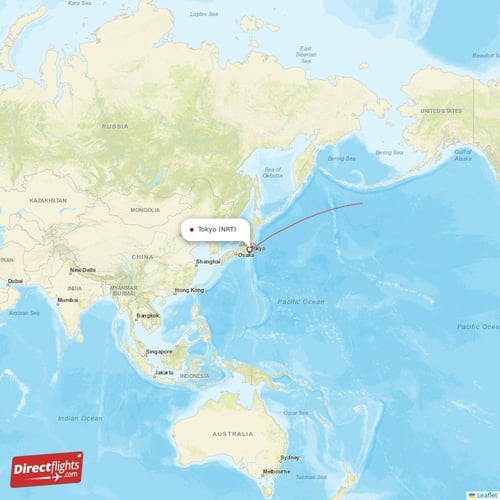
Upon landing in Tokyo, whether at Narita International Airport (NRT) or Haneda Airport (HND), you will need to navigate immigration, customs, and then proceed to your accommodation or next destination. Both airports offer excellent public transportation options, including the Narita Express train and Limousine Bus services from Narita, and Keikyu Line or Tokyo Monorail from Haneda. Familiarizing yourself with these options and purchasing necessary tickets in advance can streamline your arrival. Having your hotel address written in Japanese can also be helpful for taxi drivers if needed. The long flight will have likely impacted your energy levels, so having a clear plan for reaching your final destination will be greatly beneficial.
LifeOutOfTheBox is a participant in the Amazon Services LLC Associates Program, an affiliate advertising program designed to provide a means for sites to earn advertising fees by advertising and linking to Amazon.com. Amazon, the Amazon logo, AmazonSupply, and the AmazonSupply logo are trademarks of Amazon.com, Inc. or its affiliates. As an Amazon Associate we earn affiliate commissions from qualifying purchases.