
Welcoming a new member to the family is an exhilarating journey, filled with anticipation and countless preparations. For expecting parents in California, understanding the nuances of maternity and parental leave is a crucial step in planning not just for the baby’s arrival, but also for the significant lifestyle adjustments that follow. Beyond the immediate needs, grasping the length and scope of available leave can profoundly influence decisions about travel, long-term accommodation, and the overall family lifestyle during this precious period. California, known for its progressive labor laws, offers a comprehensive framework designed to support new parents, ensuring they have the time needed to bond with their child and recover from childbirth. This article delves into the specifics of California maternity leave, offering insights not only into its duration and eligibility but also how this vital time can be leveraged to create lasting family memories, whether through local explorations or carefully planned getaways.
Understanding California Maternity Leave: Duration and Types
California’s approach to parental leave is multifaceted, combining state-specific laws with federal protections to provide a robust safety net for new parents. The total duration of leave an individual can take often depends on a combination of factors, including the type of leave, the employer’s size, and the parent’s specific medical needs. It’s not a single, monolithic block of time but rather a layered system designed to cover different stages of pregnancy, childbirth, and bonding.
Pregnancy Disability Leave (PDL)
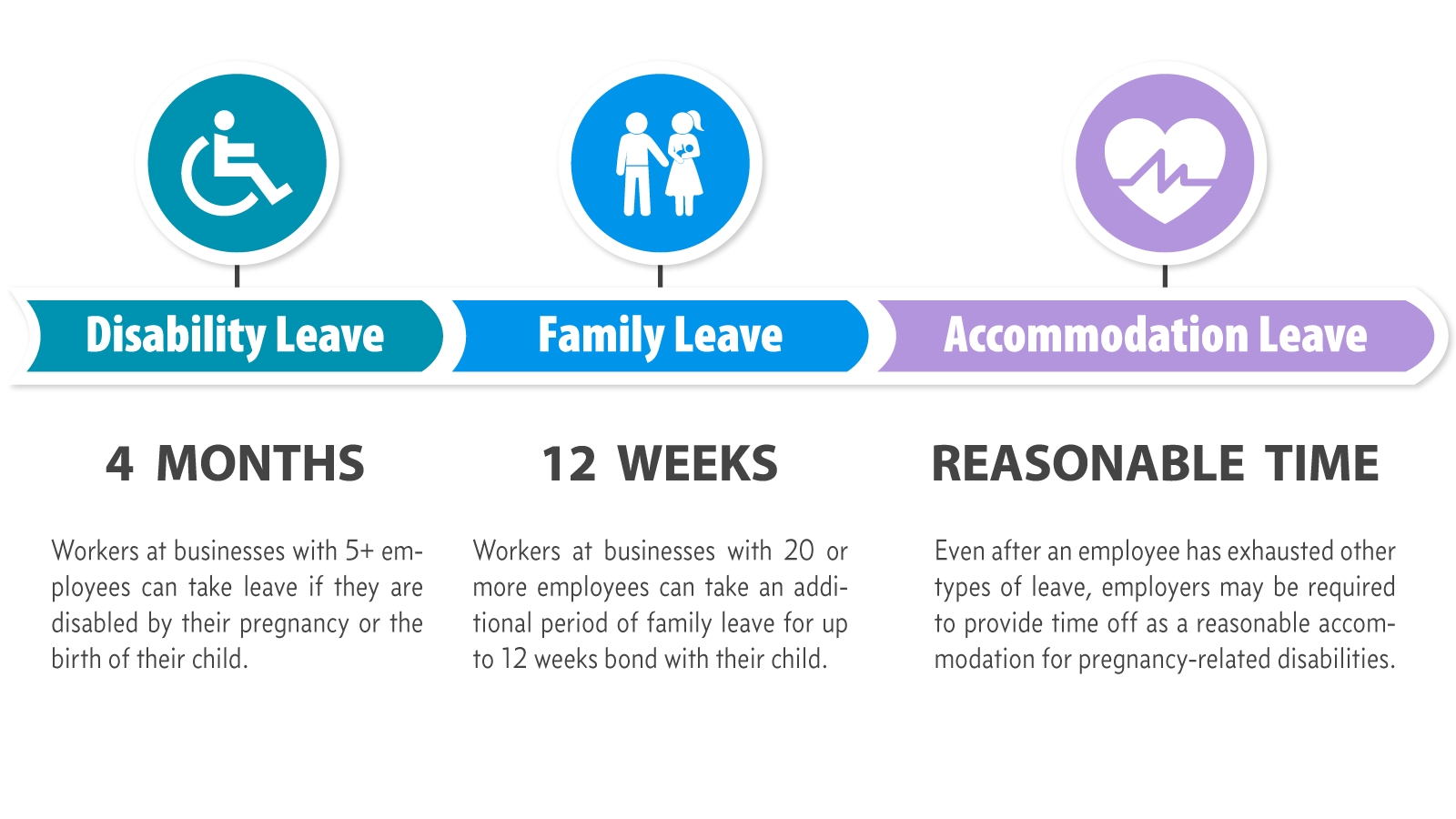
For mothers, the journey often begins with Pregnancy Disability Leave (PDL). This state law applies to employers with five or more employees and provides job-protected leave for the period during which a woman is disabled by pregnancy, childbirth, or a related medical condition. The duration of PDL is flexible, tied directly to the medical necessity. Typically, this translates to:
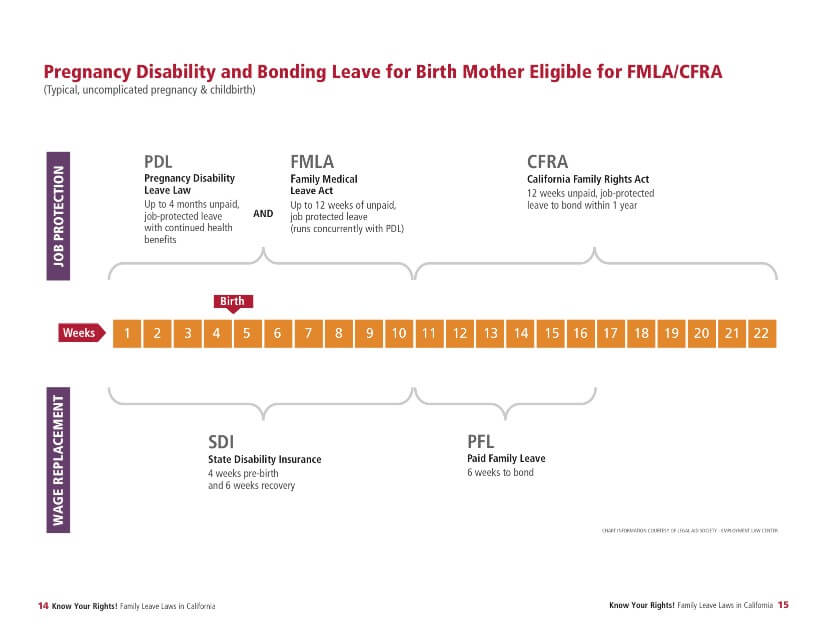
- Up to four months (17 ⅓ weeks) per pregnancy: This covers the actual period of disability.
- Before childbirth: Most commonly, women can take up to four weeks before their due date for a normal pregnancy. This period can be extended if there are complications or a doctor recommends it.
- After childbirth: For a normal vaginal delivery, the standard disability period is six weeks. For a C-section, it’s typically eight weeks. Again, these periods can be extended based on medical necessity.
It’s crucial to understand that PDL is a disability leave. This means it’s available only to the birthing parent and is intended for physical recovery. While the leave is job-protected, it may be unpaid, though employees can often use accrued sick leave, vacation time, or state disability insurance benefits to cover some of their wages during this period. The job protection means that upon return, the employee is guaranteed to be reinstated to their original job or a comparable position.
California Family Rights Act (CFRA) Leave
Following the period of PDL, or in cases where PDL does not apply (e.g., for non-birthing parents), the California Family Rights Act (CFRA) comes into play. CFRA provides job-protected leave for bonding with a new child, among other family care needs. Unlike PDL, CFRA is gender-neutral and applies to both parents (birthing and non-birthing, including adoptive and foster parents).
- Up to 12 weeks of job-protected leave: This leave can be taken to bond with a new child (biological, adopted, or foster child) within one year of the child’s birth or placement.
- Concurrent or sequential with PDL: For the birthing parent, CFRA leave for bonding generally runs after PDL. This means that a birthing parent could potentially take up to four months of PDL for disability and then an additional 12 weeks of CFRA for bonding, totaling a significant amount of time off. If both parents work for the same employer, the employer may limit the combined CFRA leave for bonding to 12 weeks.
- Applies to larger employers: CFRA applies to employers with five or more employees.
This bonding leave is invaluable for new families, providing dedicated time for parents to establish routines, nurture their child, and adjust to their new roles. Like PDL, CFRA leave is job-protected but generally unpaid, though employees can use accrued paid time off or state benefits.
Paid Family Leave (PFL)
While PDL and CFRA primarily focus on job protection, California Paid Family Leave (PFL) is a wage replacement program. It doesn’t offer job protection itself but provides partial pay to workers who need to take time off to bond with a new child (or care for a seriously ill family member).
- Up to eight weeks of wage replacement: As of 2024, PFL provides up to eight weeks of partial wage replacement benefits.
- For both parents: Both birthing and non-birthing parents are eligible for PFL to bond with a new child.
- Coordination with other leaves: PFL can be taken concurrently with CFRA bonding leave, helping to mitigate the financial impact of taking time off. For the birthing parent, PFL can also run concurrently with the bonding portion of State Disability Insurance (SDI) after the initial disability period.
- Benefit amounts: Benefits are typically 60% or 70% of the employee’s regular wages, up to a maximum weekly amount.
Combining PDL, CFRA, and PFL means that a birthing parent in California could potentially take a total of approximately 6-8 weeks of disability leave, followed by 12 weeks of bonding leave, with 8 of those weeks being partially paid. This cumulative leave can amount to nearly six months of protected time off from work, making California one of the most generous states for parental support.
Navigating Eligibility and Benefits
Understanding the duration of leave is just one piece of the puzzle; knowing who qualifies and what financial support is available is equally vital for comprehensive planning. The ability to take a significant amount of time off, even partially paid, fundamentally impacts a family’s budget, their capacity for travel, and their options for accommodation during this transitional phase.
Who Qualifies for Leave?
Eligibility for California maternity and parental leave programs often hinges on specific criteria:
- Employment with a covered employer: PDL and CFRA apply to employers with five or more employees. The Federal Family and Medical Leave Act (FMLA), which often runs concurrently, applies to employers with 50 or more employees within a 75-mile radius.
- Length of service: For CFRA (and FMLA), employees must have worked for the employer for at least 12 months, and have worked at least 1,250 hours during the 12-month period immediately preceding the start of the leave. PDL does not have a minimum service requirement for job protection.
- Contribution to SDI/PFL: To qualify for State Disability Insurance (SDI) or PFL wage replacement benefits, employees must have paid into the SDI fund through payroll deductions and meet minimum earnings requirements in a “base period.”
It’s essential for individuals to check with their employer’s Human Resources department and consult the California Employment Development Department (EDD) website for the most accurate and up-to-date eligibility requirements.
Financial Support During Leave
The financial aspect of parental leave is often a primary concern for new families. While PDL and CFRA offer job protection, they do not guarantee paid leave. However, California provides avenues for wage replacement:
- State Disability Insurance (SDI): This program provides partial wage replacement for the period of disability due to pregnancy and childbirth. For a normal pregnancy, this typically covers 6 weeks post-delivery (8 weeks for a C-section).
- Paid Family Leave (PFL): As discussed, PFL provides up to eight weeks of partial wage replacement for bonding with a new child, which can be stacked on top of SDI for birthing parents or taken independently by non-birthing parents.
- Employer-provided benefits: Some employers offer supplemental paid leave benefits, which can top up SDI or PFL payments, or provide additional paid time off. Reviewing company policies is crucial.
- Accrued paid time off: Employees can often use their accrued vacation time, sick leave, or personal days to supplement unpaid portions of their leave.
Careful financial planning, including understanding the expected income during leave and budgeting accordingly, is paramount. This planning will directly influence a family’s ability to indulge in lifestyle choices such as travel or consider different accommodation options, whether it’s an extended stay at a resort or exploring various neighborhoods within California.
Planning Your Lifestyle Around Parental Leave in California
With the knowledge of available leave and financial support, new parents can begin to envision their lifestyle during this transformative period. California’s generous leave policies offer a unique opportunity to focus on family, well-being, and even explore new horizons, aligning perfectly with the ethos of lifeoutofthebox.com.
Family Travel and New Parenthood
The extended leave period presents an incredible chance for new parents to embrace travel, albeit with some adjustments for a baby. Instead of feeling confined, many families choose to make the most of this time by taking carefully planned trips, fostering early memories, and introducing their little ones to the world.
- Road trips: California’s diverse landscape offers endless possibilities for road trips. A drive along Highway 1 to Big Sur, a visit to the charming coastal towns of Santa Barbara, or an exploration of the scenic beauty of Lake Tahoe can be incredibly rewarding. The flexibility of a car allows for frequent stops for feeding, changing, and stretching, which is essential when traveling with an infant.
- Short flights: For those feeling more adventurous, short flights within the state or to nearby states can be manageable. Cities like San Diego offer family-friendly attractions and a relaxed pace, ideal for new parents. When choosing destinations, consider those with direct flights and minimal time zone changes to reduce stress on the baby and parents.
- Staycations and local exploration: Sometimes, the best travel involves exploring one’s own backyard with fresh eyes. Los Angeles offers numerous parks, museums, and baby-friendly cafes. San Francisco boasts iconic landmarks like the Golden Gate Bridge and family-friendly neighborhoods. Local day trips can provide a sense of adventure without the full logistical challenge of an extended journey.
When planning travel with a newborn, priorities shift: comfort, convenience, and flexibility become paramount. Selecting destinations with easy access to amenities, healthcare, and infant supplies is key.
Accommodation Considerations for Extended Stays
For families contemplating an extended stay during parental leave, whether for leisure or practical reasons (like being closer to family support), accommodation choices become critical.
- Service apartments and villas: For longer durations, a hotel suite might not offer the practicalities needed. Service apartments or private villas, especially in popular tourist destinations like Palm Springs or near theme parks in Anaheim, provide ample space, full kitchens, laundry facilities, and a homely environment. Websites specializing in vacation rentals often list options suitable for families, offering amenities like cribs and high chairs.
- Family-friendly resorts: Many resorts, particularly those in Orange County or Napa Valley, cater specifically to families. They might offer dedicated family suites, on-site childcare services (for when parents need a moment alone), and baby-friendly amenities. The Grand Hyatt Manchester San Diego or the Terranea Resort in Rancho Palos Verdes could be excellent choices for a comfortable and relaxing long-term stay.
- Extended stay hotels: Designed for longer visits, these hotels often feature suites with kitchenettes, living areas, and sometimes even laundry facilities. They strike a balance between the convenience of a hotel and the practicality of an apartment.
Considering factors like proximity to essential services, quiet environments, and child-safe spaces is crucial when booking long-term accommodation with an infant.
Budgeting for a New Family Lifestyle
The financial implications of a new baby, combined with a potentially reduced income during parental leave, necessitate careful budgeting. However, this doesn’t mean sacrificing all lifestyle choices; rather, it’s about smart planning.
- Prioritize spending: Identify essential baby items, healthcare costs, and then allocate funds for desired lifestyle elements like travel or dining experiences. Even a modest budget can allow for enriching experiences if planned well.
- Leverage discounts and deals: Many family-friendly attractions and hotels offer discounts for specific days or off-peak seasons. Subscribing to travel deal newsletters can uncover opportunities for budget-friendly getaways.
- Cook-in options: Opting for accommodation with a kitchen can significantly reduce food costs, freeing up budget for other experiences. Exploring local farmers’ markets in places like San Jose or Sacramento can also be a delightful and cost-effective activity.
- Focus on experiences, not expenses: Some of the most memorable family moments are free: a stroll on a California beach, a picnic in Griffith Park, or exploring a local library.
Smart budgeting allows families to maintain a fulfilling lifestyle, even during parental leave, by making conscious choices that align with their values and financial reality.
Maximizing Your Experience: Travel and Relaxation Post-Maternity
Once the initial recovery and bonding period has settled, and depending on the length of leave taken, new parents can begin to think about more structured travel and relaxation. California’s vast offerings provide an ideal backdrop for these early family adventures.
Kid-Friendly Destinations in California
California is a treasure trove of destinations perfect for families with infants and toddlers. These locations offer a balance of gentle activities, accessibility, and natural beauty.
- Coastal towns: Towns like Carmel-by-the-Sea or Pismo Beach offer beautiful beaches for leisurely walks, charming downtowns with baby-friendly cafes, and a generally relaxed atmosphere. The fresh ocean air and gentle sounds can be incredibly soothing for both baby and parents.
- National Parks (with caution): While more adventurous, some parts of Yosemite National Park or Sequoia National Park are accessible for families with strollers or baby carriers, offering breathtaking natural beauty. Stick to paved trails and visitor centers, and always prioritize safety and comfort for the little one.
- Theme parks (for older infants): For families with slightly older infants or those eager to introduce them to lively environments, destinations like Disneyland Park or Universal Studios Hollywood can be managed with careful planning. These parks often have excellent baby care centers and designated quiet areas, making the experience more comfortable.
- Wine Country (with modifications): Even regions like Napa Valley and Sonoma County can be enjoyed by new parents. Many wineries are becoming more family-friendly, offering picnic areas, beautiful gardens, and even play spaces. A leisurely picnic lunch among the vineyards can be a delightful experience.
Choosing destinations that minimize travel time and offer a slower pace is crucial for a successful family trip with a new baby.
Resorts and Suites for Families
The right accommodation can elevate a family trip from merely manageable to truly relaxing and luxurious. Many California hotels and resorts specialize in catering to families, understanding the unique needs of parents with infants.
- All-suite hotels: These properties offer separate living and sleeping areas, providing much-needed space for parents to relax while the baby sleeps. They often include kitchenettes, which are invaluable for preparing bottles and baby food.
- Luxury resorts with amenities: Resorts like The Ritz-Carlton, Laguna Niguel or Hotel del Coronado offer not just elegant rooms but also a plethora of amenities, from heated pools suitable for infants to specialized spa treatments for new mothers. Some even offer in-room childcare services, allowing parents a rare evening out.
- Hotels with dedicated baby amenities: Look for hotels that explicitly state they provide cribs, high chairs, bottle warmers, and even baby-proofing kits. Some forward-thinking establishments go a step further, offering baby bath products or specialized menus.
- Booking direct vs. comparison sites: While comparison sites can help identify options, sometimes booking directly with the hotel allows for specific requests regarding room location (e.g., a quiet room away from elevators) or preferred amenities, ensuring a more tailored experience.
Ultimately, the length of California maternity leave—a potentially cumulative period of up to six months of job-protected time, with significant portions offering wage replacement—provides an unparalleled opportunity for new parents. It’s a time not just for essential bonding and recovery, but also for shaping a new family lifestyle. By understanding the legal framework, planning finances judiciously, and embracing thoughtful travel and accommodation choices, parents can transform this critical period into an unforgettable chapter of growth, discovery, and cherished memories. Whether it’s a tranquil retreat by the Pacific Ocean or a gentle exploration of California’s vibrant cities and natural wonders, the extended leave ensures families have the bandwidth to truly live “out of the box” and define their own beginning.
LifeOutOfTheBox is a participant in the Amazon Services LLC Associates Program, an affiliate advertising program designed to provide a means for sites to earn advertising fees by advertising and linking to Amazon.com. Amazon, the Amazon logo, AmazonSupply, and the AmazonSupply logo are trademarks of Amazon.com, Inc. or its affiliates. As an Amazon Associate we earn affiliate commissions from qualifying purchases.