
The allure of fresh, succulent crab draws countless visitors and seafood enthusiasts to Alaska each year. Far more than just a culinary delight, the crab season in Alaska is a complex interplay of natural cycles, stringent regulations, and a vibrant local culture that defines much of the state’s coastal identity. Understanding the duration and timing of these seasons is crucial for anyone looking to experience this iconic part of Alaskan life, whether as an observer, a diner, or a recreational participant. The seasons are not monolithic; they vary significantly by species, region, and annual stock assessments, making a definitive, single answer elusive but an in-depth exploration incredibly rewarding.

The Allure of Alaskan Crab and Its Economic Importance
Alaskan crab holds a legendary status in the global seafood market, renowned for its exceptional quality, size, and flavor. Species like King Crab, Snow Crab, and Dungeness Crab are highly sought after, commanding premium prices and serving as a cornerstone of the state’s economy. The crab fisheries are not just commercial operations; they are deeply ingrained in the culture of many coastal communities, providing livelihoods and shaping the fabric of towns from the Aleutian Islands to the Gulf of Alaska.
For tourists, the crab industry offers a fascinating glimpse into a rugged way of life, often romanticized by popular media but grounded in hard work, scientific management, and a profound respect for the marine environment. Experiencing Alaskan crab involves more than just eating; it’s about understanding the journey from the frigid Bering Sea depths to the plate. This industry is meticulously managed to ensure sustainability, balancing economic needs with the long-term health of the crab stocks, which directly influences the length and nature of each season.
Decoding the Seasons: Species-Specific Timelines
The term “crab season” in Alaska is a broad umbrella, encompassing distinct periods for different species, each with its own habitat, life cycle, and regulatory framework. These seasons are subject to annual adjustments based on scientific surveys and stock assessments, making flexibility key for planning.
King Crab Season
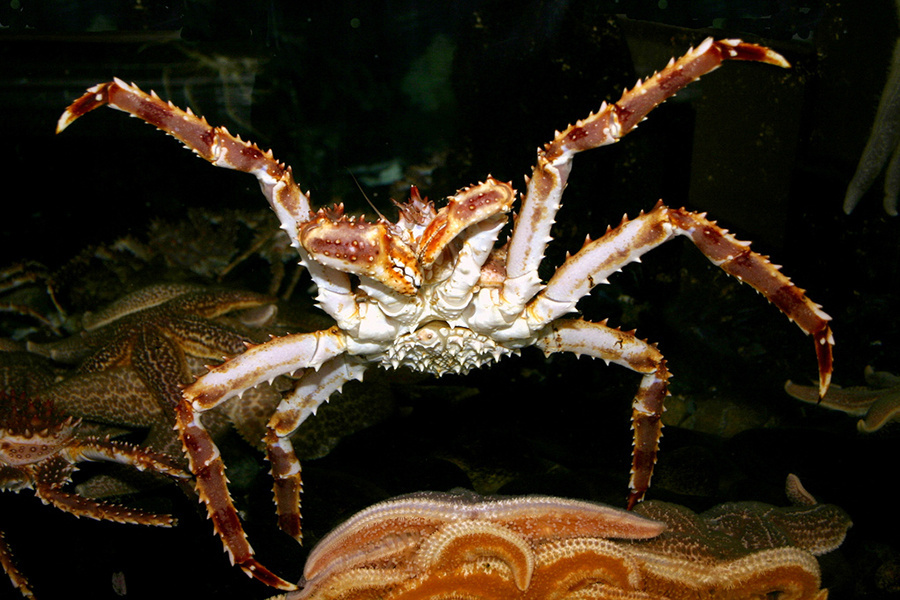
King Crab is arguably the most famous of Alaska’s crustaceans, with three main commercially harvested types: Red, Blue, and Golden. Their seasons are notoriously short and intensely managed.
- Red King Crab: Historically, the most famous Red King Crab fishery is in Bristol Bay. This season typically opens in October and, when open, is often very brief, sometimes lasting only a few days to a couple of weeks due to concentrated effort and strict quotas. However, the Bristol Bay Red King Crab fishery has faced significant closures in recent years (as of 2022 and 2023) due to critically low stock levels, underscoring the dynamic nature of these seasons. Other smaller Red King Crab fisheries, such as those around Kodiak or in Southeast Alaska, have their own localized seasons, often occurring in late autumn or winter, but these too are highly dependent on stock health.
- Blue King Crab: Found in specific areas like the Bering Sea and around the Pribilof Islands, Blue King Crab fisheries are even more sporadic and limited than Red King Crab due to smaller populations. Seasons, if declared, usually align with late autumn or early winter.
- Golden King Crab: This deep-water species has a longer, more stable season, typically running from late summer through spring (August/September to May) in the Aleutian Islands and other deep offshore waters. This longer duration is partly due to the challenges of fishing in such depths, which spreads out the harvest over several months.
Snow Crab (Opilio) Season
Snow Crab (Chionoecetes opilio), also known as Opilio crab, is another cornerstone of Alaska’s crab industry, particularly in the Bering Sea. The Snow Crab season typically opens in January and can run through early May. Like King Crab, it is managed with a Total Allowable Catch (TAC), and the actual duration depends on how quickly this quota is met. Recent years have also seen significant challenges for the Snow Crab fishery, including closures (e.g., 2022) due to unprecedented population crashes, highlighting the sensitivity of these ecosystems and the need for adaptive management.
Dungeness Crab Season
Dungeness Crab (Cancer magister) is primarily harvested in the more sheltered waters of Southeast and Southcentral Alaska. This fishery tends to be more localized and often has longer, more predictable seasons, though specific regulations vary by management area. Generally, the season runs through much of the warmer months. For recreational crabbers, Dungeness Crab offers the most accessible opportunities. Commercial seasons often begin in May or June and can extend through late summer or early fall, sometimes even into winter in specific districts, reflecting more localized stock management and fishing patterns.
Factors Influencing Crab Season Length and Availability
The duration of Alaskan crab seasons is not arbitrary but the result of a complex assessment process involving scientific, ecological, and economic considerations. This ensures both the long-term health of the crab populations and the viability of the fishing industry.
Biological Factors
The primary drivers behind season length are the biological health and abundance of the crab stocks.
- Stock Assessments: The Alaska Department of Fish and Game (ADF&G) conducts extensive annual surveys to estimate population sizes, biomass, and reproductive potential. These assessments are critical in setting harvest quotas.
- Reproductive Cycles and Molting: Crab populations fluctuate based on successful reproduction and growth. Crabs must molt to grow, and fishing is often restricted during these vulnerable periods to protect soft-shelled crabs.
- Environmental Conditions: Ocean temperatures, food availability, and ocean acidification can significantly impact crab health, migration patterns, and survival rates, leading to dramatic shifts in stock levels and, consequently, season lengths. Climate change is an increasingly important factor in these dynamic ecosystems.

Regulatory and Management Decisions
Alaska’s crab fisheries are among the most rigorously managed in the world, a testament to the state’s commitment to sustainability.
- Quota Setting (TAC): Based on stock assessments, the Alaska Department of Fish and Game, often in coordination with the North Pacific Fishery Management Council for federal waters, establishes a Total Allowable Catch (TAC) for each species and area. Once this quota is met, the season is closed, regardless of the calendar date.
- Harvest Limits and Restrictions: Regulations include minimum size limits, male-only harvest rules (to protect breeding females), and gear restrictions, all designed to ensure sustainable fishing practices.
- Emergency Closures/Extensions: Unexpected biological events or rapid attainment of quotas can lead to abrupt closures. Conversely, if stocks are robust and quotas are not fully met, seasons might be extended, though this is less common for the fast-paced King Crab and Snow Crab fisheries.
Market Demand and Economic Considerations
While biology and regulation are paramount, market dynamics also play a role in the operational aspects of the season. High global demand for Alaskan crab can incentivize faster fishing to meet market windows, potentially shortening the period of active fishing, even if the quota itself allows for more time. Processor capacity and international pricing also influence how fishing operations proceed within the established season.
Experiencing Alaskan Crab: For Tourists and Enthusiasts
For those planning a trip to Alaska with an eye towards experiencing its famous crab, understanding these seasons opens up a world of possibilities.
Fishing Charters and Tours
Recreational crabbing in Alaska is a unique experience. While commercial King Crab and Snow Crab fisheries are largely inaccessible to the general public, visitors can often participate in Dungeness Crab and Tanner crab (a species related to Snow Crab) recreational fisheries. Numerous fishing charters and tours operate in areas like Southeast Alaska (e.g., Juneau, Ketchikan) and Southcentral Alaska (e.g., Homer, Seward) during the warmer months. These tours provide equipment, guidance, and often a “catch and cook” experience, allowing guests to savor their fresh catch immediately. It’s an immersive way to connect with the local seafood culture and enjoy the stunning Alaskan scenery.
Dining Experiences
If direct participation in crabbing isn’t feasible, enjoying fresh Alaskan crab at its source is an unforgettable culinary journey.
- Peak Availability: The best time to find fresh, locally sourced King Crab and Snow Crab in restaurants generally aligns with the commercial seasons: fall for King Crab and winter/spring for Snow Crab. However, due to freezing and processing, these crabs are often available year-round in various forms. For truly “fresh out of the water” experiences, visiting cities like Anchorage, Juneau, or Kodiak during their respective crab seasons offers the best chance.
- Local Restaurants and Markets: Seek out local seafood restaurants, fish markets, and even food trucks that pride themselves on serving Alaskan crab. Many establishments will prominently feature seasonal specials. Don’t hesitate to ask about the origin of the crab to ensure it’s local.
Festivals and Events
Some Alaskan communities celebrate their fishing heritage with festivals that might coincide with crab seasons. For instance, the Kodiak Crab Festival, traditionally held in late May, celebrates the marine bounty and cultural importance of seafood, though its focus has broadened beyond just crab due to fluctuating stock. Researching local event calendars for the time of your visit can reveal unique opportunities to engage with Alaskan’s seafood culture.
Planning Your Alaskan Crab Adventure
Navigating the intricacies of Alaskan crab seasons requires a bit of foresight and flexibility.
Best Time to Visit
- For King Crab and Snow Crab dining: Aim for late autumn (October-November) for fresh King Crab (if seasons are open) or winter/early spring (January-May) for fresh Snow Crab. However, it’s crucial to acknowledge the recent closures and adjust expectations accordingly, as year-to-year availability can change.
- For recreational crabbing (Dungeness Crab/Tanner): The summer months (June-September) are ideal, offering the best weather for tours and typically open recreational seasons in accessible areas.
Essential Tips
- Check Current Regulations: Always consult the official Alaska Department of Fish and Game (ADF&G) website for the most up-to-date information on commercial and recreational crab seasons, quotas, and specific area closures before making plans. Conditions can change rapidly.
- Book in Advance: If planning a recreational crabbing fishing charters and tours, especially during peak tourist season, booking well in advance is highly recommended.
- Embrace Sustainability: Support businesses that adhere to sustainable fishing practices. The health of Alaska’s crab stocks is paramount, and responsible tourism plays a role in its preservation.
In conclusion, while there isn’t a single answer to “how long is crab season in Alaska?” the layered approach to its management offers a rich tapestry of experiences. For the discerning traveler, understanding these nuances transforms a simple meal into an appreciation of a complex ecosystem, a resilient industry, and an unforgettable Alaskan adventure.
LifeOutOfTheBox is a participant in the Amazon Services LLC Associates Program, an affiliate advertising program designed to provide a means for sites to earn advertising fees by advertising and linking to Amazon.com. Amazon, the Amazon logo, AmazonSupply, and the AmazonSupply logo are trademarks of Amazon.com, Inc. or its affiliates. As an Amazon Associate we earn affiliate commissions from qualifying purchases.