
Embarking on a journey from the vibrant urban landscape of Seattle to the serene shores of Bainbridge Island is a quintessential Pacific Northwest experience. The most popular and scenic route is, undoubtedly, the Washington State Ferry. This iconic ferry system offers not just a mode of transportation, but a delightful mini-cruise across the sparkling waters of Puget Sound. Understanding the duration of this ferry trip is crucial for planning your itinerary, whether you’re a day-tripper, a local commuter, or a traveler seeking to explore the charm of Bainbridge Island.
The primary question on many travelers’ minds is: “How long does the ferry from Seattle to Bainbridge Island take?” The answer, while seemingly straightforward, involves a few contributing factors. Primarily, it’s the duration of the actual sailing time. However, the overall travel time also encompasses the periods spent waiting to board and disembarking.
The Sailing Time: A Scenic Voyage Across Puget Sound
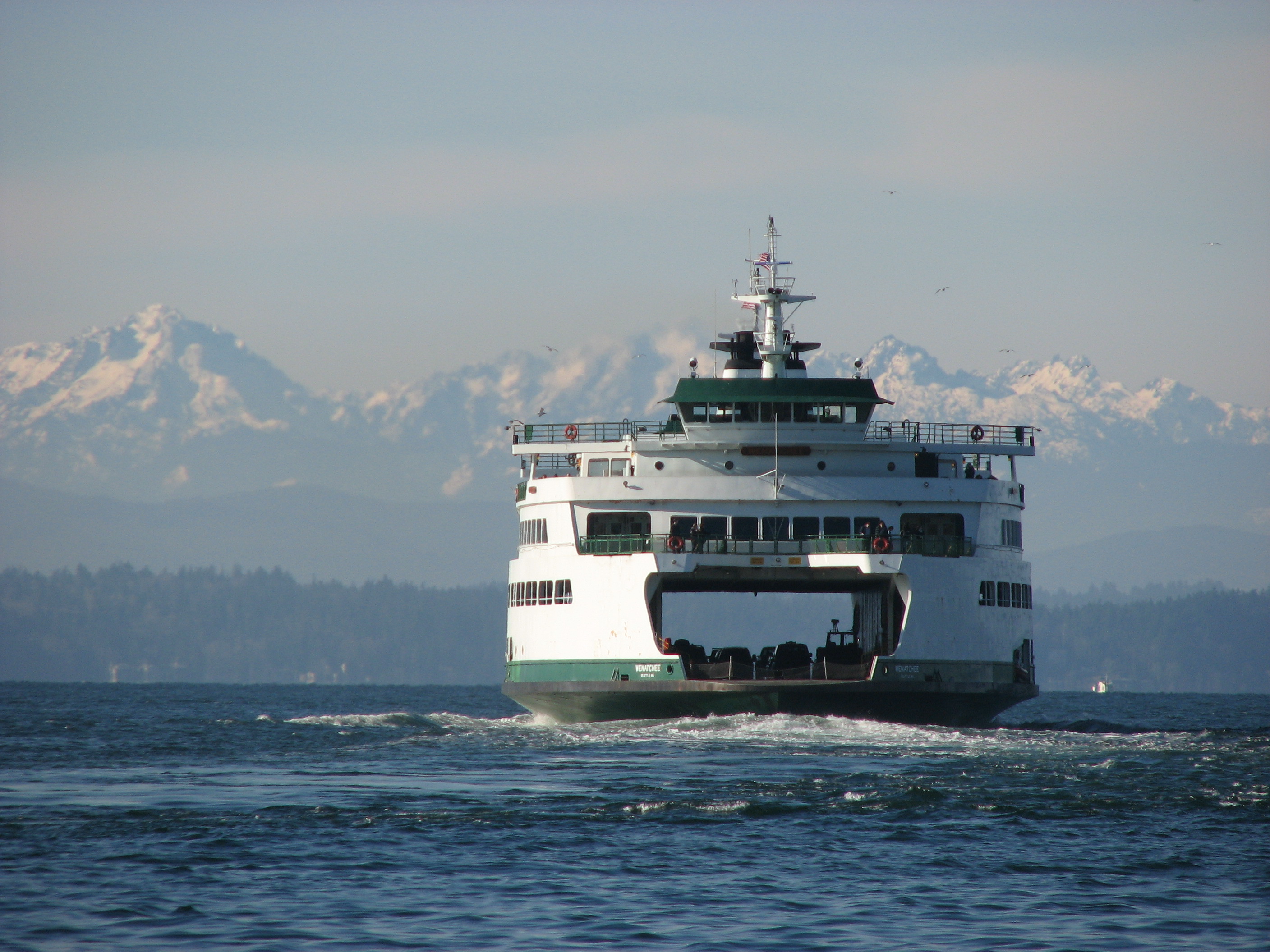
The core of your ferry journey from Seattle to Bainbridge Island is the time spent on the water. This leg of the trip is designed to be efficient yet enjoyable, offering breathtaking views of the Seattle skyline, the Olympic Mountains, and the expansive beauty of Puget Sound.
Standard Duration
Typically, the actual sailing time for the Seattle to Bainbridge Island ferry is approximately 35 minutes. This is the time the vessel is in motion between the two terminals. This duration is consistent for most sailings and is a well-established benchmark for planning.
Factors Influencing Sailing Time
While 35 minutes is the standard, very minor variations can occur due to several factors:
- Weather Conditions: While the ferries are designed to operate in most weather, extreme conditions such as heavy fog, strong winds, or rough seas might necessitate slower speeds for safety. This could add a few extra minutes to the journey. However, these instances are relatively rare and are usually factored into the published schedules.
- Tidal Currents: Puget Sound experiences tidal currents, which can subtly influence the ferry’s speed. However, the captains are experienced in navigating these currents, and their impact on the overall sailing time is generally minimal, typically adding only a minute or two, if any.
- Vessel Type: While the majority of the ferries operating on this route are of a similar class, slight differences in engine performance or design could theoretically lead to very minor variations in speed. However, for practical travel planning purposes, the 35-minute sailing time is reliable.
Beyond the Sailing: Planning for Total Travel Time
Understanding the sailing time is only part of the equation. To accurately gauge your total travel time, you must account for the periods before and after the sailing itself. These can often add a significant amount of time to your overall journey, especially during peak travel periods.
Waiting to Board
The ferry terminal at Seattle is a bustling hub. Arriving and waiting to board the ferry is a critical component of your travel time.
Vehicle Boarding
If you are traveling with a vehicle, the waiting time can be substantial, particularly during rush hour, weekends, and holidays.
- Peak Travel: During peak times, such as weekday mornings and late afternoons, or on summer weekends, you might find yourself waiting in line for 30 minutes to over an hour before you can drive onto the ferry. The ferry system has a loading capacity, and once full, vehicles will have to wait for the next sailing.
- Off-Peak Travel: Traveling during midday on weekdays or during the off-season can significantly reduce your waiting time, often to 10-20 minutes.
- Ferry Schedules: It’s always advisable to check the Washington State Ferries website for current schedules and potential delays. Arriving at least 30-45 minutes before your desired sailing is a good rule of thumb when traveling by car during busy periods.
Passenger Boarding (Foot & Bicycle)
Walk-on passengers and cyclists generally have a much shorter waiting time.
- Convenience: The walk-on process is typically much faster. You can usually purchase your ticket and proceed to the waiting area with minimal delay.
- Boarding Order: Walk-on passengers are typically allowed to board after vehicles, or sometimes even before, depending on the terminal and ferry.
- Estimated Wait: For foot passengers, waiting to board usually ranges from 5 to 15 minutes, even during busier periods. This is because the passenger capacity of the ferry is significantly higher than its vehicle capacity, and boarding is a more streamlined process.
Disembarking and Arrival at Bainbridge Island
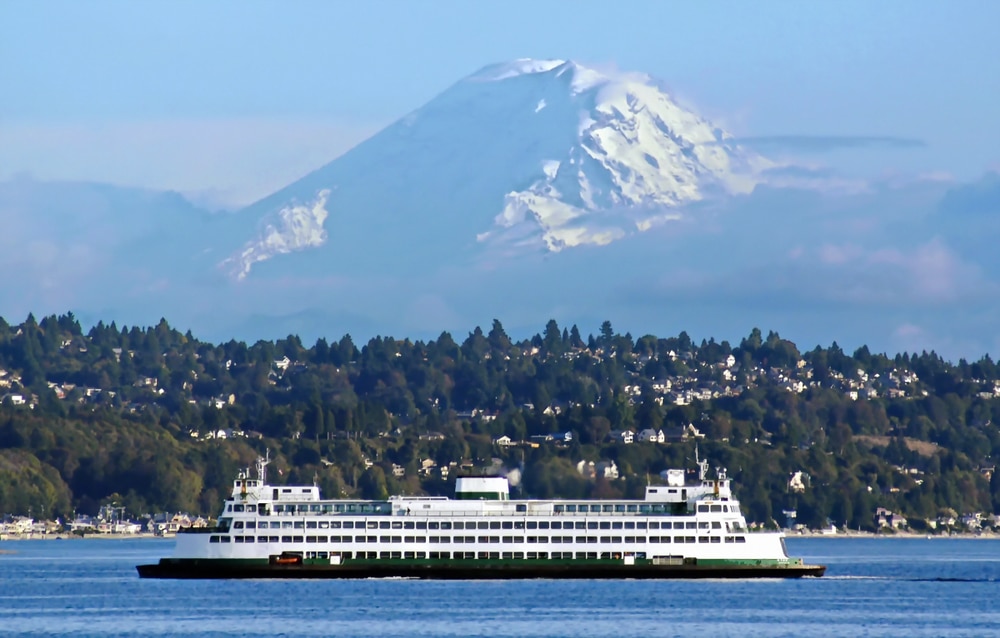
Once the ferry reaches Bainbridge Island, there’s a process of disembarking.
Vehicle Disembarking
Similar to boarding, disembarking with a vehicle takes a few minutes.
- Orderly Exit: Vehicles are usually directed to exit in an orderly fashion, often in the reverse order of boarding, or by deck.
- Timeframe: The process of clearing the ferry and driving off the vehicle deck typically takes around 5 to 10 minutes.
Passenger Disembarking
Walk-on passengers disembark very quickly.
- Swift Exit: As soon as the ferry is docked and the doors are opened, walk-on passengers can usually exit within 2 to 5 minutes.
Planning Your Seattle to Bainbridge Island Ferry Trip
To ensure a smooth and enjoyable experience, consider these tips for planning your ferry journey.
Checking Schedules and Fares
The official Washington State Ferries website is the most reliable source for up-to-date schedules, fare information, and any service alerts. Fares vary depending on whether you are a passenger, cyclist, or traveling with a vehicle, and are generally round-trip for vehicles.
Considering Your Purpose
The reason for your trip will heavily influence your planning.
- Day Trip to Bainbridge Island: If you’re planning a day trip to explore the charming town of Winslow on Bainbridge Island, arriving as a walk-on passenger is highly recommended. This allows you to avoid vehicle wait times at both ends and makes navigating the island much easier, as Winslow is easily walkable from the ferry terminal. You can then explore the island’s art galleries, boutiques, and waterfront parks at your leisure.
- Commuting or Extended Stay: If you are commuting for work or staying on the island for an extended period, traveling with a vehicle might be necessary. In this case, be prepared for potential wait times and plan your departure accordingly, especially during peak hours.
- Visiting Attractions on Bainbridge Island: For attractions further afield on Bainbridge Island, such as wineries or Bloedel Reserve, having a car is beneficial. However, local bus services and ride-sharing options can also be viable alternatives once you disembark at Winslow.
Optimal Times to Travel
To minimize wait times and maximize your enjoyment:
- Weekdays (Midday): Traveling between 10 AM and 3 PM on weekdays generally offers shorter wait times for both vehicles and walk-on passengers.
- Weekends (Early Morning/Late Evening): If you must travel by car on a weekend, aim for very early departures or late returns to avoid the busiest periods.
- Avoid Peak Commute Hours: Generally, avoid traveling between 7 AM and 9 AM, and 4 PM and 6 PM on weekdays if you’re in a vehicle.

What to Expect on the Ferry
The Washington State Ferries are more than just a ride; they are an experience.
- Amenities: Most ferries are equipped with comfortable seating, restrooms, and onboard snack bars or cafés offering light refreshments and beverages. You can purchase coffee, pastries, sandwiches, and other items to enjoy during your voyage.
- Views: The spacious decks offer unparalleled views. Take a stroll on the outer decks (weather permitting) to capture stunning photographs of the Seattle skyline, the majestic Olympic Mountains, and the marine life that may inhabit Puget Sound.
- Comfort: The indoor seating areas are heated and provide a comfortable environment to relax, read, or work while enjoying the scenery.
In conclusion, the ferry trip from Seattle to Bainbridge Island is a delightful and efficient way to connect two distinct Pacific Northwest locales. While the sailing itself is a brisk 35 minutes, incorporating buffer time for boarding and disembarking, especially if traveling by vehicle, is essential for a stress-free journey. By understanding the nuances of travel times and planning strategically, you can ensure that your ferry adventure is a highlight of your visit to the region.
LifeOutOfTheBox is a participant in the Amazon Services LLC Associates Program, an affiliate advertising program designed to provide a means for sites to earn advertising fees by advertising and linking to Amazon.com. Amazon, the Amazon logo, AmazonSupply, and the AmazonSupply logo are trademarks of Amazon.com, Inc. or its affiliates. As an Amazon Associate we earn affiliate commissions from qualifying purchases.