
Flathead Lake, a jewel nestled in the heart of Northwestern Montana, is more than just a vast expanse of shimmering water; it is a significant natural landmark that shapes the landscape and influences the lifestyle of the surrounding region. Understanding its dimensions is key to appreciating its scale and the opportunities it presents for exploration, recreation, and understanding its ecological importance. This iconic lake, the largest natural freshwater lake by surface area west of the Mississippi River, commands attention with its impressive length, offering a dynamic backdrop for countless outdoor pursuits and a source of natural wonder.

The Dimensions of Flathead Lake
When considering the question of “how long” Flathead Lake is, we are primarily referring to its linear measurement from its northernmost point to its southernmost point. This measure gives a sense of the journey one might undertake when traversing its waters.
Length and Breadth
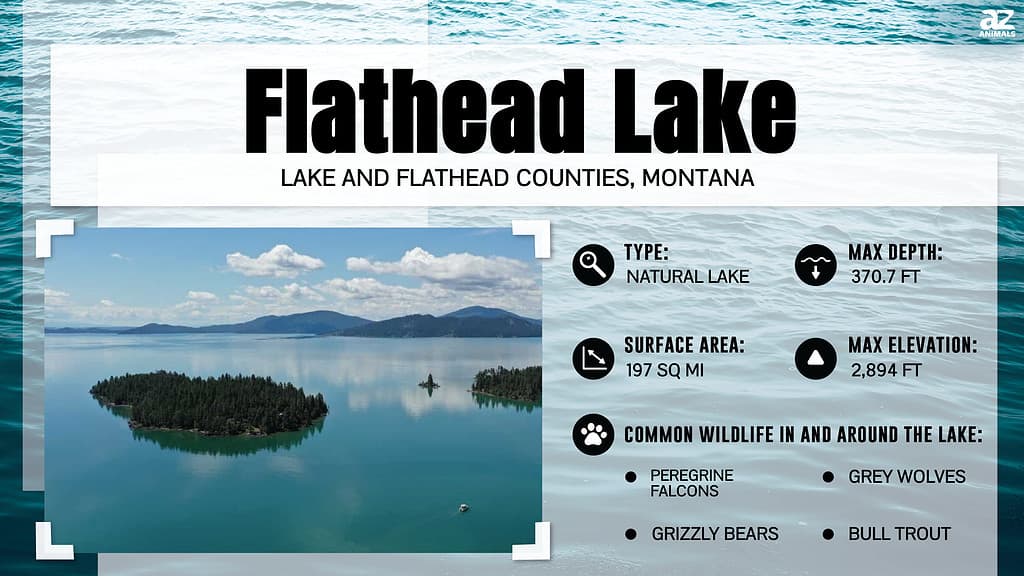
Flathead Lake stretches an impressive 28.3 miles (approximately 45.5 kilometers) from end to end. This considerable length means that traveling from one extremity to the other by boat can be a significant undertaking, often requiring careful planning, especially if weather conditions are a factor. The lake’s average width varies, but at its widest point, it spans roughly 15.5 miles (about 25 kilometers). This broadness contributes to the vast, open-water feel that many visitors experience, offering expansive vistas and a sense of boundless natural space.
Surface Area and Volume
Beyond its linear dimensions, the sheer surface area of Flathead Lake is a crucial aspect of its identity. Covering approximately 197 square miles (around 510 square kilometers), it dwarfs many other lakes in the United States, solidifying its status as a major natural landmark. This expansive surface area is not just a number; it translates into a significant habitat for aquatic life, a powerful influence on local weather patterns, and a vast playground for recreational activities.
While precise volume figures can fluctuate with water levels, the lake’s depth also contributes to its overall magnitude. Its average depth is around 150 feet (46 meters), with its deepest point reaching approximately 370 feet (113 meters). This considerable depth holds an immense volume of freshwater, playing a vital role in the regional watershed and ecosystem.
Geographic Context and Significance
The “how long” of Flathead Lake is intrinsically linked to its geographical setting and its role within the broader context of Montana’s natural landscape. Its impressive size is not an isolated fact but a consequence of its geological origins and its position within the watershed.
Geological Formation
Flathead Lake was formed during the Pleistocene epoch as a result of glacial activity. The massive lobes of the Cordilleran Ice Sheet carved out the valley, and as the glaciers retreated, they left behind a vast depression that filled with meltwater. The resulting lake is a testament to the immense power of these ancient geological forces, a natural wonder carved over millennia. The valley it occupies, the Flathead Valley, is a prominent feature of this part of Montana, and the lake is its centerpiece.
Watershed and Surrounding Features
The lake is fed by several rivers, most notably the Flathead River, which originates from the glaciers of the Rocky Mountains. Other significant tributaries include the Jocko River, the Mission River, and the Swan River. The outflow of Flathead Lake is the Clark Fork River, which eventually makes its way to the Columbia River and the Pacific Ocean. This interconnectedness highlights the lake’s importance within a much larger hydrological system.
The surrounding landscape is characterized by the dramatic peaks of the Salish Mountains to the west and the Mission Mountains to the east. These mountain ranges not only contribute to the scenic beauty but also influence the climate and the ecological diversity of the area. The presence of these majestic mountains framing the lake enhances its grandeur and makes it a truly breathtaking natural landmark.
Experiencing the Length of Flathead Lake
Understanding the length of Flathead Lake is not merely an academic exercise; it directly informs how one might experience and interact with this natural marvel. Its size dictates the types of activities possible and the planning required for any endeavor on its waters.
Boating and Water Sports
For those who take to the water, the length of Flathead Lake presents opportunities for long-distance cruising, sailing adventures, and even long, scenic paddleboarding or kayaking excursions. Boaters can spend an entire day exploring different coves, beaches, and the small islands scattered within the lake, such as Wild Horse Island State Park. The sheer scale of the lake means that even on busy summer days, it’s often possible to find quieter sections to enjoy. For powerboaters, the open stretches offer opportunities for water skiing and wakeboarding.
Fishing and Wildlife Observation
Anglers find ample opportunity within the vast waters of Flathead Lake, which is renowned for its populations of lake trout, salmon, kokanee salmon, and northern pike. The extended length of the lake allows for diverse fishing grounds, from shallower bays to deeper, open-water areas. Fishermen can spend days exploring different locations without exhausting the potential. Similarly, the lake is a critical habitat for various bird species, including osprey and bald eagles, as well as waterfowl. Observing wildlife along the lake’s shores and surface is an enriching experience that the lake’s expansive nature facilitates.
Scenic Drives and Shoreline Exploration
While the lake’s length is most directly experienced on its waters, the surrounding shorelines also offer opportunities for appreciation. Highways like U.S. Route 93 run along portions of the western shore, providing stunning vistas of the lake and its mountainous backdrop. Driving along these routes allows visitors to grasp the scale of the lake from different vantage points. Small towns and communities dot the shoreline, each offering unique access points, amenities, and perspectives on this magnificent body of water. Exploring these communities, such as Polson at the southern end and Kalispell and Whitefish to the north, provides a richer understanding of how the lake integrates into the local fabric of life.
The Impact of Flathead Lake’s Dimensions
The size of Flathead Lake has a profound and multifaceted impact on the region, influencing its environment, economy, and the very character of life for its residents and visitors.
Environmental Influence
The lake’s large surface area plays a significant role in moderating local temperatures, leading to slightly warmer summers and milder winters compared to surrounding inland areas. Its vastness also influences wind patterns, which can be a boon for sailors but can also create challenging conditions for boaters. The water quality of Flathead Lake is a subject of ongoing attention, with conservation efforts focused on protecting this vital resource from invasive species and pollution. The lake’s ecosystem supports a rich biodiversity, and its health is paramount to the ecological well-being of Northwestern Montana.
Economic Significance
Flathead Lake is a cornerstone of the regional economy, driven by tourism and recreation. The draw of its immense size and beauty attracts visitors from around the globe, who engage in activities such as boating, fishing, camping, and enjoying the numerous state parks and recreational areas along its shores. Resorts, lodges, and local businesses thrive due to the influx of tourism. Beyond tourism, the lake and its watershed support agricultural activities, particularly in the fertile lands surrounding its southern basin, and provide a vital water source for irrigation.
Cultural and Lifestyle Integration
For the communities that call the Flathead Valley home, the lake is not just a feature of the landscape; it is a way of life. Generations have grown up with the lake as a constant presence, shaping traditions, recreational pursuits, and a deep appreciation for the natural world. Whether it’s an early morning fishing trip, a family outing on a summer afternoon, or a quiet moment watching the sunset over the water, Flathead Lake is woven into the cultural fabric of Montana. Its enduring presence and vast beauty continue to draw people to its shores, offering a unique blend of adventure and tranquility. The question of “how long” Flathead Lake is ultimately leads to an understanding of its immense scale, its vital role in the environment and economy, and its profound impact on the spirit of Northwestern Montana.
LifeOutOfTheBox is a participant in the Amazon Services LLC Associates Program, an affiliate advertising program designed to provide a means for sites to earn advertising fees by advertising and linking to Amazon.com. Amazon, the Amazon logo, AmazonSupply, and the AmazonSupply logo are trademarks of Amazon.com, Inc. or its affiliates. As an Amazon Associate we earn affiliate commissions from qualifying purchases.