
The flight path between Atlanta, Georgia, and Chicago, Illinois, is one of the busiest air corridors in the United States, connecting two major economic and cultural hubs. For travelers planning this journey, the actual time spent airborne is a primary consideration, yet it represents only a fraction of the total travel experience. Understanding the nuances of this route can significantly enhance trip planning, from selecting the right flight to managing airport logistics. This guide delves into the various factors that influence the duration of a flight from Atlanta to Chicago, offering insights into what travelers can expect and how to optimize their journey.
Understanding the Direct Flight Experience
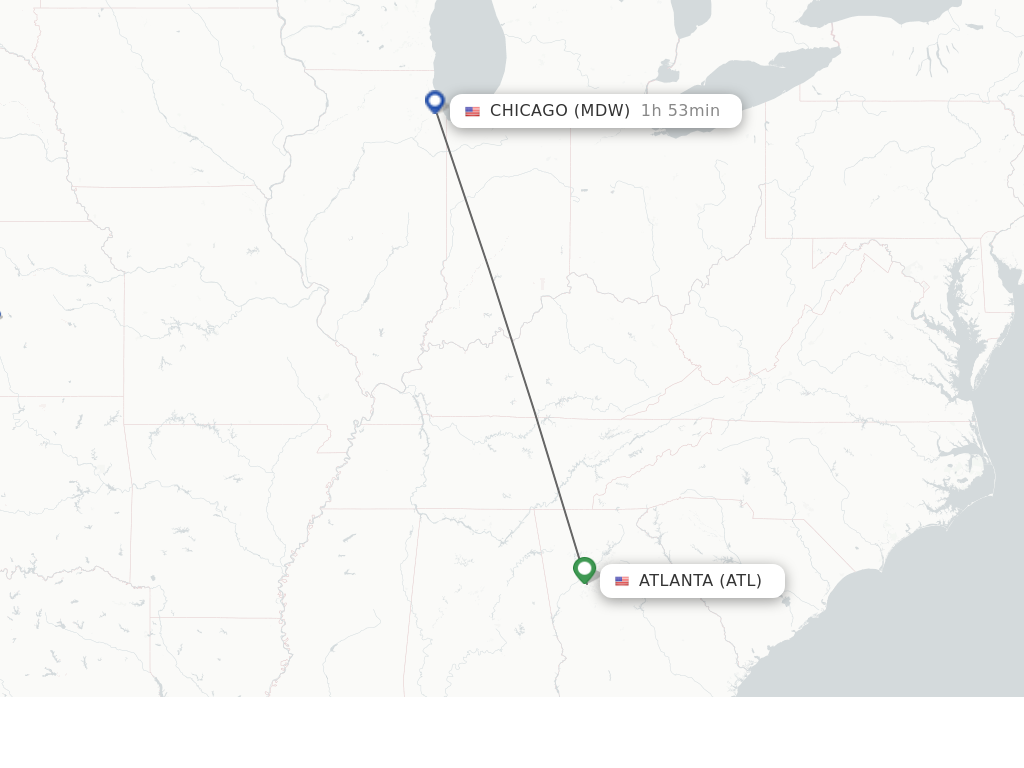
The direct flight from Hartsfield-Jackson Atlanta International Airport (ATL) to Chicago typically ranges from 1 hour 45 minutes to 2 hours 15 minutes. This relatively short duration makes it a popular route for both business travelers seeking efficiency and leisure travelers looking for a quick getaway. The distance covered is approximately 590 miles (950 kilometers) depending on the exact flight path, making it a manageable journey across the Midwest.
Several factors contribute to the exact air travel time. Prevailing winds, particularly jet streams, can either shorten or lengthen the flight. A strong tailwind from the south can propel an aircraft faster towards Chicago, while a headwind can add precious minutes to the journey. Air traffic control congestion, especially around major hubs like ATL and Chicago’s O’Hare International Airport (ORD) or Midway International Airport (MDW), can also lead to delays in takeoff or holding patterns upon arrival, extending the overall airborne time. The specific aircraft model employed by the airline also plays a minor role, with newer, more efficient jets sometimes boasting slightly faster cruising speeds.
The route is well-served by a multitude of reputable carriers. Major airlines such as Delta Air Lines, which has a significant hub in Atlanta, United Airlines, and American Airlines offer frequent daily direct flights. Budget-friendly options like Southwest Airlines, Spirit Airlines, and Frontier Airlines also operate on this corridor, providing competitive pricing and varied schedules. This robust competition ensures that travelers have ample choices to suit their preferences for comfort, price, and departure times.
Beyond the Air: Accounting for Total Travel Time
While the airborne segment is brief, it’s crucial for travelers to factor in the entire journey, which significantly extends beyond the published flight time. A realistic estimation of total travel time provides a more accurate picture and helps in planning activities both before departure and after arrival.
Pre-Flight Logistics
The journey effectively begins long before the aircraft leaves the runway. For domestic flights, it is generally recommended to arrive at Hartsfield-Jackson Atlanta International Airport at least two hours prior to the scheduled departure time. This buffer allows for unforeseen circumstances and ensures a stress-free start to the trip. The first step for many is checking in and dropping off any checked luggage. Even with online check-in, lines at the bag drop can vary.
Next, navigating through airport security checkpoints is often the most time-consuming part of pre-flight procedures. While programs like TSA PreCheck can expedite this process significantly, standard security lines at a major hub like ATL can be extensive, especially during peak travel times. After clearing security, travelers then need to reach their departure gate. Hartsfield-Jackson Atlanta International Airport is one of the world’s busiest airports, featuring multiple concourses connected by an automated people mover. Walking and transit time to the gate can add anywhere from 15 to 45 minutes, depending on the concourse and gate location.
Post-Flight Logistics
Upon landing at either O’Hare International Airport or Midway International Airport in Chicago, the travel process continues. Deplaning can take 10-20 minutes, particularly if seated towards the rear of the aircraft. For those with checked luggage, the wait at baggage claim can range from 20 to 45 minutes, subject to airport efficiency and luggage handling volumes.
The final leg of the journey involves ground transportation from the airport to the traveler’s final destination within Chicago or its suburbs. Both ORD and MDW offer various options. O’Hare is connected to downtown Chicago via the Chicago Transit Authority (CTA) Blue Line ‘L’ train, which takes approximately 45-60 minutes. From Midway, the CTA Orange Line provides a quicker, 20-25 minute ride to downtown. Taxis, rideshare services, and airport shuttles are also readily available, though travel times by road can vary significantly based on traffic conditions in Chicago. Factoring in all these ground transportation elements can add another 30 minutes to over an hour to the total travel time.
Choosing Your Flight: Factors Affecting Duration and Experience
Selecting the right flight involves more than just finding the cheapest ticket. Several strategic considerations can impact the actual time spent traveling and the overall comfort of the experience.
Non-stop vs. Connecting Flights
For the Atlanta to Chicago route, non-stop flights are overwhelmingly the most efficient option. They eliminate the complexities and uncertainties associated with connecting flights, such as potential delays, missed connections, and the hassle of navigating multiple airports. While connecting flights might occasionally be cheaper, especially if booked last minute, the added travel time—often several hours due to layovers and potential transfer delays—rarely justifies the minor cost savings for such a direct and well-served route. The direct flight minimizes time in transit and maximizes time at the destination.
Time of Day and Day of Week
The specific timing of a flight can subtly influence its duration and the overall airport experience. Flights during peak travel hours, typically early mornings, late afternoons, and evenings, tend to encounter more air traffic and ground congestion, potentially leading to slight delays in departure or arrival. Similarly, traveling on peak days like Fridays and Sundays can mean longer security lines and more crowded gates. Mid-day or late-night “red-eye” flights often benefit from reduced airport activity and clearer airspace, potentially resulting in quicker taxi times and fewer airborne holds. Business travelers often prioritize morning flights to maximize their workday, while leisure travelers might opt for later departures.
Aircraft Type and Airline Efficiency
While the impact is less pronounced on short-haul domestic routes, the specific aircraft type can influence comfort and minor speed variations. Modern narrow-body jets like the Boeing 737 and Airbus A320 families, commonly used on this route, are designed for efficient short-to-medium-haul travel. Beyond the aircraft itself, an airline’s operational efficiency and punctuality record are significant considerations. Airlines known for consistent on-time performance can contribute to a smoother, more predictable travel experience. Checking an airline’s past performance for a specific route can provide valuable insight when making a booking decision.
What to Do During Your Short Flight
Given the relatively short duration of the flight from Atlanta to Chicago, it’s important to plan how to make the most of this condensed travel time, whether for productivity or relaxation.
Maximizing Productivity
For business travelers, a two-hour flight offers a valuable window for work. Bringing a fully charged laptop or tablet allows for catching up on emails, reviewing presentations, or working offline on documents. Many airlines now offer in-flight Wi-Fi, which, while sometimes an additional cost, can enable seamless connectivity. Utilizing this time effectively can mean less work to do upon arrival, allowing for a quicker transition into business activities or leisure.
Relaxation and Entertainment
Leisure travelers can use the flight as an opportunity to unwind. Downloading movies, TV shows, podcasts, or music onto a personal device beforehand is highly recommended, especially on budget airlines that may not offer in-flight entertainment systems. A good book or an e-reader can provide a peaceful escape. For those who enjoy the journey itself, a window seat can offer scenic views as the plane travels north, particularly over the varied landscapes of the southeastern and midwestern United States.
Preparing for Arrival
The short flight duration also means there’s limited time to transition from one city mindset to another. Using the last 30-45 minutes of the flight to mentally prepare for arrival can be beneficial. This might involve reviewing your Chicago itinerary, confirming ground transportation plans, or simply organizing your belongings so you’re ready to deplane efficiently. A quick stretch or staying hydrated can also help in feeling refreshed upon landing.
Navigating Atlanta and Chicago: Travel Tips for a Smooth Journey
A seamless flight experience begins and ends with efficient airport navigation. Knowing the ins and outs of both Atlanta’s departure procedures and Chicago’s arrival options is paramount.
Atlanta Departure
Departing from Hartsfield-Jackson Atlanta International Airport (ATL) can be an overwhelming experience for first-time visitors or infrequent flyers due to its sheer size and volume of passengers. To reach the airport, travelers from downtown Atlanta can utilize the efficient MARTA (Metropolitan Atlanta Rapid Transit Authority) train, which has a direct station inside the airport’s domestic terminal. Rideshares, taxis, and personal vehicle parking are also widely available. It’s advisable to check your airline’s specific terminal and concourse well in advance. ATL’s concourses are lettered and spread out, so understanding the layout and allowing ample time to reach the correct gate via the Plane Train is essential, especially if your gate is on one of the farther concourses.
Chicago Arrival
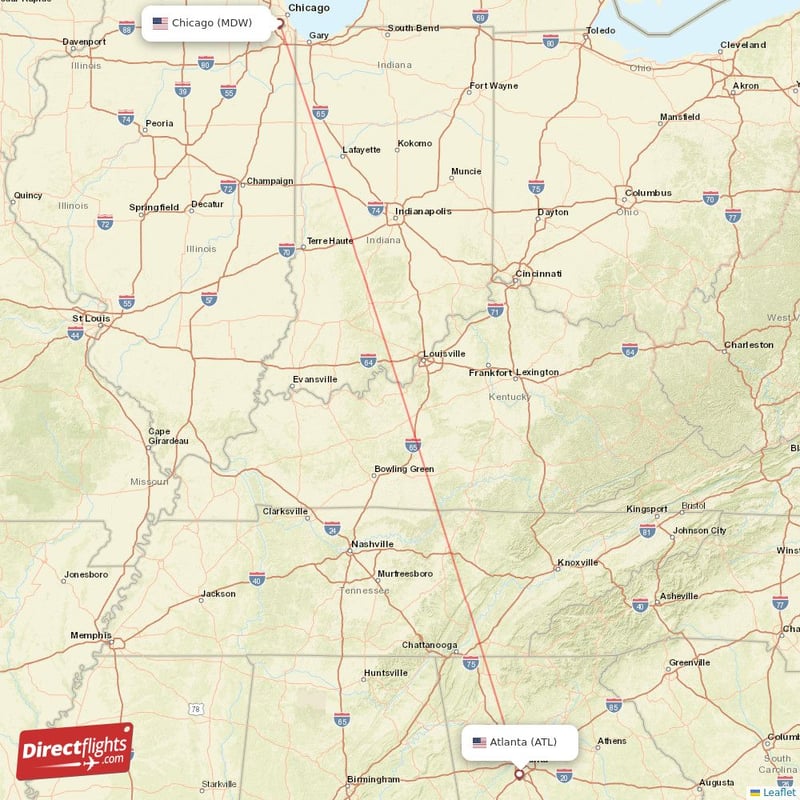
Upon arrival in Chicago, travelers typically land at either O’Hare International Airport (ORD) or Midway International Airport (MDW). O’Hare is the larger of the two, serving a vast network of domestic and international flights, and is located northwest of the city. Midway, on the other hand, is smaller, generally less congested, and located closer to downtown Chicago to the southwest, often favored by budget airlines and travelers whose final destination is on the city’s south or west sides.
Both airports offer excellent public transportation links to downtown Chicago via the Chicago Transit Authority (CTA) ‘L’ train system. From O’Hare, the Blue Line provides direct service to downtown and beyond. From Midway, the Orange Line offers a swift connection. Understanding which airport serves your needs best and familiarizing yourself with Chicago’s public transport network can make your arrival seamless and cost-effective, bypassing potential traffic delays and high taxi fares. Always verify your arrival airport when booking, as this significantly impacts your post-flight transit strategy.
LifeOutOfTheBox is a participant in the Amazon Services LLC Associates Program, an affiliate advertising program designed to provide a means for sites to earn advertising fees by advertising and linking to Amazon.com. Amazon, the Amazon logo, AmazonSupply, and the AmazonSupply logo are trademarks of Amazon.com, Inc. or its affiliates. As an Amazon Associate we earn affiliate commissions from qualifying purchases.