
Planning a tropical escape from the historic charm of Boston, Massachusetts, to the sun-drenched shores of Aruba is an exciting prospect. The allure of white-sand beaches, crystal-clear waters, and vibrant Caribbean culture beckons. A crucial element in orchestrating this dream vacation is understanding the travel time involved. The flight duration from Boston to Aruba is a key piece of information for any traveler aiming to maximize their time in this paradise.
While the exact flight time can vary based on a multitude of factors, understanding the typical range and what influences it will help you plan your itinerary efficiently. This guide delves into the specifics of the flight from Boston to Aruba, touching upon direct versus connecting flights, the impact of different airlines, and how to factor this travel time into your overall vacation planning. Whether you’re seeking a luxurious resort experience, a budget-friendly adventure, or a family-friendly getaway, knowing your travel time is the first step to a seamless journey.
Understanding Flight Durations: Direct vs. Connecting Flights
The most significant factor influencing the length of your flight from Boston to Aruba is whether you opt for a direct flight or one with layovers. This choice directly impacts your total travel time, from wheels up in Boston to wheels down in Aruba.
Direct Flights: The Fastest Route to Paradise
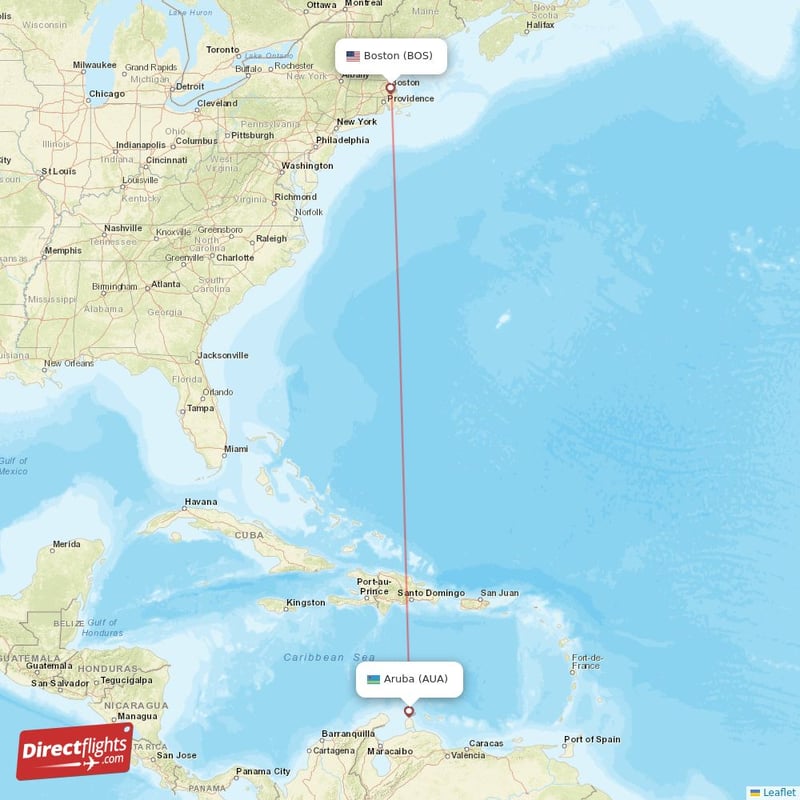
Direct flights offer the most straightforward and time-efficient way to reach Aruba from Boston. These flights depart from Boston Logan International Airport (BOS) and land directly at Aruba Queen Beatrix International Airport (AUA), without any intermediate stops. The appeal of a direct flight is undeniable: less time spent in transit, fewer opportunities for travel disruptions, and more precious vacation time upon arrival.
A direct flight from Boston to Aruba typically spans approximately 4 to 4.5 hours. This is the air time between the two cities. Factors such as wind speed, air traffic, and the specific flight path chosen by the airline can cause slight variations. However, you can generally expect to be airborne for this duration. When considering the total travel time, it’s important to add the time spent at the airport before departure (check-in, security, boarding) and the time required to deplane and clear customs and immigration upon arrival in Aruba. Even with these additions, a direct flight remains the quickest option.
Airlines like JetBlue have historically offered direct services between Boston and Aruba, making this route a convenient choice for many travelers. It’s always advisable to check with specific airlines for their current flight schedules and availability, as routes and frequencies can change seasonally.
Connecting Flights: Flexibility and Potential Cost Savings
While direct flights are the fastest, they may not always be the most convenient or budget-friendly option. Connecting flights, which involve one or more layovers in another city, are a common alternative. These flights can offer greater flexibility in terms of departure times and days, and sometimes come with a lower price tag, making them attractive for budget travel or for those who don’t mind a longer journey in exchange for potential savings.
The duration of a connecting flight from Boston to Aruba can vary significantly. The actual flight time between the two cities will be similar to a direct flight, but the layover time at the connecting airport can add several hours, or even an entire day, to your trip. A typical connecting flight could range anywhere from 7 to 12 hours in total travel time, and in some cases, even longer, depending on the length of the layover.
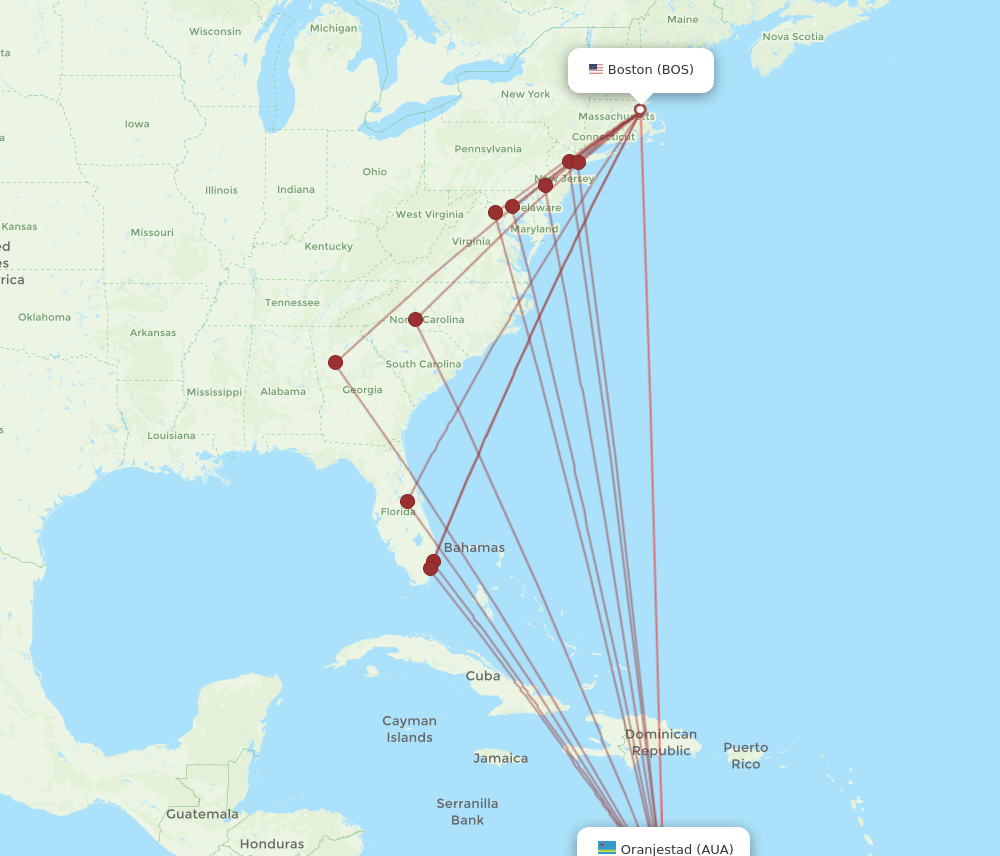
Common connecting hubs for flights from Boston to Aruba might include cities like Miami, Charlotte, Atlanta, or even New York. The length of the layover is the primary determinant of the total travel time. Some connections might have a brief 1-2 hour layover, while others might involve a longer wait of 4-6 hours or more, allowing for a brief exploration of the connecting city if time permits.
When booking a connecting flight, it’s crucial to carefully examine the itinerary provided by the airline. Pay close attention to the layover duration, the arrival and departure airports in the connecting city (especially if it’s a large city with multiple airports), and the gate change procedures. Airlines typically design itineraries with enough time for passengers to make their connections, but it’s always wise to allow a buffer, especially if you are traveling with checked luggage or have mobility concerns. The trade-off for a longer journey with a connecting flight is often the opportunity to secure more affordable airfare, which can then be reallocated to enhance your hotel stay, experiences, or culinary adventures in Aruba.
Factors Influencing Flight Times
Beyond the direct versus connecting flight distinction, several other variables can subtly influence the overall time spent traveling from Boston to Aruba. Understanding these factors can help you set realistic expectations for your journey.
Airline Choice and Aircraft Type

Different airlines may operate slightly different flight paths or have varying operational efficiencies. While the fundamental physics of air travel remain constant, the specific routing and cruising speeds employed by an airline can contribute to minor differences in flight duration. For example, some airlines might prioritize fuel efficiency over speed, while others might opt for a slightly more direct route if weather conditions permit.
The type of aircraft used can also play a role. Larger aircraft, while capable of carrying more passengers, might have different cruising speeds or require more time for boarding and deplaning. However, for a relatively short intercontinental flight like Boston to Aruba, the impact of the aircraft type on the flight time is generally less significant than other factors. It’s more about the airline’s overall network strategy and operational procedures. For instance, a flight operated by JetBlue might have a slightly different timing profile compared to one operated by American Airlines or Delta, even if both are direct flights.
Weather Conditions and Air Traffic Control
The ever-changing nature of weather is a primary external factor that can affect flight times. Strong headwinds can slow down an aircraft, increasing the flight duration, while tailwinds can expedite the journey. Turbulent weather can also lead to rerouting, which might add time to the flight. Both departing from Boston and arriving in Aruba, as well as any en route weather systems, can impact the flight schedule. Airlines constantly monitor weather forecasts and air traffic control (ATC) advisories to ensure the safest and most efficient routes.
Air traffic control also plays a significant role. During peak travel times or in congested airspace, aircraft may be required to fly at slightly lower altitudes or follow specific holding patterns, which can extend flight times. Conversely, efficient air traffic management can help minimize delays. While these factors are largely out of the traveler’s control, airlines factor in a degree of buffer time to account for potential weather and ATC-related delays.
Time of Day and Day of the Week
While not directly impacting the airborne duration, the time of day and day of the week you choose to fly can influence the overall travel experience and perceived time. Flights departing Boston during peak commuting hours or on Fridays and Sundays might encounter more congestion at the airport, leading to longer check-in and security times. Similarly, arriving in Aruba during busy periods could mean longer queues for immigration and customs.
Choosing a flight during off-peak hours, such as early morning or late evening, can sometimes lead to a smoother airport experience. If you’re on a connecting flight, the layover during the “off-hours” might feel longer. However, if your goal is to maximize your first day in Aruba or your last day before departing Boston, timing your flight strategically can be beneficial for your overall lifestyle and enjoyment of your trip.
Maximizing Your Aruba Experience: Beyond the Flight
Once you’ve arrived in Aruba, the real adventure begins! The flight duration, while important for planning, is just the prelude to the incredible experiences and attractions this Caribbean gem has to offer. To make the most of your vacation, consider how your travel time integrates with your plans on the island.
Planning Your Arrival and Departure
Understanding the flight time allows you to plan your arrival and departure days effectively. If you have a morning flight from Boston, you can look forward to arriving in Aruba in the afternoon, giving you ample time to check into your hotel or resort, perhaps take a refreshing dip in the pool or the ocean, and enjoy a leisurely dinner. This allows for a gentle introduction to your tropical holiday.
Conversely, if you have an evening flight from Aruba back to Boston, you can often maximize your last day on the island. You might be able to enjoy a final swim, a last delicious meal, or do some last-minute souvenir shopping before heading to the airport. This flexibility is particularly valuable for those who want to soak up every last moment of their Aruba getaway.
Choosing Accommodation and Activities
The length of your flight can influence your accommodation choices and activity planning. If you opt for a longer connecting flight, you might prefer to book accommodation that is closer to the airport upon arrival or departure to minimize stress. However, for most travelers, the flight to Aruba is a reasonable duration that allows for a direct transfer to their chosen hotel, villa, or apartment in popular areas like Palm Beach or Eagle Beach.
For instance, if you’re on a luxury travel itinerary, you might book a suite at a renowned resort such as the Ritz-Carlton, Aruba, and want to hit the ground running upon arrival. Knowing the flight time helps you coordinate airport transfers and perhaps even pre-book a spa treatment or a dinner reservation for your first evening. Similarly, for family trips, a shorter, direct flight means less travel time for children, allowing them to settle in and start enjoying the family-friendly amenities and attractions sooner.
Aruba offers a diverse range of activities, from exploring historical landmarks like the California Lighthouse to immersing yourself in the vibrant local culture through its delicious food and lively music scene. Whether you’re interested in water sports, exploring national parks like Arikok National Park, or simply relaxing on the beach, factoring in your flight duration ensures you don’t feel rushed and have ample time to truly experience the magic of “One Happy Island.” The journey to Aruba is an integral part of the overall travel experience, and with careful planning, it can be a smooth and exciting transition into a memorable vacation.
LifeOutOfTheBox is a participant in the Amazon Services LLC Associates Program, an affiliate advertising program designed to provide a means for sites to earn advertising fees by advertising and linking to Amazon.com. Amazon, the Amazon logo, AmazonSupply, and the AmazonSupply logo are trademarks of Amazon.com, Inc. or its affiliates. As an Amazon Associate we earn affiliate commissions from qualifying purchases.