
The journey between the historical charm of Boston, Massachusetts, and the vibrant music scene of Nashville, Tennessee, is a popular route for both business travelers and leisure seekers. Understanding the flight duration is crucial for efficient trip planning, setting expectations, and maximizing your time in either city. While the airborne time is relatively straightforward, the comprehensive travel experience extends far beyond wheels up to wheels down.
Direct Flight Duration: What to Expect in the Air
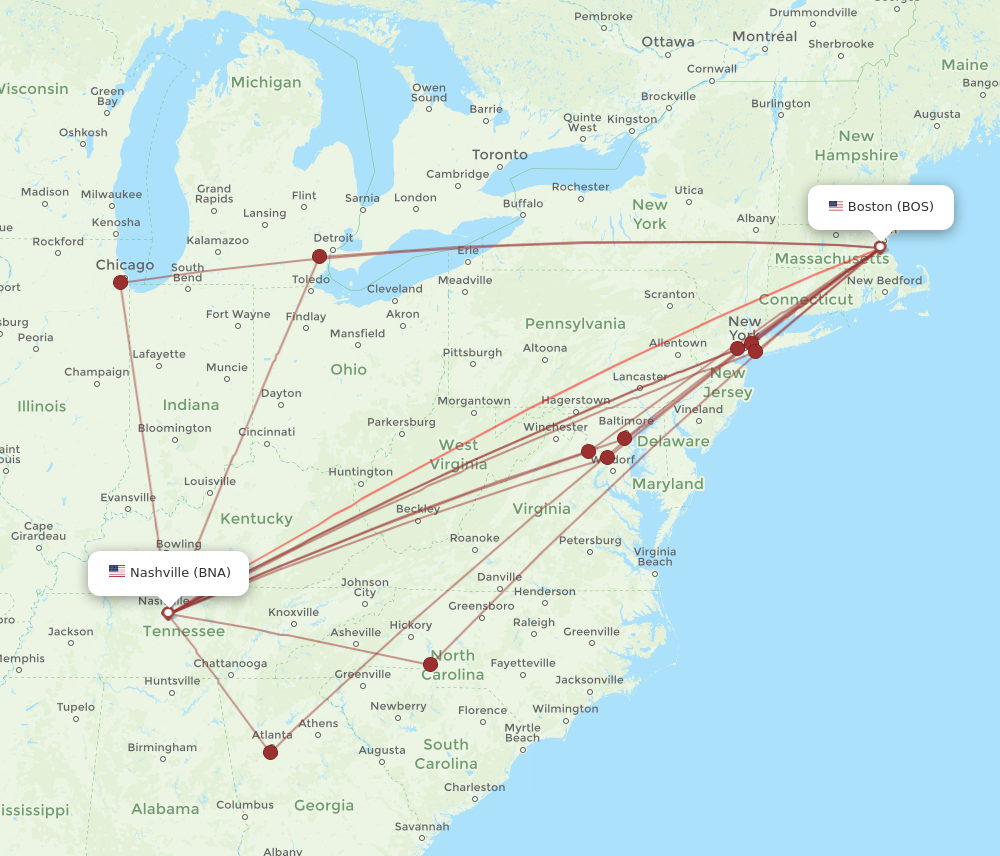
A direct, non-stop flight from Boston Logan International Airport (BOS) to Nashville International Airport (BNA) typically clocks in at approximately 2 hours and 30 minutes to 3 hours. This duration represents the actual time the aircraft spends in the air, traversing the roughly 930-mile distance between the two cities.

However, several factors can influence the exact airborne time:
Airline and Aircraft Type
Different airlines utilize varying flight paths and aircraft models, which can subtly impact the flight time. Newer, more fuel-efficient planes might take slightly different routes or maintain higher cruising speeds, potentially shaving a few minutes off the journey. Popular airlines servicing this route include Southwest Airlines, American Airlines, Delta Air Lines, JetBlue, and Spirit Airlines, each with their own operational nuances.
Wind Speed and Direction
Jet streams play a significant role in long-distance air travel. Flights heading west (from Boston to Nashville) often contend with headwinds, which can slightly extend the flight time. Conversely, flights heading east benefit from tailwinds, potentially shortening the duration. These atmospheric conditions are dynamic and can fluctuate daily.
Air Traffic Control and Route Optimization
Air traffic controllers manage thousands of flights daily, ensuring safety and efficiency. Depending on air traffic volume and specific flight corridor assignments, a plane might take a slightly longer or more direct route. Airlines constantly optimize their flight plans based on real-time data to minimize fuel consumption and flight time, within the constraints of air traffic management.
Weather Conditions
While not typically adding significant time to the in-air portion of a direct flight between these two cities, severe weather at either departure or arrival airport can cause delays on the ground, affecting the overall travel experience, even if the flight itself is efficient.
Beyond the Airborne Time: The Full Travel Experience
While the core flight duration offers a snapshot, a truly comprehensive understanding of travel time requires accounting for all stages of the airport experience. The actual door-to-door journey will always be considerably longer than the reported flight time.
Pre-Flight Essentials
The process begins long before boarding. Travelers are generally advised to arrive at the airport at least 2 hours before a domestic flight’s scheduled departure, though many opt for 2.5 to 3 hours during peak travel times or if checking baggage. This buffer allows for:
- Check-in: Whether you check-in online or at the airport counter, dropping off luggage and confirming your details takes time.
- Security Screening: Navigating through TSA checkpoints can be unpredictable. While services like TSA PreCheck or Clear can expedite this process, waits can still occur.
- Gate Transit: Depending on the airport and your gate assignment, walking or taking shuttles to your specific departure gate can add significant time, especially at large hubs like BOS.
- Boarding: Airlines typically begin the boarding process 30-45 minutes before the scheduled departure time.
Factoring in these pre-flight activities, you’re looking at an additional 2 to 3 hours before your plane even pushes back from the gate.
Post-Flight Logistics
Upon arrival at Nashville International Airport, the journey isn’t over. Travelers must account for:
- Deplaning: The time it takes to exit the aircraft, especially if you’re seated towards the rear.
- Baggage Claim: If you checked luggage, waiting for bags at the carousel can add 15-30 minutes, sometimes more.
- Ground Transportation: Securing a taxi, rideshare, rental car, or navigating public transport to your final destination in Nashville (e.g., Downtown Nashville, Music Row) will add further time. Depending on traffic and distance, this could range from 20 minutes to over an hour.

Considering both pre-flight and post-flight stages, a direct flight from Boston to Nashville can easily translate into a 5.5 to 7-hour door-to-door travel day.
Time Zone Considerations
It’s also important to note the time zone difference. Boston operates on Eastern Time (ET), while Nashville is in the Central Time (CT) zone. Nashville is one hour behind Boston. This means that a flight departing Boston at 9:00 AM ET and landing 2 hours and 45 minutes later would arrive in Nashville at 11:45 AM CT. While the actual travel time is 2 hours and 45 minutes, it can feel shorter due to effectively “gaining” an hour upon arrival.
Non-Stop vs. Connecting Flights: Impact on Total Travel Time
While the query specifically asks about “flight from,” many travelers consider connecting flights due to factors like cost or availability. The choice between a non-stop and a connecting flight significantly impacts the overall travel duration.
Advantages of Non-Stop Flights
The primary benefit of a non-stop flight is its efficiency. It minimizes total travel time, reduces the chances of misconnecting, and simplifies the journey by eliminating the need to deplane, navigate another airport, and re-board. For the Boston to Nashville route, non-stop options are widely available, making them the preferred choice for many.
When Connecting Flights Come into Play
Despite the efficiency of non-stop options, connecting flights are sometimes chosen or necessary. They might offer:
- Cost Savings: Flights with layovers are often cheaper than direct routes, especially when booking close to the departure date or during peak seasons.
- Schedule Flexibility: Connecting flights might offer more departure times, allowing travelers to better align their travel with their personal schedules.
- Access to Specific Airlines: Some travelers have loyalty to particular airlines that may not offer direct service on this specific route, necessitating a connection through their main hubs, such as Atlanta Hartsfield-Jackson International Airport for Delta, or Charlotte Douglas International Airport for American.
The True Cost of a Layover
Connecting flights invariably extend the total travel time. A typical connecting flight will add anywhere from 3 to 6 hours or more to your journey, depending on the length of the layover and the number of stops. This includes:
- Deplaning and Re-boarding Time: Even short layovers involve disembarking, walking to the next gate, and the boarding process for the subsequent flight.
- Layover Duration: This is the most significant time addition. Layovers can range from a quick 45-minute sprint between gates to several hours, or even overnight stays in some cases.
- Potential Delays: With an additional flight segment, there’s an increased chance of encountering delays due to weather, air traffic, or mechanical issues, which can cascade and impact subsequent flights.
When booking a connecting flight, it’s crucial to consider the full duration, including layovers, to accurately gauge your arrival time and plan your itinerary effectively. Flight aggregators and airline websites typically provide the total travel time, including layovers, giving a realistic expectation.
Maximizing Travel Efficiency: Tips for Your Boston-Nashville Journey
Understanding flight duration is just the first step. Implementing smart travel strategies can further enhance your journey from Boston to Nashville, making it as smooth and quick as possible.
Optimize Your Flight Selection
- Early Morning Departures: Often, the first flights of the day experience fewer delays, as they are less susceptible to ripple effects from earlier disruptions.
- Mid-Week Travel: Tuesdays, Wednesdays, and sometimes Saturdays can offer cheaper fares and less crowded airports compared to peak travel days like Fridays and Sundays.
- Consider Off-Peak Seasons: While the route is popular year-round, traveling outside of major holidays or summer breaks can result in a more relaxed airport experience and potentially shorter security lines.
Streamline Your Airport Experience
- Online Check-in: Most airlines allow online check-in 24 hours prior to departure. This saves time at the airport and is essential if you’re only bringing a carry-on.
- TSA PreCheck or Clear: If you travel frequently, investing in a trusted traveler program can significantly reduce the time spent in security lines, making your pre-flight experience much more predictable.
- Carry-On Only: Whenever possible, travel with only a carry-on bag. This eliminates the need to check luggage and wait at baggage claim upon arrival, saving valuable time on both ends of your journey.
- Pre-Book Ground Transportation: Arrange your taxi, rideshare, or rental car in advance, especially if arriving during peak hours. Knowing your transportation is secured can reduce stress and wait times at Nashville International Airport.
Stay Informed
- Airline Apps: Download your airline’s app. These apps provide real-time updates on flight status, gate changes, and potential delays, allowing you to react quickly to any changes.
- Weather Alerts: Check weather forecasts for both Boston and Nashville leading up to your travel date, as severe weather can impact flight schedules.
Why Travel from Boston to Nashville?
The allure of Nashville is undeniable. Known globally as Music City, it offers an eclectic blend of country music history, live performances, a burgeoning culinary scene, and a welcoming Southern charm. From catching a show at the Ryman Auditorium or Grand Ole Opry to exploring the vibrant nightlife on Broadway, Nashville promises a unique and memorable experience. Understanding the flight duration and total travel time from Boston allows travelers to effectively plan their itineraries, ensuring they maximize their time enjoying all that this dynamic city has to offer, rather than being bogged down by unexpected travel logistics.
LifeOutOfTheBox is a participant in the Amazon Services LLC Associates Program, an affiliate advertising program designed to provide a means for sites to earn advertising fees by advertising and linking to Amazon.com. Amazon, the Amazon logo, AmazonSupply, and the AmazonSupply logo are trademarks of Amazon.com, Inc. or its affiliates. As an Amazon Associate we earn affiliate commissions from qualifying purchases.