
The allure of Florida – its sun-drenched beaches, vibrant theme parks, and warm, inviting climate – draws millions of visitors annually from across the United States. For those embarking on a journey from the bustling metropolis of Chicago, understanding the flight duration is a crucial element in planning their vacation or business trip. While a direct flight offers the most straightforward answer, several factors can influence the total travel time, making it a nuanced consideration rather than a simple clock ticking. This guide delves into the typical flight lengths, the variables that affect them, and what travelers can expect when flying from Chicago to the Sunshine State.
Understanding Direct Flight Durations
The most common and desirable option for travelers is a direct flight. These flights depart from one Chicago area airport, such as O’Hare International Airport (ORD) or Midway International Airport (MDW), and arrive at a designated Florida airport without any intermediate stops.
Typical Flight Times
For direct flights, the average airborne time from Chicago to most major Florida destinations falls within a predictable range.
- To Central Florida (e.g., Orlando, Tampa): Flights to Orlando International Airport (MCO) or Tampa International Airport (TPA) typically last between 2 hours and 45 minutes to 3 hours and 15 minutes. This is largely due to the relatively direct path these flights take, heading southeast across several states.
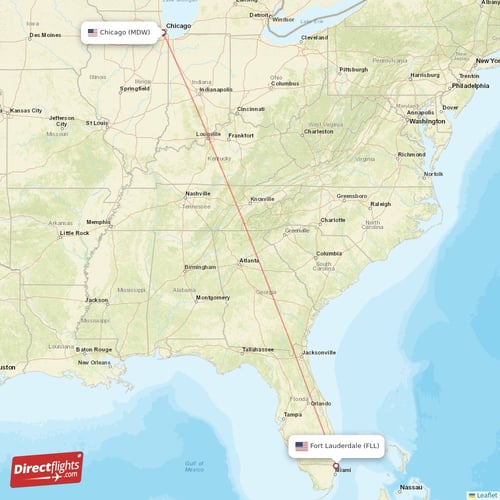
- To South Florida (e.g., Miami, Fort Lauderdale): Journeys to Miami International Airport (MIA) or Fort Lauderdale-Hollywood International Airport (FLL) tend to be slightly longer, averaging around 3 hours to 3 hours and 30 minutes. This is due to the additional distance required to cover the southern expanse of the state.
- To Northwest Florida (e.g., Pensacola, Destin): Flights heading towards the panhandle, such as to Pensacola International Airport (PNS), can vary. While geographically closer in some respects, the flight paths might involve a more northerly arc initially, resulting in durations similar to central Florida, often in the 2 hours and 45 minutes to 3 hours and 15 minutes range.
It’s important to note that these times are estimates for the actual flight duration. The total travel time will always be longer when factoring in getting to the airport, check-in, security, boarding, and deplaning.
Airlines Offering Direct Service
Airlines such as American Airlines, United Airlines, Southwest Airlines, and Spirit Airlines are frequent providers of direct flights from Chicago to various Florida cities. The specific airline can sometimes influence the aircraft type and, consequently, minor variations in flight speed.
Factors Influencing Flight Duration
While direct flight times provide a baseline, several dynamic factors can cause these durations to fluctuate. Understanding these elements can help travelers set realistic expectations and better plan their itineraries.
Weather Conditions
Weather is arguably the most significant variable impacting flight times.
- Tailwinds and Headwinds: Favorable tailwinds can significantly reduce flight duration by pushing the aircraft forward, while headwinds can increase it by resisting the plane’s movement. These winds are most prevalent at higher altitudes and are a primary reason why flights in opposite directions between the same two cities can have different durations.
- Severe Weather: Thunderstorms, particularly during the Florida summer months, can necessitate rerouting to avoid turbulent areas. This can add considerable time to the flight. Similarly, severe weather in Chicago or along the flight path can lead to delays on the ground or in the air.
- Visibility: Low visibility due to fog or heavy rain at the destination airport can lead to holding patterns or slower approaches, increasing overall travel time.
Air Traffic Control and Flight Paths
The efficiency of air traffic control (ATC) plays a crucial role in how quickly aircraft can move through the skies.
- Congestion: Major airways, especially those leading into and out of busy airports like those in Chicago and Florida, can experience significant congestion. ATC manages this by assigning specific flight paths and altitudes to maintain safe separation between aircraft. Sometimes, these assigned paths might not be the most direct route.
- Preferred Routes: Airlines often have preferred routes that balance efficiency with operational considerations. ATC may direct aircraft along these routes or deviate from them based on real-time conditions.
- Time of Day: Flights during peak travel times, such as early mornings or late afternoons, might experience more holding patterns or slower progress due to higher volumes of air traffic.
Aircraft Type and Speed
The specific model of aircraft used for the flight can also contribute to slight variations in duration.
- Speed Capabilities: Different aircraft types have varying cruising speeds. Larger jets, for instance, might have different optimal cruising speeds compared to smaller regional aircraft.
- Fuel Efficiency: While less impactful on direct flight times, some aircraft are optimized for fuel efficiency, which can indirectly influence their cruising speed and, consequently, flight duration.
Airport Operations
The efficiency of operations at both the departure and arrival airports can influence the total travel experience.
- Gate Availability: Delays in deplaning or waiting for a gate to become available upon arrival can add to the overall time spent from touchdown to exiting the terminal.
- Ground Traffic: Congested taxiways at busy airports can lead to delays in takeoff or during the taxi to the gate after landing.
Planning Your Trip: Beyond the Airborne Time
When contemplating the length of a flight from Chicago to Florida, it is vital to consider the entire travel experience, not just the time spent in the air.
Pre-Flight Preparations
The journey begins long before boarding.
- Travel to the Airport: Depending on your location in Chicago and your chosen airport (O’Hare or Midway), travel time can range from 30 minutes to over an hour, especially during peak traffic.
- Airport Procedures: Arriving at least two hours before a domestic flight is standard advice. This allows ample time for parking or transportation drop-off, check-in (if not done online), baggage check, and navigating security checkpoints. Long lines at security are a common occurrence, particularly during busy travel seasons.
- Boarding and Deplaning: Boarding typically begins 30-45 minutes before departure, and passengers are expected to be at the gate. Once the flight lands, it can take another 10-20 minutes for the aircraft to taxi to the gate and for passengers to disembark.
Flights with Layovers
While direct flights are preferred for their speed and convenience, flights with layovers are often a more economical choice. However, they significantly increase total travel time.
- Duration of Layovers: A layover can range from a short 45-minute connection to several hours. This time is spent at a connecting airport, potentially involving deplaning, navigating the new terminal, and re-boarding.
- Additional Flights: The number of legs in the journey doubles or triples, with each flight having its own duration and associated airport procedures.
- Total Travel Time: A flight with one or more layovers from Chicago to Florida can easily stretch the total travel time to 6, 8, or even 10+ hours, depending on the layover duration and location. Popular connecting cities might include places like Atlanta, Charlotte, or Dallas.
Maximizing Your Travel Experience
Understanding flight durations is the first step; optimizing your travel experience is the next.
Choosing the Right Airport and Time
- Chicago: While O’Hare is a major hub with more flight options, Midway can sometimes offer a more streamlined experience for certain routes and is generally closer to downtown Chicago.
- Florida: The choice of Florida airport depends entirely on your final destination. Flying into Miami is ideal for South Beach or the Everglades, while Orlando is the gateway to the theme parks.
- Flight Times: Early morning flights often face less air traffic congestion, potentially leading to slightly shorter flight times and smoother departures.

Packing and Preparation
- Carry-on Luggage: Minimizing checked baggage can save time at both departure and arrival airports.
- Digital Resources: Utilize airline apps for real-time flight status updates and airport navigation.
- Comfort: Comfortable clothing and entertainment options are essential, especially for longer flights or those with potential delays.
In conclusion, while a direct flight from Chicago to Florida typically ranges from approximately 2 hours and 45 minutes to 3 hours and 30 minutes, the total travel time is a composite of many factors. By considering weather, air traffic, aircraft type, and the essential pre- and post-flight airport procedures, travelers can better anticipate their journey and make informed decisions to ensure a smooth and enjoyable trip to the diverse attractions of Florida.
LifeOutOfTheBox is a participant in the Amazon Services LLC Associates Program, an affiliate advertising program designed to provide a means for sites to earn advertising fees by advertising and linking to Amazon.com. Amazon, the Amazon logo, AmazonSupply, and the AmazonSupply logo are trademarks of Amazon.com, Inc. or its affiliates. As an Amazon Associate we earn affiliate commissions from qualifying purchases.