
Embarking on a journey from the bustling metropolis of Chicago to the sunny, theme-park-filled paradise of Orlando is a popular route for both leisure and business travelers. Whether you’re planning a family vacation to magical resorts or a quick getaway to enjoy Florida’s warmth, understanding the duration of your flight is crucial for meticulous planning and a smooth travel experience. This comprehensive guide will delve into the specifics of flight times, the factors that influence them, and essential tips for navigating this vibrant air corridor.
The Direct Answer: Flight Duration Explained
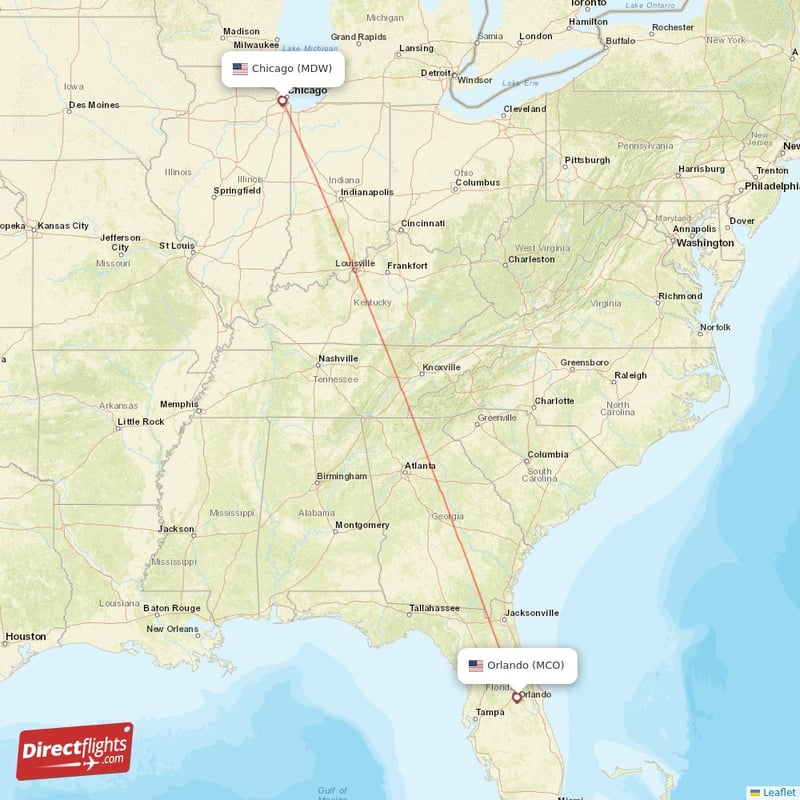
The question “How long is a flight from Chicago to Orlando?” has a straightforward answer for non-stop flights, but it can vary significantly depending on several operational and environmental factors. Generally, a direct flight covers the approximate 1,000-mile (1,600 km) distance in a comfortable timeframe, making it an accessible journey.
Non-stop vs. Connecting Flights
The most significant determinant of total travel time is whether you opt for a non-stop or a connecting flight.
- Non-stop flights are precisely what they sound like: you depart from your origin airport and land directly at your destination without any intermediate stops. This is overwhelmingly the quickest and most convenient option for this route.
- Connecting flights, on the other hand, involve one or more layovers at an intermediate airport. While they can sometimes be more economical, they considerably extend your total travel time due, not just to the flight segments themselves, but also to the waiting time between flights, which can range from a brief hour to several hours. For instance, a flight with a layover in Atlanta or Charlotte might add anywhere from 3 to 6+ hours to your journey, including ground time.
Average Non-stop Flight Times
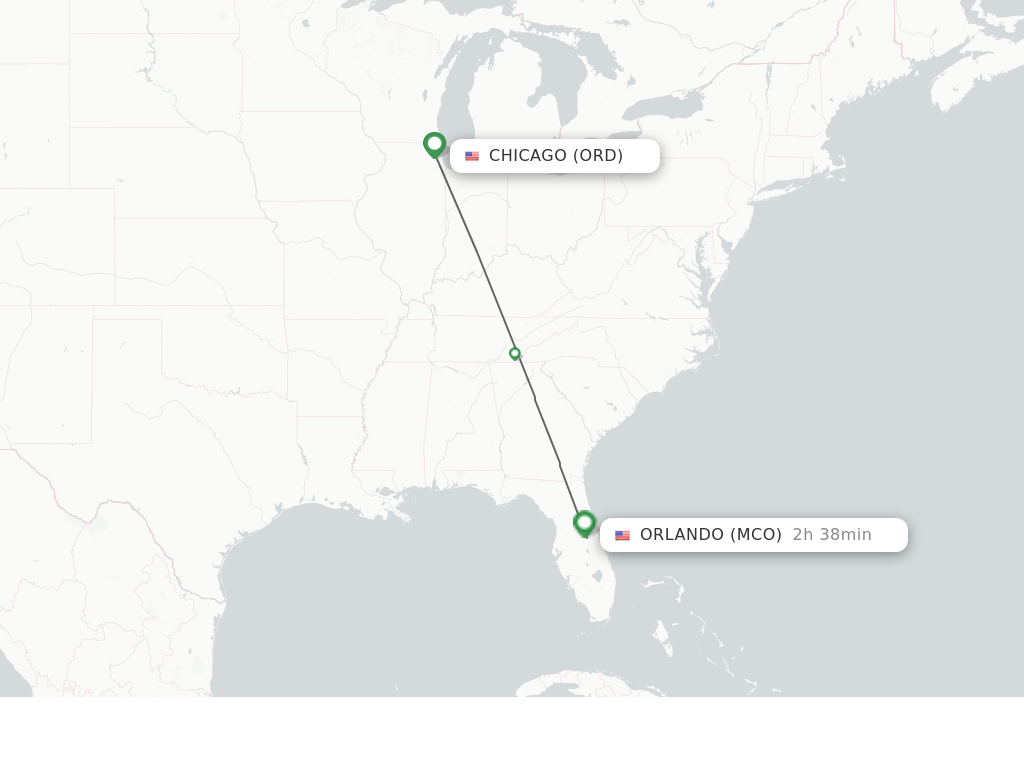
For a direct flight from Chicago to Orlando, you can typically expect the flight duration to be in the range of 2 hours and 20 minutes to 2 hours and 50 minutes. This duration accounts for the standard cruising speed of commercial aircraft and the direct flight path. While individual flights might deviate slightly due to specific conditions, this window provides a reliable estimate for scheduling purposes. It’s important to note that the time stated on your ticket typically refers to “block time,” which includes taxiing to and from the runway, not just airborne time.
Key Airports
Your journey will involve specific airports in both cities, each with its own characteristics and impact on your overall travel experience:
- In Chicago: Travelers primarily depart from O’Hare International Airport (ORD), one of the world’s busiest airports, or the slightly smaller, closer-to-downtown Midway International Airport (MDW). Both offer numerous daily direct flights to Orlando.
- In Orlando: All flights from Chicago arrive at Orlando International Airport (MCO), the primary airport serving the region’s vast tourism industry. MCO is well-equipped to handle high volumes of passengers and offers a wide array of ground transportation options.
Factors Influencing Flight Length
While the average flight time provides a good baseline, several factors can cause slight variations in the actual duration of your flight from Chicago to Orlando. Understanding these elements can help set realistic expectations and prepare for potential adjustments.
Aircraft Type and Speed
The type of aircraft used for your flight plays a role in how quickly you reach your destination. Newer, more efficient aircraft often have faster cruising speeds or more optimized performance characteristics that can slightly reduce flight times. Airlines typically deploy modern narrow-body jets like the Boeing 737 or Airbus A320 family for this popular domestic route, which are designed for efficient medium-haul travel. While the difference might only be a matter of a few minutes, it is a contributing factor.
Air Traffic Control and Route Optimization
Air Traffic Control (ATC) plays a critical role in managing the flow of aircraft in the skies. Depending on traffic congestion, especially around busy hubs like Chicago and Orlando, controllers might direct flights along slightly altered routes to maintain safe separation. While airlines strive for the most direct path, deviations are common. Similarly, modern navigation systems and flight planning software help optimize routes for fuel efficiency and speed, but ATC directives always take precedence for safety.
Weather Conditions
Weather is an unpredictable yet significant factor.
- Tailwinds and Headwinds: Strong winds aloft can either significantly shorten or lengthen a flight. A strong tailwind (wind blowing from behind the aircraft) can propel the plane faster, potentially cutting minutes off the journey. Conversely, a strong headwind (wind blowing against the aircraft’s direction of travel) forces the plane to work harder and can add time.
- Storms and Turbulence: Severe weather systems, whether along the flight path or at the departure/arrival airports, can necessitate detours, holding patterns, or even ground delays. While pilots and ATC always prioritize passenger safety, avoiding turbulent areas or storm cells naturally adds distance and time to the flight.
Airline Efficiency and Schedules
Airlines build buffer time into their schedules to account for minor delays, ensuring a better on-time performance record. This means the scheduled flight time might be slightly longer than the actual airborne time on a perfectly smooth day. Factors like efficient ground operations, quick aircraft turnaround times, and adherence to departure slots all contribute to the overall punctuality and can indirectly affect how long passengers perceive the journey to be.
Navigating Your Journey: From Departure to Arrival
Beyond the actual time spent in the air, the entire travel process encompasses several stages, each requiring foresight and preparation to ensure a stress-free experience.
Pre-Flight Considerations
Your journey begins long before you board the plane.
- Airport Arrival Time: Given the high volume of travelers, especially at O’Hare or Midway, it’s highly recommended to arrive at the airport at least two hours before a domestic flight. This allows ample time for check-in, baggage drop-off, and navigating security checkpoints, which can sometimes be unpredictable.
- Security Procedures: Be prepared for TSA security. Have your ID and boarding pass ready, and follow all guidelines regarding liquids, electronics, and personal items to expedite the process. Enrolling in programs like TSA PreCheck or Clear can significantly reduce wait times.
- Boarding: Pay attention to boarding announcements. Airlines typically board by zones or groups. Being at the gate on time ensures you don’t miss your flight and allows you to settle in comfortably.
In-Flight Experience
Once airborne, the experience varies by airline and aircraft, but generally, a 2.5-hour flight is manageable.
- Amenities: Most major airlines offer Wi-Fi (often for a fee), in-flight entertainment via seat-back screens or personal devices, and complimentary non-alcoholic beverages. Snacks might be available for purchase or complimentary on some carriers.
- Comfort: For a relatively short flight, comfort is usually not a major concern, but choosing an aisle or window seat based on your preference can enhance the experience. Consider bringing a neck pillow, headphones, and a good book or downloaded entertainment.
- Potential Delays: While airlines strive for punctuality, unforeseen circumstances like mechanical issues, weather at the destination, or air traffic control restrictions can cause delays. Staying informed via airline apps or airport monitors is always advisable.
Arrival and Ground Transportation in Orlando
Landing at Orlando International Airport (MCO) marks the next phase of your journey. MCO is a large, well-organized airport with excellent facilities.
- Baggage Claim: If you checked bags, follow signs to baggage claim, which is typically well-marked.
- Ground Transportation: Orlando offers numerous options for getting from the airport to your hotel or desired destination:
- Rental Cars: Most major car rental agencies operate at MCO, with convenient shuttle services to their off-site lots. Given Orlando’s spread-out attractions, a rental car is a popular choice for flexibility.
- Shuttles and Buses: Various shared-ride shuttles and private transfer services can take you directly to major hotels and resorts. Some resorts also offer their own dedicated transportation.
- Rideshares and Taxis: Uber and Lyft operate actively at MCO, with designated pick-up zones. Taxis are also readily available.
Choosing Your Flight: Airlines and Booking Tips
Selecting the right flight involves balancing cost, convenience, and comfort. Fortunately, the Chicago-Orlando route is well-served by numerous carriers.
Major Airlines Serving the Route
Several prominent airlines offer direct flights between Chicago and Orlando, providing travelers with ample choices:
- United Airlines: Often flying out of O’Hare.
- American Airlines: Also a major presence at O’Hare.
- Southwest Airlines: A popular choice for its flexible policies and flights from both O’Hare and Midway.
- Delta Air Lines: Offers flights from O’Hare.
- Spirit Airlines and Frontier Airlines: Budget carriers that often have competitive fares, typically operating from both Chicago airports.
Checking multiple airline websites or using online travel agencies (OTAs) can help you compare prices and schedules efficiently.
Best Time to Book
Timing your booking can significantly impact the fare you pay.
- Advance Booking: Generally, booking 1 to 3 months in advance for domestic flights offers the best balance of availability and price. For peak travel seasons (e.g., holidays, school breaks), extend this to 3-6 months.
- Flexibility: If your travel dates are flexible, consider flying on weekdays (Tuesday, Wednesday, Saturday) as these days typically see lower demand and prices compared to Fridays and Sundays.
- Alerts: Set up fare alerts with various travel sites; you’ll be notified when prices for your desired route drop.
Optimizing for Comfort and Cost
- Direct vs. Connecting: While direct flights are faster, connecting flights can sometimes be substantially cheaper. Weigh the savings against the added travel time and potential for missed connections.
- Basic Economy vs. Standard: Be aware of different fare classes. Basic Economy tickets often have restrictions on seat selection, baggage, and changes, which might not be worth the minimal savings if flexibility or specific amenities are important to you.
- Baggage Fees: Budget airlines are known for charging extra for carry-on and checked bags. Factor these costs into your total travel expense when comparing fares.
- Seat Selection: For some, an extra fee for a preferred seat (e.g., exit row, extra legroom) is a worthwhile investment for a more comfortable journey, even on a relatively short flight.
Making the Most of Your Orlando Trip
Once you’ve landed after your quick flight from Chicago, Orlando awaits with a plethora of experiences. Planning your activities and logistics in advance will ensure you maximize your time in the “Theme Park Capital of the World.”
Top Attractions
Orlando is globally renowned for its world-class entertainment.
- Walt Disney World Resort: Home to Magic Kingdom, Epcot, Hollywood Studios, and Animal Kingdom, it’s a must-visit for families and Disney enthusiasts.
- Universal Orlando Resort: Features Universal Studios Florida and Islands of Adventure, famous for The Wizarding World of Harry Potter.
- SeaWorld Orlando: Offers marine life shows, aquariums, and thrilling roller coasters.
Beyond the major parks, attractions like ICON Park (with the Orlando Eye), Kennedy Space Center Visitor Complex (a bit further afield), and numerous natural springs provide diverse entertainment.
Accommodation and Dining
Orlando boasts an incredible range of accommodations, from budget-friendly motels to luxurious resorts and spacious vacation rentals. Dining options are equally varied, catering to every taste and budget, from fast casual to fine dining experiences within and outside the theme parks. Researching and booking these well in advance, especially during peak seasons, is highly recommended.

Getting Around Orlando
While a rental car offers the most flexibility, Orlando also has shuttle services provided by hotels and resorts, public transportation options like the I-Ride Trolley along International Drive, and readily available rideshares and taxis. Plan your local transportation strategy based on your itinerary and desired level of convenience.
In conclusion, a flight from Chicago to Orlando is a relatively short and straightforward journey, typically lasting around 2.5 hours non-stop. By understanding the factors that influence flight times and preparing thoroughly, you can ensure a smooth transition from the Windy City to the enchanting attractions of Central Florida. Safe travels!
LifeOutOfTheBox is a participant in the Amazon Services LLC Associates Program, an affiliate advertising program designed to provide a means for sites to earn advertising fees by advertising and linking to Amazon.com. Amazon, the Amazon logo, AmazonSupply, and the AmazonSupply logo are trademarks of Amazon.com, Inc. or its affiliates. As an Amazon Associate we earn affiliate commissions from qualifying purchases.