
Embarking on a journey from the sprawling plains of Dallas to the vibrant cityscape of Chicago is a common itinerary for business travelers, leisure seekers, and those visiting friends and family. Understanding the duration of this flight is crucial for efficient planning, whether you’re booking connecting flights, arranging airport transfers, or simply estimating your arrival time. While the question seems straightforward, several factors can influence the total travel time. This guide will delve into the average flight durations, explore the variables that can impact your journey, and offer insights into making your transit as seamless as possible.
Average Flight Duration and Key Considerations
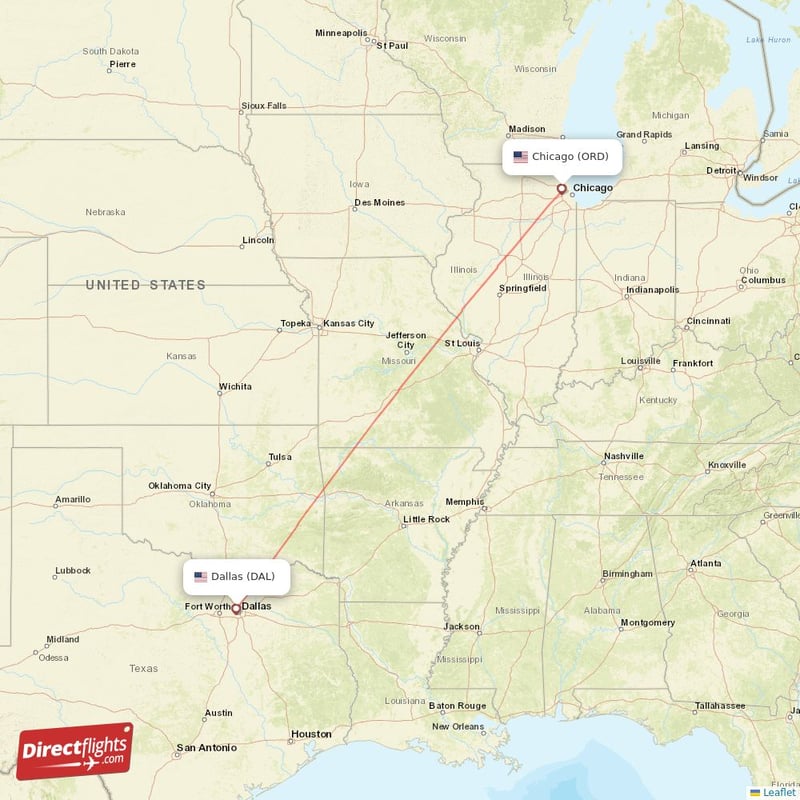
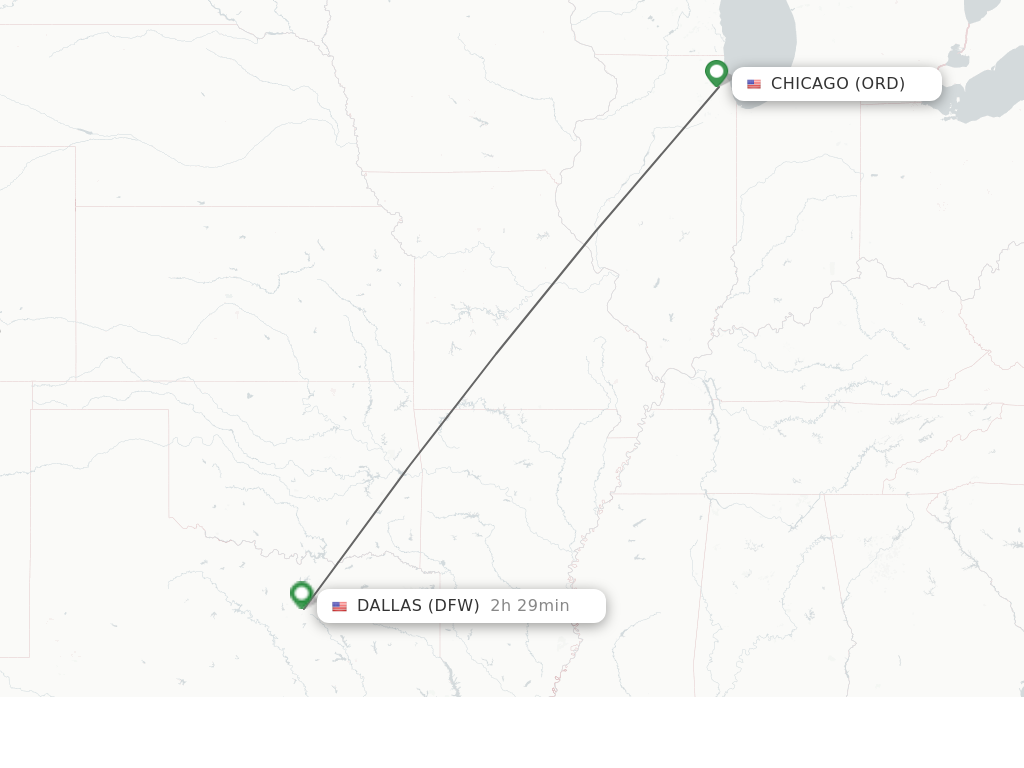
The most direct and commonly flown route between Dallas and Chicago is a non-stop flight. On average, these flights can range from 2 hours and 30 minutes to 3 hours and 15 minutes. This figure represents the time spent in the air, from the moment the aircraft leaves the gate until it reaches its destination. However, it’s essential to remember that this is an average, and actual flight times can fluctuate due to a number of significant factors.
Factors Influencing Flight Time
Several elements contribute to the variation in flight durations between these two major United States cities. Understanding these can help manage expectations and make informed booking decisions.
1. Wind Speed and Direction (Tailwinds and Headwinds)
Perhaps the most significant factor impacting flight time is the weather, specifically wind. Aircraft travel through atmospheric currents.
- Tailwinds: When the wind is blowing in the same direction as the aircraft’s travel, it acts as a pushing force, increasing the ground speed and thus shortening the flight duration. A strong tailwind can shave valuable minutes off the journey.
- Headwinds: Conversely, headwinds blow against the direction of travel, slowing the aircraft down and increasing the flight time.
The prevailing wind patterns at cruising altitude between Dallas and Chicago can significantly influence how quickly you arrive.
2. Aircraft Type and Cruising Speed
Different aircraft have varying cruising speeds. Larger, wide-body jets might have slightly different optimal cruising speeds compared to smaller, narrow-body planes. While airlines generally optimize for fuel efficiency and route, the inherent capabilities of the aircraft assigned to the route play a role. For instance, a Boeing 737 might have a slightly different flight time than an Airbus A320 on the same route.
3. Air Traffic Control and Airspace Congestion
Both Dallas-Fort Worth International Airport (DFW) and Chicago O’Hare International Airport (ORD), the primary airports serving these cities, are among the busiest in the United States. Air traffic control (ATC) manages the flow of aircraft in and out of these busy airspaces and along common flight paths.
- Flight Path Adjustments: ATC might direct aircraft to fly slightly different routes to avoid congestion, maintain separation from other planes, or accommodate other air traffic. These deviations can add marginal time to the flight.
- Holding Patterns: In rare cases of extreme congestion, aircraft might be placed in a holding pattern near the destination airport, circling at a designated altitude until cleared to land. This is more common during peak travel times or adverse weather conditions.
4. Seasonal Variations and Weather Systems
Beyond immediate wind conditions, broader weather patterns can also affect flight times. Severe weather systems, such as thunderstorms or blizzards (particularly relevant for Chicago in winter), can lead to air traffic delays, necessitate flight path rerouting, or even cause cancellations. Airlines often adjust flight schedules and routes during different seasons to account for typical weather patterns.
5. Time of Day and Day of Week
While this primarily impacts airport operations and ground delays, it can indirectly influence flight times. Flights during peak travel hours (early mornings, late afternoons, and evenings) may experience more congestion in the air and on the ground, potentially leading to slight delays in departure or arrival sequencing.
Beyond the In-Air Time: Total Travel Duration
It is crucial to differentiate between the “wheels up” to “wheels down” flight time and the total travel duration from your starting point in Dallas to your final destination in Chicago. The latter includes several additional components that can significantly extend your journey.
Pre-Flight Essentials

- Travel to the Airport: Depending on your location within Dallas, traveling to DFW or Dallas Love Field Airport (DAL) can take anywhere from 30 minutes to over an hour, especially during peak traffic.
- Airport Check-in and Security: It is generally recommended to arrive at the airport at least 2 hours before a domestic flight. Navigating check-in counters, baggage drop, and the security screening process can take considerable time, particularly during busy periods.
- Boarding: The boarding process itself takes time, and flights typically close their doors 15-20 minutes before departure.
Post-Flight Procedures
- Taxiing to the Gate: Upon landing at ORD, the aircraft will taxi to its designated gate. This can take anywhere from 5 to 20 minutes, depending on the airport’s layout and air traffic.
- Disembarking: Exiting the aircraft can be a slow process, especially if you are seated further back.
- Baggage Claim: If you have checked luggage, you will need to proceed to the baggage claim area. The time it takes for bags to appear on the carousel can vary greatly, typically between 15 to 45 minutes.
- Ground Transportation: Once you have collected your luggage, you will need to arrange transportation to your final destination in Chicago. This could involve waiting for a taxi, rideshare, public transportation (such as the CTA Blue Line from O’Hare), or meeting a pre-arranged driver. This stage can add another 30 minutes to well over an hour, depending on traffic and your specific destination within Chicagoland.
Considering all these factors, a total travel time from door-to-door for a flight from Dallas to Chicago can easily range from 5 to 7 hours, or even longer.
Non-Stop vs. Connecting Flights
While non-stop flights are the most efficient way to travel between Dallas and Chicago, many travelers opt for flights with one or more stops. This decision is often driven by cost, availability, or the need to reach specific airports not directly served.
The Impact of Layover Times
Connecting flights inherently add significant time to your overall journey. The duration of your layover can range from a brief 45 minutes to several hours, or even overnight.
- Short Layovers: While seemingly attractive for minimizing travel time, short layovers (under an hour) carry a high risk of missing your connection, especially if your first flight is delayed or if you have to change terminals within a large airport like DFW or O’Hare.
- Longer Layovers: Longer layovers can provide a buffer for potential delays, but they also substantially increase the total travel time. This can be an opportunity to grab a meal, catch up on work, or even explore a bit of the layover city if you have sufficient time and the airport permits.
Added Complexities of Connecting Flights
Beyond just the layover duration, connecting flights introduce other potential complications:
- Baggage Transfer: While most airlines ensure checked baggage is transferred automatically on connections with the same airline or code-share partners, it’s not always guaranteed. You may need to re-check your bags.
- Airport Transfers: Changing airlines or even terminals within a large airport often requires navigating the airport’s internal transportation systems, which can add considerable time.
- Increased Risk of Delays: Each segment of a connecting flight introduces a new opportunity for delays, which can have a cascading effect on your entire itinerary.
For the Dallas to Chicago route, a non-stop flight remains the most time-efficient option. Connecting flights can add 3 to 6 hours or more to your total travel time, depending on the layover duration and location.
Planning Your Trip for Optimal Timing
When booking your flight from Dallas to Chicago, several strategic planning steps can help ensure your journey is as efficient as possible.
Choosing the Right Flight
- Non-Stop First: Always prioritize non-stop flights if time is a critical factor. Use flight comparison websites and airline apps to filter for direct routes.
- Flight Schedules: Consider the time of day for your flight. Early morning flights might be less prone to the cumulative delays that can build up throughout the day.
- Airline Performance: Research airlines known for their punctuality. While no airline is immune to delays, some have better track records.
Airport Strategies
- Familiarize Yourself: If you are unfamiliar with DFW or ORD, spend some time familiarizing yourself with their layouts online before your trip. Knowing the location of your terminal, gates, and amenities can save time.
- Expedited Security: Consider enrolling in TSA PreCheck or Global Entry. These programs allow for expedited security screening, significantly reducing wait times at the airport.
- Gate Location: Upon arrival at your destination, try to note your gate number as soon as possible. This can help you navigate more efficiently to baggage claim or ground transportation.
Managing Expectations
- Build in Buffer Time: Always build extra time into your travel plans. Unexpected delays happen, and having a cushion can reduce stress.
- Stay Informed: Utilize airline apps and airport websites to monitor flight status and gate information in real-time.
By understanding the nuances of flight durations and employing smart planning strategies, you can make your travel experience from Dallas to Chicago as smooth and predictable as possible.
LifeOutOfTheBox is a participant in the Amazon Services LLC Associates Program, an affiliate advertising program designed to provide a means for sites to earn advertising fees by advertising and linking to Amazon.com. Amazon, the Amazon logo, AmazonSupply, and the AmazonSupply logo are trademarks of Amazon.com, Inc. or its affiliates. As an Amazon Associate we earn affiliate commissions from qualifying purchases.