
Embarking on a transatlantic journey from the historic streets of London to the bustling metropolis of New York City is a dream for many travelers. Whether you’re drawn by the allure of iconic landmarks, the promise of world-class hotels, or the vibrant tapestry of local culture, understanding the flight duration is a crucial first step in planning your adventure. This guide delves into the intricacies of flight times, the factors that influence them, and what you can expect once you touch down in the Empire State.
Understanding Flight Durations: London to New York City
The most direct answer to “How long is the flight from London to New York City?” is that it typically ranges from 7 to 8.5 hours for a non-stop, or direct, flight. This duration can, however, fluctuate based on a variety of elements, from the specific route taken to the prevailing weather conditions. For those considering flights with one or more stops, the total travel time can extend significantly, often doubling or even tripling, depending on the layover duration and location.
Direct vs. Connecting Flights
When planning your trip, the distinction between direct and connecting flights is paramount for managing your time and overall travel experience.
Direct Flights: The Fastest Route
Direct flights are the most efficient way to travel between London and New York City. These flights depart from an airport in London, such as Heathrow Airport (LHR) or Gatwick Airport (LGW), and arrive at a New York City airport, commonly John F. Kennedy International Airport (JFK), Newark Liberty International Airport (EWR), or LaGuardia Airport (LGA), without any intermediate stops.
The average flight time for a direct service is approximately 7 hours and 30 minutes. However, this is a general average. The actual time can be influenced by several factors:
- Tailwinds and Headwinds: The Earth’s jet stream plays a significant role. Flying eastbound from New York City to London often benefits from tailwinds, resulting in shorter flight times. Conversely, westbound flights from London to New York City may encounter headwinds, which can add to the duration. This is why a flight from New York City to London is often a little shorter than the return journey.
- Aircraft Type and Speed: Different aircraft have varying cruising speeds. Modern, wide-body jets like the Boeing 777 or Airbus A350 are designed for long-haul efficiency and can maintain higher average speeds compared to older models.
- Flight Path and Air Traffic Control: Airlines work with air traffic control to chart the most efficient routes, which can change based on weather patterns, air traffic congestion, and temporary airspace restrictions.
For travelers prioritizing speed and minimizing travel time, booking a direct flight is the clear choice. Airlines like British Airways, Virgin Atlantic, and Delta Air Lines operate numerous direct services daily between these two major global hubs.
Connecting Flights: The Trade-off of Time for Potential Savings
Connecting flights, also known as flights with layovers, involve a stopover in a third city before reaching the final destination in New York City. While these flights can sometimes be more budget-friendly, they inevitably extend the overall travel duration.
The total time for a connecting flight can vary dramatically:
- Short Layover: A well-timed connection might add only 2 to 3 hours to your journey, making the total travel time around 10 to 11.5 hours.
- Long Layover: Conversely, a lengthy layover, sometimes lasting several hours or even overnight, can push the total travel time to 15 to 20 hours or more.
When considering connecting flights, it’s essential to factor in:
- Layover Duration: The time allocated for transferring between flights. Shorter layovers (under 90 minutes for international connections) can be stressful, especially if the first flight is delayed. Longer layovers offer more flexibility but extend the overall travel time.
- Layover Airport: The efficiency and size of the connecting airport can impact how smoothly you make your onward journey. Airports like Amsterdam Schiphol Airport (AMS) or Dublin Airport (DUB) are common transit points for transatlantic flights and are generally well-equipped for efficient connections.
- Baggage Transfer: Ensure your luggage is checked through to New York City to avoid having to re-check it during your layover.
For those with flexible schedules and a desire to potentially save on airfare, connecting flights can be a viable option. However, meticulous planning is required to ensure a smooth and less tiring experience.

Factors Influencing Flight Time
Beyond the basic distinction between direct and connecting flights, several other elements can subtly alter the time it takes to traverse the Atlantic. Understanding these can help manage expectations and potentially make more informed booking decisions.
Time of Year and Weather Patterns
The seasons significantly impact weather patterns across the North Atlantic.
- Winter Months: During the winter, particularly from November to March, the North Atlantic can experience more turbulent weather, including storms. This can lead to increased instances of headwinds or necessitate detours, potentially extending flight times. Conversely, strong tailwinds can also occur, sometimes shortening flights.
- Summer Months: While generally calmer, the summer can bring its own atmospheric phenomena, though flight times are usually more consistent.
- Seasonal Jet Stream Variations: The position and strength of the jet stream, a fast-flowing air current high in the atmosphere, are influenced by the seasons. As mentioned, the jet stream is a critical factor in eastbound flight times from New York City to London.
Airlines constantly monitor weather forecasts and adjust flight paths to optimize for safety and efficiency. While they aim for the quickest route, safety always takes precedence, and unexpected weather can lead to minor delays or route changes.
Flight Path and Airspace Congestion
The precise route an aircraft takes is not a straight line on a flat map. It’s a complex calculation based on the Earth’s curvature, prevailing winds, air traffic control instructions, and avoiding restricted airspace.
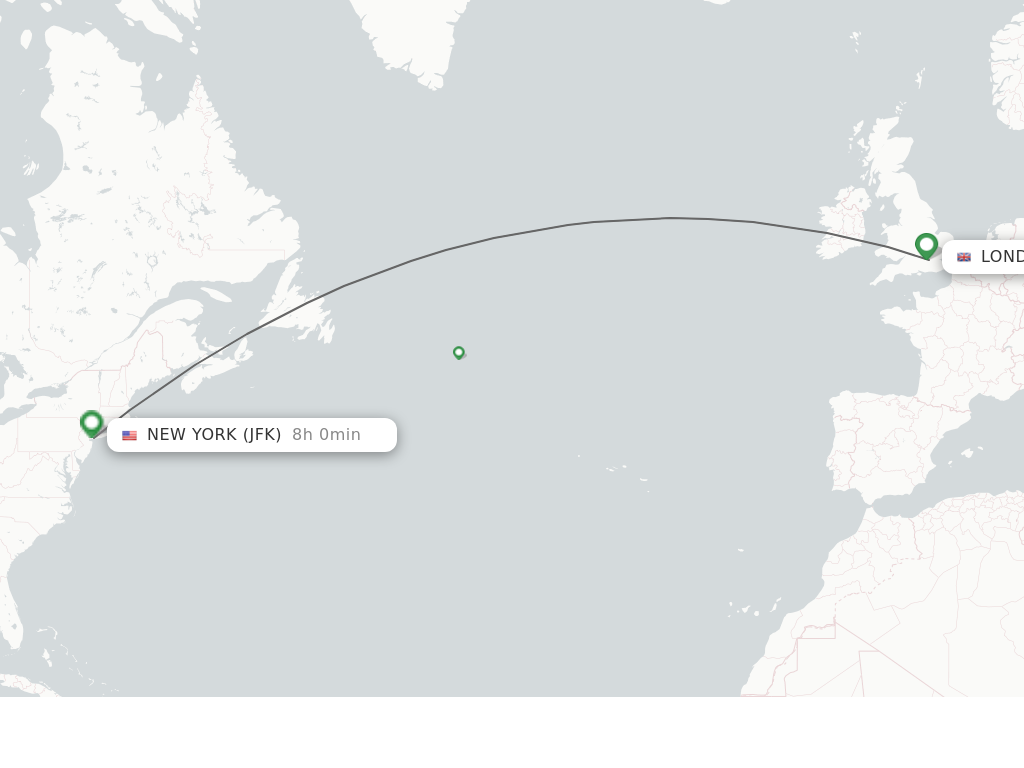
- Great-Circle Route: The shortest distance between two points on a sphere is a great-circle route. Flights between London and New York City will generally follow a path close to this, which may appear as a curve on a flat map, often passing over places like Ireland, Newfoundland, or Nova Scotia.
- Air Traffic Management: Major international flight paths are highly regulated. The volume of air traffic between Europe and North America is immense, and airlines must adhere to assigned altitudes and routes to maintain safe separation between aircraft. During peak travel periods, increased air traffic might require slight deviations or slower progress through certain sectors.
- No-Fly Zones and Geopolitical Considerations: Certain areas may be designated as no-fly zones due to political instability or military activity, requiring aircraft to take alternative routes.
While air traffic control aims to facilitate efficient travel, the sheer volume of aircraft operating between these popular destinations means that air traffic management is a constant consideration in flight planning.
Preparing for Your Transatlantic Journey
Knowing the approximate flight duration is just one piece of the puzzle when planning your trip from London to New York City. To ensure a comfortable and enjoyable experience, consider the following:
Choosing Your Accommodation in New York City
New York City offers a vast array of accommodation options, catering to every budget and travel style. Whether you’re looking for a luxurious suite in a world-renowned hotel, a private villa for a family getaway, or a convenient apartment for a longer stay, the city has it all.
- Luxury Stays: For those seeking the pinnacle of comfort and service, The Plaza Hotel in Central Park or the St. Regis New York offer unparalleled elegance and iconic landmarks just a stone’s throw away. These resorts and hotels often boast exceptional amenities, including fine dining, spa services, and breathtaking city views.
- Boutique Hotels: Explore the diverse neighborhoods of New York City by staying in a charming boutique hotel. Areas like SoHo or the West Village offer unique properties that reflect the local character and lifestyle.
- Budget-Friendly Options: Travelers on a tighter budget can find comfortable and well-located accommodations. Many hotels and even some apartments in neighborhoods outside of prime Manhattan offer excellent value. Websites that facilitate booking, reviews, and comparison are invaluable for finding the best deals.
- Long-term Stays: If your visit extends beyond a few weeks, consider serviced apartments or extended-stay hotels. These options provide the comforts of home, often with kitchen facilities, making them ideal for those planning an extended exploration of the city’s attractions and experiences.

Embracing the New York City Experience
Once you’ve landed and settled into your chosen accommodation, New York City awaits with an endless list of activities and sights.
- Iconic Landmarks: No trip to New York City is complete without visiting its world-famous landmarks. Ascend the Empire State Building for panoramic views, walk across the Brooklyn Bridge for stunning vistas of the skyline, or immerse yourself in the grandeur of Times Square. Central Park offers a sprawling urban oasis, perfect for a leisurely stroll or a picnic.
- Cultural Immersion: Dive into the city’s rich local culture. Explore world-class museums like the Metropolitan Museum of Art or the Museum of Modern Art (MoMA). Catch a Broadway show for an unforgettable theatrical experience. Indulge in the diverse culinary scene, from street food vendors to Michelin-starred restaurants, sampling everything from classic New York pizza to international delicacies.
- Activities and Exploration: Discover the unique charm of New York City‘s diverse neighborhoods. Wander through the cobblestone streets of Greenwich Village, explore the artistic enclaves of SoHo, or experience the vibrant energy of Chinatown. Consider a ferry trip to the Statue of Liberty and Ellis Island for a dose of history and iconic American symbolism.
- Travel Tips: For a seamless trip, familiarize yourself with New York City‘s public transportation system. The subway is an efficient and cost-effective way to navigate the city. Purchase a MetroCard for easy travel. Be prepared for a lot of walking, as it’s often the best way to discover hidden gems. Pack comfortable shoes and layers, as the weather can change throughout the day.
Planning your flight duration is merely the starting point for an incredible journey. By understanding the nuances of transatlantic travel and preparing thoroughly, you can ensure your trip from London to the magnificent city of New York is as smooth, enjoyable, and memorable as possible.
LifeOutOfTheBox is a participant in the Amazon Services LLC Associates Program, an affiliate advertising program designed to provide a means for sites to earn advertising fees by advertising and linking to Amazon.com. Amazon, the Amazon logo, AmazonSupply, and the AmazonSupply logo are trademarks of Amazon.com, Inc. or its affiliates. As an Amazon Associate we earn affiliate commissions from qualifying purchases.