
The prospect of traveling from the sun-drenched shores of Los Angeles to the vibrant, neon-lit skyscrapers of Hong Kong is a journey that promises an unforgettable transition between two of the world’s most dynamic Pacific hubs. Spanning approximately 7,200 miles, this transpacific route is a major artery for international travel, connecting the West Coast of the United States with the heart of Asia. For travelers planning this long-haul adventure, understanding the logistics of flight duration and the nuances of the journey is essential for a seamless experience.
Understanding Flight Duration and Variables
When asking exactly how long a flight from Los Angeles International Airport to Hong Kong International Airport takes, the answer is rarely a single static number. Generally, passengers should prepare for a flight time ranging between 15 and 17 hours for a non-stop journey. However, several critical variables dictate whether you arrive at the lower or higher end of that spectrum.

The Impact of Jet Streams
The most significant factor influencing flight duration is the atmospheric condition known as the jet stream. Because the Earth rotates from west to east, the high-altitude winds generally blow in that same direction. When flying from Los Angeles to Hong Kong, the aircraft is essentially flying against these prevailing winds, which can result in a slightly longer flight time compared to the return leg. Pilots and flight dispatchers carefully calculate these wind patterns to optimize fuel efficiency and maintain passenger safety, which is why your arrival time might shift by 30 to 60 minutes based on real-time weather conditions.
Aircraft Performance and Flight Paths
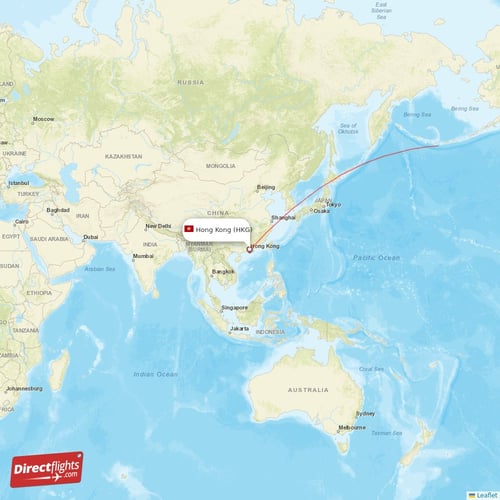
The type of aircraft utilized by carriers such as Cathay Pacific, United Airlines, or American Airlines also plays a role in the journey. Modern long-haul aircraft, such as the Airbus A350 or the Boeing 787 Dreamliner, are designed for extreme range and efficiency. These planes are capable of maintaining higher cruise speeds and optimal altitudes for longer periods. Furthermore, the flight path—often referred to as a “great circle route”—is arched toward the north, skimming the coast of Alaska and the Aleutian Islands before heading south toward China. This route is geographically the shortest distance, significantly reducing time compared to flying a straight line on a flat map.
Non-Stop Versus Connecting Flights
While non-stop travel is the preferred choice for many due to the obvious time savings, connecting flights remain a popular alternative for those looking to manage costs or break up the journey.
The Benefits of Non-Stop Travel
Opting for a direct flight from Los Angeles means a single takeoff and landing. This minimizes the risk of lost luggage during transfers and avoids the fatigue associated with navigating busy hubs like Tokyo or Seoul. For business travelers or those with limited time, the 15-to-17-hour block allows for a concentrated period of rest, work, or entertainment, enabling you to arrive in Hong Kong with minimal disruption to your schedule.

Navigating Layover Logistics
If you choose a flight with a layover, the total travel time can increase to anywhere from 20 to 30 hours. Common transit points include major airports in Japan, South Korea, or Taiwan. While this adds time to your itinerary, it provides an opportunity to stretch your legs, visit an airport lounge, or even catch a quick meal in a different culture. When booking these flights, ensure your layover is at least three hours to account for any potential delays in your initial departure from California.
Navigating Time Zones and Arrival Logistics
One of the most disorienting aspects of this particular flight is the dramatic time difference. Hong Kong is typically 15 to 16 hours ahead of Los Angeles, depending on Daylight Saving Time.
Managing the International Date Line
Because you are crossing the International Date Line, you will essentially “lose” a day in transit. If you depart Los Angeles on a Tuesday morning, you will likely land in Hong Kong on Wednesday evening. It is crucial to check your arrival date carefully when booking, as this “lost” day can lead to scheduling confusion if you have hotel check-ins or business meetings planned for the day you expect to arrive.
Tips for Combating Jet Lag
Landing in Hong Kong after such an extensive journey requires careful physiological management. To mitigate the effects of jet lag:
- Hydration: The air inside the cabin is exceptionally dry. Increase your water intake significantly throughout the flight and avoid excessive caffeine or alcohol.
- Adjust Early: Start shifting your sleep schedule one hour earlier each night for three days leading up to your departure from North America.
- Light Exposure: Upon landing, seek out natural sunlight. This is the most effective way to help your circadian rhythm reset to the local time in East Asia.
- Movement: Utilize the cabin aisles to stretch your legs periodically to maintain circulation during the long flight.
Preparing for Your Transpacific Experience
The quality of your flight experience often depends on how well you prepare for the duration. Whether you are flying in an economy cabin or enjoying the luxury of first or business class, the 15-hour block is a significant time commitment.
In-Flight Amenities and Entertainment
Modern airlines serving the Los Angeles to Hong Kong route provide extensive on-demand entertainment systems. From the latest cinematic releases to documentaries about the rich culture of China, there is plenty to keep you occupied. Many carriers also offer in-flight Wi-Fi, allowing you to stay connected to emails or social media. For those who prefer to unplug, bringing your own noise-canceling headphones is a must to enjoy a peaceful rest while cruising over the Pacific Ocean.
Maximizing Comfort
Comfort on a flight of this length is paramount. Consider bringing a travel pillow, a sleep mask, and compression socks to help manage swelling during the long hours of sitting. Additionally, wearing loose-fitting clothing will make it easier to sleep and move around the cabin. If you are flying with All Nippon Airways or another premium carrier with a connection, explore their lounge offerings, as a shower or a quiet room during a layover can make the final leg of the trip much more bearable.
Final Arrival
As your aircraft begins its descent into Chek Lap Kok, you will be greeted by the breathtaking sight of the islands and the bustling maritime traffic of the harbor. The journey from Los Angeles to Hong Kong is more than just a commute; it is a major transition between worlds. By understanding the flight duration, preparing for the time difference, and planning for your own comfort, you can ensure that the journey is as enjoyable as the destination itself. Whether you are traveling for business, visiting the iconic Victoria Peak, or exploring the vibrant markets of Kowloon, the time spent in the air is the first chapter of your Hong Kong experience.
LifeOutOfTheBox is a participant in the Amazon Services LLC Associates Program, an affiliate advertising program designed to provide a means for sites to earn advertising fees by advertising and linking to Amazon.com. Amazon, the Amazon logo, AmazonSupply, and the AmazonSupply logo are trademarks of Amazon.com, Inc. or its affiliates. As an Amazon Associate we earn affiliate commissions from qualifying purchases.