
Embarking on a journey from the sun-drenched shores of Los Angeles to the vibrant, culturally rich landscapes of Japan is an exciting prospect for many travelers. Whether you’re drawn by the allure of ancient traditions, the buzz of modern metropolises, or the serene beauty of its natural wonders, understanding the logistics of your flight is paramount to planning a smooth and enjoyable trip. The most common and crucial question for anyone contemplating this transatlantic adventure is: “How long is the flight from Los Angeles to Japan?”
The answer, as with many travel queries, isn’t a single, definitive number. It’s a figure influenced by a variety of factors, from the specific airports involved to the presence or absence of layovers and the prevailing wind conditions. However, for direct flights, you can generally expect a substantial commitment of your time. This extensive journey across the Pacific Ocean typically ranges from 9 to 12 hours. This is the baseline for a non-stop flight, allowing you to theoretically sleep, eat, and watch movies while traversing the globe.
Understanding the Factors Affecting Flight Duration
While the 9-12 hour estimate provides a good starting point, it’s essential to delve deeper into what influences this duration. Understanding these variables will help you set realistic expectations and make informed decisions when booking your airfare.
Direct vs. Connecting Flights: The Major Time Differentiator
The most significant factor determining the total travel time is whether you opt for a direct, non-stop flight or a flight with one or more layovers.
Direct Flights: The Fastest Route
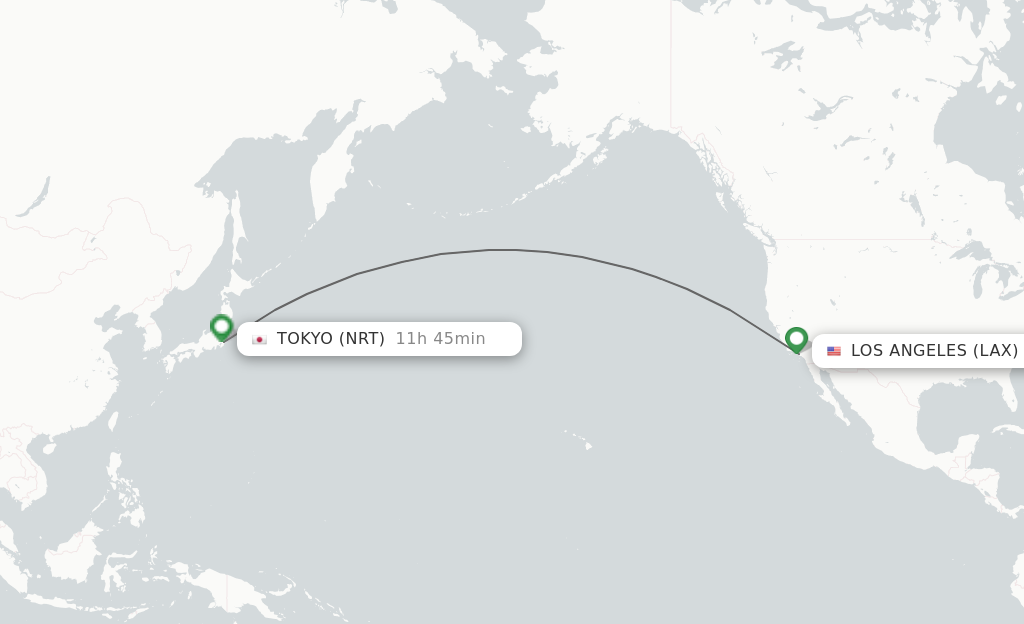
As mentioned, direct flights from Los Angeles to major Japanese hubs like Tokyo or Osaka are the most time-efficient. Airlines such as Japan Airlines, All Nippon Airways, and sometimes United Airlines offer these non-stop services. The flight path is designed to be as direct as possible, minimizing deviations and maximizing speed. Even with a direct flight, the sheer distance of approximately 5,500 miles (around 8,850 kilometers) necessitates a significant block of time in the air. The average duration for a direct flight often hovers around 10 to 11 hours. This is an ideal scenario for travelers who wish to maximize their time exploring Japan and minimize time spent in transit. Many travelers opt for overnight flights, allowing them to arrive in Japan in the morning, ready to start their adventures.
Connecting Flights: The Trade-off for Cost and Flexibility
Flights with layovers, while often more budget-friendly or offering a wider range of departure times, will invariably increase your total travel time. The duration of connecting flights can vary dramatically, extending your journey to anywhere from 13 to 20+ hours. This significant increase is due to several components:
- Layover Time: The scheduled time between flights at an intermediate airport can range from a short 1-2 hours to several hours, or even an overnight stop.
- Airport Transfers: If your layover involves changing airlines or even terminals, this adds time for navigation and security checks.
- Additional Flight Segments: Each connecting flight adds its own flight time, and these routes may not be as direct as a non-stop service.
Common layover points for flights from Los Angeles to Japan include cities like Honolulu, San Francisco, Seattle, or sometimes even cities in Canada like Vancouver. While connecting flights can save money, it’s crucial to weigh this against the precious hours of your vacation time that will be consumed by waiting in airports and additional travel. For those on a tight schedule or who prefer to get their journey over with in one go, the extra cost of a direct flight is often well worth it.
Other Influencing Factors
Beyond the fundamental choice between direct and connecting flights, several other elements can subtly influence your flight’s duration:
Aircraft Type and Speed
While most long-haul commercial aircraft are designed for efficiency, minor variations in the aircraft type can lead to slight differences in flight speed. Modern jets like the Boeing 777 or Airbus A350 are the workhorses for such long routes, and their cruising speeds are generally quite consistent. However, you might find slightly faster aircraft on some routes, shaving off a few minutes.
Wind Conditions and Jet Streams
Perhaps the most variable and unpredictable factor affecting flight times is the prevailing wind conditions. Flights traveling eastward, from Japan to Los Angeles, often benefit from tailwinds from the jet stream, which can shorten the flight duration. Conversely, flights traveling westward, from Los Angeles to Japan, may encounter headwinds, requiring them to fly at a slightly slower ground speed and thus extending the flight time. These wind patterns can shift, meaning that even on the return journey, the flight time might differ.
Specific Airports of Departure and Arrival
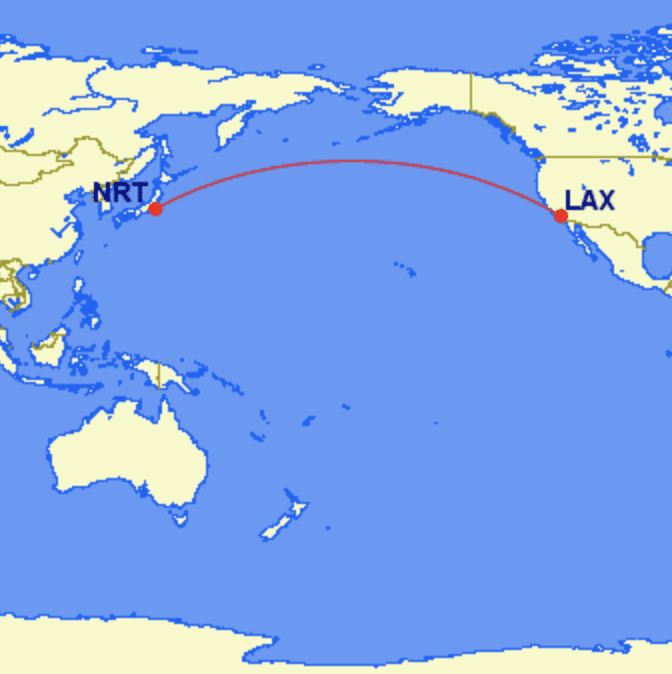
Los Angeles primarily operates out of Los Angeles International Airport (LAX). In Japan, the most common international gateways are Narita International Airport (NRT) and Haneda Airport (HND) in the Tokyo metropolitan area, and Kansai International Airport (KIX) serving Osaka and the surrounding Kansai region. While the geographical distance is similar, slight variations in route planning and air traffic control can lead to minor differences in flight duration to each of these major Japanese airports.
Preparing for Your Long-Haul Journey
Knowing the flight duration is just the first step. Effectively preparing for a flight of this length will significantly enhance your comfort and overall travel experience.
Maximizing Comfort During the Flight
A flight exceeding ten hours requires a different approach than a short hop. Packing smart and planning for your in-flight time is crucial for maintaining well-being.
- Comfortable Clothing: Opt for loose-fitting, breathable clothing. Layers are key, as cabin temperatures can fluctuate. Consider bringing a travel pillow, a cozy blanket, and eye masks to create a more restful environment.
- Entertainment: Download movies, TV shows, podcasts, and music before you leave home. While many airlines offer in-flight entertainment, having your own content ensures you have options you enjoy. Don’t forget a portable charger for your devices.
- Hydration and Snacks: Airplane air is notoriously dry. Drink plenty of water throughout the flight. Pack some non-perishable snacks like nuts, fruit, or granola bars, as airline meals might not always align with your dietary preferences or schedule.
- Movement: It’s vital to get up and move around periodically to prevent stiffness and reduce the risk of deep vein thrombosis (DVT). Even a short walk to the restroom or a few minutes of stretching in the aisle can make a difference.
Navigating Time Zones and Arrival
The transition from Los Angeles to Japan involves a significant time zone change – Japan is typically 16 hours ahead of Los Angeles during standard time. This means that a flight departing Los Angeles in the afternoon might arrive in Tokyo two days later in the early evening, or an overnight flight from Los Angeles will land the day after tomorrow in the afternoon or evening.
- Jet Lag Management: To combat jet lag, try to adjust your sleep schedule in the days leading up to your departure. Upon arrival in Japan, expose yourself to natural sunlight during the day and avoid screens before bed. Staying hydrated and eating meals at local times will also help.
- Immigration and Customs: Be prepared for immigration and customs procedures upon arrival. Have your passport and any required travel documents readily accessible. The process can take some time, especially at major international airports.
- Ground Transportation: Research your ground transportation options from the airport to your accommodation in advance. Japan has an excellent public transportation system, including efficient train services like the Narita Express from Narita Airport and the Haruka Express from Kansai International Airport. Taxis are also available but can be expensive.
Planning Your Japanese Adventure
Once you have a clear understanding of your flight duration, you can better plan the rest of your trip, from where to stay to what to see.
Choosing Your Japanese Destination
Japan offers a dazzling array of experiences, catering to every type of traveler. The flight duration will influence how much time you have on the ground, so it’s wise to have a clear idea of your priorities.
- Metropolitan Marvels: Cities like Tokyo beckon with their futuristic skyscrapers, bustling shopping districts like Shibuya, serene gardens like the Imperial Palace East Garden, and vibrant cultural hubs. Osaka is renowned for its delicious street food and lively atmosphere, while Kyoto offers a glimpse into traditional Japan with its ancient temples, geisha district of Gion, and the iconic Fushimi Inari Shrine.
- Natural Escapes: Beyond the cities, Japan boasts breathtaking natural beauty. From the majestic peak of Mount Fuji to the pristine beaches of Okinawa and the serene forests of Hokkaido, there are opportunities for adventure and relaxation in nature.
- Cultural Immersion: For those seeking a deeper dive into Japanese culture, consider visiting historical sites, participating in a tea ceremony, or experiencing a traditional onsen (hot spring).
Accommodation and Lifestyle Considerations
The length of your flight and your overall trip duration will impact your accommodation choices and lifestyle preferences.
- Hotels and Resorts: Japan offers a wide spectrum of lodging options, from luxurious five-star hotels like the Park Hyatt Tokyo in Shinjuku to charming boutique hotels and traditional ryokans (Japanese inns) that provide an immersive cultural experience. For longer stays or family vacations, apartments or villas might be more suitable, offering more space and amenities.
- Luxury vs. Budget Travel: Your budget will play a significant role. Luxury travel in Japan can involve staying in premium hotels, dining at Michelin-starred restaurants, and utilizing private transport. Budget travel, on the other hand, might involve staying in hostels or budget-friendly business hotels, utilizing local eateries, and relying heavily on public transport.
- Family Trips and Business Stays: For families, planning activities that appeal to all ages is essential, and accommodations with family rooms or connecting suites might be preferred. Business travelers might seek hotels with excellent Wi-Fi, meeting facilities, and convenient access to business districts.
In conclusion, while the flight from Los Angeles to Japan is a considerable undertaking, understanding its duration and the factors that influence it is key to a well-prepared and enjoyable journey. Whether you choose the swiftness of a direct flight or the potential cost savings of a connecting route, the adventure that awaits in Japan is undoubtedly worth the travel time.
LifeOutOfTheBox is a participant in the Amazon Services LLC Associates Program, an affiliate advertising program designed to provide a means for sites to earn advertising fees by advertising and linking to Amazon.com. Amazon, the Amazon logo, AmazonSupply, and the AmazonSupply logo are trademarks of Amazon.com, Inc. or its affiliates. As an Amazon Associate we earn affiliate commissions from qualifying purchases.