
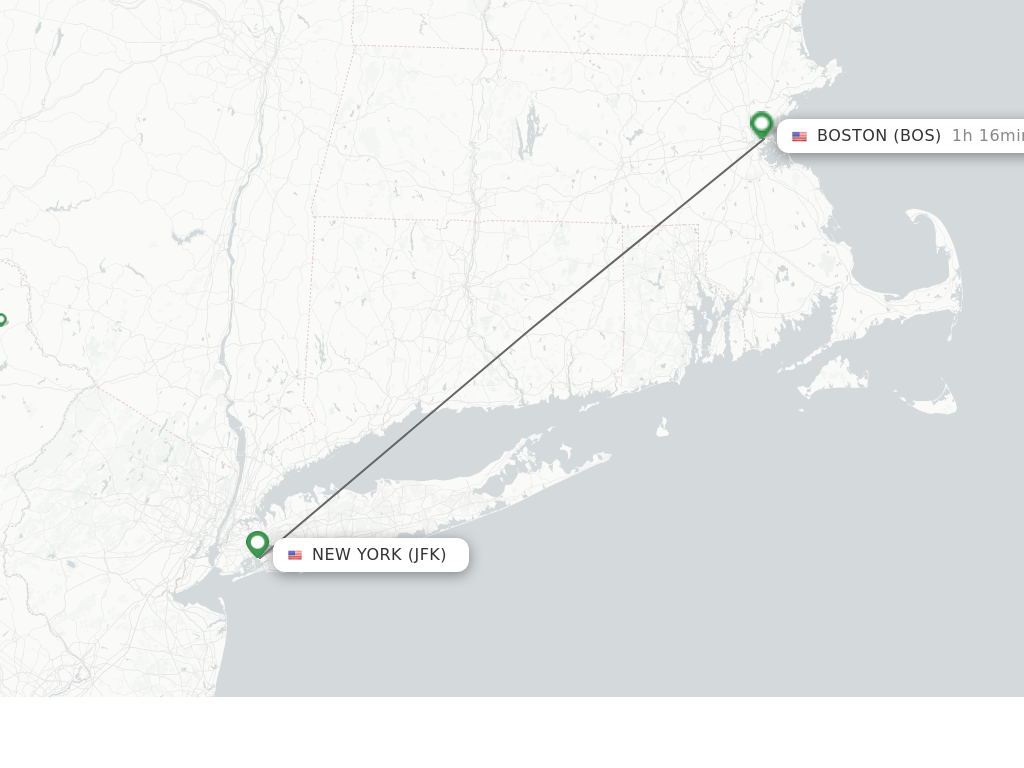
The journey between the vibrant metropolis of New York City and the historic hub of Boston is a staple for business travelers, tourists, and commuters alike. While the two cities are geographically close, understanding the actual flight duration and the broader travel time is key to planning an efficient and enjoyable trip. For a direct flight, the air travel component itself is remarkably brief, typically ranging from 55 minutes to 1 hour and 15 minutes. However, this airborne segment is just one piece of the overall travel puzzle.
Understanding the Flight Duration
The actual time a plane spends in the air from New York to Boston makes it one of the shortest commercial routes in the United States. This brevity often leads travelers to question the efficiency of flying versus other modes of transport.
Direct Flights vs. Connecting Flights
The vast majority of flights between New York and Boston are direct. Given the short distance, a connecting flight would be highly impractical and almost certainly more time-consuming and expensive. Airlines like Delta, American Airlines, JetBlue, and United Airlines operate frequent direct services, making non-stop travel the standard. Opting for a direct flight ensures the quickest possible air time, avoiding layovers and the associated delays that can turn a short hop into a lengthy odyssey.
Factors Influencing Flight Time
While the baseline flight duration is short, several factors can cause slight variations:
- Wind Conditions: Tailwind or headwind can significantly impact flight speed. A strong tailwind can shave minutes off the journey, while a headwind can add them.
- Air Traffic Control (ATC): Both New York City’s airspace and Boston’s Logan International Airport are among the busiest in the United States. ATC delays due to congestion, weather, or operational issues can lead to holding patterns in the air or ground delays before takeoff.
- Aircraft Type: Different aircraft have varying cruising speeds, although for such a short route, the difference is usually negligible for passengers.
- Route Optimization: Pilots and ATC work together to select the most efficient flight path, but this can be adjusted in real-time based on weather or traffic.
These factors generally account for the 55-minute to 1-hour 15-minute range advertised by airlines. While rare, extreme weather events or significant air traffic disruptions could extend this further, but typically not dramatically for a flight of this length.
The Journey: From New York to Boston
The experience of flying this route begins long before takeoff and extends beyond landing. Understanding the airport infrastructure on both ends is crucial for effective travel planning.
New York City Departure Airports
New York City is served by three major airports, each offering flights to Boston:
- John F. Kennedy International Airport (JFK): Located in Queens, JFK is New York City’s largest airport and a major international gateway. While it offers flights to Boston, it can sometimes be less convenient for domestic short-haul flights due to its size and potential for longer security lines and terminal transfers.
- LaGuardia Airport (LGA): Also in Queens, LGA is known for its focus on domestic travel and has recently undergone extensive modernization. For many within Manhattan or northern Brooklyn, LGA offers a more accessible and often quicker airport experience for short flights like the one to Boston.
- Newark Liberty International Airport (EWR): Located in Newark, New Jersey, EWR serves the greater New York City metropolitan area and is a hub for United Airlines. It is a viable option, particularly for those coming from New Jersey or parts of Manhattan with easy access to Penn Station via NJ Transit.
The choice of departure airport can significantly influence your total travel time, depending on your starting point in the New York City area and your preferred mode of transport to the airport.
Boston Arrival Airport
All commercial flights from New York arrive at Logan International Airport (BOS). Logan is conveniently located just across Boston Harbor from downtown Boston, making ground transportation relatively quick and efficient. Options include the MBTA’s Silver Line bus service, water taxis, taxis, ride-shares, and rental cars, all offering direct routes into the city center or surrounding neighborhoods.
Beyond the Air: Total Travel Time
Focusing solely on the flight duration can be misleading when planning a trip. The true “travel time” encompasses the entire door-to-door journey. For the New York to Boston route, these peripheral components are often far more time-consuming than the flight itself.
Airport Commute and Security
- Commute to Airport (1-2 hours): Depending on your starting point in New York City and traffic conditions, getting to JFK, LGA, or EWR can easily take an hour or more by taxi, ride-share, or public transport. New York City traffic is notoriously unpredictable.
- Check-in and Security (1-2 hours): Airlines generally recommend arriving 1.5 to 2 hours before a domestic flight. This allows time for baggage check, navigating the airport, and clearing security. While programs like TSA PreCheck or Clear can expedite security, there’s always a chance of unexpected delays, especially at busy New York airports.
- Boarding and Taxiing (30-45 minutes): The boarding process itself takes about 20-30 minutes, followed by taxiing to the runway, which can add another 10-15 minutes, particularly at larger airports like JFK.
Factoring these in, the pre-flight experience alone can easily consume 2.5 to 4 hours before the plane even takes off.
Post-Arrival Logistics in Boston
Once your flight lands at Logan International Airport, the journey continues:
- Deplaning and Baggage Claim (20-45 minutes): Disembarking can take 10-15 minutes, and if you have checked luggage, waiting at baggage claim can add another 10-30 minutes.
- Commute from Airport (30-60 minutes): Getting from Logan to your final destination in Boston can take anywhere from 30 minutes to an hour, depending on traffic, your destination, and your chosen mode of transport. The Silver Line is efficient, but taxis or ride-shares might face congestion during peak hours.
Adding these post-arrival steps, your total door-to-door travel time by air from New York to Boston often ranges from 4.5 to 7 hours, despite the short flight time.
Alternatives to Flying: Ground Transportation
Given the substantial amount of time spent on airport logistics, many travelers consider ground transportation for the New York to Boston route.
High-Speed Rail Options
Amtrak is a very popular alternative. The Acela Express offers a fast and comfortable journey, typically taking around 3.5 hours from New York City’s Moynihan Train Hall (Penn Station) to Boston’s South Station. The regional Northeast Regional service takes slightly longer, usually 4 to 4.5 hours.
The advantages of train travel are numerous:
- Convenience: Stations like Penn Station and South Station are centrally located, minimizing commute time to and from terminals.
- Reduced Pre-Boarding Time: No need for extensive security checks or early arrival; boarding typically begins 15-30 minutes before departure.
- Comfort: More spacious seating, Wi-Fi, power outlets, and the ability to walk around.
- Scenery: Enjoy views of the Northeast Corridor.
- Less Weather Dependent: Trains are less susceptible to delays from fog or light snow compared to flights.
For many, the approximately 3.5 to 4.5 hours on the Acela or Northeast Regional is a more predictable and often more relaxing door-to-door experience than flying, especially for downtown-to-downtown travel.
Bus and Car Travel
- Bus Services: Companies like Greyhound, Peter Pan Bus Lines, and FlixBus offer affordable bus travel between New York and Boston. The journey typically takes 4 to 5 hours, depending on traffic and stops. While generally the cheapest option, it can be the least comfortable and most susceptible to traffic delays, especially during peak travel times.
- Driving: Driving yourself offers maximum flexibility but can take 3.5 to 5 hours without stops, heavily dependent on traffic, particularly through Connecticut and into the New York and Boston metro areas. Factoring in gas, tolls, and parking costs in both cities, it’s often more expensive and stressful than other options, especially for solo travelers.
Maximizing Your New York to Boston Travel Experience
Whether you choose to fly or take the train, a few tips can enhance your journey.
Booking Tips
- Book in Advance: Especially for flights and Acela Express tickets, prices tend to be lower when booked several weeks in advance.
- Flexibility with Dates/Times: Mid-week flights or off-peak train times are often cheaper and less crowded.
- Consider Airport Choice: Evaluate which New York airport ( JFK, LGA, or EWR) is most convenient for your starting point.
- Loyalty Programs: If you travel frequently, leverage airline or Amtrak loyalty programs for upgrades or benefits.
In-Flight Comfort and Amenities
For such a short flight, amenities are usually minimal. However, you can still make the most of it:
- Hydrate: Even a short flight can be dehydrating.
- Snacks: Pack a small snack if you tend to get hungry, as service on short flights is often limited to a beverage.
- Entertainment: Download a podcast, some music, or a quick article to read. The flight is too short for a full movie.
- Connectivity: Some airlines offer Wi-Fi, but check if it’s available and if it’s worth the cost for such a brief period.
Exploring Both Cities
Once you arrive, whether by air or rail, you’ll be well-positioned to explore the unique charm of Boston or delve deeper into the endless offerings of New York City. Boston offers a rich tapestry of American history with sites like the Freedom Trail, Faneuil Hall, and the Boston Tea Party Ships & Museum. New York City, on the other hand, boasts iconic landmarks such as the Statue of Liberty, Times Square, and world-class museums like the Metropolitan Museum of Art. Planning your ground transportation effectively allows more time to enjoy these experiences rather than being stuck in transit.
LifeOutOfTheBox is a participant in the Amazon Services LLC Associates Program, an affiliate advertising program designed to provide a means for sites to earn advertising fees by advertising and linking to Amazon.com. Amazon, the Amazon logo, AmazonSupply, and the AmazonSupply logo are trademarks of Amazon.com, Inc. or its affiliates. As an Amazon Associate we earn affiliate commissions from qualifying purchases.