
Embarking on a journey from the bustling metropolis of New York to the tranquil shores of Hawaii is an experience many dream of. This trans-Pacific flight represents a significant transition, not just geographically but culturally. Understanding the duration of this long-haul journey is crucial for planning, ensuring comfort, and setting realistic expectations for your island escape. While the allure of volcanic landscapes, pristine beaches, and vibrant culture awaits, getting there requires patience and preparation. This guide delves into the specifics of flight times, the factors that influence them, and practical tips for making your journey as smooth as possible.
Understanding the Trans-Pacific Journey
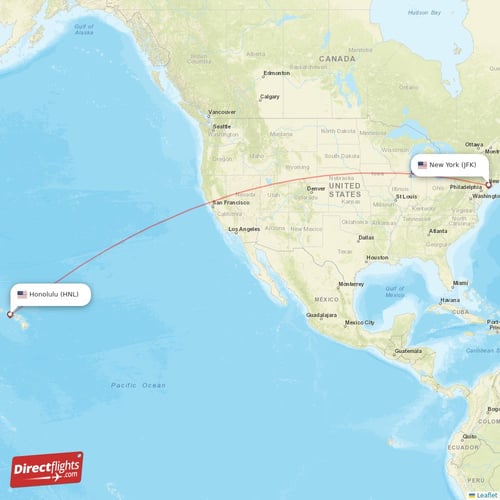
The journey from the East Coast of the United States to the mid-Pacific archipelago of Hawaii is one of the longest domestic flights available. While there are no short routes across an entire continent and an ocean, direct flights offer the most efficient path.
The Core Flight Duration: Direct vs. Connecting
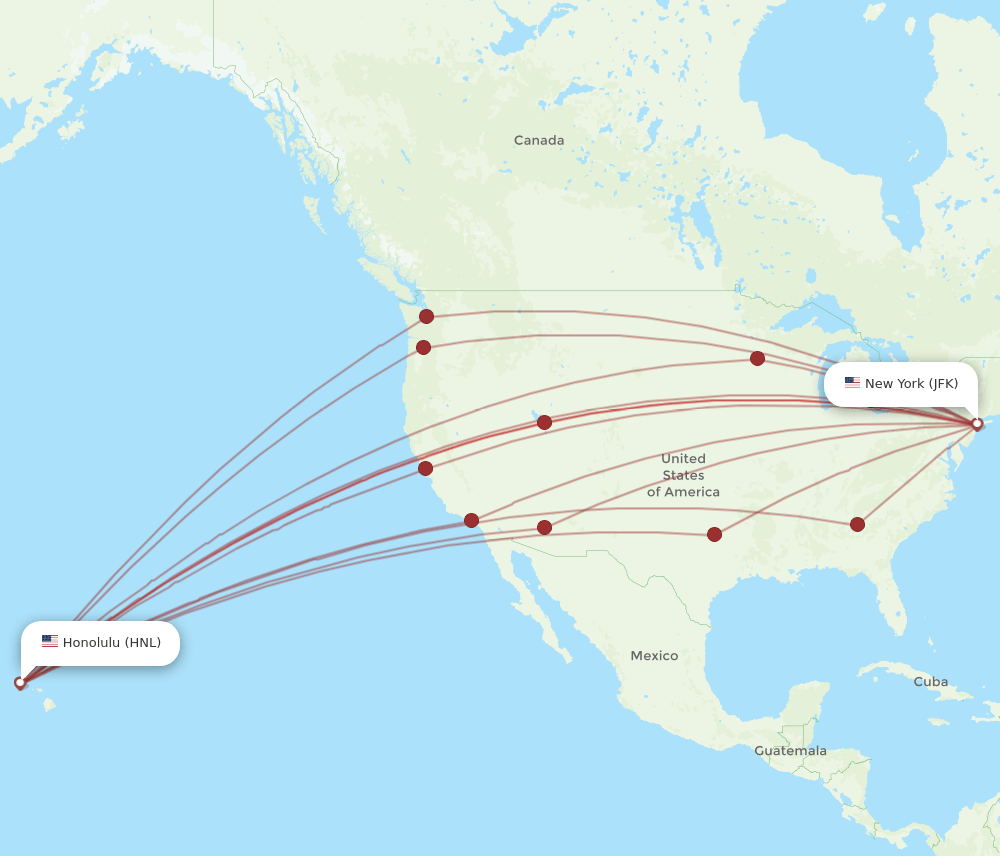
A direct flight from New York to Hawaii typically spans between 10 to 11 hours. This is for a non-stop service to the primary entry point, Daniel K. Inouye International Airport (Honolulu, Oahu). The exact duration can vary slightly depending on the specific departure airport in New York and the arrival island in Hawaii.
Connecting flights, on the other hand, will naturally extend your total travel time significantly. While the actual flying time might be broken up into shorter segments, the cumulative journey, including layovers, can range from 14 to 20 hours or even more. These flights often involve a stopover on the West Coast, typically in cities like Los Angeles or San Francisco. While connecting flights can sometimes be more budget-friendly, the added time and potential for delays make direct options preferable for many travelers, especially given the considerable distance.
Key Airports in New York and Hawaii
Your travel time calculation begins with your departure and arrival points. New York is served by three major airports, while Hawaii has several international gateways depending on your ultimate island destination.
New York Departure Airports:
- JFK International Airport (JFK): Located in Queens, this is the busiest international gateway in New York and often offers the most direct flight options to Hawaii.
- Newark Liberty International Airport (EWR): Situated in Newark, New Jersey, but serving the New York metropolitan area, EWR is another significant hub with direct flights to Hawaii.
- LaGuardia Airport (LGA): Primarily serving domestic routes, LaGuardia Airport typically does not offer direct flights to Hawaii. Travelers departing from LGA would need a connecting flight.
Hawaii Arrival Airports:
- Daniel K. Inouye International Airport (HNL): Located in Honolulu on Oahu, this is the main international and inter-island hub, receiving the vast majority of direct flights from the mainland United States.
- Kahului Airport (OGG): The primary airport on Maui, often receiving direct flights from major mainland cities, though less frequently from New York compared to Honolulu.
- Kona International Airport (KOA): Serving the western side of the Big Island, KOA also sees some direct mainland services.
- Lihue Airport (LIH): The main airport for Kauai, less common for direct New York flights but possible with connections.
Major Airlines Operating This Route
Several reputable airlines facilitate travel from New York to Hawaii, each offering different service levels and price points.
- United Airlines: A major player, United Airlines frequently offers direct flights from Newark Liberty International Airport (EWR) to Honolulu (HNL) and sometimes to Maui (OGG).
- Hawaiian Airlines: As the flag carrier of Hawaii, Hawaiian Airlines provides a quintessential island experience from the moment you board. They often operate direct flights from JFK International Airport to Honolulu.
- Delta Air Lines: Delta Air Lines offers direct options from JFK International Airport to Honolulu.
- American Airlines: American Airlines also provides direct services from JFK International Airport to Honolulu.
For connecting flights, airlines like Southwest Airlines and others will typically route you through their West Coast hubs before continuing to Hawaii.
Factors Influencing Flight Duration
While the average flight time provides a good estimate, several elements can cause slight variations in the actual duration of your flight from New York to Hawaii.
Aircraft Type and Speed
Modern aircraft, particularly wide-body jets like the Boeing 787 Dreamliner or Airbus A330/A350, are designed for long-haul efficiency. These planes are not only faster but also more fuel-efficient, allowing for optimal flight paths. Older or smaller aircraft might have slightly longer flight times due to speed capabilities or fuel range limitations that necessitate more conservative routing. The specific model used by your chosen airline can therefore marginally affect your journey’s length.
Wind Patterns (Jet Stream)
The most significant natural factor influencing flight times across the Pacific is the jet stream. This powerful, high-altitude wind current generally flows from west to east.
- Westbound flights (East Coast to Hawaii): When flying from New York to Hawaii, aircraft are often flying against the main force of the jet stream, encountering headwinds. This can add 30 minutes to an hour (or sometimes more) to the flight duration.
- Eastbound flights (Hawaii to East Coast): Conversely, the return journey often benefits from tailwinds, potentially shortening the flight by a similar margin.
Pilots and air traffic control constantly monitor these patterns to choose the most efficient flight path on any given day, but the underlying principle remains: headwinds slow you down.
Flight Path Optimization
Air traffic control, in conjunction with airline operations, continuously optimizes flight paths based on various real-time data. This includes:
- Weather avoidance: Detours around significant weather systems (like thunderstorms or turbulence zones) can extend the flight path.
- Air traffic congestion: While less common over the vast Pacific, approaching busy airspace around Honolulu or New York can lead to holding patterns or slight deviations.
- Fuel efficiency: Airlines calculate the most fuel-efficient route, which might not always be the shortest in terms of linear distance but minimizes overall costs and time by leveraging wind conditions.
Layover Considerations for Connecting Flights
For those opting for connecting flights, layovers are a major determinant of total travel time.
- Short layovers: While appealing for efficiency, tight connections (e.g., less than 90 minutes) carry the risk of being missed due to delays in the first leg. This could lead to significant rebooking delays.
- Long layovers: Extended layovers (e.g., 3-5 hours or more) offer a comfortable buffer but substantially increase your overall travel day. Some travelers intentionally choose very long layovers (e.g., 8+ hours) to step out of the airport in a city like Los Angeles or San Francisco for a brief change of scenery, effectively turning it into a two-stop journey with an intermediate experience.
Preparing for a Long-Haul Flight to Paradise
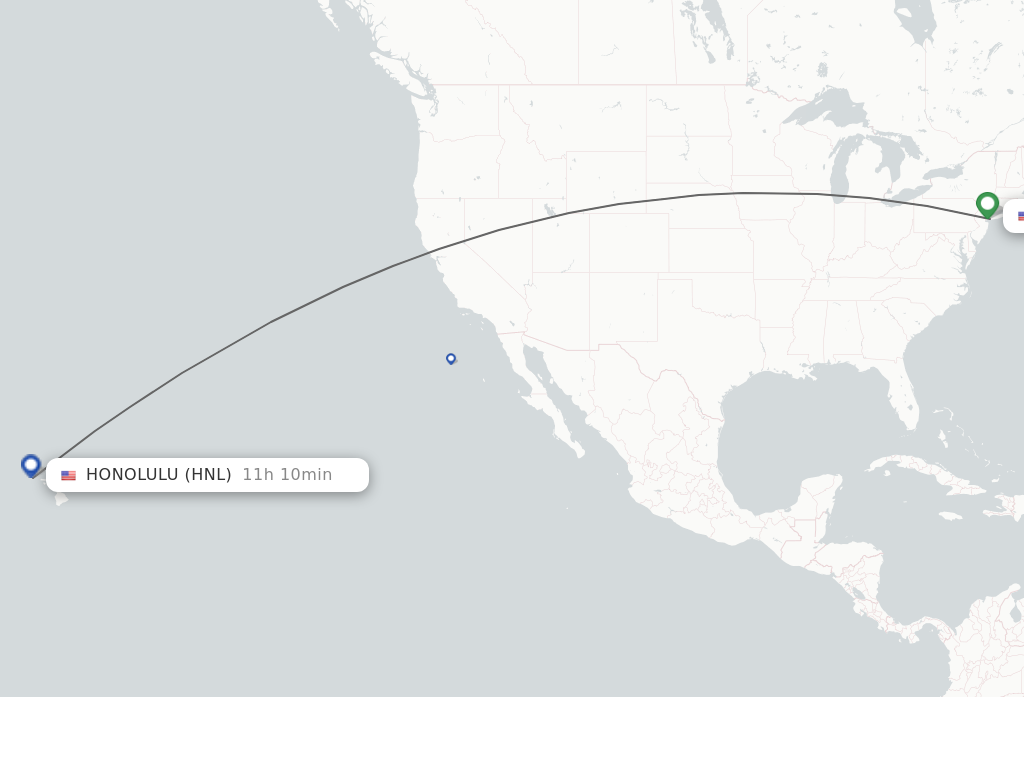
A journey of 10-11 hours or more demands strategic preparation to ensure you arrive in Hawaii feeling as refreshed as possible, ready to embrace “Aloha.”
Comfort and Well-being
Prioritizing comfort is key for such a long flight.
- Hydration: Airplane cabins have low humidity, which can lead to dehydration. Drink plenty of water before and during your flight, and limit caffeine and alcohol.
- Movement: To prevent stiffness and reduce the risk of deep vein thrombosis (DVT), get up and walk around the cabin periodically. Perform simple stretching exercises in your seat.
- Comfortable Clothing: Wear loose-fitting, breathable layers. Compression socks can also be beneficial for circulation.
- Entertainment: Load up your devices with movies, TV shows, podcasts, and e-books. Don’t rely solely on in-flight entertainment, as options can vary or systems can malfunction.
- Sleep: If you plan to sleep, an eye mask, earplugs or noise-canceling headphones, and a neck pillow are essential. Consider a window seat for leaning against or an aisle seat for easy access to stretch your legs.
Managing Time Zones (Jet Lag)
The time difference between New York (Eastern Time) and Hawaii (Hawaii Standard Time, HST) is substantial, typically 5-6 hours behind (depending on daylight saving adjustments on the mainland, as Hawaii does not observe DST). This significant shift almost guarantees some level of jet lag.
- Pre-adjust: A few days before your flight, try to shift your sleep schedule closer to Hawaii time. Go to bed later and wake up later.
- Onboard strategy: Adjust your watch to Hawaii time as soon as you board. Try to sleep on the plane if it aligns with night-time in Hawaii.
- Upon arrival: Seek out natural light, especially in the morning. Stay hydrated and try to stick to local meal times. Resist the urge to nap for too long during the day; push through until an appropriate bedtime.
What to Pack for the Flight
Your carry-on bag should be a well-organized survival kit for the long journey.
- Essentials: Passport/ID, wallet, phone, chargers, medications.
- Comfort items: Neck pillow, eye mask, earplugs/noise-canceling headphones, a light blanket or large scarf.
- Snacks: Granola bars, nuts, dried fruit – anything to avoid hunger pangs and sugary airplane snacks.
- Personal hygiene: Toothbrush, small tube of toothpaste, face wipes, hand sanitizer, lip balm, moisturizer.
- Entertainment: Books, magazines, fully charged electronics with downloaded content.
- Layers: Cabin temperatures can fluctuate, so having a sweater or light jacket is advisable.
Choosing Your Hawaiian Island Destination
While Honolulu on Oahu is the primary entry point for direct flights, Hawaii offers a kaleidoscope of experiences across its diverse islands. Your final destination will influence your overall travel time, as inter-island flights are often necessary.
Oahu: The Gathering Place
As home to Daniel K. Inouye International Airport (HNL) and the vibrant city of Honolulu, Oahu is the most common first stop. It offers a blend of urban excitement and natural beauty, from the iconic Waikiki Beach and historic Pearl Harbor to the famed North Shore surf breaks. If Oahu is your sole destination, your travel ends after your main flight.
Maui: The Valley Isle
Known for its stunning beaches, luxurious resorts, and the majestic sunrise from Haleakala National Park, Maui offers a more relaxed pace than Oahu. While some direct flights from the mainland go to Kahului Airport (OGG), flying from New York often involves a connection, either on the mainland or via Honolulu. The additional flight time from Honolulu to Maui is typically 30-45 minutes.
The Big Island (Hawaii Island): Diverse Landscapes
The Big Island is truly a world unto itself, boasting active volcanoes in Hawaii Volcanoes National Park, black sand beaches, lush rainforests, and snow-capped peaks. It has two main airports: Kona International Airport (KOA) on the west (Kona) side and Hilo International Airport (ITO) on the east (Hilo) side. Direct flights from New York are rare, so expect an inter-island connection, adding about 45-60 minutes of flight time from Honolulu.
Kauai: The Garden Isle
Kauai is renowned for its dramatic cliffs, emerald valleys, and stunning natural beauty, including the iconic Na Pali Coast. Lihue Airport (LIH) is its main gateway. Similar to Maui and the Big Island, a flight from New York will almost certainly require an inter-island flight from Honolulu, adding approximately 30-40 minutes of flight time.
Connecting Flights Between Islands
Inter-island travel is frequent and relatively quick, usually taking 30-60 minutes per leg. Hawaiian Airlines, Mokulele Airlines, and Southwest Airlines are the main carriers for these short hops. When planning, remember to factor in check-in, security, and boarding times for these additional flights, which can add another 2-3 hours to your overall journey time to your final island destination.
Making the Most of Your Hawaiian Adventure
Beyond understanding the flight duration, thoughtful planning ensures a seamless transition from the East Coast to your island paradise.
Best Time to Book and Travel
For the best prices and availability on long-haul flights to Hawaii, especially from New York, it’s advisable to book 3-6 months in advance. Peak travel seasons, such as winter holidays, spring break, and summer, will see higher demand and prices. Consider traveling during shoulder seasons (April-May or September-October) for a balance of good weather, fewer crowds, and potentially lower costs. Flexibility with your travel dates can also lead to significant savings.
Pre-Trip Checklist
A comprehensive checklist will alleviate stress as your departure approaches.
- Travel Insurance: Given the cost and distance, travel insurance is highly recommended to cover unforeseen circumstances like flight cancellations, delays, or medical emergencies.
- Necessary Documents: Ensure your identification (driver’s license for domestic flights, passport if you have one) is valid and easily accessible.
- Rental Car: Many Hawaiian islands are best explored by car. Book your rental well in advance, especially during peak seasons, as demand can outstrip supply.
- Accommodations: Secure your hotel, resort, or vacation rental bookings before you leave.
- Activities: While spontaneity is fun, booking popular tours or activities (e.g., Haleakala National Park sunrise reservations, luau tickets) ahead of time can prevent disappointment.
Arrival in Hawaii: First Steps
After your long flight, your first moments in Hawaii can set the tone for your entire trip.
- Transportation: Have a plan for getting from the airport to your accommodation. This could be a pre-booked shuttle, taxi, rideshare, or your rental car pickup.
- Check-in: Head straight to your hotel or resort, check-in, and drop off your bags.
- Immediate Relaxation: Resist the urge to dive into strenuous activities immediately. Take a leisurely walk, enjoy a light meal, or simply relax by the pool or beach. Allow yourself time to acclimate to the time zone and the slower pace of island life.
In conclusion, the flight from New York to Hawaii is a substantial journey, typically lasting 10-11 hours for direct flights. While the duration is considerable, with careful planning, attention to personal comfort, and a strategic approach to managing time zones, you can ensure a smooth and enjoyable transition to the enchanting beauty of the Hawaiian Islands. The long journey is a small price to pay for the unparalleled experience that awaits in paradise.
LifeOutOfTheBox is a participant in the Amazon Services LLC Associates Program, an affiliate advertising program designed to provide a means for sites to earn advertising fees by advertising and linking to Amazon.com. Amazon, the Amazon logo, AmazonSupply, and the AmazonSupply logo are trademarks of Amazon.com, Inc. or its affiliates. As an Amazon Associate we earn affiliate commissions from qualifying purchases.