
The transatlantic journey from New York, United States, to London, England, is one of the most iconic and frequently traveled air routes in the world. For many, it represents a bridge between two global powerhouses of culture, finance, and innovation. Whether you’re planning a business trip, a family vacation, or a solo adventure, understanding the typical flight duration is crucial for seamless travel planning. A direct flight across the Atlantic Ocean generally takes between 6.5 and 8 hours. However, this seemingly straightforward answer is influenced by a myriad of factors, ranging from the type of aircraft you’re flying on to the prevailing weather conditions high above the Earth. This comprehensive guide will delve into these variables, offer insights into optimizing your journey, and provide a glimpse into the vibrant destinations awaiting you on both sides of the pond. From choosing the right airport to navigating time zones and discovering top-tier accommodation, prepare to embark on an unforgettable transatlantic adventure.
Factors Influencing Flight Duration
While the average direct flight from New York to London hovers around the 7-hour mark, several elements can subtly or significantly alter this timeframe. Understanding these factors can help you better anticipate your arrival and manage your schedule more effectively.
Aircraft Type and Speed
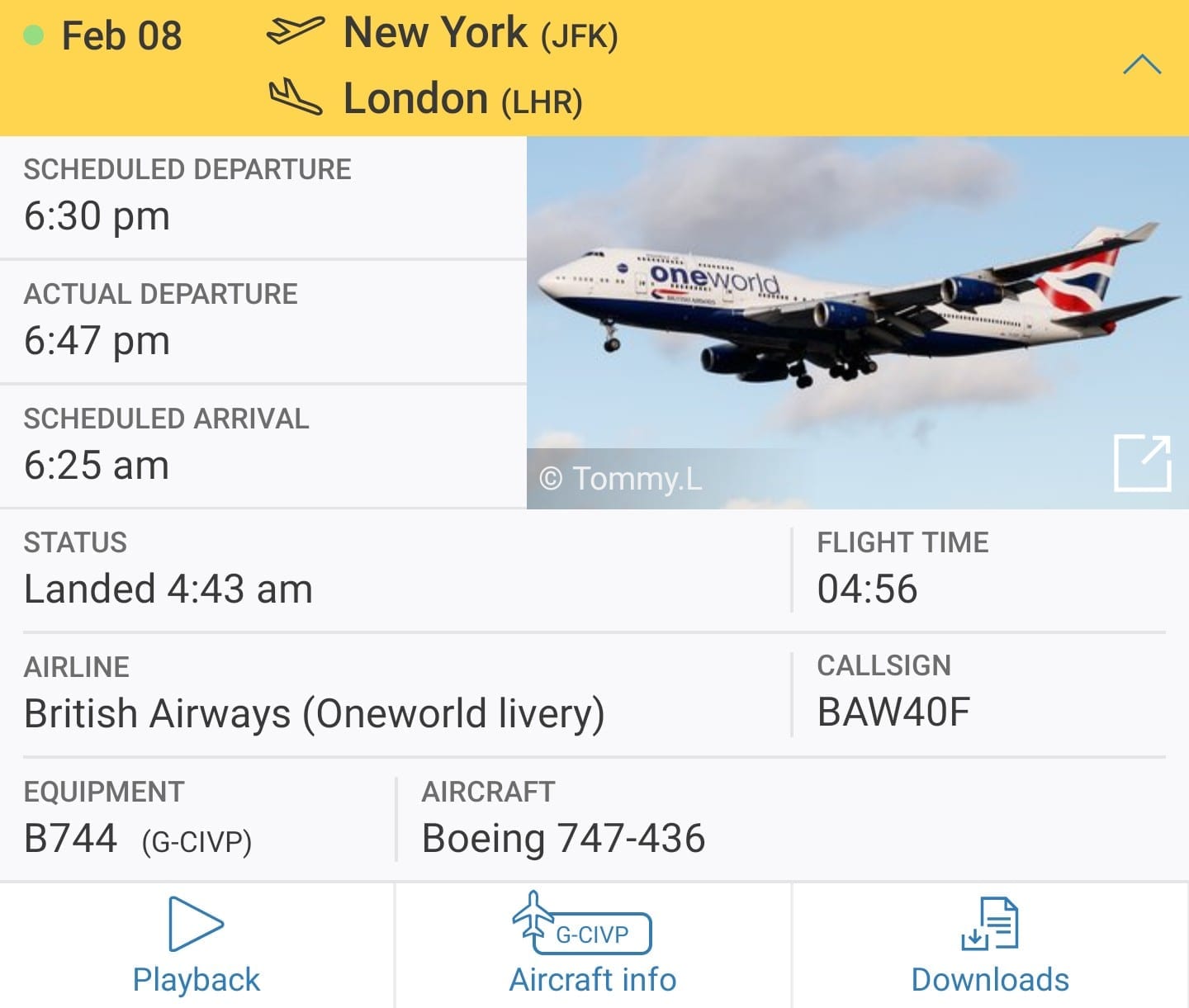
The specific model of aircraft used for your flight plays a considerable role in determining its speed and, consequently, the flight duration. Modern wide-body jets, such as the Boeing 747, Boeing 777, Boeing 787 Dreamliner, or the Airbus A330, Airbus A350, and Airbus A380, are designed for long-haul routes and typically cruise at speeds of around 550 to 590 miles per hour (885 to 950 kilometers per hour). While there isn’t a vast difference in cruising speed between these contemporary jets, subtle variations in their aerodynamic design and engine performance can lead to a few minutes difference in overall flight time. Historically, the supersonic Concorde could complete this journey in under 3.5 hours, but commercial supersonic flights are not currently available for this route. The continuous advancements in aerospace engineering aim to enhance fuel efficiency and reduce emissions, with speed remaining a key factor in competitive offerings.
Wind Conditions: The Powerful Jet Stream
One of the most significant natural influences on transatlantic flight times is the jet stream. This fast-flowing, narrow current of air exists in the atmosphere at altitudes typically flown by commercial aircraft. When flying eastward from North America to Europe, flights often benefit from the tailwind provided by the jet stream, which can significantly boost ground speed. This is why eastbound flights generally take less time than westbound flights on the same route. A strong jet stream can shave 30 minutes to over an hour off the typical flight duration, making an eastbound journey as short as 6 hours and 30 minutes. Conversely, westbound flights, traveling against the jet stream, can take anywhere from 7.5 to over 9 hours, as the aircraft must contend with a headwind. Pilots and air traffic controllers meticulously monitor the jet stream’s position and strength to plan the most efficient and time-saving flight paths.
Flight Path and Air Traffic Control
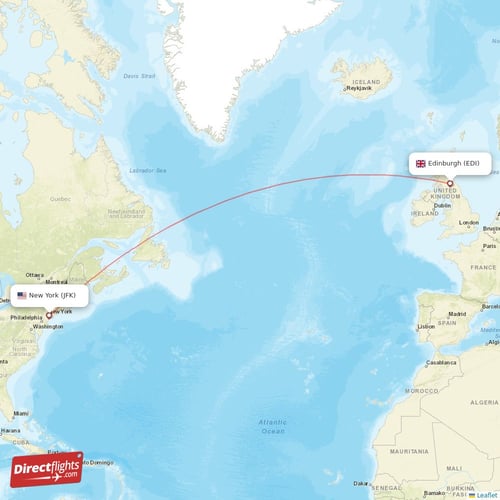
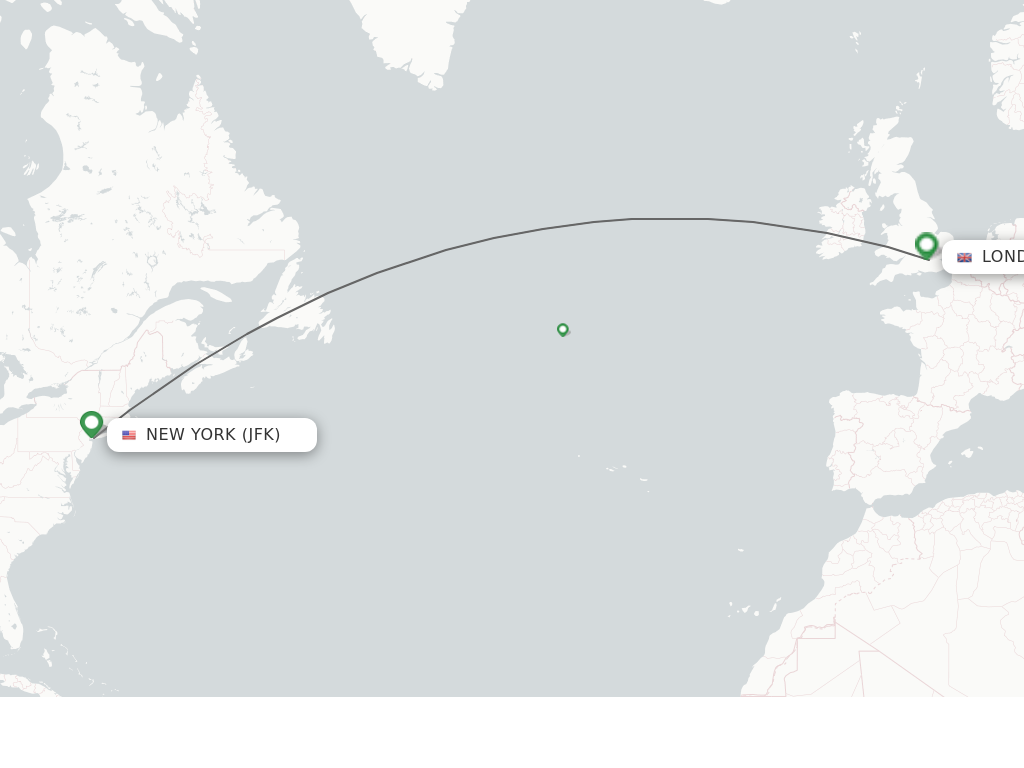
The specific route an aircraft takes is not always a straight line. Air traffic control (ATC) agencies in both the United States and Europe work in conjunction to manage the thousands of flights crossing the Atlantic Ocean daily. Factors such as minimizing fuel consumption, avoiding adverse weather systems (like thunderstorms or turbulence), and adhering to designated air corridors for safety and efficiency all influence the chosen flight path. Deviations from the most direct route can add minutes to the journey. Additionally, airport congestion at departure (e.g., JFK, EWR) or arrival (LHR, LGW) can lead to ground delays, holding patterns in the air, or even slight route adjustments, all of which contribute to the overall time spent traveling.
Planning Your Transatlantic Journey
A smooth journey from New York to London begins long before you step onto the aircraft. Thoughtful planning, from airport selection to understanding in-flight amenities, can transform your travel experience.
Choosing Your Airport
The New York City metropolitan area offers several departure points for international flights, with John F. Kennedy International Airport (JFK) and Newark Liberty International Airport (EWR) being the primary hubs for London-bound flights. LaGuardia Airport (LGA) primarily serves domestic routes. Both JFK and EWR offer a wide range of airlines and flight times, giving travelers flexibility. In London, the main international arrival airports are Heathrow (LHR) and Gatwick (LGW), with Stansted (STN) also serving some transatlantic routes, particularly for budget carriers. Heathrow is generally closer to central London and has more extensive public transport links, while Gatwick often offers competitive fares. Your choice of airport can influence both the cost of your ticket and the convenience of your onward journey. Considering the travel time from your home or initial accommodation to the departure airport, as well as the ease of reaching your final London destination from the arrival airport, is key.
Best Time to Fly
The “best” time to fly depends heavily on your priorities. For cost-conscious travelers, the shoulder seasons (spring and fall) often present a sweet spot of pleasant weather and lower fares compared to the peak summer months or the festive winter holidays. Mid-week flights (Tuesday through Thursday) are typically less expensive than weekend departures. If avoiding crowds and enjoying cooler temperatures are priorities, flying outside of school holidays and major events in either city is advisable. For business travelers, early morning departures from New York can mean an evening arrival in London, allowing for a full night’s sleep before starting work the next day. Conversely, overnight flights (red-eyes) from New York arrive in London in the morning, giving you a full day to explore, albeit with the immediate challenge of jet lag.
Booking Your Flight and Airline Options
Numerous world-class airlines operate direct flights between New York and London, including British Airways, Virgin Atlantic, United Airlines, Delta Airlines, American Airlines, and JetBlue. Each offers a range of service classes, from basic economy to luxurious first class suites. When booking, consider factors beyond just the price, such as baggage allowance, seat pitch, in-flight entertainment, and meal service. Direct flights are always preferable for minimizing travel time and reducing the risk of missed connections, especially for a route of this duration. However, indirect flights with a layover can sometimes be significantly cheaper, offering a trade-off between cost savings and increased travel time. Comparison websites and airline apps are invaluable tools for finding the best deals and itineraries tailored to your needs, whether you prioritize luxury travel or budget travel.
In-Flight Experience and Amenities
The transatlantic journey is a significant block of time, and the in-flight experience can greatly impact your comfort and well-being upon arrival. Modern aircraft are equipped with advanced amenities designed to make the journey enjoyable. Most airlines offer personal entertainment systems with a wide selection of movies, TV shows, music, and games. Wi-Fi access is increasingly common, though often for an additional fee. Meal and beverage services are standard, with options for special dietary requirements usually available if requested in advance. For those seeking enhanced comfort, upgrading to premium economy, business class, or first class provides benefits like more spacious seating, lie-flat beds, gourmet dining, and dedicated service. These upgrades are particularly beneficial for business stays or for travelers who prioritize rest to combat jet lag. Even in economy, bringing a neck pillow, eye mask, noise-canceling headphones, and warm layers can vastly improve your experience.
Preparing for Your Arrival in London
Arriving in a new city, especially after a long flight and across multiple time zones, requires a bit of foresight. Knowing what to expect upon landing in London can help ensure a smooth transition into your United Kingdom adventure.
Navigating Time Zones and Jet Lag
London operates on Greenwich Mean Time (GMT) or British Summer Time (BST) during warmer months, which is typically 5 hours ahead of Eastern Standard Time (EST) in New York. This 5-hour time difference means that a morning departure from New York will result in an evening arrival in London, while an evening departure will lead to a morning arrival. Jet lag is a common side effect of crossing multiple time zones and can manifest as fatigue, disorientation, and difficulty sleeping. To mitigate its effects, start adjusting your sleep schedule a few days before your flight, stay hydrated during the journey, avoid excessive alcohol and caffeine, and expose yourself to natural light upon arrival to help reset your body clock. Try to schedule your arrival so you have time to relax before any major activities.
Ground Transportation from London Airports
London’s major airports are well-connected to the city center and beyond through efficient public transport networks. From Heathrow, the Heathrow Express offers the fastest journey to Paddington Station (around 15-20 minutes), while the Elizabeth Line and Piccadilly Line (part of the London Underground or ‘Tube’) provide more affordable options directly into various parts of central London. From Gatwick, the Gatwick Express takes you to London Victoria Station in about 30 minutes, and regular National Rail services also operate. Stansted Airport is served by the Stansted Express to London Liverpool Street. Taxis and ride-sharing services are also available, but they can be expensive and subject to traffic delays. For budget-conscious travelers or those with family trips, researching and pre-booking your ground transportation is a smart move.
Accommodation Options in London
London offers an extensive array of accommodation options to suit every preference and budget, from opulent luxury hotels to charming boutique hotels, cozy apartments, and budget-friendly hostels. Areas like Mayfair and Kensington are renowned for their upscale hotels and proximity to major landmarks and high-end shopping. Covent Garden and the West End are ideal for theater-goers and those seeking a lively atmosphere. For a more local experience, areas like Notting Hill or Shoreditch offer unique character and a vibrant local culture. Many travelers opt for serviced apartments for longer stays or family trips, providing more space and the convenience of a kitchen. Websites offering booking and comparison services, along with reviews, are invaluable for finding the perfect place, whether you’re looking for a resort with extensive amenities or a quaint bed and breakfast.
Maximizing Your Stay: New York and London Beyond the Flight
The flight is just one part of your adventure. Both New York City and London are treasure troves of attractions, culture, and experiences that deserve ample exploration.
Exploring New York City
Before or after your flight, immerse yourself in the dynamism of New York City. From the iconic Statue of Liberty and the towering Empire State Building to the dazzling lights of Times Square and the world-renowned shows of Broadway, Manhattan alone offers a lifetime of discovery. Take a leisurely stroll through Central Park, explore the diverse neighborhoods, or indulge in retail therapy along Fifth Avenue. New York’s vibrant food scene caters to every palate, from Michelin-starred restaurants to bustling street vendors. For those interested in history and architecture, the city is an open-air museum. Whether you’re on a quick business stay or an extended family trip, New York promises unforgettable memories.
Discovering London’s Charm
Upon landing, London unfurls a tapestry of history, royal grandeur, and contemporary flair. Marvel at the majestic Big Ben and the Houses of Parliament, witness the Changing of the Guard at Buckingham Palace, or delve into centuries of history at the Tower of London and Westminster Abbey. Beyond the famous landmarks, explore the tranquil expanses of Hyde Park, ascend The Shard for breathtaking panoramic views, or immerse yourself in the bustling markets and world-class museums. London’s vibrant lifestyle is also expressed through its diverse culinary scene, iconic theater productions in the West End, and unparalleled shopping opportunities on Oxford Street. Whether you’re navigating the crowds of Piccadilly Circus or enjoying a quiet moment by the River Thames in Trafalgar Square, London offers an endless array of activities and experiences for every type of visitor.
Travel Tips for a Seamless Transatlantic Adventure
To ensure your New York to London journey is as smooth as possible, consider these essential travel tips. Always check visa requirements well in advance, especially with evolving international regulations. Pack an adapter for UK electrical outlets. For communication, consider an international roaming plan or purchasing a local SIM card upon arrival. Embrace public transportation in both cities – it’s often the most efficient and cost-effective way to get around. Utilize travel guides and online resources to plan your itinerary, but also leave room for spontaneous exploration. For those prioritizing budget travel, look for free attractions like parks and museums (many in London have free entry). If planning a long-term stay, research options for furnished apartments or extended-stay hotels. Staying flexible and open to new experiences will enhance your overall adventure.
In conclusion, while the direct flight from New York to London typically spans between 6.5 and 8 hours, this iconic route offers far more than just a duration. It’s an opportunity to bridge continents, cultures, and lifestyles. By understanding the nuances of flight times, preparing for your journey, and eagerly anticipating the rich tapestry of experiences awaiting you in both New York and London, your transatlantic adventure is set to be truly remarkable.
LifeOutOfTheBox is a participant in the Amazon Services LLC Associates Program, an affiliate advertising program designed to provide a means for sites to earn advertising fees by advertising and linking to Amazon.com. Amazon, the Amazon logo, AmazonSupply, and the AmazonSupply logo are trademarks of Amazon.com, Inc. or its affiliates. As an Amazon Associate we earn affiliate commissions from qualifying purchases.