
Traveling from the historic streets of Philadelphia to the tropical shores of Hawaii is a journey that spans nearly the entire width of North America and a significant portion of the Pacific Ocean. For residents of Pennsylvania and the surrounding East Coast region, this trip represents one of the longest domestic flights available within the United States. Understanding the logistics, flight durations, and route options is essential for planning a seamless transition from the “City of Brotherly Love” to the “Aloha State.” Whether you are heading to the bustling city of Honolulu or the serene landscapes of Kauai, the travel time is a major factor that shapes your itinerary and overall vacation experience.
Understanding the Travel Duration and Distance
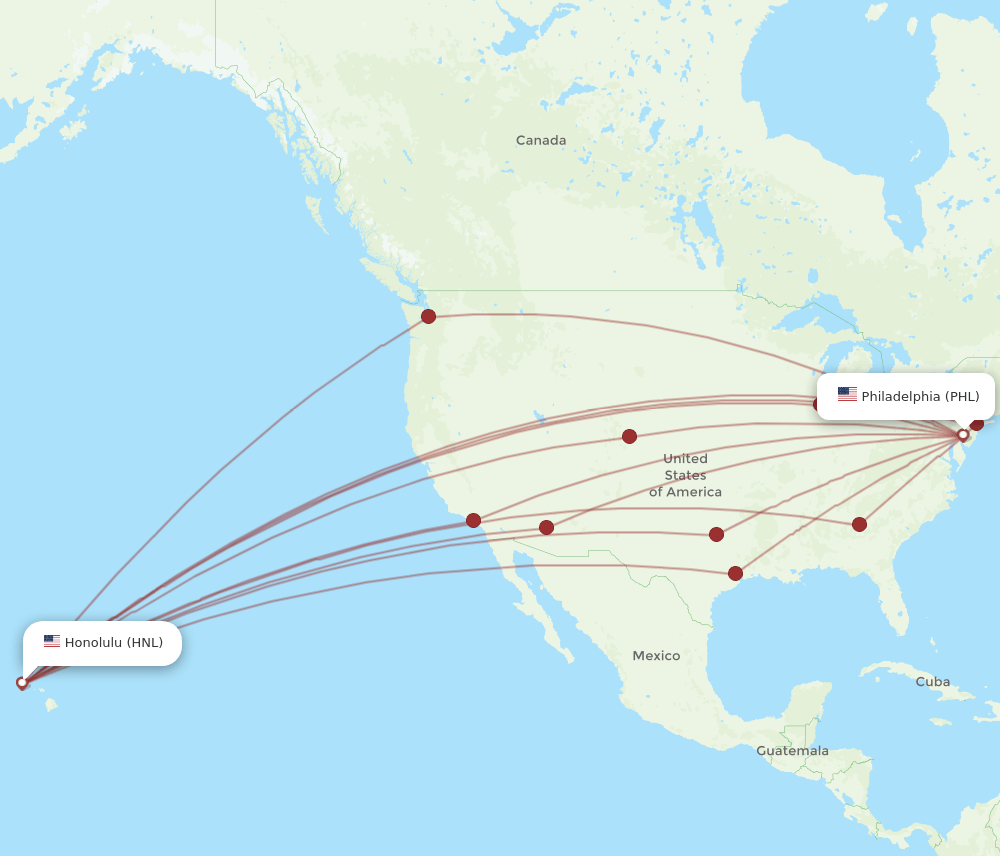
The straight-line distance between Philadelphia International Airport and Daniel K. Inouye International Airport in Oahu is approximately 4,900 miles. To put this in perspective, it is a distance longer than flying from New York to London. Because of this vast distance, the total travel time can vary significantly based on whether you find a rare non-stop flight or, more commonly, opt for a route with one or more layovers.
Direct Flight Realities
Direct flights from Philadelphia to Hawaii are relatively rare and often seasonal. When available, a non-stop flight typically clocks in at around 10 to 11 hours of air time. The westbound journey to the islands takes longer due to the prevailing headwinds (the jet stream), while the eastbound return flight is often an hour or two shorter as the aircraft is pushed along by those same winds. American Airlines has historically been the primary carrier offering these long-haul direct routes, usually focusing on the connection to Honolulu.
Connecting Flight Logistics
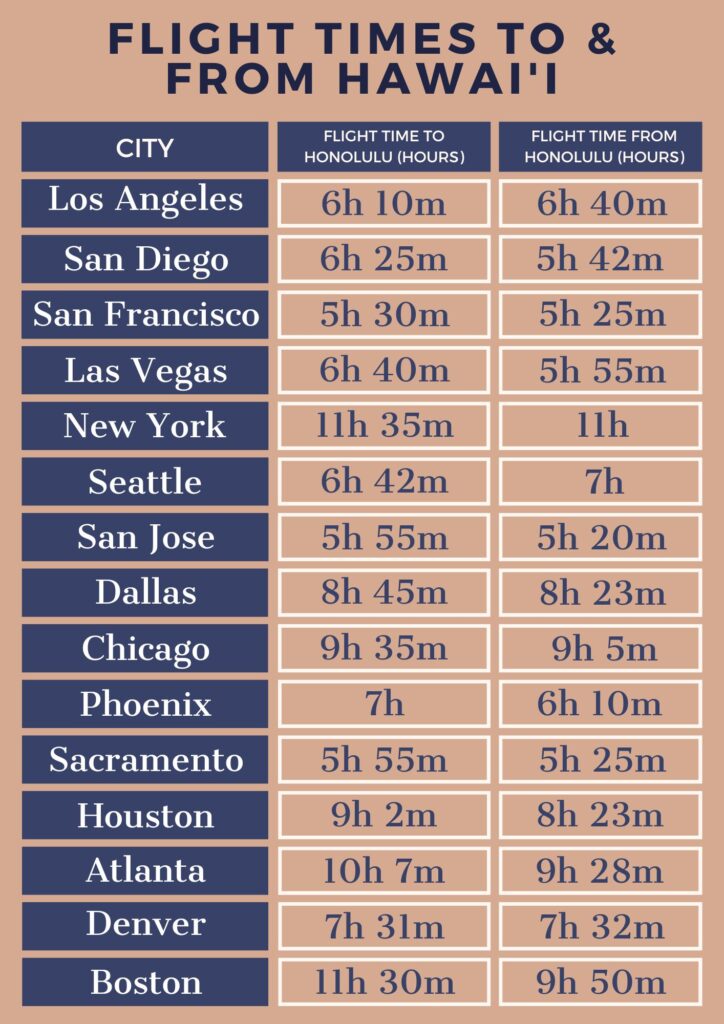
For the majority of travelers, the journey will involve at least one stop. Total travel time for connecting flights usually ranges from 12 to 16 hours, depending on the length of the layover and the location of the hub. Choosing a connection on the West Coast means a long initial leg followed by a shorter 5-to-6-hour jump over the ocean. Conversely, connecting in a mid-country hub like Chicago or Dallas splits the journey more evenly. While the air time remains relatively constant, the “ground time” during layovers is what ultimately determines how long you will be in transit.
Strategic Layover Locations and Airline Options
Choosing where to stop can change the entire dynamic of your trip. Many travelers prefer to break up the journey to minimize the physical toll of sitting in a cabin for ten consecutive hours. Several major airlines operate out of Philadelphia, each utilizing different hub cities as gateways to the Pacific.
West Coast Gateways
Connecting through California or Washington is a popular strategy. United Airlines often routes passengers through San Francisco or Los Angeles. These cities offer a wide array of flight times to various islands, including Maui and the Big Island. A stop at Seattle via Alaska Airlines is another excellent option, especially for those looking to reach the northernmost islands. These West Coast hubs allow travelers to stretch their legs, grab a meal, and prepare for the final 2,500-mile overwater leg of the journey.
Mid-Continent and Southern Hubs
For those who want to get the longest portion of the flying over with first, hubs like Phoenix, Denver, and Dallas are ideal. American Airlines utilizes Phoenix Sky Harbor International Airport and Dallas Fort Worth International Airport as major launching points for Hawaii. Meanwhile, Delta Air Lines frequently routes through Atlanta or Salt Lake City. While these routes might seem slightly out of the way, they often provide more competitive pricing and a greater variety of departure times from Philadelphia International Airport.
The Hawaiian Airlines Experience
While Hawaiian Airlines does not currently operate direct flights out of Philadelphia, many travelers choose to fly a domestic partner to a city like Newark or New York to catch a direct flight on the island carrier. Starting the “vacation” the moment you step on the plane with island-inspired meals and hospitality is a major draw for this route, even if it adds a small amount of travel time to the front end of the trip.
Island Destinations: Where Your Journey Ends
The length of your flight also depends on which specific island you are visiting. Most international and long-haul domestic flights from the United States mainland touch down first on Oahu, but other islands are accessible via direct connections from major mainland hubs.
Oahu and Honolulu
As the primary gateway, Daniel K. Inouye International Airport receives the bulk of traffic. If you are staying in Waikiki Beach or visiting Pearl Harbor, your journey is relatively straightforward. Once you land, the transition to the lush tropics is immediate. The convenience of Honolulu makes it the most time-efficient destination for those coming from the East Coast.
Maui and the Valley Isle
Travelers heading to Maui will likely fly into Kahului Airport. Many flights from Dallas or Los Angeles fly directly into Maui, sparing you the need for an inter-island hop. This can save about 2 to 3 hours of total transit time compared to connecting through Honolulu. Exploring Haleakala National Park or driving the road to Hana is well worth the extra bit of planning required for a direct-to-Maui route.
Kauai and the Big Island
For the more rugged landscapes of the Garden Isle or the volcanic wonders of the Big Island, you will target Lihue Airport or Kona International Airport. While some direct flights exist from West Coast hubs, many travelers from Philadelphia find themselves taking a short inter-island flight from Oahu. These short hops are frequent and offer stunning aerial views of the Pacific Ocean and the Na Pali Coast, making the final leg of the journey feel like a scenic tour.
Essential Preparation for the Long-Haul Journey
A 13-hour travel day requires more than just a packed suitcase; it requires a strategy for comfort and well-being. Transitioning through six time zones can be taxing on the body, so preparation starts before you even leave Philadelphia.
Managing Jet Lag and Time Zones
Hawaii follows Hawaii-Aleutian Standard Time, which does not observe Daylight Saving Time. This means the time difference between Philadelphia and Honolulu is either five or six hours, depending on the time of year. To combat jet lag, experts recommend staying hydrated and attempting to adjust your sleep schedule a few days prior to departure. Once on the plane, try to eat and sleep according to the time at your destination.
In-Flight Comfort and Packing
Because you will be spending nearly half a day in the air, your carry-on should be stocked with essentials. Noise-canceling headphones are invaluable for the long stretches over the Pacific Ocean. Layered clothing is also a must; while Philadelphia International Airport might be chilly, and the airplane cabin even colder, you will want to be able to strip down to lighter gear the moment you step out into the humid, floral-scented air of Hawaii.
Choosing the Best Time to Travel
Seasonality plays a role in both flight duration and cost. During the winter months, the jet stream is stronger, which can add time to your westbound flight but speed up your return to the East Coast. Furthermore, peak travel seasons like Christmas and summer break mean fuller planes and potentially longer wait times at security and connecting gates. Planning your trip during the “shoulder” seasons—such as late spring or early autumn—can result in a more relaxed travel experience and more options for flight routes.
Final Considerations for the Philadelphia Traveler
The flight from Philadelphia to Hawaii is undeniably long, but it is a journey that moves you between two vastly different worlds. From the colonial history and urban density of Pennsylvania to the volcanic peaks of Diamond Head and the canyons of Waimea Canyon, every mile traveled brings you closer to a unique cultural and natural paradise. By understanding the nuances of flight times, the benefits of various hub cities like Houston or Chicago, and the specific arrival requirements of the different islands, you can ensure that your trek across the United States is as comfortable as it is exciting. The “Aloha” spirit is waiting at the end of the 5,000-mile journey, making every hour spent in the air well worth the effort.
LifeOutOfTheBox is a participant in the Amazon Services LLC Associates Program, an affiliate advertising program designed to provide a means for sites to earn advertising fees by advertising and linking to Amazon.com. Amazon, the Amazon logo, AmazonSupply, and the AmazonSupply logo are trademarks of Amazon.com, Inc. or its affiliates. As an Amazon Associate we earn affiliate commissions from qualifying purchases.