
Embarking on a journey from the bustling metropolis of New York to the tranquil shores of Hawaii is a quintessential American dream. This epic transcontinental flight, stretching across thousands of miles and several time zones, represents not just a change in scenery but a profound shift in pace and culture. For many East Coasters, the initial planning question isn’t about which island to visit first, but rather, “How long will it take to get there?” Understanding the duration of this significant flight is crucial for managing expectations, planning itineraries, and preparing for the unique challenges and opportunities of long-haul air travel. While the allure of paradise is undeniable, the journey itself is a substantial part of the adventure, demanding foresight and preparation. This guide delves into the specifics of flight times, routes, and expert tips to ensure your passage from the Atlantic to the Pacific is as smooth and comfortable as possible.
Understanding the Transcontinental Journey
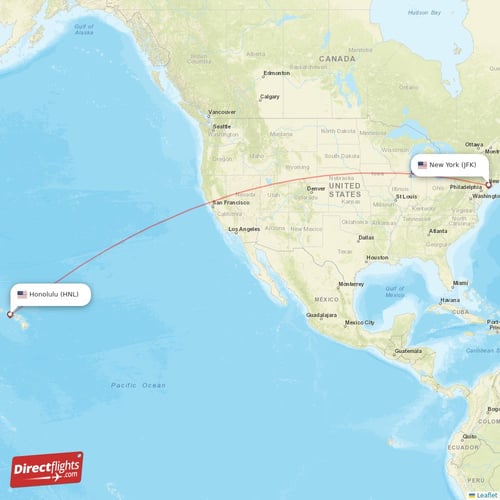
The flight from New York to Hawaii is one of the longest domestic routes in the United States, spanning approximately 4,900 miles (about 7,900 kilometers). This considerable distance necessitates a significant time commitment, often pushing the boundaries of what many travelers consider a typical flight. Preparing for this journey involves more than just packing a suitcase; it requires an understanding of the logistics, potential variations, and strategies for maintaining comfort over an extended period in the air.
The Direct Flight Experience
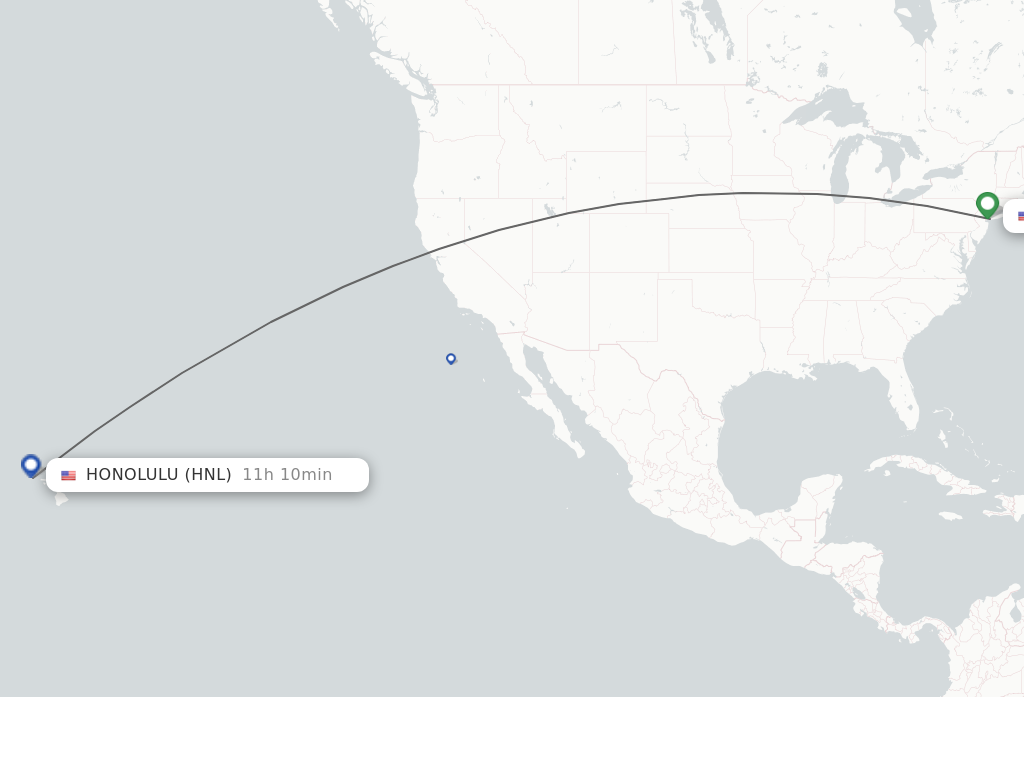
For travelers prioritizing speed and convenience, direct flights offer the most straightforward path from the East Coast to the Aloha State. These non-stop services bypass the need for layovers, significantly reducing overall travel time and mitigating the complexities associated with connecting flights. Typically, a direct flight from New York to Honolulu (Daniel K. Inouye International Airport, HNL) on Oahu can range anywhere from 10 to 11.5 hours.
A flight departing from a New York City airport such as John F. Kennedy International Airport (JFK) or Newark Liberty International Airport (EWR) typically targets HNL as the primary entry point to the islands. Some airlines also offer direct services to Maui’s Kahului Airport (OGG), which might be slightly shorter due to its geographical position relative to the mainland. While direct flights offer unparalleled efficiency, their availability can vary by season and airline, often commanding a premium price.
Factors Influencing Flight Duration
Several variables can impact the precise duration of your flight from New York to Hawaii, even for direct routes. Understanding these factors can help travelers anticipate minor fluctuations in their itinerary:
- Tailwinds and Headwinds: Atmospheric conditions, particularly jet streams, play a significant role. Flights traveling westward from New York to Hawaii often encounter headwinds, which can increase flight time. Conversely, eastbound flights from Hawaii to New York benefit from tailwinds, potentially shortening the journey by an hour or more.
- Aircraft Type: Modern, fuel-efficient aircraft like the Boeing 787 Dreamliner or Airbus A330/A350 are designed for long-haul travel and can often maintain higher cruising speeds, slightly reducing travel time compared to older models.
- Air Traffic Control (ATC) Delays: Congestion at departure or arrival airports, particularly at busy hubs like JFK, EWR, or HNL, can lead to ground delays or holding patterns in the air, adding to the overall trip duration.
- Specific Route Path: While flights generally follow a great-circle route for efficiency, minor adjustments due to weather systems or restricted airspace can lead to slight variations in flight path and, consequently, duration.
Major Departure and Arrival Hubs
The choice of departure and arrival airports significantly influences both the directness and the overall length of your flight. New York City offers several major international airports, while Hawaii has primary gateways that connect to various islands.
New York City Airports: JFK, LGA, and EWR
Travelers departing from the New York metropolitan area primarily have three options:
- John F. Kennedy International Airport (JFK): Located in Queens, JFK is New York City’s busiest international gateway and offers the most frequent direct flights to Hawaii. It serves as a major hub for Delta Air Lines and American Airlines, among others, often providing competitive direct routes.
- Newark Liberty International Airport (EWR): Situated in Newark, New Jersey, EWR is a major hub for United Airlines and also offers direct services to Hawaii. For residents of New Jersey or those preferring United, EWR is often the most convenient choice.
- LaGuardia Airport (LGA): While LGA has undergone extensive modernization, it primarily handles domestic flights to destinations east of the Mississippi River. Therefore, direct flights to Hawaii are not typically available from LGA, and travelers would need to connect elsewhere.
Hawaii’s Gateway Airports: HNL and Beyond
While HNL on Oahu is the primary entry point, Hawaii boasts several international airports, each serving a distinct island:
- Daniel K. Inouye International Airport (HNL) – Oahu: As the busiest airport in Hawaii, HNL receives the vast majority of direct flights from the mainland, including New York. Most long-haul flights from the East Coast will land here first.
- Kahului Airport (OGG) – Maui: Increasingly, airlines offer direct service to OGG from major mainland cities. Some New York flights might offer direct service, or you might find a single connection to Maui via HNL or a West Coast city. Direct flights to OGG are similar in length to HNL.
- Kona International Airport (KOA) – Big Island: Fewer direct flights from the East Coast service KOA, but connections are readily available, typically through HNL or West Coast hubs.
- Lihue Airport (LIH) – Kauai: Similar to KOA, LIH primarily relies on connecting flights, making it a slightly longer journey overall from New York.
If your final destination is not Oahu, factor in an additional inter-island flight, which typically adds 30 minutes to an hour of flight time plus transit time between flights.
Direct vs. Connecting Flights: Time and Trade-offs
The decision between a direct flight and one with a layover often boils down to a balance between cost, convenience, and tolerance for extended travel. Both options have their merits and drawbacks, particularly for a journey of this magnitude.
The Appeal of Non-Stop Service
Direct flights are undeniably the fastest way to get from New York to Hawaii. With an average flight time of 10 to 11.5 hours, they eliminate the stress of tight connections, potential baggage transfers, and the added time spent waiting in other airports. This uninterrupted travel allows passengers to settle in, enjoy in-flight entertainment, sleep, and arrive at their destination without the multiple disruptions inherent in connecting itineraries. For business travelers or those with limited vacation time, the value of saving several hours can outweigh the higher ticket price often associated with direct routes. Furthermore, minimizing touchpoints reduces the chances of lost luggage or missed connections, offering greater peace of mind.
Navigating Layover Options
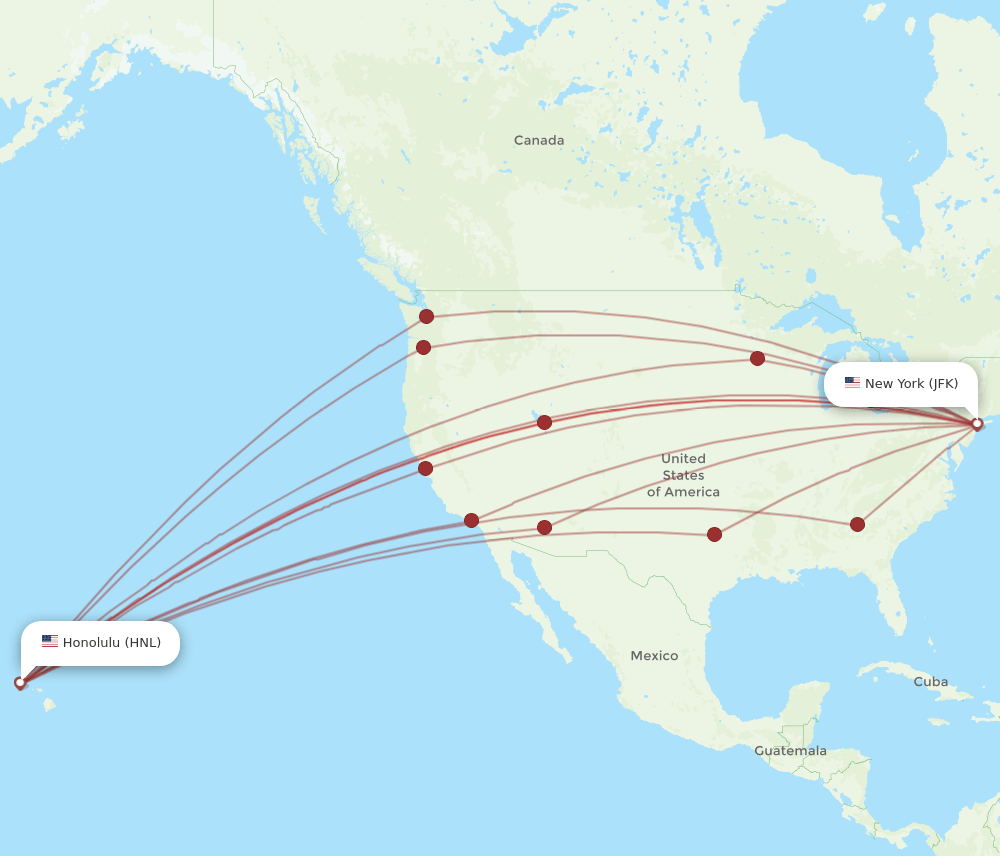
For many travelers, a connecting flight is a more practical or budget-friendly option. While adding several hours to the total journey, layovers can make the long flight feel more manageable by breaking it into segments. A typical connecting flight from New York to Hawaii will range from 14 to 20+ hours, depending on the length and number of layovers. The most common connection points are major West Coast hubs.
Common Connecting Cities
Should you opt for a connecting flight, you’ll likely pass through one of these major cities:
- Los Angeles (LAX): As a primary gateway to Hawaii, Los Angeles International Airport offers abundant flights and usually competitive prices. The flight from New York to LAX is approximately 5.5-6 hours, followed by another 5.5-6 hours to HNL.
- San Francisco (SFO): Another popular West Coast hub, San Francisco International Airport provides similar flight durations and connectivity to Hawaii as LAX.
- Phoenix (PHX), Salt Lake City (SLC), and Denver (DEN): These airports are also frequently used as connection points, particularly by airlines like American Airlines, Delta Air Lines, and United Airlines. While slightly further east than LAX or SFO, they offer viable options, especially if you find a good fare.
- Seattle (SEA): Seattle-Tacoma International Airport is a hub for Alaska Airlines, which offers numerous flights to Hawaii.
When booking a connecting flight, pay close attention to the layover duration. A short layover (under 1.5-2 hours) might be risky for such a long journey, especially if there are delays. A layover that is too long can unnecessarily prolong your travel day.
Preparing for Your Long-Haul Flight
A flight to Hawaii from New York is an endurance test for even seasoned travelers. Thoughtful preparation can make a significant difference in your comfort and overall experience.
Essential Packing Tips
What you bring in your carry-on can be your best friend on a 10+ hour flight:
- Comfortable Clothing: Wear loose, breathable layers. The cabin temperature can fluctuate, and layers allow you to adjust.
- Neck Pillow and Eye Mask: Essential for quality rest.
- Headphones: Noise-canceling headphones are invaluable for blocking out engine hum and cabin chatter, allowing you to enjoy entertainment or sleep.
- Entertainment: While airlines offer in-flight entertainment, having your own downloaded movies, TV shows, podcasts, or books ensures you have options, especially if the in-flight system malfunctions.
- Snacks and Water Bottle: Flight attendants will offer drinks and meals, but having your preferred snacks and a refillable water bottle (filled after security) ensures you stay hydrated and satiated.
- Toiletries: A small bag with a toothbrush, toothpaste, moisturizer, lip balm, and hand sanitizer can make you feel refreshed.
- Medication: Keep any essential medications in your carry-on.
Strategies for Comfort and Well-being
Beyond what you pack, how you approach the flight itself can impact your comfort:
- Stay Hydrated: Drink plenty of water before, during, and after the flight. Avoid excessive alcohol and caffeine, which can contribute to dehydration and disrupt sleep.
- Move Around: Periodically get up and walk the aisle, or do some in-seat stretches to promote blood circulation and prevent stiffness or deep vein thrombosis (DVT).
- Manage Screen Time: While entertainment is key, staring at screens for hours can contribute to eye strain and disrupt sleep patterns. Try to vary your activities.
- Prioritize Sleep: If your flight is overnight, try to align your sleep schedule with your destination’s time zone as much as possible, even before you depart.
Combating Jet Lag
Traveling across six time zones (Eastern Time to Hawaii Standard Time) virtually guarantees jet lag. Proactive measures can mitigate its effects:
- Adjust Before Departure: A few days before your flight, gradually shift your bedtime and wake-up time closer to Hawaii’s local time.
- Hydrate and Avoid Alcohol/Caffeine: As mentioned, these can worsen jet lag symptoms.
- Embrace the New Time Zone Immediately: Upon arrival, adjust your watch to local time and try to stick to local eating and sleeping schedules, regardless of how you feel. Expose yourself to natural light during the day and minimize it at night.
- Get Sunlight: Sunlight helps reset your body’s internal clock. Spend time outdoors in the morning after you arrive.
- Gentle Activity: Light exercise can help you feel more alert and sleep better later.
Optimizing Your Travel Plans
Planning your trip strategically can lead to a more efficient and enjoyable journey to Hawaii. This includes considering when to book and which airlines might best suit your needs.
When to Book for Best Fares and Routes
- Advance Booking: For such a popular route, booking 3-6 months in advance is generally recommended, especially if you’re traveling during peak seasons (summer, holidays, spring break). This increases your chances of securing direct flights and better fares.
- Flexibility with Dates: If your travel dates are flexible, consider flying during off-peak times (e.g., late spring/early fall, excluding holidays) or on weekdays, which often have lower demand and prices.
- Price Alerts: Set up fare alerts with various flight comparison websites. This way, you’ll be notified when prices drop for your desired route and dates.
Choosing the Right Airline
Several major carriers offer service from New York to Hawaii, both direct and connecting. The “best” airline often depends on your priorities:
- Direct Flight Providers: Look for United Airlines (from EWR) and Hawaiian Airlines (from JFK) for the most consistent direct service to HNL. Delta Air Lines and American Airlines also offer direct options, particularly during peak seasons.
- Comfort and Amenities: For a 10+ hour flight, cabin comfort, seat pitch, in-flight entertainment, and meal service can significantly impact your experience. Research airline reviews specific to long-haul economy or business class if you’re upgrading.
- Loyalty Programs: If you’re a member of an airline loyalty program, consider flying with them to earn or redeem miles, which can be a valuable perk for such a long journey.
The flight from New York to Hawaii is a testament to modern air travel’s ability to bridge vast distances. While undeniably long, with careful planning and an understanding of the factors involved, this journey can be a comfortable and exciting prelude to your Hawaiian adventure. From selecting the right flight to preparing for the hours in the air, every step contributes to a smoother transition from the East Coast’s hustle to the serene beauty of the Pacific.
LifeOutOfTheBox is a participant in the Amazon Services LLC Associates Program, an affiliate advertising program designed to provide a means for sites to earn advertising fees by advertising and linking to Amazon.com. Amazon, the Amazon logo, AmazonSupply, and the AmazonSupply logo are trademarks of Amazon.com, Inc. or its affiliates. As an Amazon Associate we earn affiliate commissions from qualifying purchases.