
Embarking on a journey from the sun-drenched shores of California to the vibrant, ancient, and futuristic landscapes of Japan is an adventure that many dream of. Whether you’re planning a trip to explore the bustling neon-lit streets of Tokyo, the serene temples of Kyoto, or the culinary delights of Osaka, one of the first questions on every traveler’s mind is, “How long will it take to get there?” The trans-Pacific flight is a significant part of the experience, and understanding its duration, factors influencing it, and how to make it comfortable is crucial for planning your perfect Japanese getaway.
This comprehensive guide delves into everything you need to know about flying from California to Japan, offering insights into typical flight times, major airports, airline options, and essential tips for a smooth and enjoyable journey. From beating jet lag to choosing the best accommodation, we’ll equip you with the knowledge to transform your long-haul flight into a seamless part of your incredible travel story.
Understanding Flight Durations: Direct vs. Connecting Flights
The duration of your flight from California to Japan can vary significantly depending on whether you opt for a direct flight or one with layovers. Both options present different benefits, from speed and convenience to potential cost savings and opportunities to break up the journey.
Direct Flights: The Fastest Path Across the Pacific
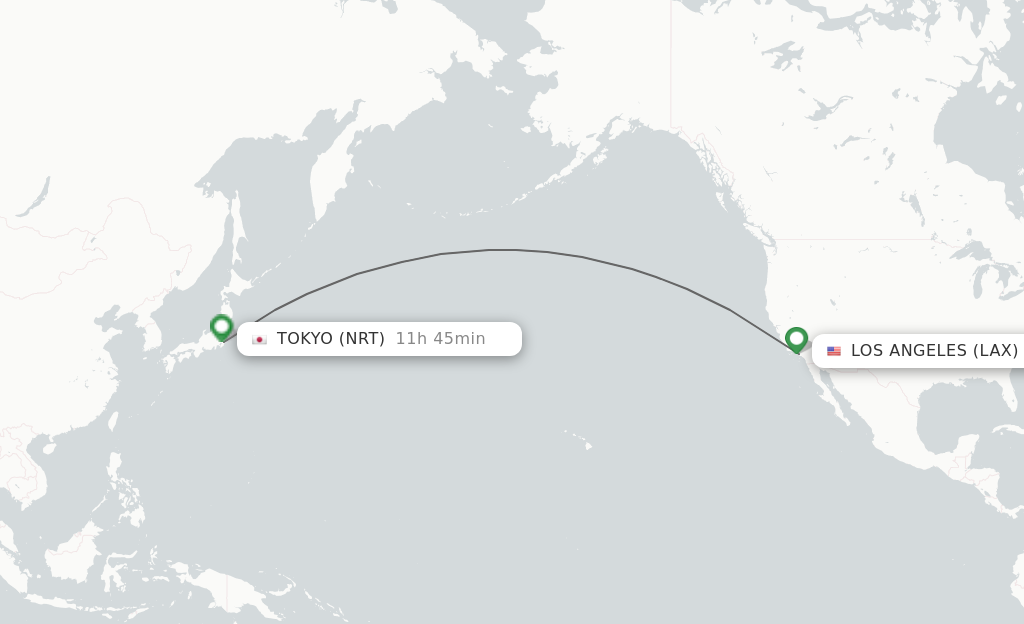
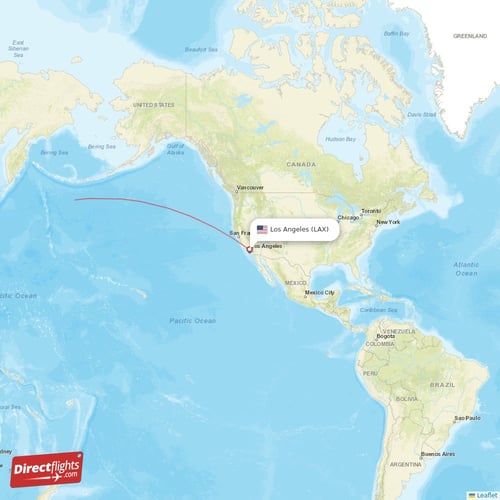
For those prioritizing speed and minimal hassle, direct flights are undoubtedly the best choice. These non-stop journeys typically range from 9 to 11 hours, depending on your departure city in California and your arrival city in Japan. The slightly shorter duration when flying westward is partly due to the jet stream, which often provides a tailwind.
Major international airports in California offering direct services to Japan include:
- Los Angeles International Airport (LAX)
- San Francisco International Airport (SFO)
- San Diego International Airport (SAN)
On the Japanese side, the primary international gateways are:
- Narita International Airport (NRT), serving the greater Tokyo area.
- Haneda Airport (HND), also serving Tokyo and often preferred for its closer proximity to the city center.
- Kansai International Airport (KIX), serving the Osaka, Kyoto, and Kobe regions.
Airlines frequently operating direct routes include United Airlines, Japan Airlines (JAL), ANA All Nippon Airways, and Delta Air Lines. These carriers often boast modern fleets, such as the Boeing 787 Dreamliner and Airbus A350, designed to enhance long-haul comfort.
Connecting Flights: Exploring Flexibility and Cost Savings
For travelers who are more budget-conscious or prefer to break up a lengthy flight, connecting flights offer a viable alternative. These flights typically range from 13 to 20+ hours, largely depending on the layover duration and the number of stops. While longer, they can often be significantly cheaper than direct flights.
Common layover cities for flights from California to Japan include other major US hubs like Seattle or Portland, or even cities in other Pacific Rim countries such as Seoul, Taipei, or Honolulu. Airlines like Korean Air, Asiana Airlines, China Airlines, and EVA Air frequently offer connecting routes, often providing excellent service and a chance to experience another airport. This option might also appeal to travelers looking to visit multiple destinations or those who find a single long flight too arduous. The trade-off for the extended travel time is often a more attractive price point, making Japan more accessible for some.
Factors Influencing Your Flight Time to Japan
While direct flights generally adhere to a predictable schedule, several elements can influence the precise flight duration, sometimes adding an hour or two to the journey. Understanding these factors can help manage expectations and prepare for potential variations.
Aircraft Type and Air Speed
Modern aircraft like the Boeing 787 Dreamliner, Airbus A350, or Boeing 777 are designed for long-haul travel, combining fuel efficiency with optimal cruising speeds. Newer models generally fly faster and more directly, which can shave off some time compared to older aircraft. These planes are also equipped with advanced navigation systems that allow pilots to choose the most efficient flight path.
Wind Patterns and Jet Streams
One of the most significant natural factors affecting trans-Pacific flight times is the jet stream. These high-altitude, fast-moving air currents typically flow from west to east. This means that flights from California to Japan (westbound) often fly against a headwind or slightly crosswind, making the journey longer than the eastbound return flight. Conversely, the return journey from Japan to California benefits from a strong tailwind, often cutting an hour or more off the flight time. The exact strength and position of the jet stream vary daily, leading to slight fluctuations in flight duration.
Departure and Arrival Airports
The geographical distance between your specific departure airport in California and your arrival airport in Japan also plays a role. For instance, a flight from San Diego to Kansai International Airport (KIX) near Osaka might have a slightly different duration than a flight from Los Angeles International Airport (LAX) to Narita International Airport (NRT) near Tokyo, simply due to varying nautical miles. While the difference is usually minor (perhaps 30-60 minutes), it contributes to the overall flight time calculation.
Air Traffic Control and Delays
While not directly impacting the flying time, air traffic control (ATC) restrictions, gate availability, runway congestion, and unforeseen operational delays at either end can add to the total travel time. Peak travel seasons or adverse weather conditions can also lead to reroutes or holding patterns, extending the actual time spent from gate to gate. It’s always wise to build in some buffer time, especially if you have connecting flights or tight schedules upon arrival.
Preparing for Your Trans-Pacific Journey: Tips for a Comfortable Flight
A long-haul flight across the Pacific Ocean requires some preparation to ensure you arrive in Japan feeling as refreshed as possible. Focusing on comfort, hydration, and managing jet lag can significantly enhance your experience.
Beating Jet Lag and Staying Hydrated
The time difference between California and Japan is substantial, typically 16 hours (e.g., if it’s 1 PM in California, it’s 5 AM the next day in Japan). This makes jet lag a real concern.
- Adjust Before You Fly: A few days before your trip, try to shift your sleep schedule by an hour or two each day towards your destination’s time zone.
- Stay Hydrated: Drink plenty of water before, during, and after your flight. Avoid excessive alcohol and caffeine, which can exacerbate dehydration and disrupt sleep patterns.
- Move Around: Get up and stretch every couple of hours. Walk the aisles if permitted. This helps with circulation and reduces the risk of deep vein thrombosis (DVT).
- Melatonin: Some travelers find melatonin helpful for resetting their internal clock. Consult with a healthcare professional before use.
- Embrace the New Time: Once you land, try to immediately adopt the local time, exposing yourself to sunlight during the day and minimizing artificial light at night to help your body adjust faster.
In-Flight Comfort Essentials
Making your seat a comfortable sanctuary is key for a long flight.
- Comfortable Clothing: Opt for loose, breathable layers. Compression socks can also be beneficial for circulation.
- Entertainment: While airlines offer in-flight entertainment, having your own loaded tablet, e-reader, or headphones (noise-canceling are a lifesaver!) ensures you have options you enjoy.
- Neck Pillow, Eye Mask, Earplugs: These small items can make a huge difference in achieving quality rest on the plane.
- Snacks: Pack some healthy snacks like nuts, fruit, or granola bars to avoid relying solely on airline food or to bridge gaps between meals.
- Basic Toiletries: A travel-sized toothbrush, toothpaste, moisturizer, and lip balm can help you feel refreshed.
Choosing the Right Seat
When booking your ticket, consider your preferences for seating:
- Window vs. Aisle: A window seat offers views and a wall to lean on for sleep, but an aisle seat provides easier access to restrooms and the ability to stretch your legs without disturbing others.
- Exit Rows/Bulkhead: These seats often come with extra legroom, which is a significant advantage on long flights. They might incur an additional cost but can be well worth it.
- SeatGuru/Airline Maps: Use online resources like SeatGuru or review airline seat maps to understand the layout and potential quirks of your specific aircraft before selecting a seat.
- Premium Economy/Business Class: If your budget allows, upgrading to premium economy or business class can drastically improve comfort with more spacious seats, better recline, and enhanced service, making the long journey much more manageable.
Arriving in Japan: Beyond the Flight
Once your flight touches down, the real adventure begins. Japan offers an incredibly diverse range of experiences, from ancient traditions to cutting-edge modernity, all supported by world-class infrastructure and hospitality.
Popular Destinations and Activities
Japan boasts a wealth of iconic destinations and activities:
- Tokyo: Explore the vibrant districts of Shibuya (home to the famous Shibuya Crossing), the luxury boutiques of Ginza, the tech hub of Akihabara, and the traditional charm of Asakusa. Don’t miss the panoramic views from the Tokyo Skytree or a visit to the serene Imperial Palace grounds.
- Kyoto: Immerse yourself in ancient Japan with visits to Fushimi Inari-taisha (with its thousands of torii gates), the tranquil Arashiyama Bamboo Grove, and numerous Zen gardens and geisha districts.
- Osaka: Known for its lively food scene, Osaka Castle, and entertainment districts like Dotonbori. It’s also home to Universal Studios Japan.
- Hiroshima: A city of peace and remembrance, home to the Peace Memorial Park and the iconic Itsukushima Shrine on Miyajima Island.
- Beyond: Consider a trip to Hakone for views of Mount Fuji, or the snow monkeys of Jigokudani.
Accommodation Options for Every Traveler
Japan’s accommodation landscape is as diverse as its culture, catering to every budget and travel style.
- Luxury Hotels: In major cities like Tokyo and Kyoto, you’ll find world-class hotels from brands like Four Seasons, Ritz-Carlton, and Park Hyatt, offering impeccable service and amenities. Areas like Shinjuku, Ginza, and near Kyoto Station are popular for their convenience and offerings.
- Traditional Ryokans: For a unique cultural experience, stay in a ryokan, a traditional Japanese inn, especially in scenic areas or smaller towns. These often include tatami rooms, futon beds, and multi-course kaiseki dinners.
- Business Hotels: Widely available and often very efficient, these hotels are a great mid-range option, known for their cleanliness and compact, functional rooms.
- Capsule Hotels: For budget travelers or a truly unique stay, capsule hotels offer small, private sleeping pods with shared facilities, mostly found in urban centers.
- Apartments and Guesthouses: Airbnb and similar platforms offer private apartments and guesthouses, ideal for families or longer stays, allowing you to experience local living.
Experiencing Japanese Culture and Cuisine
Japan’s rich culture and exquisite cuisine are central to any visit.
- Food: Indulge in authentic sushi, savory ramen, delicate tempura, and grilled yakitori. Don’t shy away from street food or exploring a local izakaya.
- Traditions: Participate in a traditional tea ceremony, witness a sumo wrestling match, or visit a serene Shinto shrine or Buddhist temple.
- Festivals: Plan your trip around one of Japan’s many vibrant festivals (matsuri) to experience local traditions and community spirit.
- Onsen: Relax and rejuvenate in a natural hot spring (onsen), a quintessential Japanese experience, often found in picturesque settings.
Booking Your Flight and Planning Your Trip
With a better understanding of flight durations and what awaits you in Japan, the next step is to plan and book your journey effectively.
Best Time to Book and Travel
- Booking: Generally, the sweet spot for booking international flights to Japan from California is 2 to 4 months in advance. This period often yields the best balance between availability and price. Booking too early or too late can result in higher fares.
- Travel Seasons:
- Peak Season (Spring & Autumn): Spring (March to May) for cherry blossoms and autumn (October to November) for vibrant fall foliage are incredibly popular. While beautiful, expect higher prices for flights and accommodation, and larger crowds at popular attractions.
- Shoulder Season (Early Summer & Late Winter): Early summer (June) and late winter (February) can offer a good compromise. The weather is generally pleasant, and crowds are thinner than peak seasons.
- Off-Peak Season (Winter & Mid-Summer): Winter (December to January, excluding holidays) can offer lower prices, and opportunities for skiing or enjoying festive illuminations. Mid-summer (July-August) can be hot and humid, but you might find better deals and experience unique summer festivals.
Utilizing Travel Resources
To find the best deals and organize your trip, leverage various travel resources:
- Flight Aggregators: Websites like Google Flights, Skyscanner, and Kayak allow you to compare prices across multiple airlines and find the most cost-effective options, whether direct or connecting.
- Airline Websites: Sometimes, booking directly on the airline’s official website (e.g., Japan Airlines, ANA All Nippon Airways, United Airlines) can offer exclusive deals, better seat selection, or more flexible change policies.
- Travel Guides and Blogs: Consult online travel guides, blogs, and forums for detailed itineraries, local tips, and reviews of hotels and attractions. This website (LifeOutTheBox) itself offers a wealth of information on destinations, hotels, and travel experiences.
- Accommodation Booking Platforms: Use sites like Booking.com, Agoda, or Expedia to compare hotel prices, read reviews, and secure your stays. For long-term stays or unique experiences, Airbnb remains a popular choice.
- Travel Insurance: Always consider purchasing travel insurance to protect your investment against unforeseen circumstances, from flight delays to medical emergencies.
In conclusion, flying from California to Japan is a journey of approximately 9 to 11 hours for direct flights, extending to 13-20+ hours for connecting routes. While it’s a significant amount of time in the air, with careful planning, attention to in-flight comfort, and an understanding of what to expect upon arrival, this trans-Pacific adventure can be just as enjoyable as the destination itself. So, pack your bags, prepare for a captivating cultural immersion, and get ready to experience the wonders of Japan!
LifeOutOfTheBox is a participant in the Amazon Services LLC Associates Program, an affiliate advertising program designed to provide a means for sites to earn advertising fees by advertising and linking to Amazon.com. Amazon, the Amazon logo, AmazonSupply, and the AmazonSupply logo are trademarks of Amazon.com, Inc. or its affiliates. As an Amazon Associate we earn affiliate commissions from qualifying purchases.