
Embarking on a journey from the bustling metropolis of New York City to the dazzling entertainment capital of Las Vegas is a popular venture for millions each year. Whether you’re planning a spontaneous weekend getaway, a much-anticipated family vacation, a crucial business trip, or a luxurious escape, understanding the flight duration is often the first step in your travel itinerary. The direct flight time from the New York area to Las Vegas, Nevada, generally ranges from 5 hours to 5 hours and 45 minutes. However, this seemingly straightforward answer merely scratches the surface of what influences your total travel time and overall experience. Factors such as the specific departure airport, the airline you choose, the type of aircraft, prevailing winds, and whether you opt for a direct or connecting flight, all play significant roles.
Beyond the actual time spent airborne, the journey between these two iconic cities offers a gateway to vastly different worlds – from the East Coast’s historical depth and urban sophistication to the West Coast’s vibrant energy and desert allure. This guide delves into the specifics of flight durations, offers insights into optimizing your travel, and provides comprehensive advice on making the most of your trip, encompassing everything from airport navigation and airline choices to accommodation, attractions, and lifestyle experiences in Las Vegas. Prepare to transform your understanding of this cross-country flight into a well-planned adventure, ensuring a seamless transition from the concrete jungle of New York to the luminous Las Vegas Strip.
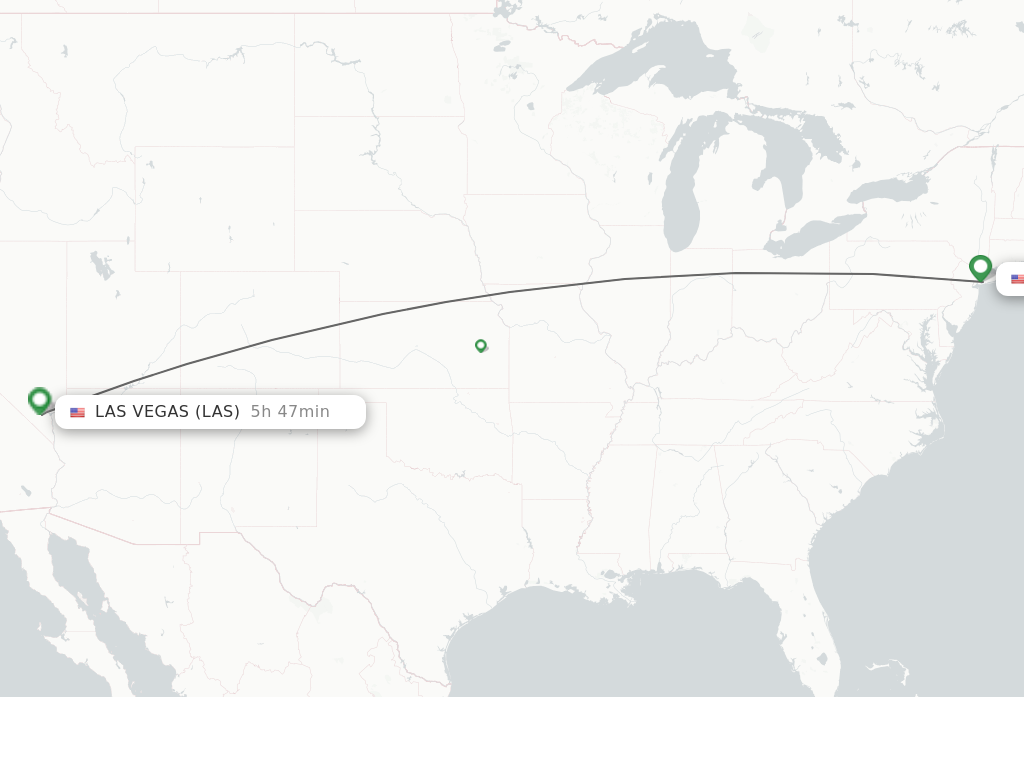
Understanding Flight Durations: Factors at Play
The advertised flight time is often an average, and several elements can either shorten or extend your time in the air. While a direct flight is the fastest way to get from New York to Las Vegas, understanding these nuances can help you plan more effectively and set realistic expectations for your journey.
Direct vs. Connecting Flights
The primary determinant of total travel time is whether your flight is direct or involves layovers.
- Direct Flights: As mentioned, these typically range from 5 hours to 5 hours and 45 minutes. This is the most efficient option for those prioritizing speed and convenience. Major airlines such as Delta Air Lines, United Airlines, American Airlines, JetBlue Airways, Southwest Airlines, Spirit Airlines, and Frontier Airlines offer numerous direct routes daily from various New York area airports to Las Vegas.
- Connecting Flights: These flights include one or more layovers at an intermediate airport, drastically increasing total travel time. Depending on the length of the layover and the number of connections, total travel time can range from 7 hours to over 12 hours. While often cheaper, connecting flights require careful consideration of the trade-off between cost savings and additional travel time and potential hassle. Travelers might choose connecting flights for more flexible scheduling, specific airline preferences, or if they wish to break up a long journey. However, for a cross-country trip like New York to Las Vegas, direct flights are usually preferred for their efficiency.
Factors Affecting Airspeed and Route
Even for direct flights, minor variations in flight duration can occur due to several meteorological and operational factors:
- Headwinds and Tailwinds: The jet stream, a band of strong winds high in the atmosphere, predominantly flows from west to east across North America. This means that flights traveling from east to west (like New York to Las Vegas) often encounter headwinds, which can slow down the aircraft and extend the flight time. Conversely, flights from west to east (e.g., Las Vegas back to New York) often benefit from tailwinds, shortening the journey. A strong headwind can add 15-30 minutes to a cross-country flight.
- Aircraft Type: Different aircraft models have varying cruising speeds and operational efficiencies. A modern Boeing 737 or Airbus A320, commonly used on this route, will generally maintain a consistent speed, but larger, wide-body aircraft might have slightly different performance characteristics.
- Air Traffic Control (ATC) and Route Optimization: ATC directives can influence the flight path, potentially requiring minor detours or holding patterns, especially around busy airspaces like New York or Las Vegas. Airlines also utilize sophisticated flight planning software to optimize routes for fuel efficiency and speed, taking into account weather patterns and airspace congestion.
Navigating Time Zones
A significant aspect of traveling from New York to Las Vegas is the three-hour time difference. New York operates on Eastern Time Zone (ET), while Las Vegas is in the Pacific Time Zone (PT). This means that if you depart New York at 9:00 AM ET on a 5-hour flight, you will arrive in Las Vegas around 2:00 PM ET, which translates to 11:00 AM PT. While the actual flight time is relatively long, the time zone change can make it feel shorter upon arrival, allowing you to gain a few hours in your day in Las Vegas. Conversely, returning to New York will involve “losing” three hours, making the return flight feel longer. Awareness of this time difference is crucial for scheduling activities upon arrival and managing potential jet lag.
Planning Your Trip: Flights and Airports
The journey begins long before you board the plane, starting with selecting the right airports and airlines. New York offers multiple major international airports, providing travelers with flexibility and choice, while Las Vegas is primarily served by one main gateway.
New York Area Airports: JFK, LaGuardia, and Newark
Travelers departing from the New York metropolitan area have three main options, each with its own advantages:
- John F. Kennedy International Airport (JFK): Located in Queens, JFK is New York City‘s largest and busiest airport, serving as a major international hub. It offers a wide array of domestic flights, including numerous direct options to Las Vegas from various carriers. While further from Manhattan than LaGuardia, JFK boasts excellent public transport links, including the AirTrain connection to the subway and Long Island Rail Road (LIRR), making it accessible despite its distance.
- LaGuardia Airport (LGA): Also in Queens, LaGuardia is closer to Manhattan and primarily handles domestic flights. While historically known for its older infrastructure, extensive renovations have transformed LGA into a modern and efficient airport. It offers a good selection of direct flights to Las Vegas, particularly for those residing closer to the city center or seeking a shorter commute to the airport.
- Newark Liberty International Airport (EWR): Situated in Newark, New Jersey, EWR serves the New York metropolitan area and is a major hub for United Airlines. It offers numerous direct flights to Las Vegas and is often a convenient choice for travelers coming from New Jersey or parts of New York accessible via NJ Transit or the AirTrain Newark.
When choosing your departure airport, consider your home location, transportation costs and time to the airport, and the availability and pricing of flights.
Arriving in Las Vegas: Harry Reid International Airport
Upon arrival in Las Vegas, you’ll land at Harry Reid International Airport (LAS), formerly known as McCarran International Airport. LAS is incredibly convenient, located just a few miles south of the Las Vegas Strip and Downtown Las Vegas. Taxis, rideshares, shuttles, and rental cars are readily available, making it easy to reach your accommodation quickly. Many hotels on the Strip are within a 10-15 minute drive, ensuring you can begin your Las Vegas adventure almost immediately after landing.
Choosing Your Airline
The choice of airline can impact not only the price but also the in-flight experience, baggage policies, and loyalty program benefits.
- Full-Service Carriers: Airlines like Delta Air Lines, United Airlines, and American Airlines often provide amenities such as in-flight entertainment, Wi-Fi (for a fee), complimentary snacks and beverages, and more generous baggage allowances (though checked bags usually incur a fee). They also tend to have more flexible change policies.
- Budget Carriers: Spirit Airlines, Frontier Airlines, and Southwest Airlines (which operates on a different model with two free checked bags) offer lower base fares but charge extra for almost everything else, including carry-on bags, seat selection, and refreshments. While this can lead to significant savings, it’s crucial to factor in all potential add-on costs to determine the true price of your ticket.
- Hybrid Carriers: JetBlue Airways often strikes a balance, offering competitive fares with a strong emphasis on passenger comfort, including more legroom in economy and free in-flight entertainment.
When selecting an airline, consider your priorities: is it the lowest possible fare, maximum comfort, specific departure times, or loyalty program benefits? For a 5-hour flight, comfort and available amenities might become more important considerations than on a shorter journey.
Beyond the Flight: Making the Most of Your Las Vegas Experience
Once your flight duration and travel logistics are sorted, the real fun begins: planning your activities in Las Vegas. Known globally as “The Entertainment Capital of the World,” Las Vegas offers an unparalleled array of experiences, catering to every taste and budget. Our website’s focus on Travel, Hotels, Tourism, Accommodation, Landmarks, and Lifestyle makes it the perfect resource to help you curate an unforgettable trip.
Las Vegas Attractions and Entertainment
From world-class shows to thrilling adventures, Las Vegas never disappoints.
- The Las Vegas Strip: This iconic stretch is home to many of the city’s most famous resorts, each a destination in itself. Walk the Strip to marvel at architectural wonders, the dancing fountains of the Bellagio, the volcanic eruptions at The Mirage, or the street performers.
- World-Class Shows: Las Vegas is synonymous with spectacular entertainment. Catch a resident headliner concert, be mesmerized by a Cirque du Soleil production, enjoy a magic show, or laugh out loud at a comedy performance. Booking tickets in advance, especially for popular shows, is highly recommended.
- Casinos and Gaming: For those interested in gaming, the options are endless, from slot machines and poker rooms to blackjack and roulette tables found in every major resort like Caesars Palace, The Venetian Resort, Wynn Las Vegas, and MGM Grand.
- Fremont Street Experience: Head to Downtown Las Vegas for a different vibe. The Fremont Street Experience features a massive overhead LED canopy with dazzling light and sound shows, live music, street performers, and the exhilarating SlotZilla zipline.
Dining and Culinary Experiences
Las Vegas is a foodie paradise, boasting an incredible concentration of celebrity chef restaurants, fine dining establishments, and diverse culinary options. Whether you crave a Michelin-starred meal, an all-you-can-eat buffet, or casual street food, you’ll find it here. Many resorts feature multiple restaurants, offering everything from exquisite French cuisine to authentic Italian pasta, Japanese sushi, and classic American steakhouses. Be sure to explore the unique dining concepts offered within hotels like Aria Resort & Casino or The Cosmopolitan of Las Vegas.
Exploring Beyond the Strip
While the Strip offers endless entertainment, Las Vegas’s surrounding natural beauty provides a stunning contrast and opportunities for outdoor adventure.
- Grand Canyon: A day trip or overnight stay to the Grand Canyon is a must-do for many visitors. Whether by bus, helicopter, or self-drive, seeing this natural wonder is an unforgettable experience.
- Hoover Dam: An engineering marvel, the Hoover Dam is a short drive from Las Vegas and offers fascinating tours of its structure and history.
- Red Rock Canyon National Conservation Area: Just a 30-minute drive from the Strip, Red Rock Canyon provides a scenic escape with stunning geological formations, hiking trails, and rock climbing opportunities.
- Valley of Fire State Park: Nevada’s oldest state park features brilliant red Aztec sandstone outcrops and ancient petroglyphs, perfect for photography and light hiking.
- Death Valley National Park: For the adventurous, a visit to Death Valley National Park, one of the hottest places on Earth, offers unique desert landscapes, salt flats, and sand dunes.
Accommodation Choices in Las Vegas
Your choice of accommodation is central to your Las Vegas experience. The city offers an extensive range, from opulent five-star resorts to more budget-friendly hotels and long-term stay options, fitting every travel style and budget. Our website, focusing on Hotels, Accommodation, and Lifestyle, aims to guide you through these diverse choices.
Luxury Resorts and Hotels
Las Vegas is renowned for its iconic luxury resorts, which are destinations in themselves, offering far more than just a place to sleep. Properties like the Bellagio, Caesars Palace, The Venetian Resort, Wynn Las Vegas, Aria Resort & Casino, and The Cosmopolitan of Las Vegas redefine hospitality. They often feature:
- Lavish Suites: Many resorts boast expansive suites with breathtaking views, luxurious amenities, and personalized services, perfect for a high-end experience or a special occasion.
- World-Class Amenities: Expect multiple swimming pools, high-end spas, state-of-the-art fitness centers, designer shopping arcades, and a multitude of dining options, from casual cafes to Michelin-starred restaurants.
- Integrated Entertainment: These resorts often host their own casinos, theaters for resident shows, nightclubs, and bars, meaning you might not even need to leave the property for a full day of entertainment.
- Service Excellence: Concierge services, valet parking, and personalized guest experiences are hallmarks of these establishments, catering to those seeking a truly indulgent escape.
For a luxury traveler or someone planning a milestone celebration, these resorts offer an immersive, all-encompassing experience. Booking well in advance, especially during peak seasons or for specific events, is advisable to secure preferred rates and room types.
Budget-Friendly Stays
While Las Vegas has a reputation for extravagance, it also offers a surprising number of affordable accommodation options, particularly off the Strip or in Downtown Las Vegas.
- Off-Strip Hotels: Properties a little further from the main action, but still offering comfortable stays and convenient access via rideshares or public transport, can significantly reduce costs.
- Downtown Las Vegas Hotels: Hotels around the Fremont Street Experience often provide competitive rates with a lively, albeit different, atmosphere than the Strip.
- Motels and Extended Stay Options: For budget-conscious travelers or those on long-term stays, various motels and extended-stay properties are available, offering basic amenities and often kitchenette facilities.
- Booking Tips: To find the best deals, consider traveling during off-peak seasons (like summer months, when temperatures are high, or mid-week), booking several months in advance, and comparing prices across different booking platforms. Look for deals that bundle hotel and flight packages.
Unique Accommodation Experiences
Beyond the traditional hotel and resort model, Las Vegas also caters to niche preferences:
- Boutique Hotels: Smaller, more intimate hotels offering unique design and personalized service can be found both on and off the Strip, catering to travelers looking for something distinct from the mega-resorts.
- Vacation Rentals: Platforms offering apartments, villas, or entire homes can be a great option for families, groups, or those seeking a more local experience with cooking facilities, especially for longer stays.
- Pet-Friendly Options: Many hotels and resorts now welcome furry friends, allowing you to bring your pets along on your Las Vegas adventure.
When making your accommodation choice, consider your travel style (luxury, budget, family trip, business stay), desired amenities, proximity to attractions, and transportation needs. Reading recent reviews and comparing options is essential for a satisfying stay.
Maximizing Your New York to Las Vegas Journey
A long flight like New York to Las Vegas (5+ hours) requires a bit of preparation to ensure a comfortable and enjoyable experience. Beyond the flight itself, planning for your arrival and overall trip budget can enhance your adventure. This section, touching on elements of Lifestyle and Travel, offers practical tips for a seamless journey.
Packing Essentials and Comfort Tips
- In-Flight Comfort: Dress in comfortable layers, as cabin temperatures can fluctuate. Bring a neck pillow, eye mask, and earplugs or noise-canceling headphones for optimal rest. A good book, downloaded movies or podcasts, or a fully charged tablet will help pass the time. Don’t forget a portable charger for your devices.
- Hydration: Air travel can be dehydrating. Drink plenty of water before, during, and after your flight. Avoid excessive alcohol or caffeine.
- Movement: On a long flight, it’s important to move around. Stand up, stretch, and walk the aisle periodically to promote circulation and prevent stiffness. Simple in-seat exercises can also help.
- Snacks: While airlines offer snacks, having your own healthy options can be a lifesaver, especially if you have dietary restrictions or preferences.
- Essentials in Carry-On: Keep all vital medications, valuables, and a change of clothes in your carry-on in case of any checked baggage delays.
Budgeting for Your Las Vegas Adventure
Las Vegas can be as expensive or as affordable as you make it. Strategic budgeting is key to enjoying your trip without breaking the bank.
- Flight and Accommodation: These are often the largest expenses. Book flights and hotels in advance for better rates. Consider package deals that bundle flights and accommodation.
- Food and Drink: While fine dining is abundant, you can save money by utilizing happy hour specials, visiting buffets, or exploring more casual eateries off the Strip. Many hotels offer in-room refrigerators, allowing you to store snacks and drinks.
- Entertainment: Look for free attractions like the Bellagio Fountains, the Mirage Volcano, or the Fremont Street Experience. Consider purchasing discount tickets for shows and attractions from reputable vendors.
- Transportation: While walking the Strip is an option, taxis, rideshares, and the monorail are convenient. For excursions outside the city, renting a car might be more economical for groups.
- Gambling: Set a strict budget for gambling and stick to it. View it as entertainment rather than a means to win money.
- Resort Fees: Be aware that most Las Vegas hotels charge a daily resort fee, which can add a significant amount to your total bill. Factor this into your budgeting.
The Best Time to Visit
The time of year you choose to visit Las Vegas can greatly impact your experience and the availability/cost of flights and hotels.
- Spring (March to May) and Fall (September to November): These are generally considered the best times to visit. The weather is pleasant and warm, ideal for exploring the Strip and venturing to nearby natural attractions like Red Rock Canyon or the Grand Canyon. However, these are also peak seasons, so expect higher prices and larger crowds.
- Summer (June to August): Temperatures in Las Vegas can soar well over 100°F (38°C) during the summer. While this means pool parties are in full swing, outdoor activities can be challenging. Flights and hotel rates might be lower due to the heat, offering a more budget-friendly option if you plan to spend most of your time indoors or by the pool.
- Winter (December to February): Winters are mild, with cooler temperatures, making it comfortable for outdoor exploration. Holidays like New Year’s Eve or major conventions can see prices skyrocket, but other times in winter might offer good deals.
By considering these factors and planning your trip meticulously, your flight from New York to Las Vegas will be just the beginning of a fantastic journey, whether it’s for luxury travel, a budget-friendly escape, a family adventure, or a successful business stay.
LifeOutOfTheBox is a participant in the Amazon Services LLC Associates Program, an affiliate advertising program designed to provide a means for sites to earn advertising fees by advertising and linking to Amazon.com. Amazon, the Amazon logo, AmazonSupply, and the AmazonSupply logo are trademarks of Amazon.com, Inc. or its affiliates. As an Amazon Associate we earn affiliate commissions from qualifying purchases.