
Navigating the operational landscape of a business, particularly a Limited Liability Company (LLC), involves understanding the lifespan of various pieces of information and the requirements for maintaining good standing. While the core business structure of an LLC in Florida doesn’t have an inherent expiration date, the information associated with it, and the entity’s ability to conduct business smoothly, are contingent on timely filings and updates. This article delves into the nuances of LLC information in Florida, clarifying what “good for” truly means in this context, and how to ensure your business remains compliant and operational. We will explore the initial formation, ongoing maintenance, and the implications of outdated information across various facets of business operations, touching upon aspects relevant to travel, hospitality, tourism, accommodation, landmarks, and lifestyle.

The Florida Division of Corporations mandates that LLCs are formed and maintained in accordance with state laws. Unlike some business structures that may require periodic re-registration, an LLC in Florida, once formed, continues to exist until it is formally dissolved. However, the “information” related to your LLC is what requires continuous attention. This includes registered agent details, principal office addresses, and the annual report. Failure to keep these updated can lead to a loss of good standing, which has significant repercussions for a business.
The Foundation: Formation and Initial Information
When you establish an LLC in Florida, you provide a wealth of initial information to the state. This includes the LLC name, the name and address of the registered agent, the principal place of business, and the names of the members or managers. This foundational information is critical for the LLC’s legal existence and its ability to enter into contracts, open bank accounts, and operate.
The Registered Agent: A Lifeline of Information
The registered agent is a pivotal role. This individual or entity is designated to receive official legal and tax documents on behalf of the LLC. The registered agent’s information—their name and physical street address in Florida—must be accurate and kept current. If the registered agent resigns or moves, the LLC is legally obligated to appoint a new one within a specific timeframe. Failure to maintain a valid registered agent can lead to service of process being delivered to the Secretary of State, which can result in default judgments against the LLC if not addressed promptly. The information about your registered agent is, therefore, “good for” as long as that individual or entity continues to serve effectively and their details on file with the state are accurate. This is a critical piece of information that needs constant vigilance, especially for businesses that might be planning extensive travel or extended stays away from their registered address, perhaps exploring the diverse offerings of a Florida destination like Orlando or a coastal gem like Miami Beach.
Principal Office Address: The Business’s Home Base
Similarly, the principal office address is where the main business operations are conducted. While this can be a physical address, it’s important to note that for some businesses, especially those operating primarily online or managed remotely, this might require careful consideration. The state needs a verifiable location to associate with the LLC. If this address changes, it must be updated with the Division of Corporations. This ensures that any official correspondence reaches the intended business. This information is “good for” as long as the LLC continues to operate from that designated location. For a business that might be managing bookings for luxury villas in Palm Beach or coordinating tours around the Everglades National Park, having a stable and correctly listed principal office is crucial.
Maintaining Good Standing: The Annual Report and Beyond
The concept of “good for” in the context of LLC information in Florida is most directly tied to the requirement of filing an annual report. This report serves as a mechanism for the state to verify and update key information about the LLC, ensuring that the information on file is current.
The Annual Report: A Recurring Necessity
In Florida, all LLCs are required to file an annual report with the Department of State. This report is due each year between January 1st and May 1st. The primary purpose of the annual report is to confirm the LLC‘s registered agent and office information, and to list the names and business addresses of its principal officers or managers. The fee for filing the annual report is modest, but the consequences of not filing it are significant.
What Happens If You Don’t File?
If an LLC fails to file its annual report by the deadline, the state will not automatically dissolve the company. Instead, the LLC will be automatically administratively dissolved on the third Friday in September of the year the report was due. This means the LLC effectively ceases to exist as a legal entity in the eyes of the state. Once administratively dissolved, the LLC loses its ability to conduct business legally, enter into contracts, sue or be sued in its own name, and its assets may become personally liable for its debts. The information contained within the annual report—the registered agent and principal office—is therefore “good for” the period from its filing until the next annual report is due. It’s a continuous cycle of verification. For a travel agency in Tampa or a resort management company in Key West, this administrative dissolution can have catastrophic consequences, potentially impacting their ability to book accommodations or arrange experiences for their clients.
Updating Information: When and How
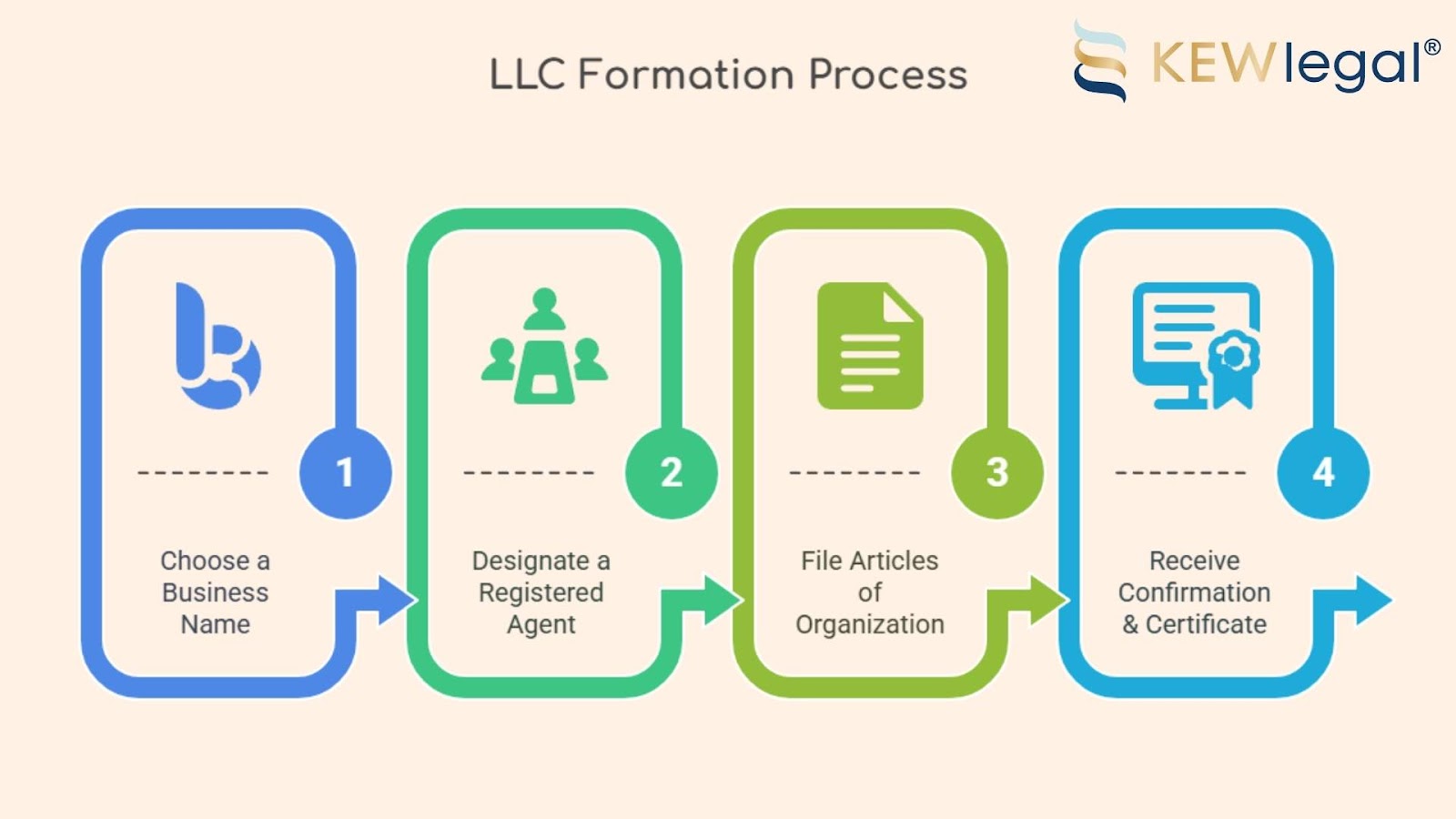
It’s not just the annual report that dictates the validity of information. Any significant change to your LLC‘s core details should be reported to the Division of Corporations.
Changes to Registered Agent or Office
If your registered agent resigns or your principal office address changes, you must file an “Amendment to Articles of Organization” to update this information. This filing is separate from the annual report. The information on your registered agent and office is considered “good for” the duration it is accurately reflected in the state’s records. If you are moving your operations from a bustling city like Jacksonville to a more tranquil setting in the Florida Keys, ensuring this update is made promptly is essential.
Changes in Management or Membership
While changes in management or membership might not always require an immediate amendment to the Articles of Organization unless the operating agreement specifies, they are often reflected in the annual report. The names and addresses of the principal officers or managers provided in the annual report are “good for” the period until the next annual report is filed, at which point they should be updated if there have been changes. This is particularly relevant for businesses involved in managing properties or offering guided tours, where key personnel are vital.
The Broader Implications of LLC Information Validity
The “goodness” of LLC information extends beyond just state compliance. It has practical implications for various business activities, including those related to travel, accommodation, and tourism.
Banking and Contracts: Trust and Credibility
Financial institutions and business partners rely on accurate and up-to-date information to verify the legitimacy of an LLC. When opening a business bank account, applying for loans, or entering into significant contracts, the provided LLC information must align with state records. Outdated information can lead to delays, rejections, or even a complete breakdown of trust. For a boutique hotel in St. Augustine seeking a business loan or a tour operator in Fort Lauderdale negotiating with a cruise line, accurate LLC details are paramount.
Legal Protection: The Shield of Good Standing
The primary benefit of forming an LLC is the protection it offers to its owners from personal liability for business debts and lawsuits. This shield is only effective as long as the LLC is in good standing with the state. If an LLC loses its good standing due to non-compliance with filing requirements, this legal protection can be compromised. This means that if a lawsuit arises, the personal assets of the members could be at risk. Imagine a scenario where a tourist has a negative experience at a resort managed by your LLC and decides to sue. If your LLC is not in good standing, your personal assets could be exposed. This underscores how critical maintaining accurate and up-to-date information is for the very existence and purpose of the LLC.
Business Operations: Smooth Sailing
For businesses deeply embedded in Florida‘s vibrant tourism sector, like those managing luxury apartment rentals in Clearwater or operating adventure parks near Orlando, smooth operational flow is key. This includes everything from receiving important legal notices to ensuring that vendor agreements remain valid. If your LLC information is not current, you might miss crucial communications, leading to missed opportunities or unexpected liabilities. For example, a landmark attraction might need to update its partnership agreements, and if your registered agent’s information is outdated, you might not receive the notification in time.

Conclusion: Vigilance is Key to Longevity
In Florida, LLC information doesn’t have a fixed expiration date in the way a perishable good does. Instead, its validity is intrinsically linked to the ongoing requirements of state law and the diligent actions of the LLC‘s management. The formation documents are the bedrock, but it is the consistent maintenance—particularly the annual report filing and prompt updates to registered agent and office information—that keeps the LLC in good standing and its information truly “good for” business.
For any LLC operating in Florida, understanding that timely filings and accurate records are not mere administrative tasks but essential components for legal existence, financial stability, and operational success is crucial. Whether you are a burgeoning startup in Tallahassee or an established hospitality group managing a portfolio of resorts across Florida, a proactive approach to managing your LLC information ensures that your business can continue to thrive, offering exceptional experiences to travelers, securing investments, and protecting the personal assets of its owners for years to come. The “goodness” of your LLC information is, therefore, a direct reflection of your commitment to maintaining your business’s legal integrity and operational readiness.
LifeOutOfTheBox is a participant in the Amazon Services LLC Associates Program, an affiliate advertising program designed to provide a means for sites to earn advertising fees by advertising and linking to Amazon.com. Amazon, the Amazon logo, AmazonSupply, and the AmazonSupply logo are trademarks of Amazon.com, Inc. or its affiliates. As an Amazon Associate we earn affiliate commissions from qualifying purchases.