
Welcoming a new addition to the family is a momentous occasion, bringing with it immense joy, significant adjustments, and often, a myriad of questions about how to best manage this transformative period. For expectant and new parents in California, understanding the intricacies of maternity leave is paramount. Beyond the essential legal frameworks, this extended time off from work presents a unique opportunity to redefine family lifestyle, consider new approaches to travel, and explore accommodation options that cater to the evolving needs of a growing family. This guide delves into the specifics of maternity leave in the Golden State, offering a comprehensive look at the various protections and benefits available, while also exploring how this period can be integrated with broader lifestyle choices, including family-focused travel and local tourism.
The duration and structure of maternity leave in California are often more generous than in many other parts of the United States, thanks to a combination of state and federal laws. These provisions aim to support mothers through pregnancy, childbirth recovery, and the critical early bonding period with their newborns. However, navigating these different acts and benefits can be complex. From understanding your eligibility for paid and unpaid leave to strategizing how to best utilize this time, planning is key. This planning extends beyond simply securing time off work; it encompasses how you envision your family’s lifestyle during this period, whether that involves quiet time at home, local excursions, or even dreaming up future family travel adventures. The intersection of comprehensive maternity benefits and the unique opportunities they create for family life is a significant consideration for many parents.
Understanding California’s Maternity Leave Landscape
California’s robust framework for maternity and family leave is designed to provide substantial support for expectant and new parents. This framework is a layered system, combining federal protections with more expansive state-specific benefits. At its core, it addresses two main phases: the period of disability related to pregnancy and childbirth, and the subsequent period of bonding with a new child. Understanding each component is crucial for maximizing your leave and ensuring a smooth transition into parenthood. These protections not only offer peace of mind but also open up possibilities for how families structure their initial months together, influencing everything from daily routines to potential leisure activities and travel considerations.
Pregnancy Disability Leave (PDL): A Foundation for Expectant Mothers
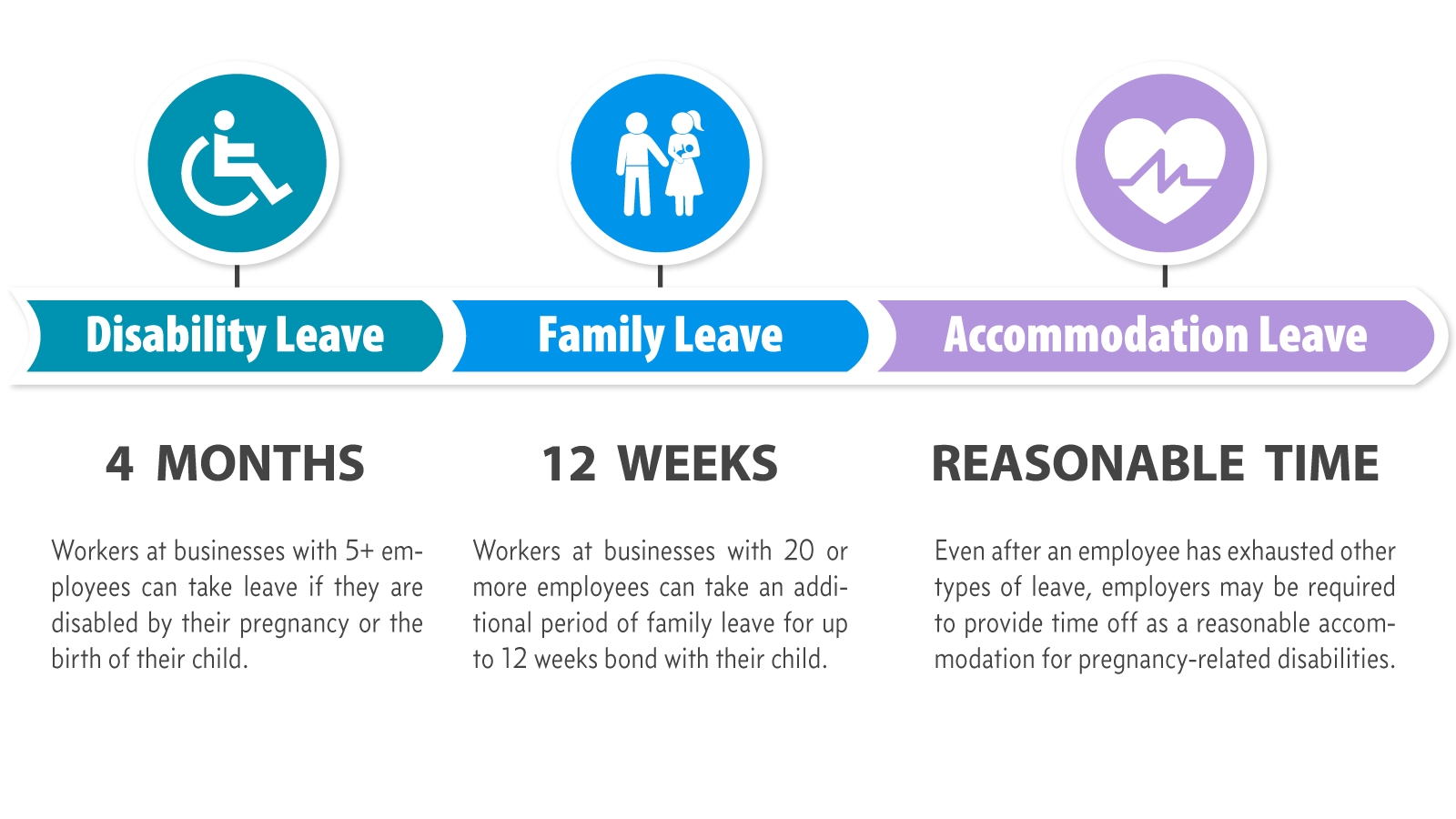
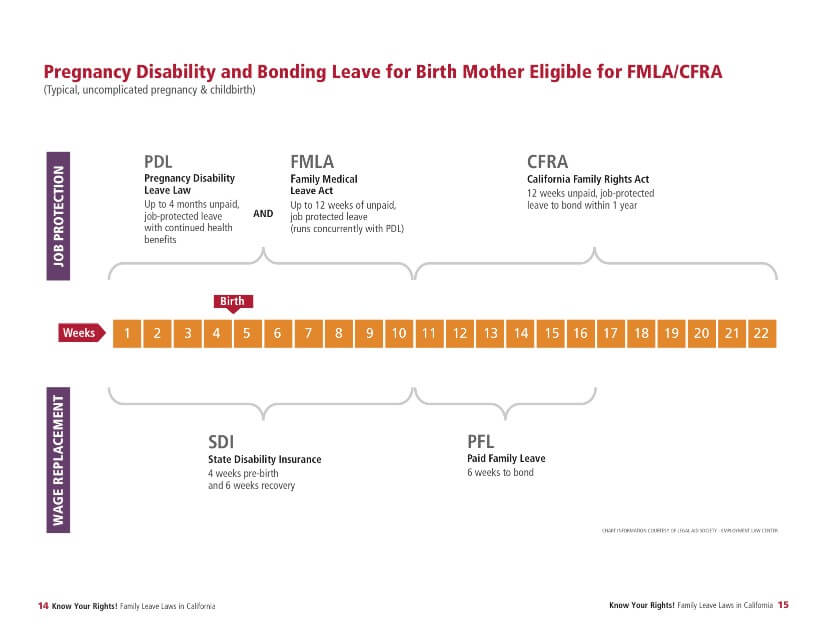
The first crucial component for many expectant mothers in California is Pregnancy Disability Leave (PDL). This state law applies to employers with five or more employees and provides up to four months (or 17 ⅓ weeks) of unpaid, job-protected leave for employees disabled by pregnancy, childbirth, or a related medical condition. This leave can be taken before or after childbirth, or intermittently, depending on medical necessity. For a typical vaginal delivery, doctors generally certify disability for up to four weeks before the estimated due date and six weeks after birth. In the case of a C-section, the post-birth period extends to eight weeks.
It’s important to note that PDL is specific to the mother’s disability and is separate from leave taken for bonding. While PDL itself is unpaid, many employees can receive wage replacement benefits during this period through State Disability Insurance (SDI). This financial support is a critical element, allowing new mothers to focus on their health and the immediate needs of their newborn without undue financial stress. The existence of PDL creates a protected window during which mothers can recover and prepare, laying the groundwork for how they might approach the early weeks of their child’s life, perhaps influencing decisions about short, local trips or selecting specific accommodation types that support recovery and comfort.
California Family Rights Act (CFRA) and Family and Medical Leave Act (FMLA): Extended Family Bonding
Beyond the period of disability, both state and federal laws provide job-protected leave for bonding with a new child. The California Family Rights Act (CFRA) and the federal Family and Medical Leave Act (FMLA) run concurrently in many instances, but it’s vital to understand their distinct applications in California.
- FMLA (Federal): Applies to employers with 50 or more employees within 75 miles and grants eligible employees up to 12 workweeks of unpaid, job-protected leave for various reasons, including the birth of a child and to care for the newborn within one year of birth. To be eligible, an employee must have worked for the employer for at least 12 months and have worked at least 1,250 hours during the 12-month period immediately preceding the leave.
- CFRA (California): Generally applies to employers with five or more employees and provides up to 12 workweeks of unpaid, job-protected leave for bonding with a new child, among other reasons. Critically, CFRA leave for bonding is separate from PDL. This means a mother can take up to four months of PDL for her pregnancy disability, and then take an additional 12 weeks of CFRA leave for bonding. This sequential application significantly extends the total available leave for new mothers in California. For fathers and non-birth parents, CFRA offers 12 weeks of bonding leave, which can be taken simultaneously with the mother’s CFRA bonding leave.
The combined effect of PDL and CFRA means that a birth mother in California can potentially take up to 6-8 weeks of PDL after a normal delivery (or 8-10 weeks for a C-section, extending the initial four weeks pre-delivery to 10-12 post-delivery) and then an additional 12 weeks of CFRA bonding leave. This results in a substantial period of protected time—potentially 4 to 6 months in total—to recover from childbirth and bond with the new baby. This extended leave period opens up possibilities for lifestyle adjustments, including longer “staycations” or more ambitious travel planning for when the infant is slightly older.
Paid Family Leave (PFL) and State Disability Insurance (SDI): Financial Support During Your Leave
While FMLA and CFRA provide job protection, they do not guarantee paid leave. This is where California’s Paid Family Leave (PFL) and State Disability Insurance (SDI) programs come into play, offering crucial wage replacement benefits.
- State Disability Insurance (SDI): Administered by the Employment Development Department (EDD), SDI provides short-term wage replacement benefits to eligible workers who are unable to work due to a non-work-related illness or injury, which includes pregnancy and childbirth. As mentioned, mothers typically receive SDI benefits during their PDL period (4 weeks before due date and 6-8 weeks after birth). Benefits are approximately 60-70% of your regular wages, up to a weekly maximum.
- Paid Family Leave (PFL): PFL complements SDI by providing wage replacement benefits for employees who take time off to bond with a new child (or to care for a seriously ill family member). Birth mothers, fathers, and non-birth parents are eligible for PFL. It provides up to eight weeks of benefits at the same 60-70% wage replacement rate as SDI. For birth mothers, PFL typically kicks in after their SDI benefits for pregnancy disability have ended, covering their CFRA bonding leave. Non-birth parents can use PFL during their CFRA bonding leave.
The combination of PDL, CFRA, FMLA, SDI, and PFL forms a robust safety net, ensuring that new parents in California not only have job protection but also significant financial support during their leave. This comprehensive support empowers families to fully embrace the early stages of parenthood, reducing financial strain and allowing for greater flexibility in how they choose to spend their time, whether that involves settling into a new routine at home, exploring local attractions, or even planning an inaugural family trip.
Navigating Your Maternity Leave: Lifestyle, Travel, and Family Well-being
Beyond the legal and financial aspects, maternity leave is fundamentally a lifestyle decision. It’s an opportunity for deep family bonding, personal recovery, and adjustment to a new rhythm of life. For many, this extended period offers a unique chance to explore new interests, reconnect with community, and even embark on early family adventures, aligning perfectly with themes of travel, accommodation, and lifestyle. The approach to maternity leave can significantly shape the early experiences of both parents and child, making thoughtful planning an essential part of the journey.
The ‘Babymoon’ and Early Family Adventures: Blending Leave with Leisure
The concept of a “babymoon” has gained popularity—a relaxing trip taken by expectant parents before the baby arrives. While not technically part of maternity leave, it sets a precedent for incorporating travel and leisure into the parenting journey. Once the baby arrives and maternity leave begins, the focus shifts to creating a nurturing environment. However, this doesn’t mean travel or tourism must cease. Many parents find that their leave is an ideal time for what might be called “early family adventures.”
These don’t necessarily involve international flights or grand tours. Instead, they often manifest as local explorations, short road trips, or “staycations” within California. Imagine spending a week in a cozy rental near Lake Tahoe, exploring the serene natural beauty at a leisurely pace, or taking a weekend trip to a coastal town like Santa Barbara, enjoying the beach and local cuisine. These early trips are less about aggressive sightseeing and more about changing scenery, creating new memories, and allowing parents to relax in a different environment while still having the comforts needed for an infant. They provide a taste of travel that is manageable with a newborn, helping new parents build confidence for future, more ambitious family vacations.
This period of leave also offers an unparalleled opportunity to explore the rich tapestry of California’s local culture and attractions. From the vibrant streets of San Francisco to the sun-drenched beaches of San Diego, or the iconic landmarks around Los Angeles, there’s a wealth of experiences waiting. These local adventures, whether a visit to a regional park or a stroll through a charming downtown, can enrich the maternity leave experience, turning it into a period of gentle discovery and bonding.
Choosing Family-Friendly Accommodations for Your New Chapter
When considering any form of travel, even local excursions during maternity leave, the choice of accommodation becomes paramount. The needs of a newborn dictate a different set of priorities compared to pre-baby travel. Comfort, convenience, and specific amenities are no longer luxuries but necessities.
- Suites and Apartments: Hotels offering suites or vacation rentals with separate living areas and kitchenettes are often ideal. This allows parents to put the baby down for naps or sleep in a quiet space while they can still relax, eat, or watch TV in another room. A kitchenette is invaluable for preparing bottles, storing baby food, and having snacks on hand, reducing the need to always eat out.
- Resorts with Amenities: Look for resorts that cater to families, even if the amenities are more geared towards slightly older children. The presence of comfortable common areas, accessible grounds for stroller walks, and perhaps even an on-site market or room service can make a significant difference. Some resorts might even offer services like baby-sitting, although this is more for future consideration as infants typically require parental presence.
- Accessibility and Location: Proximity to essential services like pharmacies, grocery stores, and medical facilities is crucial. Easy access to parks, walking trails, or attractions that are stroller-friendly also enhances the experience. When booking, consider ground floor rooms or properties with elevators to avoid the hassle of stairs with strollers and baby gear.
The goal is to find accommodation that feels like a home away from home, reducing stress and allowing new parents to focus on enjoying their time together. Many hotels and accommodation providers in popular California destinations are increasingly aware of the needs of families with infants, offering cribs, high chairs, and other baby essentials upon request, enhancing the overall lifestyle and travel experience during this precious time.
Exploring California’s Hidden Gems with Your Little One
California’s diverse landscape offers an abundance of landmarks and natural wonders perfect for gentle exploration with an infant during maternity leave. While strenuous hikes might be off the table, many state parks, scenic drives, and cultural sites are easily accessible and provide a refreshing change of pace.
Consider a drive along parts of the Pacific Coast Highway, stopping at scenic overlooks and charming coastal towns. The fresh ocean air and breathtaking views can be incredibly calming for both parents and baby. Visits to places like the Monterey Bay Aquarium offer stimulating visual experiences for infants and a relaxing educational outing for adults. Similarly, leisurely strolls through botanical gardens or accessible trails in regional parks like those near San Francisco’s Golden Gate Bridge can be wonderful ways to connect with nature without overexertion.
For those interested in history or architecture, exploring the missions or historic districts in cities like San Diego or Los Angeles can be done at a comfortable pace. Even destinations known for adult activities, such as Napa Valley, offer family-friendly wineries with expansive grounds and picnic areas, allowing new parents to enjoy the ambiance in a relaxed setting. The key is to select destinations that offer flexibility, shade, and easy access to amenities, transforming maternity leave into a period of gentle exploration and exposure to the beauty of California’s landmarks and natural attractions.
Maximizing Your Maternity Leave: Planning and Practical Tips
Making the most of your maternity leave in California requires more than just understanding the legal entitlements; it demands proactive planning. This holistic approach ensures that the leave period is not only restorative and bonding-focused but also strategically managed for both immediate well-being and future family adventures. From financial preparedness to easing back into professional life, every aspect contributes to a more fulfilling and less stressful transition into parenthood.
Financial Planning and Budgeting for Extended Time Off
Despite the generous wage replacement benefits offered by SDI and PFL, it’s rare for these programs to cover 100% of an employee’s regular income. Therefore, comprehensive financial planning is critical. Before your leave begins, sit down and create a detailed budget.
- Assess Income During Leave: Calculate your estimated income from SDI and PFL. Factor in any supplemental benefits from your employer (e.g., “top-up” pay, if offered).
- Identify and Prioritize Expenses: Understand your fixed monthly expenses (rent/mortgage, utilities, loan payments) and variable expenses (groceries, baby supplies, entertainment). Prioritize essential baby items and household needs.
- Build an Emergency Fund: Having a buffer savings account is invaluable for unexpected costs, such as medical expenses not covered by insurance, or last-minute needs for the baby.
- Consider Lifestyle Adjustments: This might mean temporarily scaling back on discretionary spending, postponing major purchases, or opting for more budget-friendly local tourism instead of expensive travel. Perhaps a weekend getaway to a less-trafficked part of California or a family staycation at a local hotel offers the needed change of scenery without the hefty price tag.
Adequate financial planning alleviates stress, allowing parents to fully immerse themselves in the joys of parenthood without constant worry about bills. It also provides the flexibility to consider small indulgences, such as a comfortable hotel stay for a short break, rather than feeling confined to home.
Post-Leave Transition: Easing Back into Routine and Future Travel
The end of maternity leave often brings a mix of emotions – excitement about returning to work, but also anxiety about childcare and leaving the baby. Planning for this transition well in advance can significantly ease the process.
- Childcare Arrangements: Secure childcare well before your return date, as quality options can have long waiting lists. Consider different types of care (daycare, nanny, family care) and what best suits your family’s needs and lifestyle.
- Phased Return to Work: If your employer allows, consider a gradual return to work, perhaps part-time for the first few weeks. This can help you and your baby adjust to the new routine more smoothly.
- Maintaining Family Routines: Even after returning to work, prioritize family time. This could mean dedicating evenings and weekends to bonding activities, exploring local parks, or planning small, manageable outings.
- Dreaming of Future Travel: As the baby grows, the possibilities for family travel expand. Use your maternity leave to research family-friendly destinations, explore different accommodation types suitable for toddlers, or plan an annual family vacation to a dream spot like Disneyland or Yosemite National Park. Having something to look forward to can be a great motivator and provides a sense of continuity for your family’s evolving lifestyle.
The entire maternity leave experience, from its initial planning to the eventual return to work, is a journey of growth and adaptation. By strategically integrating the legal protections with lifestyle choices, including measured tourism and thoughtful accommodation decisions, parents in California can craft a truly enriching and memorable start to their family life.
The Broader Impact: How Maternity Leave Shapes Family Travel Trends
The generous maternity leave policies in California have a ripple effect, subtly influencing broader family lifestyle and travel trends within the state and beyond. By providing parents with extended time for bonding and recovery, these policies empower families to prioritize their well-being and make intentional choices about how they spend their precious time together. This shift in priorities often translates into a demand for more family-centric tourism options and adaptable accommodation solutions.
With the security of job-protected and partially paid leave, new parents are increasingly looking for ways to maximize this unique window. This has led to a noticeable trend towards “slow travel” with infants, focusing on fewer destinations with longer stays, allowing for a more relaxed pace and deeper immersion into a local environment. Instead of rushing through sights, families might opt for a month-long rental in a scenic California town, establishing a temporary home base from which to explore. This approach allows for greater flexibility around baby’s feeding and sleep schedules, making travel less stressful and more enjoyable.
The availability of significant maternity leave also encourages the growth of family-friendly accommodation options. Hotels, resorts, and vacation rentals are adapting to cater to this demographic, offering amenities like cribs, baby monitors, high chairs, and even on-site pediatric nurse services or specialized child-minding programs. The demand for suites with kitchenettes and laundry facilities becomes higher, reflecting the practical needs of traveling with an infant. This trend extends to the broader tourism industry, with attractions in California increasingly promoting accessibility for strollers, dedicated family areas, and child-friendly activities, even for the youngest visitors. From theme parks like Disneyland providing baby care centers to national parks such as Joshua Tree National Park or Death Valley National Park highlighting accessible trails, the travel landscape is evolving to embrace the new family unit.
Ultimately, California’s approach to maternity leave fosters a lifestyle where family well-being is paramount, and early childhood is seen as an opportunity for shared experiences, not just domestic confinement. This encourages new parents to view their extended leave not merely as a pause in their professional lives but as a transformative period rich with possibilities for travel, exploration, and creating lasting family memories, influencing the travel and tourism industry to become more inclusive and supportive of families from their very beginning.
LifeOutOfTheBox is a participant in the Amazon Services LLC Associates Program, an affiliate advertising program designed to provide a means for sites to earn advertising fees by advertising and linking to Amazon.com. Amazon, the Amazon logo, AmazonSupply, and the AmazonSupply logo are trademarks of Amazon.com, Inc. or its affiliates. As an Amazon Associate we earn affiliate commissions from qualifying purchases.