
Embarking on the journey of parenthood is one of life’s most profound and transformative experiences, a new chapter that reshapes every aspect of your lifestyle. For expectant parents in California, this exciting time also comes with the unique advantage of some of the most comprehensive and supportive parental leave policies in the United States. Understanding “how long is maternity leave in California?” isn’t just about ticking legal boxes; it’s about empowering yourself to plan for a peaceful transition, cherish invaluable bonding moments, and perhaps even envision your first gentle family adventures or “staycations” in the Golden State.
Whether you’re dreaming of a relaxing pre-baby “babymoon” at a coastal retreat, preparing your home for a long-term stay with your new arrival, or simply seeking clarity on your rights, navigating California’s intricate leave landscape is crucial. This guide aims to demystify the various components of parental leave, offering a clear roadmap so you can fully embrace this incredible period with confidence and a clear understanding of the time and financial support available to you. From the stunning vistas of Big Sur to the vibrant cityscapes of San Francisco or San Diego, California offers a backdrop of diverse experiences, and understanding your leave ensures you can enjoy them, even if it’s just from the comfort of your own home with your new family member.
Understanding the Pillars of Parental Leave in California
California stands out nationally for its robust and progressive approach to family leave, providing a multi-layered system designed to support new parents. Unlike many other states, California intertwines various state and federal laws to offer both job protection and partial wage replacement, making the transition to parenthood smoother. For anyone residing in California, whether you’re a local planning a family trip to Anaheim with your older children or considering a future luxury travel experience post-maternity, these foundational pillars of leave are essential to comprehend.
Pregnancy Disability Leave (PDL): Support During Pregnancy and Recovery
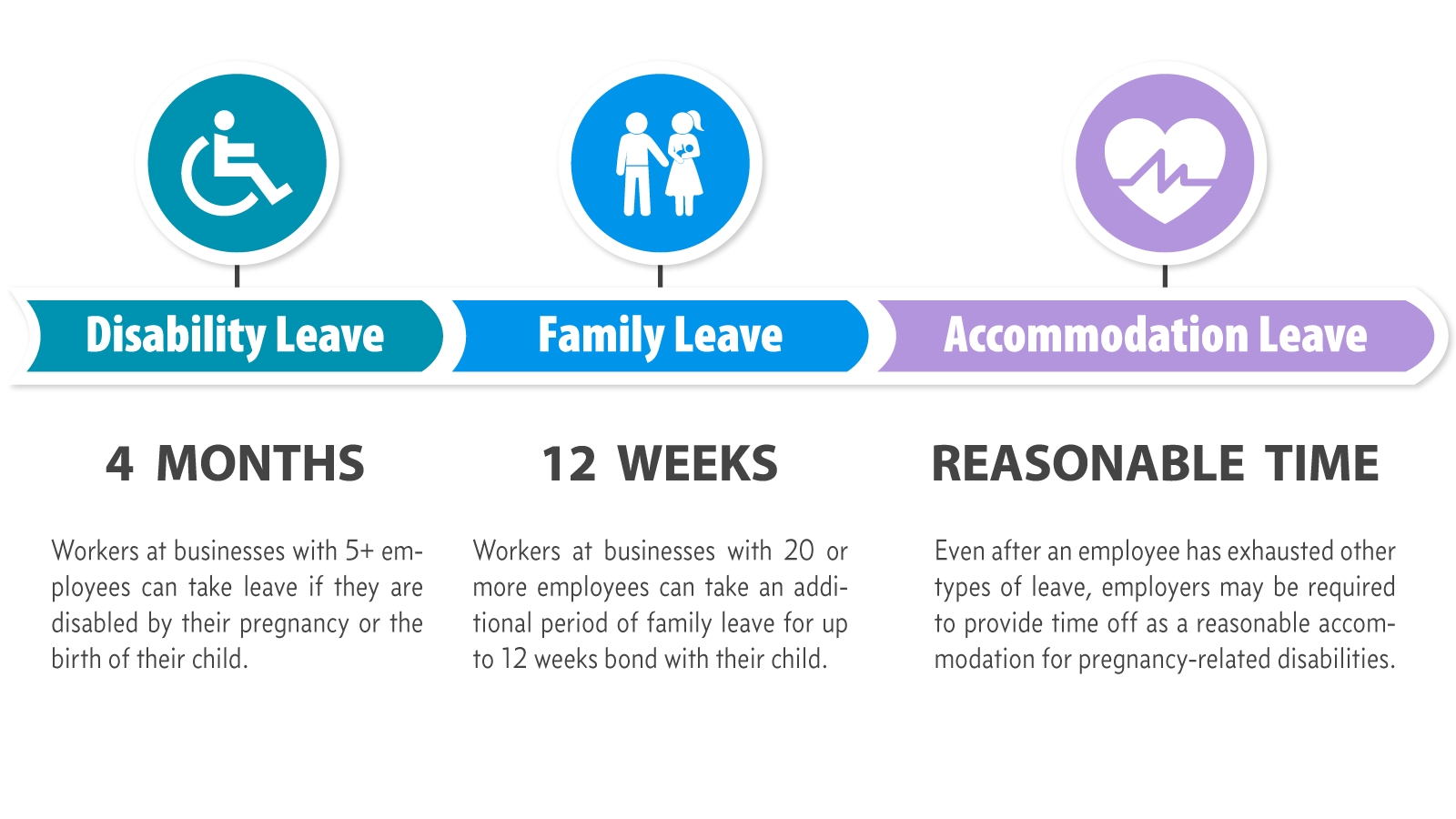
The first crucial component for birthing parents is Pregnancy Disability Leave (PDL). This state law provides job-protected leave for the period during which a woman is disabled by pregnancy, childbirth, or a related medical condition. Think of it as a vital safety net, allowing you to prioritize your health and the health of your baby without fearing job loss.
- What it Covers: PDL ensures that employers with five or more employees must provide up to four months (equivalent to 17 1/3 weeks) of job-protected leave. This isn’t just for the immediate post-birth recovery; it can be utilized both before and after childbirth. For instance, if you experience severe morning sickness, doctor-ordered bed rest, or other pregnancy-related complications, you can take PDL prior to your due date.
- Duration and Flexibility: The standard post-delivery recovery period is typically six weeks for a vaginal birth and eight weeks for a C-section, but it can extend longer if medically necessary. The key is that this leave is granted for the actual period of disability, up to the four-month maximum per pregnancy.
- Job Protection and Benefits: While on PDL, your employer is required to maintain your health benefits under the same conditions as if you were still working. Crucially, upon your return, you have the right to be reinstated to your original position, or a comparable one if your original position is no longer available due to legitimate business reasons unrelated to your leave.
- Wage Replacement: PDL itself is not a paid leave, meaning your employer isn’t legally obligated to pay your wages during this time. However, it almost always runs concurrently with California’s State Disability Insurance (SDI) program. SDI provides partial wage replacement, typically 60-70% of your average weekly wages (up to a state-mandated maximum), for the duration of your disability. This financial support is a game-changer, helping families manage daily expenses and perhaps even save for future family-friendly accommodations or local experiences.
California Family Rights Act (CFRA): Bonding and Family Care
Once the period of pregnancy disability ends, or for non-birthing parents, the California Family Rights Act (CFRA) becomes the primary source of job-protected leave for bonding with a new child. This act is broad and also covers leave to care for a seriously ill family member, but for new parents, its child-bonding provisions are paramount.
- What it Covers: CFRA grants eligible employees up to 12 workweeks of job-protected leave for bonding with a newborn child, an adopted child, or a foster child placed in their home. This is a separate entitlement from PDL.
- Eligibility: To be eligible for CFRA leave, an employee must work for an employer with five or more employees, must have worked for that employer for at least 12 months, and must have worked at least 1,250 hours in the 12-month period immediately preceding the leave.
- Duration and Flexibility: The 12 weeks of CFRA bonding leave can be taken consecutively or intermittently, meaning you could take it in blocks of time if your employer agrees, within 12 months of the child’s birth or placement. This flexibility can be particularly useful for parents looking to ease back into work or needing to schedule around family appointments.
- Job Protection and Benefits: Similar to PDL, CFRA provides robust job protection and continuation of health benefits. You are entitled to return to your same or a comparable position.
- Wage Replacement: CFRA leave itself is unpaid. However, it can be supplemented by Paid Family Leave (PFL), which provides partial wage replacement during the bonding period. Many employees also choose to use accrued vacation, sick leave, or paid time off (PTO) to cover some of the unpaid portion of their CFRA leave.
Paid Family Leave (PFL): Financial Support During Bonding Time
California’s Paid Family Leave (PFL) program is a critical financial lifeline for new parents, offering partial wage replacement during the bonding period. It’s important to understand that PFL provides wage replacement but not job protection – that’s where CFRA comes in.
- What it Covers: PFL provides up to eight weeks of partial wage replacement benefits for individuals who need to take time off work to bond with a new child (via birth, adoption, or foster care placement). It also covers leave to care for a seriously ill family member or to assist a family member called to active military duty.
- Eligibility: Most California employees who contribute to the State Disability Insurance (SDI) fund through payroll deductions are eligible for PFL. This covers a vast majority of the state’s workforce.
- Pay Rate: Currently, PFL provides 60-70% of your average weekly wages earned 5 to 18 months before your claim began, up to a weekly maximum. This income helps families manage their finances during a period of reduced work and increased expenses, potentially enabling them to save for future family experiences, whether a weekend getaway in Sonoma or a memorable trip to a family-friendly hotel.
- Flexibility: PFL benefits can be taken all at once or split up over several periods within 12 months of the child’s birth or placement. This flexibility, combined with CFRA, allows parents to tailor their leave to their unique family needs.
Putting It All Together: A Typical Maternity Leave Scenario in California
Understanding the individual components of California’s parental leave is one thing; visualizing how they combine into a comprehensive maternity leave period is another. For birthing parents, the combination of PDL, CFRA, and PFL can result in a significant period of job-protected time and partial wage replacement, offering ample opportunity to bond with a newborn and adjust to the new rhythm of family life. This extended period can also allow for more careful planning of “accommodation” needs at home, and perhaps even early, gentle explorations of local California attractions.
The “Standard” Timeline for Birthing Parents
A common scenario for a birthing parent in California typically unfolds as follows:
- Pre-Delivery Disability (PDL/SDI): Many birthing parents begin their leave before their due date. Doctors can certify disability for up to four weeks prior to the expected delivery date. During this time, the parent would be on PDL, with wage replacement provided by SDI. This period allows for crucial rest, final preparations, and perhaps a relaxing “babymoon” at a nearby resort or a quiet staycation at home.
- Post-Delivery Disability (PDL/SDI): After childbirth, PDL continues for the recovery period. This is typically six weeks for a vaginal delivery or eight weeks for a C-section, but it can be longer if medically necessary. Again, SDI provides partial wage replacement during this time.
- Bonding Leave (CFRA/PFL): Once the PDL period concludes (i.e., when the birthing parent is no longer considered medically disabled by pregnancy), the birthing parent can then transition to CFRA leave specifically for bonding with the new child. This provides up to an additional 12 weeks of job-protected leave. During up to eight of these 12 weeks, the parent can receive wage replacement through PFL.
Combining the Leaves:
Let’s consider an example for a vaginal birth:
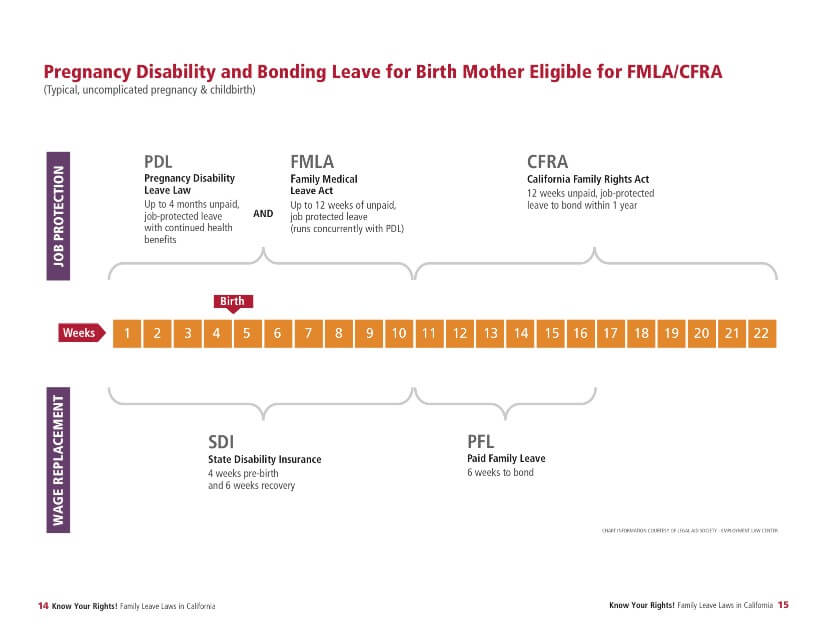
- Pre-delivery PDL: 4 weeks (with SDI benefits)
- Post-delivery PDL: 6 weeks (with SDI benefits)
- CFRA Bonding Leave: 12 weeks (job-protected; 8 of these weeks would be covered by PFL benefits)
In this common scenario, a birthing parent could be looking at up to 22 weeks of job-protected leave (4 weeks PDL + 6 weeks PDL + 12 weeks CFRA). Out of this, they would receive wage replacement for up to 18 weeks (4 weeks SDI + 6 weeks SDI + 8 weeks PFL). This totals roughly 5.5 months of protected time, a substantial period for new family integration.
It’s crucial to understand that PDL and CFRA for bonding are separate entitlements. PDL addresses the physical disability of pregnancy and childbirth, while CFRA addresses the need for bonding and family care. They generally run consecutively, not concurrently, for the birthing parent’s own leave after the disability ends.
Parental Leave for Non-Birthing Parents/Partners
California’s commitment to family support extends to non-birthing parents and partners as well. They are typically eligible for:
- CFRA Bonding Leave: Up to 12 weeks of job-protected leave to bond with a new child (birth, adoption, or foster care placement).
- PFL Wage Replacement: Up to 8 weeks of partial wage replacement during their CFRA bonding leave.
This ensures that both parents can actively participate in the crucial early stages of a child’s life, fostering stronger family bonds and allowing for shared responsibilities, whether it’s navigating local culture in their neighborhood or dreaming of future travel plans.
Key Nuances and Employer Responsibilities
- Intermittent Leave: Both CFRA and PFL can sometimes be taken intermittently, with employer agreement, allowing for flexible scheduling to meet specific family needs.
- Using Accrued Time Off: Employees can often choose to use accrued vacation, sick leave, or PTO to supplement the unpaid portions of their leave or to “top up” PFL/SDI benefits to nearer their full salary.
- Notice Requirements: Employees are generally required to provide reasonable advance notice to their employer for planned leaves, typically 30 days when foreseeable.
- Employer Obligations: Employers must provide employees with clear notices about their rights and responsibilities regarding PDL, CFRA, and PFL. They must also continue group health plan benefits during the leave and reinstate the employee to their position upon return.
This robust framework in California empowers parents with peace of mind, allowing them to focus on the joys and challenges of welcoming a new family member, rather than the anxieties of job security or financial strain.
Beyond the Basics: Planning for Your Post-Maternity Lifestyle and Travel
Understanding the duration of maternity leave in California is just the first step. The real magic happens when you thoughtfully plan how to maximize this invaluable time. For those who embrace a lifestyle of exploration, whether it’s discovering hidden gems in their local community or planning grand international adventures, maternity leave presents a unique opportunity to lay the groundwork for a family-focused future. It’s about leveraging this period for personal growth, family bonding, and practical preparations that benefit your post-maternity lifestyle and future travel aspirations.
Financial Planning and Budgeting for Extended Leave
The partial wage replacement provided by SDI and PFL is a significant benefit, but it’s rarely 100% of your regular income. This makes careful financial planning essential for a stress-free leave.
- Create a “Maternity Leave Budget”: Map out your expected income from SDI/PFL against your anticipated expenses. Factor in new baby costs, but also consider existing commitments like rent/mortgage, utilities, and discretionary spending.
- Build a Buffer: If possible, save a “maternity leave fund” in the months leading up to your leave. This buffer can cover the gap in income or unexpected expenses, giving you more peace of mind.
- Explore Local, Free Attractions: California is rich with natural beauty and public spaces. During your leave, consider activities that don’t break the bank: strolls through local parks, visits to free museums, days at California’s stunning beaches, or hikes on accessible trails. This helps maintain a sense of adventure without impacting your budget, perfect for a budget travel approach to early parenthood.
- Re-evaluate Spending Habits: Use this time to identify areas where you can cut back, whether it’s dining out less or re-evaluating subscriptions, freeing up funds for baby essentials or even saving for a future family vacation.
Preparing Your Home for Your New Arrival and Longer Stay
Your home transforms from a personal dwelling into the primary accommodation for your newest family member. Think of it as preparing for an extended, deeply personal “long-term stay” experience.
- Nesting and Organization: Use the weeks leading up to your due date to organize your home. Create a functional nursery, set up feeding stations, and organize baby clothes and supplies. A well-organized space reduces stress in the early postpartum period.
- Meal Prep and Support Systems: Stock your freezer with prepared meals. Coordinate a meal train with friends and family. Explore local food delivery services. These practical steps ensure you’re well-nourished without the daily burden of cooking, allowing more time for rest and bonding.
- Creating a Sanctuary: Ensure your home environment is conducive to rest and recovery for you, and a peaceful space for your baby. Consider smart home devices for monitoring, comfortable seating for feeding, and soft lighting for nighttime care. This focus on comfort and functionality mirrors the considerations one might make when selecting a luxury hotel suite, but applied to your personal sanctuary.
Embracing the “Babymoon” and First Family Adventures in California
Maternity leave isn’t just about preparing for and surviving the newborn phase; it’s also about celebrating new beginnings and laying the foundation for a lifetime of family travel.
- Pre-Birth “Babymoon”: Before the baby arrives, seize the opportunity for a relaxing “babymoon.” California offers countless idyllic destinations. Imagine unwinding at a tranquil resort in Sonoma with spa treatments, enjoying the breathtaking coastal beauty of Big Sur from a cozy inn, or indulging in a pampered city escape to [San Francisco](https://lifeoutofthebox.com/san-francisco] or San Diego, perhaps staying at a hotel known for its amenities and serene atmosphere. These experiences are not just about travel; they’re about reconnecting as a couple before your family grows.
- Post-Birth “First Family Trips”: Once your baby is a few weeks or months old, and you feel ready, consider short, easy day trips or overnight stays within California. Focus on family-friendly accommodations and destinations that are not too far from home. A weekend at a resort with spacious suites, a trip to a nature park for a gentle walk, or even a visit to a nearby town like Anaheim (perhaps to see Disneyland for a future visit, or just enjoy the local atmosphere) can be wonderful ways to introduce your baby to the world. Prioritize destinations with easy access to baby-friendly amenities, comfortable lodging, and opportunities for gentle tourism activities.
- Flexible Booking and Preparation: When planning any travel during or after maternity leave, prioritize flexible booking options and understand cancellation policies for hotels and activities. Pack smart, anticipate your baby’s needs, and remember that even short excursions can create lasting memories.
Navigating Employer Policies and Employee Rights
While California law provides a strong foundation, company-specific policies can offer additional benefits.
- Communicate with HR: Initiate conversations with your HR department early to understand your company’s specific parental leave policies, any benefits that “top up” state-provided pay, and the procedures for requesting and returning from leave.
- Know Your Rights: Familiarize yourself with the specifics of PDL, CFRA, and PFL. Understanding your legal entitlements ensures a smooth transition back to work and protects your job security, allowing you to focus on your family without undue stress.
In conclusion, California’s maternity leave policies are designed to offer significant time and financial support to new parents. By strategically planning and understanding these entitlements, you can transform this period into an enriching experience for your entire family, setting a positive tone for your new lifestyle, and perhaps even inspiring your first gentle family adventures within the beautiful Golden State. From meticulous budgeting to embracing local tourism, every step taken during maternity leave contributes to building a fulfilling and memorable journey into parenthood.
LifeOutOfTheBox is a participant in the Amazon Services LLC Associates Program, an affiliate advertising program designed to provide a means for sites to earn advertising fees by advertising and linking to Amazon.com. Amazon, the Amazon logo, AmazonSupply, and the AmazonSupply logo are trademarks of Amazon.com, Inc. or its affiliates. As an Amazon Associate we earn affiliate commissions from qualifying purchases.