
The arrival of a new baby is a transformative journey, filled with anticipation, joy, and a fair share of planning. For parents-to-be, particularly those residing in the diverse landscape of Texas, understanding maternity leave provisions is paramount. Beyond the practicalities of a growing family, grasping these policies allows for thoughtful lifestyle planning, from designing a comfortable postpartum recovery at home to envisioning those first cherished family adventures. In a state as vast and vibrant as Texas, the length and nature of maternity leave can significantly influence not only your budget but also your ability to indulge in local tourism, explore family-friendly destinations, or even book that much-anticipated “babymoon” getaway.
While the primary focus of maternity leave is naturally on the well-being of the mother and child, its duration and compensation directly impact a family’s financial stability and, by extension, their capacity for travel and leisure. Whether you dream of a serene retreat in the Texas Hill Country post-delivery, a cultural exploration of San Antonio’s Riverwalk, or simply a comfortable staycation at a local resort, knowing your rights and company benefits is the first step towards crafting a fulfilling maternity leave experience. This comprehensive guide will navigate the intricacies of maternity leave in Texas, weaving in how these provisions shape the exciting world of family travel, accommodation choices, and an enriched lifestyle for new parents.
Understanding Your Rights: Federal and State Maternity Leave Provisions in Texas
Embarking on the journey of parenthood requires a solid foundation of understanding your legal entitlements concerning maternity leave. In Texas, as in other parts of the United States, maternity leave is primarily governed by federal law, with state provisions playing a supporting, albeit less direct, role. This interplay of regulations is crucial for expecting parents to navigate, ensuring they can plan their time off effectively, not just for recovery and bonding but also for integrating valuable lifestyle experiences, including travel, into this new chapter.
The Foundation: The Family and Medical Leave Act (FMLA) and Its Role for New Parents
The cornerstone of maternity leave in the United States is the federal Family and Medical Leave Act (FMLA). This vital legislation provides eligible employees with up to 12 weeks of unpaid, job-protected leave per year for specific family and medical reasons, including the birth of a child and to care for the newborn. The “job-protected” aspect of FMLA is particularly significant for new parents, as it guarantees that they can return to the same or an equivalent position after their leave. This security offers peace of mind, allowing families to consider more extended periods away, whether for a restful recovery at home or a carefully planned family trip without fear of losing their livelihood.
To be eligible for FMLA benefits, an employee must meet several criteria:
- They must have worked for a covered employer for at least 12 months.
- They must have accumulated at least 1,250 hours of service during the 12-month period immediately preceding the leave.
- They must work at a location where the employer has 50 or more employees within 75 miles.
For those planning to leverage their leave for family experiences, understanding these eligibility requirements is the first step. The 12 weeks of FMLA can be taken consecutively or intermittently, though intermittent leave for birth and bonding typically requires employer approval. This flexibility, however, can be useful for doctors’ appointments or gradual return to work, potentially allowing for short local excursions or day trips between medical needs.
Texas Specifics: What State Law Adds (or Doesn’t Add)
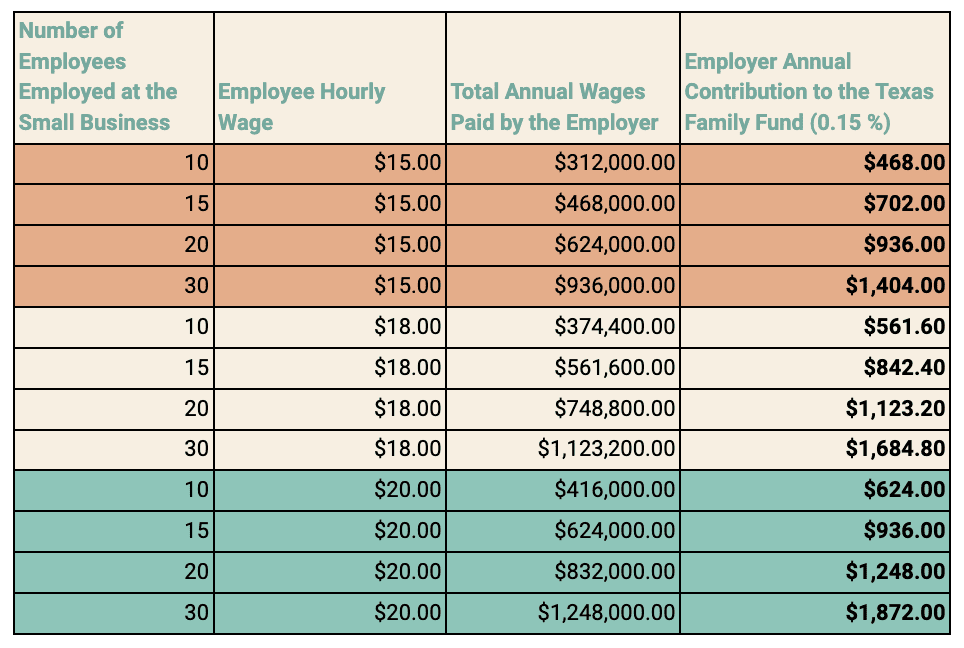
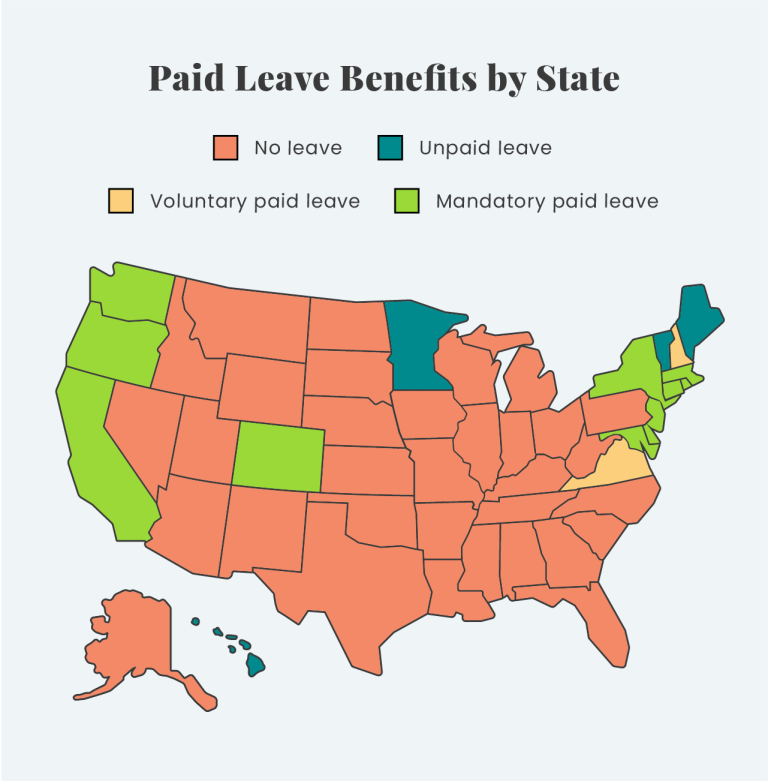
Unlike some other states that have enacted their own paid family leave programs, Texas does not currently have a state-mandated paid maternity leave law. This means that, for most private sector employees in Texas, any paid leave for maternity purposes is at the discretion of their employer or comes through other mechanisms like short-term disability insurance. This absence of a state-level paid leave program underscores the importance of carefully examining individual company policies and financial planning.
However, Texas does have laws that complement FMLA in certain situations, such as the Texas Payday Law, which ensures employees are paid for earned vacation time if a company policy dictates, and anti-discrimination laws that protect pregnant employees. While these don’t directly grant specific leave, they contribute to an environment where employers are encouraged to accommodate pregnant workers.
For families in Texas considering their lifestyle options during maternity leave, the lack of state-mandated paid leave means budgeting becomes even more critical. Families might opt for more budget-friendly local tourism options, such as exploring the vibrant city parks of Austin, visiting the historic Alamo in San Antonio, or taking day trips to smaller towns rather than extensive, costly international travel. This situation also places a greater emphasis on understanding the benefits offered by one’s employer.
Navigating Company Policies: Beyond the Minimum
Given that federal FMLA is unpaid and Texas offers no state-mandated paid leave, an employer’s individual policies become the most significant factor in determining the actual length and compensation of maternity leave. Many forward-thinking companies, especially larger corporations in metropolitan areas like Dallas and Houston, recognize the value of supporting new parents and offer more generous benefits. These can include:
- Paid Maternity Leave: Some employers offer a certain number of weeks of fully or partially paid leave, either as a standalone policy or integrated with other benefits.
- Short-Term Disability (STD): Often, new mothers can utilize short-term disability insurance, either employer-provided or private, to cover a portion of their income during the physical recovery period after childbirth (typically 6-8 weeks). This can provide a crucial financial cushion, making it easier to manage household expenses and even allocate funds for a much-needed wellness retreat or a comfortable stay at a hotel with amenities like the JW Marriott San Antonio Hill Country Resort & Spa.
- Parental Leave: Beyond maternity leave specifically for the birth parent, many companies now offer gender-neutral parental leave, allowing both parents time off to bond with a new child, whether through birth or adoption. This inclusive approach empowers families to share caregiving responsibilities and potentially extend their time as a family unit for memorable experiences.
- Flexible Work Arrangements: Upon return, some companies offer flexible work schedules, part-time options, or remote work, which can greatly enhance work-life balance and allow for continued family bonding or the pursuit of lifestyle activities.
The takeaway here is clear: always consult your employer’s HR department for a detailed understanding of their specific maternity and parental leave policies. The generosity of these policies can profoundly impact a family’s ability to plan for accommodation, travel, and leisure during this pivotal time. For instance, a longer, paid leave might enable a family to consider an extended stay at a resort that offers suites and family-friendly amenities, providing a relaxing environment for both parents and baby. Conversely, a shorter, unpaid leave might necessitate a more budget-conscious approach, focusing on local attractions or comfortable home-based experiences.
Planning Your Post-Birth Journey: From Recovery to Family Adventures
The period immediately following childbirth is a delicate balance of recovery, bonding, and adjustment. Understanding the duration and nature of your maternity leave in Texas is not just about legal compliance; it’s about strategically planning this precious time to prioritize well-being and create lasting family memories. From the quiet solace of home to the excitement of a first family trip, every decision about where and how to spend your leave contributes to a fulfilling lifestyle as new parents.
The Critical First Weeks: Prioritizing Rest and Local Comfort
The initial weeks after birth are undeniably the most critical for both mother and baby. Physical recovery, establishing feeding routines, and simply adjusting to a new family dynamic demand absolute focus and minimal disruption. During this phase, elaborate travel plans are typically not advisable. Instead, the emphasis should be on creating a comfortable, supportive environment close to home.
For families in cities like Houston or Dallas whose family might live out of town, this could involve considering a short-term, locally serviced apartment or an extended-stay hotel (such as a Residence Inn by Marriott or Homewood Suites by Hilton) if their own home isn’t conducive to immediate postpartum rest or if they require extra space for visiting family members providing support. These accommodation options often offer kitchenettes, separate living areas, and laundry facilities, mimicking the comforts of home while providing a change of scenery and perhaps professional cleaning services — a true luxury for new parents.
Alternatively, many families opt for a “staycation” model, focusing on enjoying their immediate surroundings. This could mean leisurely strolls in local parks, visits to nearby cafes, or simply embracing the comfort of their own sanctuary. The key is to prioritize rest, easy access to medical care, and a stress-free environment, making choices that truly support the physical and emotional well-being of the new family unit.
Embracing the “Babymoon” & Early Family Travel: Making the Most of Leave
Once the initial recovery period has passed, and if your maternity leave allows, many parents choose to embark on a “babymoon” – a relaxing trip taken before the baby arrives – or an early family adventure with their newborn. The length of your maternity leave plays a significant role here. A longer, paid leave provides the financial and temporal freedom to plan more ambitious trips.
For a babymoon, popular destinations in Texas include tranquil resorts in the Texas Hill Country like the La Cantera Resort & Spa in San Antonio, known for their scenic beauty, spa services, and fine dining – perfect for a last hurrah before baby. Alternatively, a pre-baby trip to a charming small town like Fredericksburg offers a relaxed pace, wineries (for the non-pregnant partner!), and unique boutiques.
For early post-baby travel, the focus shifts to convenience, quiet, and family-friendly amenities. Destinations within Texas that offer easy accessibility and a calm atmosphere are ideal. Consider a weekend getaway to Galveston Island for beach strolls and sea breezes, or a visit to Austin to enjoy its numerous parks and laid-back vibe. Resorts that cater to families, offering comfortable suites, cribs, and even some childcare options (though often for older infants), can make a significant difference. The goal is to create positive, low-stress experiences that foster family bonding without overtaxing new parents.
Accommodation Choices for New Families: Comfort and Convenience
When planning any travel during or after maternity leave, selecting the right accommodation is paramount. New parents have specific needs, and a well-chosen lodging option can transform a challenging trip into a relaxing escape. Whether you’re planning a weekend in Austin, a historical tour in San Antonio, or simply a change of scenery, consider these factors:
- Suites and Apartments: Hotels offering suites or serviced apartments are often superior to standard hotel rooms. The extra space allows for a separate sleeping area for the baby, a living room for parents to relax in after the baby is asleep, and often a kitchenette for preparing bottles or baby food. Brands like Embassy Suites by Hilton or local boutique apartment hotels offer such configurations.
- Family-Friendly Resorts: Look for resorts that explicitly market themselves as family-friendly. These often provide cribs upon request, high chairs, kids’ clubs (though perhaps not suitable for newborns, they indicate a family-centric approach), and amenities like heated pools (good for gentle baby dips) or on-site dining options. Resorts such as the Hyatt Regency Hill Country Resort and Spa in San Antonio are examples that blend luxury with family accommodation.
- Location and Accessibility: Choose accommodation close to attractions you wish to visit, but also near pharmacies, grocery stores, and medical facilities. Easy parking and access for strollers are also crucial. For example, a hotel near Austin’s Barton Springs Pool or Dallas’ Klyde Warren Park could offer excellent recreational opportunities within easy reach.
- Amenities: Pay attention to seemingly small details that make a big difference: blackout curtains, quiet rooms away from elevators, in-room refrigerators, laundry facilities, and responsive room service. Good air conditioning is a must in Texas!
By carefully considering these accommodation choices, new parents can ensure their precious maternity leave translates into comfortable, convenient, and memorable experiences, whether at home or exploring the wonders of Texas.
Financial Considerations and Lifestyle Choices During Maternity Leave
Maternity leave, while an invaluable period for bonding and recovery, often comes with significant financial implications, particularly in Texas where state-mandated paid leave is absent. The financial landscape during leave directly shapes the lifestyle choices available to new parents, influencing everything from daily expenses to the scope of family travel and leisure activities. Thoughtful budgeting and understanding available resources are key to maximizing this unique time.
Budgeting for Leave: Impact on Travel and Lifestyle
The most significant financial challenge for many Texas families during maternity leave is the potential for reduced or eliminated income, especially if relying solely on unpaid FMLA. This reduction in household income necessitates a thorough review of the family budget, with a keen eye on discretionary spending, including travel and entertainment.
- Prioritize Essentials: First and foremost, secure funds for essential expenses like housing, food, and baby supplies. Any paid leave, short-term disability benefits, or savings should primarily cover these non-negotiables.
- Assess Travel Budget: Once essentials are covered, evaluate how much, if anything, can be allocated to travel or enhanced lifestyle experiences. If leave is unpaid, budget travel becomes more viable than luxury travel. This might mean opting for a weekend trip to a charming Texas town like Gruene or Wimberley over an international vacation.
- Maximize Value: Look for deals on accommodation, consider off-peak travel times, and utilize loyalty points for hotels or flights if available. Booking a suite with a kitchenette, for example, can save money on dining out, allowing for a more extended or more comfortable stay within a set budget.
- Staycation Advantage: Embrace the “staycation.” Texas boasts an incredible array of local attractions and cultural experiences in cities like Houston, Dallas, Austin, and San Antonio. Exploring nearby landmarks like Space Center Houston, the Sixth Floor Museum at Dealey Plaza in Dallas, or the San Antonio Riverwalk offers rich experiences without the significant costs associated with long-distance travel and accommodation.
Effective budgeting during maternity leave isn’t about deprivation; it’s about smart allocation to ensure both financial stability and the ability to enjoy valuable, memorable experiences as a new family.
Maximizing Your Time: Balancing Parenthood and Personal Well-being
Beyond finances, maternity leave offers an unparalleled opportunity to redefine your lifestyle and prioritize personal well-being alongside new parenthood. It’s a chance to slow down, bond with your baby, and also engage in activities that nourish your spirit.
- Local Tourism and Day Trips: With a newborn, short, manageable outings are often the most practical. Explore local parks, botanical gardens, or child-friendly museums in your Texas city. Many cities offer free or low-cost activities that allow for exposure to new environments without overwhelming the baby or parents. For instance, enjoying the Zilker Botanical Garden in Austin or strolling through the Dallas Arts District can be incredibly fulfilling.
- Wellness and Self-Care: Maternity leave is not solely about the baby; it’s also about the mother’s recovery and mental health. Consider booking a prenatal or postnatal massage at a local spa, or simply enjoying quiet moments in a comfortable setting. Some high-end hotels and resorts offer day passes to their spa facilities, providing a luxurious escape without an overnight stay.
- Building Your Support Network: Utilize your time to connect with other new parents, attend local parenting groups, or meet friends for walks. Social connection is a vital aspect of mental well-being and can lead to new friendships and shared experiences, potentially even group outings or family trips in the future.
By intentionally planning activities that balance baby care with personal needs and interests, parents can ensure their maternity leave is not just about time off work, but a period of holistic growth and enjoyment.
Resources and Support for New Parents in Texas
Navigating parenthood and maternity leave can be challenging, but there are resources available in Texas to provide support.
- Government Programs: While Texas doesn’t have paid family leave, the state does offer programs for eligible low-income families, such as Medicaid for pregnant women and children, and the Supplemental Nutrition Assistance Program (SNAP). These programs can alleviate financial strain, indirectly freeing up resources for other lifestyle choices.
- Non-Profit Organizations: Numerous non-profit organizations across Texas offer support for new parents, including breastfeeding support groups, parenting classes, and mental health resources. These can be invaluable for navigating the practical and emotional aspects of early parenthood.
- Employer Resources: Beyond leave policies, many employers offer Employee Assistance Programs (EAPs) that provide confidential counseling and referral services for a wide range of personal and work-related issues, including stress management and family support.
Understanding and leveraging these resources can significantly enhance the quality of life during maternity leave, allowing families to feel more secure and empowered to make choices that enrich their new lifestyle, including planning future travel and leisure activities.
Navigating the Return to Work and Future Family Travel Planning
The conclusion of maternity leave marks a significant transition, as parents integrate back into their professional lives while continuing to nurture their growing families. This phase requires careful planning, not only for childcare and work-life balance but also for envisioning and executing future family travel and lifestyle goals. The experiences gained during maternity leave can profoundly influence how families approach subsequent travel and leisure.
Transitioning Back: Preparing for Post-Leave Routines
Returning to work after maternity leave is a major adjustment. Preparing for this transition well in advance can alleviate stress and help maintain the equilibrium established during leave.
- Childcare Arrangements: Secure reliable childcare well before your return date. Whether it’s a daycare center, a nanny, or family support, knowing your child is in good hands is paramount. In cities like Houston and Dallas, quality childcare can have waiting lists, so early planning is crucial.
- Gradual Reintegration: If your employer allows, consider a phased return to work, perhaps starting part-time for a few weeks. This gentle transition can ease both parents and baby into new routines, preserving some flexibility for local outings or relaxation.
- Establishing New Routines: Your daily schedule will shift dramatically. Establishing new routines for mornings, evenings, and weekends will help manage household tasks, work responsibilities, and dedicated family time. This structure, once established, can even make planning future short trips or weekend getaways more feasible.
- Self-Care Post-Leave: It’s easy to neglect personal well-being amidst the demands of work and family. Continue to prioritize self-care activities learned during leave, whether it’s short walks, a favorite hobby, or connecting with friends. Maintaining this balance is key to a sustainable, fulfilling lifestyle.
The period immediately following maternity leave is demanding but also presents an opportunity to refine family routines and integrate new habits that support both career aspirations and a vibrant family life.
Long-Term Family Travel Planning: Leveraging Future Leave and Holidays
The experience of maternity leave, and the initial trips taken with a newborn, provide invaluable lessons for long-term family travel planning. You’ll gain a clearer understanding of your family’s travel style, your baby’s temperament on the road, and the types of accommodation and destinations that work best.
- Informing Future Choices: Did that quiet resort in the Texas Hill Country prove perfect for a newborn? Or did the vibrant energy of Austin offer too much stimulation? These early experiences help tailor future trips. You might discover a preference for long-term apartment rentals over traditional hotels, or vice-versa, depending on your evolving family needs.
- Strategic Use of Holidays and PTO: After returning to work, carefully plan the use of your annual leave and public holidays. Combining these with long weekends can create opportunities for short, enriching family trips throughout the year. For instance, a long weekend in San Antonio exploring the Riverwalk and the Alamo can be a perfect escape.
- Kid-Friendly Destinations and Activities: As your child grows, the range of suitable travel destinations and activities expands. Plan trips that cater to their developing interests – theme parks in Arlington, children’s museums in Dallas, or nature explorations in Big Bend National Park (when they are older). Research resorts and hotels that offer specific programs or amenities for toddlers and young children, such as splash pads, playgrounds, or supervised play areas.
- Budgeting for Future Adventures: Continue to integrate travel savings into your family budget. Whether it’s setting aside a small amount each month or dedicating tax refunds to a “family adventure fund,” proactive financial planning ensures that travel remains a cherished part of your family’s lifestyle.
In conclusion, understanding “How Long Is Maternity Leave In Texas?” is more than just knowing a legal duration; it’s about unlocking a period that can be thoughtfully designed for recovery, bonding, and the initial steps into a world of family travel and enriched lifestyle. From navigating federal and employer policies to making informed choices about accommodation and budgeting, every decision during this pivotal time contributes to the foundation of your family’s journey, inspiring a lifetime of shared experiences and adventures, whether exploring the vast beauty of Texas or venturing beyond.
LifeOutOfTheBox is a participant in the Amazon Services LLC Associates Program, an affiliate advertising program designed to provide a means for sites to earn advertising fees by advertising and linking to Amazon.com. Amazon, the Amazon logo, AmazonSupply, and the AmazonSupply logo are trademarks of Amazon.com, Inc. or its affiliates. As an Amazon Associate we earn affiliate commissions from qualifying purchases.