
The New York City Marathon is one of the world’s most iconic and celebrated long-distance running events, drawing tens of thousands of participants and millions of spectators annually. For anyone considering taking on this monumental challenge, or even just planning a trip to witness its grandeur, a fundamental question often arises: “How long is the New York City Marathon?” The answer, in line with global marathon standards, is a precise 26.2 miles (42.195 kilometers). However, this simple figure barely scratches the surface of what makes this event a truly unforgettable experience, deeply interwoven with travel, tourism, and the vibrant lifestyle of one of the planet’s greatest cities.

Beyond the exact distance, the New York City Marathon represents a journey through diverse neighborhoods, an immersion into local culture, and an incredible opportunity for both athletic achievement and urban exploration. For participants, it’s a test of endurance and spirit. For spectators and accompanying travelers, it’s a prime chance to experience the city’s landmarks, sample its culinary delights, and choose from a vast array of accommodation options, all while being swept up in the contagious energy of race weekend.
The Marathon Course: A Five-Borough Journey of 26.2 Miles
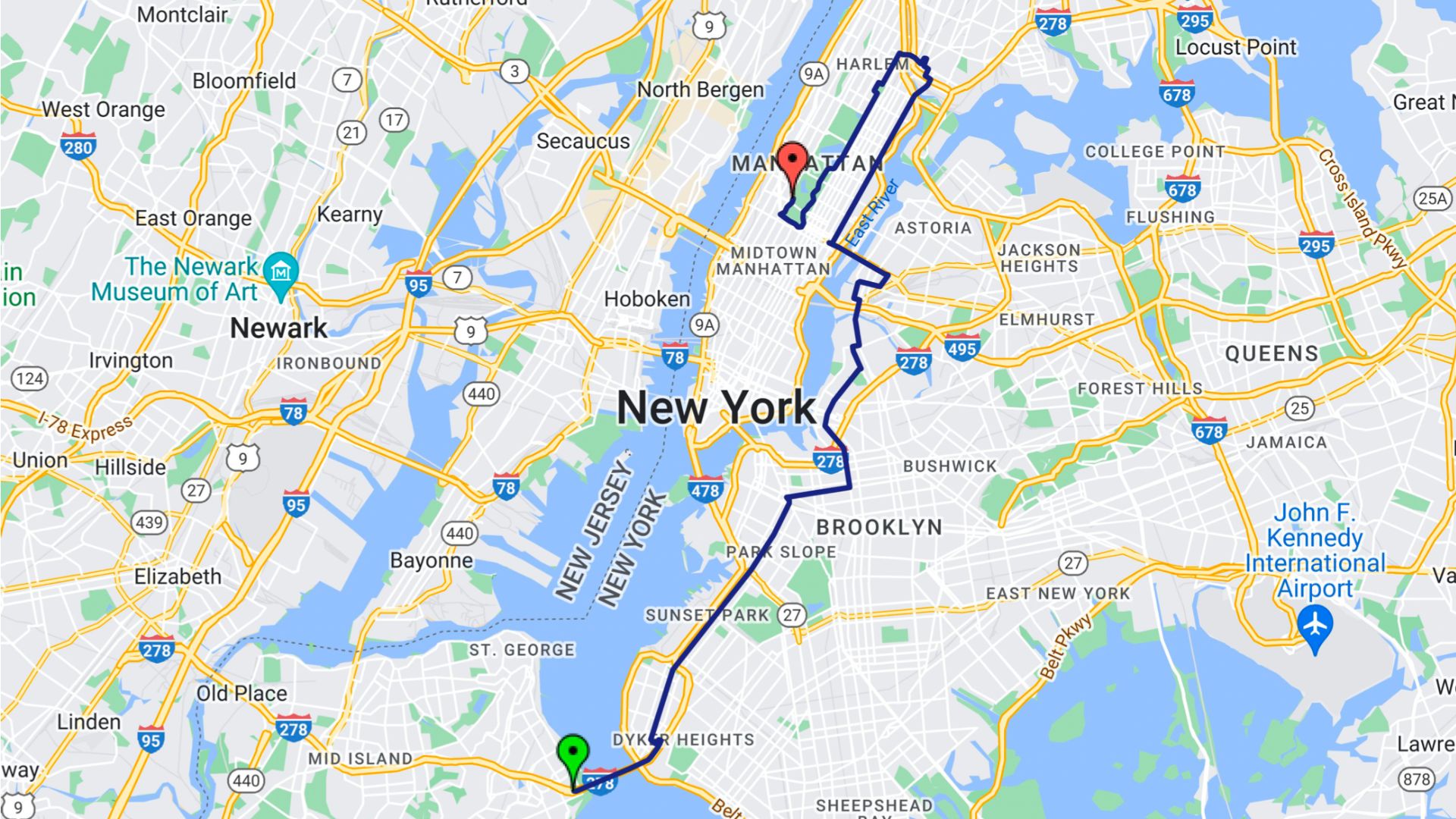
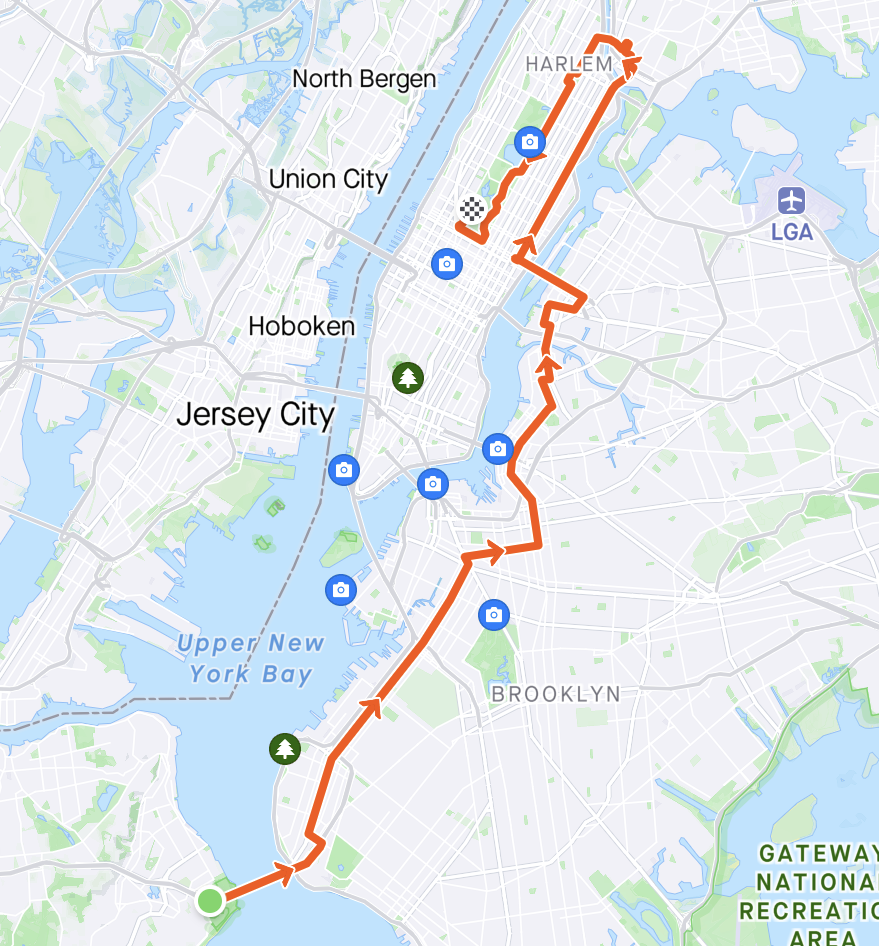
The 26.2 miles of the New York City Marathon are not merely a measure of distance; they represent a carefully crafted route that showcases the unparalleled diversity and spirit of New York City. Beginning on Staten Island and concluding in the heart of Manhattan’s Central Park, the course traverses all five boroughs, offering runners and observers a unique cross-section of the city’s famed landmarks and lesser-known gems. This incredible journey transforms the city into a living stadium, with each mile telling a different story and presenting a new visual spectacle.
The race kicks off with a dramatic ascent of the Verrazzano-Narrows Bridge, providing breathtaking views of the Manhattan skyline and the Statue of Liberty. This iconic start sets the tone for a challenging yet incredibly rewarding race. From Staten Island, runners descend into Brooklyn, where they are met with some of the most enthusiastic crowds of the entire course. Miles of tree-lined streets in neighborhoods like Bay Ridge and Fourth Avenue are packed with cheering spectators, live bands, and DJs, creating an electric atmosphere that propels runners forward. This stretch truly encapsulates the vibrant local culture and community spirit that defines New York City.
From Brooklyn, the course crosses into Queens, offering a brief but impactful glimpse of this diverse borough before heading over the Ed Koch Queensboro Bridge into Manhattan. This bridge crossing, often described as one of the quietest and most challenging sections due to its incline and lack of crowd noise, culminates in an exhilarating moment as runners emerge onto First Avenue. Here, the roar of the crowd is deafening, marking a pivotal psychological boost for athletes as they enter the race’s latter stages. The transition from the bridge’s solitude to First Avenue’s thunderous reception is a truly unique aspect of the New York City Marathon, representing the enduring spirit of both the runners and the city itself.
The journey continues north through Manhattan, where runners briefly venture into The Bronx via the Willis Avenue Bridge and the Madison Avenue Bridge before making their final push south. The last miles are a triumphant procession down Fifth Avenue, passing iconic landmarks and affluent residential areas, before runners make their final turn into Central Park. The finish line, located near Tavern on the Green, is a moment of pure emotion and achievement, marking the culmination of months of training and a remarkable journey through one of the world’s most captivating cities. Each step of the 26.2 miles is a testament to the human spirit and an intimate tour of New York City’s multifaceted character.
Beyond the Race: Crafting a Memorable NYC Marathon Experience
Participating in or even simply attending the New York City Marathon is much more than just a single-day event; it’s an opportunity to immerse oneself in a comprehensive travel and tourism experience. The race weekend transforms New York City into a global gathering point, inviting visitors to explore its depths, from world-class hotels to local cultural hotspots. For many, the marathon is the primary draw, but the subsequent exploration of the city’s landmarks, culinary scene, and diverse neighborhoods elevates the trip into a truly unforgettable lifestyle experience.
Pre-Race Logistics and Preparations
The marathon experience often begins days before the actual race with the TCS New York City Marathon Expo at the Jacob K. Javits Convention Center. This is where runners pick up their bibs and essential race information, but it also serves as a vibrant marketplace for running gear, nutritional products, and a hub for connecting with fellow enthusiasts. For travelers, navigating the expo and the city itself requires some planning, especially concerning accommodation.
Booking hotels well in advance is crucial, as demand surges during marathon weekend. Areas like Midtown, the Upper West Side, or even downtown Brooklyn are popular choices, offering convenient access to public transportation and varying proximity to the finish line or bus departure points for the start. From luxury suites at establishments like The Plaza Hotel or the St. Regis New York to more budget-friendly options such as the Moxy NYC Times Square or boutique hotels in SoHo, New York City offers an accommodation spectrum to suit every lifestyle and budget. Many runners also consider apartments or villas for a longer stay, providing a home-away-from-home feel and often more space for pre-race preparations. Reviews and comparisons of amenities like on-site gyms, late check-out options, and proximity to healthy dining choices become paramount for athletes.
Race Day Excitement and Spectator Spots
For spectators, race day is an electric celebration of human endurance and communal spirit. Millions line the streets, creating a festive atmosphere with cheers, signs, and musical performances. Strategic planning is key for spectators to catch their runners at multiple points or simply to soak in the energy. Popular viewing spots include Fourth Avenue in Brooklyn, known for its massive crowds and vibrant energy; First Avenue in Manhattan between 59th and 96th Streets, which is famous for its deafening roar and provides excellent vantage points; and the final stretch along Central Park South, where runners are nearing the finish line.
Understanding the Metropolitan Transportation Authority (MTA) subway system is crucial for spectators to navigate the city effectively and reach different viewing locations. This efficient public transport network makes it possible to witness the race unfold across various boroughs, adding another layer to the tourism experience. The energy is palpable, an embodiment of local culture and global unity.
Post-Race Recovery and Celebration
Once the 26.2 miles are conquered, the focus shifts to recovery and celebration. For runners, this might mean a relaxing stay at a hotel with excellent spa facilities, like the Lotte New York Palace or the Mandarin Oriental, New York, which offer luxurious amenities conducive to rejuvenation. For accompanying travelers, it’s an ideal time to explore New York City’s myriad attractions without the pre-race anxieties.
Many runners and their companions choose to celebrate their achievement (or simply the festive weekend) by indulging in New York City’s legendary culinary scene, from Michelin-starred restaurants to cozy neighborhood eateries. The diversity of food, from classic New York-style pizza and bagels to international haute cuisine, offers a perfect way to experience the city’s local culture and lifestyle. This post-race period is where the entire travel package truly comes together, blending athletic accomplishment with unparalleled urban exploration.
Exploring New York City: A Tourist’s Guide During Marathon Season
The appeal of the New York City Marathon extends far beyond the athletic realm, positioning it as a cornerstone event for tourism. Attracting visitors from every corner of the globe, the marathon provides an ideal pretext for an extended stay, allowing travelers to delve into the rich tapestry of the city’s landmarks, culture, and lifestyle. Early November, when the race typically takes place, often brings crisp autumn weather, perfect for sightseeing and enjoying the city’s vibrant outdoor life.
Iconic Landmarks and Attractions
New York City is a treasure trove of world-renowned landmarks, many of which are easily accessible from various accommodation types. No visit is complete without experiencing the panoramic views from the Empire State Building or Top of the Rock at Rockefeller Center. A stroll through the dazzling lights and endless energy of Times Square is a quintessential experience, as is catching a Broadway show, which offers a slice of the city’s unparalleled arts and entertainment scene.
Cultural enthusiasts will find endless opportunities at institutions like the Metropolitan Museum of Art (The Met) and the Museum of Modern Art (MoMA), both housing collections that span millennia and continents. For a contemplative experience, the September 11 Memorial & Museum offers a powerful tribute to a pivotal moment in the city’s history, located near the impressive architecture of the World Trade Center complex. Exploring these landmarks can be done through organized tours or independently, with travel guides offering invaluable tips for making the most of one’s time.
Culinary Delights and Local Experiences
New York City’s food scene is as diverse as its population, offering everything from street food to fine dining. Visitors can savor a classic New York-style pizza slice, indulge in a freshly baked bagel with schmear, or explore the culinary landscapes of neighborhoods like Chinatown, the Lower East Side, or Greenwich Village. Food tours are a fantastic way to sample local flavors and learn about the cultural influences that have shaped the city’s gastronomic identity.
Beyond food, experiencing local culture means wandering through distinct neighborhoods. DUMBO (Down Under the Manhattan Bridge Overpass) in Brooklyn offers stunning views of the Manhattan skyline and the Brooklyn Bridge, along with art galleries and independent boutiques. The Financial District on Wall Street showcases the city’s economic powerhouse, while areas like Chelsea Market and the adjacent High Line park blend urban renewal with culinary innovation and green spaces. These experiences contribute to a rich tapestry of travel memories, embodying the city’s unique lifestyle.
Accommodation Choices for Every Traveler
The extensive range of accommodation in New York City caters to every preference and budget, making it easy for marathon participants and tourists alike to find their ideal stay. For those seeking luxury travel, world-class resorts and hotels like the Four Seasons Hotel New York Downtown or the Ritz-Carlton New York, Central Park offer unparalleled service and amenities. Mid-range options like Hilton Midtown or various Marriott properties provide comfort and convenience, often with desirable locations. Budget-conscious travelers can find value in hostels, guesthouses, or smaller hotels, particularly in areas like Long Island City just across the river from Manhattan.
Beyond traditional hotels, the city offers apartments and villas for short-term and long-term stays, appealing to families, groups, or those seeking a more residential experience. Online booking platforms, detailed reviews, and comparison tools are indispensable for navigating the options. Considerations for amenities like fitness centers, concierge services, and proximity to transportation hubs like Grand Central Terminal or Penn Station are vital, whether for a family trip, a business stay, or a solo adventure.
Planning Your Trip: Tips for an Unforgettable NYC Marathon Experience
Preparing for the New York City Marathon, whether as a runner or a dedicated spectator, requires thoughtful planning to ensure a smooth and enjoyable trip. Given the global stature of the event and the sheer volume of visitors it attracts, securing essential bookings and understanding local nuances are key to maximizing your experience.
The best time to visit for the marathon is, of course, during the first Sunday of November, when the race is typically held. However, planning your travel dates to allow for a few days pre-race for acclimatization and expo visits, and a few days post-race for recovery and sightseeing, will significantly enhance your overall experience. The crisp autumn air and vibrant fall foliage during this time of year also add to the city’s charm.
Booking flights and accommodation should be a top priority, often needing to be done 6-12 months in advance, especially for popular hotels or apartments near the course. Prices tend to surge closer to the race date, so early booking can lead to significant savings. Consider hotels with amenities that cater to runners, such as early breakfast options or late check-out availability, if possible. For long-term stays, researching reputable apartment rental services or boutique residences can offer a more localized feel and often more spacious accommodations.
Navigating New York City is relatively straightforward thanks to its comprehensive public transportation system, the MTA. Purchasing an unlimited MetroCard for the duration of your stay is a cost-effective and efficient way to travel between boroughs, reach landmarks, and access race-related events. For runners, understanding the specific transportation logistics to the Staten Island start village is critical.
Weather in early November can be unpredictable, ranging from mild and sunny to chilly and windy. Packing layers is advisable, especially for spectators who will be standing outdoors for extended periods. Runners should monitor forecasts closely for their race day attire.
Finally, budgeting for your trip is essential. New York City can be an expensive destination, but there are countless ways to enjoy it on a budget. Taking advantage of free attractions like walking the Brooklyn Bridge, exploring Central Park, or visiting museums on free admission days can help manage costs. Combining the marathon experience with other cultural events or seasonal attractions, such as early holiday displays or pop-up markets in areas like Hudson Yards, can further enrich your travel experience and create lasting memories.
In conclusion, while the question “How long is the New York City Marathon?” yields a simple numerical answer – 26.2 miles – the true length of the experience extends far beyond the physical distance. It encompasses a profound journey through one of the world’s most dynamic cities, offering a rich tapestry of travel, tourism, and lifestyle opportunities that make it a truly unparalleled event on the global calendar.
LifeOutOfTheBox is a participant in the Amazon Services LLC Associates Program, an affiliate advertising program designed to provide a means for sites to earn advertising fees by advertising and linking to Amazon.com. Amazon, the Amazon logo, AmazonSupply, and the AmazonSupply logo are trademarks of Amazon.com, Inc. or its affiliates. As an Amazon Associate we earn affiliate commissions from qualifying purchases.