
Understanding the duration of police academy training in Florida is a crucial first step for anyone aspiring to a career in law enforcement within the Sunshine State. The commitment required is significant, demanding a substantial investment of time and dedication. This article delves into the typical length of police academies in Florida, exploring the factors that influence these timelines, and what recruits can expect during their intensive training period.
The Standard Police Academy Duration in Florida
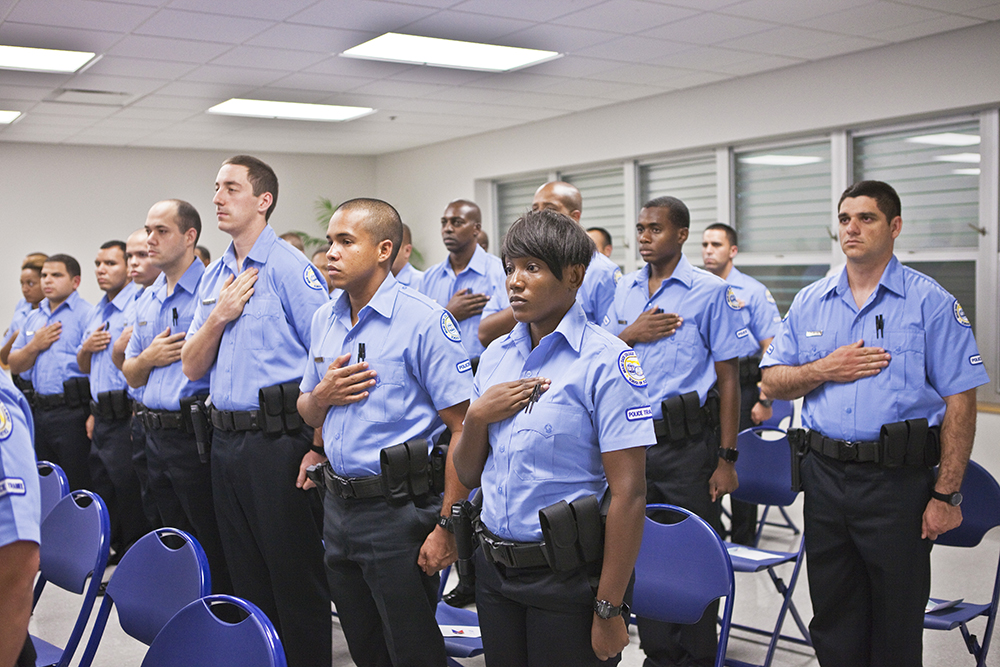
In Florida, the standard duration for a law enforcement academy program typically ranges from 17 to 22 weeks. This period is meticulously designed to equip aspiring officers with the foundational knowledge, practical skills, and ethical framework necessary to serve and protect their communities. While this range is a good general guideline, it’s important to note that specific academy lengths can vary based on the employing agency and the type of certification being pursued.
Factors Influencing Academy Length
Several key factors contribute to the variation in police academy durations across Florida:
- Agency-Specific Training: Different law enforcement agencies, such as municipal police departments, county sheriff’s offices, and state agencies like the Florida Highway Patrol, may have their own academy curricula and timelines. Some agencies might incorporate additional specialized training into their basic recruit program, extending the overall duration.
- Curriculum Depth and Scope: The breadth and depth of the curriculum are primary determinants of length. Academies that offer more extensive training in areas like advanced defensive tactics, specialized investigative techniques, or community policing strategies may require more time.
- Certification Requirements: Florida has specific training standards set by the Florida Department of Law Enforcement (FDLE) for law enforcement officers. Most academies adhere to these minimum requirements, but the way they are delivered and supplemented can affect the overall time commitment.
- Recruit Performance and Progress: While the academy has a set schedule, individual recruit progress can sometimes influence the pace. However, this is less about extending the academy for an individual and more about whether a recruit meets the standards to graduate on time.
The Basic Recruit Program vs. Specialized Training
It’s essential to distinguish between the basic recruit program and specialized training. The standard 17-22 week period refers to the fundamental training all law enforcement recruits must complete to become certified officers. This program covers a wide array of subjects, including:
- Legal Aspects: Constitutional law, criminal law, civil liability, and courtroom procedures.
- Criminal Investigation: Crime scene processing, evidence collection, interview and interrogation techniques.
- Patrol Procedures: Traffic stops, building searches, domestic disturbance response, and use of force.
- Firearms Proficiency: Safe handling, marksmanship, and tactical shooting.
- Defensive Tactics: Hand-to-hand combat, restraint techniques, and officer survival skills.
- Driver Training: High-speed pursuit techniques and emergency vehicle operation.
- Communication Skills: Report writing, public speaking, and interpersonal communication.
- Physical Fitness: Rigorous physical conditioning to ensure recruits can meet the demands of the job.
- Ethics and Professionalism: Emphasis on integrity, public trust, and the code of conduct for law enforcement officers.
Following the successful completion of the basic academy, officers will typically undergo a period of field training with experienced officers, which can last several months. Beyond this, they may pursue further specialized training throughout their careers in areas such as K-9 units, SWAT teams, narcotics investigation, or detective work, which are separate from the initial academy duration.
What to Expect During Police Academy Training
The police academy experience in Florida is known for its intensity and demanding nature. Recruits are immersed in a structured environment that mirrors the discipline and challenges of the law enforcement profession.
A Day in the Life of a Recruit
A typical day at the academy is highly regimented, often starting early and ending late. Recruits can expect:
- Early Mornings: The day usually begins before dawn with physical training, which is a cornerstone of academy life. This can include running, calisthenics, and obstacle courses designed to build stamina and strength.
- Classroom Instruction: The majority of the day is spent in classrooms, receiving theoretical instruction from experienced law enforcement professionals. This involves lectures, discussions, and case studies.
- Practical Application: Classroom learning is immediately put into practice. Recruits will spend significant time on the firing range, in defensive tactics training, and participating in simulated scenarios that replicate real-world policing situations.
- Discipline and Structure: Academies operate under strict rules and regulations. Recruits are expected to maintain a high level of discipline, punctuality, and adherence to uniform standards. Any infractions can result in disciplinary actions, impacting their standing and potentially their graduation.
- Mental Acuity: Beyond physical readiness, recruits are tested on their ability to think critically under pressure, make sound decisions, and retain vast amounts of information. The academic load is substantial, requiring diligent study and retention.
The Importance of Physical and Mental Resilience
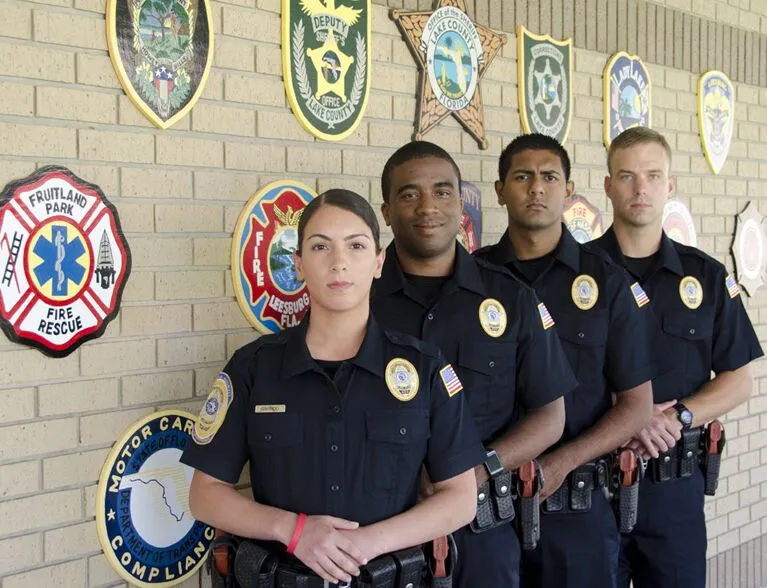
The physical and mental demands of police academy training are significant. Recruits must possess a strong degree of resilience to overcome the challenges.
- Physical Conditioning: The rigorous physical training is designed not only to improve fitness but also to instill discipline, teamwork, and the ability to perform under stress. It prepares recruits for the physically demanding aspects of police work, such as apprehending suspects or responding to emergencies.
- Mental Fortitude: The academy environment is designed to test mental toughness. Recruits will face situations that push their limits, requiring them to remain calm, focused, and decisive. This mental conditioning is as crucial as the physical training for effective law enforcement.
- Teamwork and Camaraderie: While competitive, academies also foster a strong sense of camaraderie among recruits. They learn to rely on each other, work as a team, and build bonds that will be essential in their professional lives.
Graduation and Beyond
Successful completion of a Florida police academy program culminates in graduation and the attainment of a law enforcement certification. This certification is the gateway to applying for positions with various law enforcement agencies.
The Graduation Ceremony
The graduation ceremony is a significant milestone, marking the end of intensive training and the beginning of a career. It is a formal event where recruits are recognized for their achievement, and often marks the end of their full-time academy commitment.
Post-Academy Requirements
Upon graduating from the academy, aspiring officers must typically:
- Pass the State Certification Exam: While academy graduation signifies completion of training, officers must also pass a state-level examination administered by the FDLE to be fully certified as law enforcement officers in Florida.
- Enter Field Training: As mentioned, most agencies require a period of on-the-job training (Field Training Officer program) where new officers work under the supervision of experienced officers to gain practical experience in a real-world setting. This period can last from several weeks to several months.
- Continuous Education: The learning does not stop after graduation. Law enforcement officers are required to complete ongoing in-service training and professional development to stay current with legal changes, new techniques, and evolving policing strategies.
Choosing the Right Academy in Florida
When considering a career in law enforcement in Florida, prospective recruits should research specific academies to understand their unique programs and durations. Many Florida cities and counties operate their own academies, offering distinct learning environments and curricula.

Key Considerations for Prospective Recruits
Before enrolling, potential candidates should:
- Research Employing Agencies: Identify the law enforcement agencies they are interested in joining. Many agencies sponsor recruits through their own academies or partner with specific training facilities.
- Review Academy Curricula: Understand the specific subjects covered and the pedagogical approach. Some academies might emphasize certain areas more than others.
- Understand Admission Requirements: Each academy has its own set of eligibility criteria, including age, education, background checks, and physical fitness standards.
- Financial Implications: Be aware of the costs associated with academy training, including tuition, equipment, and living expenses. Some agencies may offer sponsorship programs to cover these costs for successful candidates.
- Long-Term Career Goals: Consider how the academy program aligns with long-term career aspirations, such as opportunities for specialization or advancement within a particular agency.
By thoroughly understanding the duration and demands of police academy training in Florida, aspiring officers can better prepare themselves for this challenging yet rewarding career path. The investment in time and effort at the academy is the foundational step towards a commitment to public service and the protection of communities across the state.
LifeOutOfTheBox is a participant in the Amazon Services LLC Associates Program, an affiliate advertising program designed to provide a means for sites to earn advertising fees by advertising and linking to Amazon.com. Amazon, the Amazon logo, AmazonSupply, and the AmazonSupply logo are trademarks of Amazon.com, Inc. or its affiliates. As an Amazon Associate we earn affiliate commissions from qualifying purchases.