
Navigating the intricate path to becoming a law enforcement officer in the Lone Star State is a journey that demands dedication, rigorous training, and a clear understanding of the commitment involved. For many aspiring police officers in Texas, a fundamental question arises: “How long is police academy in Texas?” The answer, while seemingly straightforward, encompasses a range of factors influencing the duration and intensity of the training. This comprehensive guide delves into the typical timelines, essential components, and influencing variables of police academy training in Texas, providing prospective officers with the insights needed to prepare for this challenging yet rewarding career.
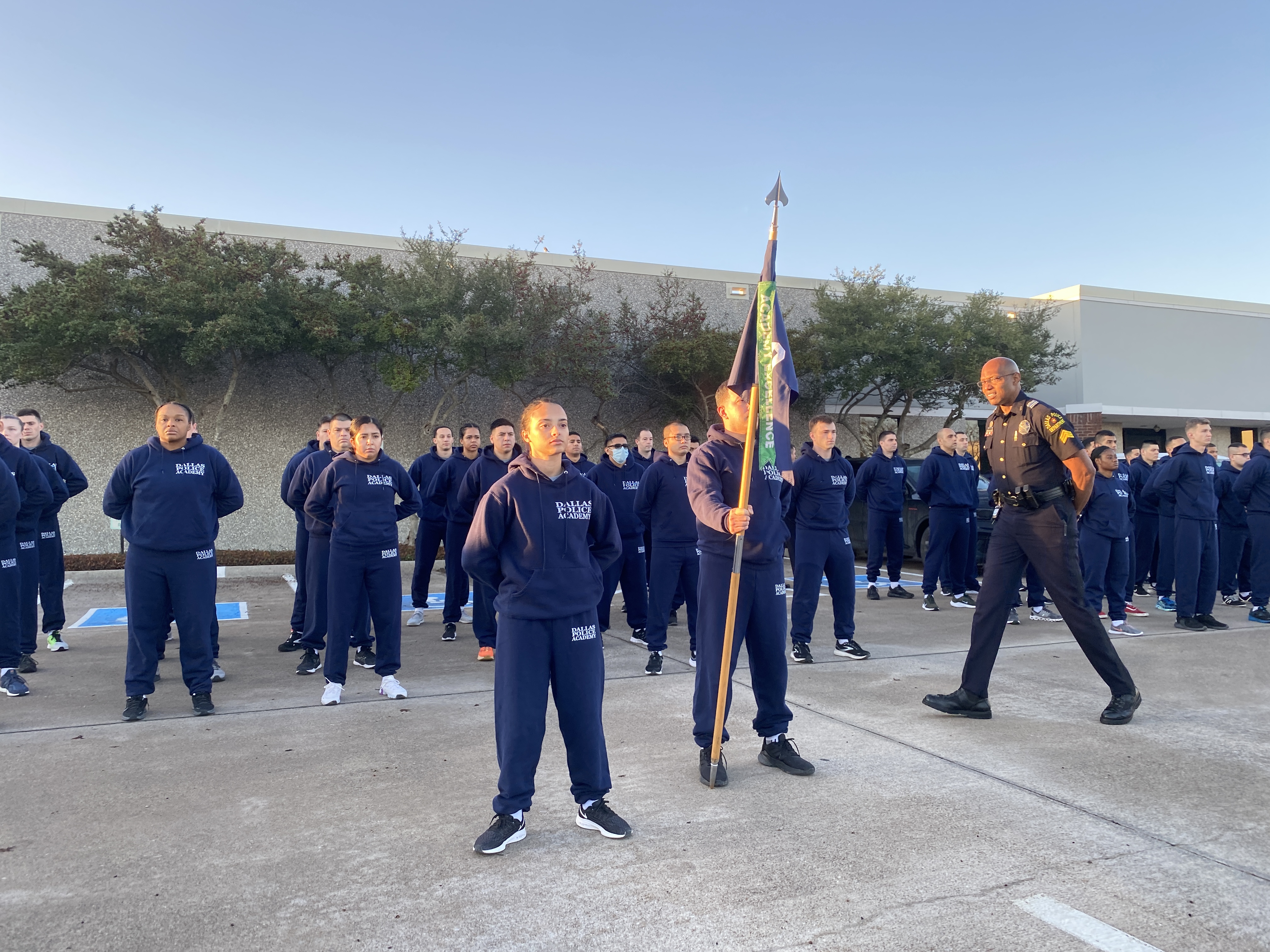
Understanding the Texas Police Academy Framework
The foundation of police academy training in Texas is set by the Texas Commission on Law Enforcement (TCOLE). TCOLE is the state agency responsible for setting the standards for peace officers, county jailers, and other law enforcement personnel. Their mandate ensures that all individuals entering law enforcement meet a specific level of competency, knowledge, and ethical conduct. The training curriculum is designed to equip cadets with the skills necessary to uphold the law, protect citizens, and maintain public safety.
The Standard Peace Officer Licensing Course (POLC)
The most common pathway to becoming a licensed peace officer in Texas is by completing the Peace Officer Licensing Course (POLC). This comprehensive program is mandated by TCOLE and is designed to provide a broad spectrum of training. The typical duration for the POLC is approximately 24 weeks, which translates to about six months. During these months, cadets are immersed in a highly structured and demanding environment. The curriculum covers a wide array of subjects, including:
- Legal Aspects: This includes an in-depth study of constitutional law, criminal law, penal codes, and the legal procedures governing law enforcement. Cadets learn about arrest procedures, search and seizure laws, evidence handling, and court testimony.
- Patrol Procedures: Training in basic patrol techniques, traffic stops, accident investigation, and responding to various calls for service is crucial. This phase focuses on the day-to-day responsibilities of an officer on the street.
- Criminal Investigation: Cadets are introduced to fundamental investigative techniques, crime scene analysis, interviewing and interrogation methods, and evidence collection.
- Firearms Proficiency: Extensive training in the safe and effective use of firearms is a cornerstone of the academy. This includes marksmanship, tactical shooting, and safe weapon handling.
- Defensive Tactics and Physical Fitness: Officers must be physically capable of handling confrontational situations. The academy includes rigorous training in defensive tactics, hand-to-hand combat, and a demanding physical fitness regimen to ensure cadets are prepared for the physical demands of the job.
- Driver Training: Specialized training in high-risk vehicle operations, pursuit driving, and defensive driving techniques is essential for officers responding to emergencies and engaging in pursuits.
- Communications and Report Writing: Effective communication, both verbal and written, is paramount. Cadets learn to articulate clearly, conduct interviews, and write accurate and detailed reports.
- Ethics and Professionalism: The academy instills a strong sense of ethics, integrity, and professionalism, emphasizing the responsibilities and accountability that come with being a law enforcement officer.
The POLC is delivered at various Texas police academies, often operated by local police departments, sheriff’s offices, or specialized training centers. The content and structure are standardized by TCOLE, ensuring consistency across the state.
Variations in Academy Length
While the 24-week POLC is the standard, there are situations where the duration can vary. These variations are typically due to the employing agency’s specific needs or prior law enforcement experience of the candidate.
Accelerated Programs
In some instances, particularly for smaller departments or in response to staffing needs, accelerated programs might be offered. These programs aim to condense the training period, but they do not compromise the essential learning objectives. However, accelerated programs are less common and may require a higher level of prior experience or a more intense training schedule. The overall training hours mandated by TCOLE remain the same; the difference lies in how those hours are structured within a shorter timeframe.
In-Service Training and Continuing Education
For individuals who may have prior law enforcement experience from another state or a different capacity within Texas, the academy length might be adjusted. TCOLE has provisions for evaluating prior training and experience. This could lead to a reduced course load if a significant portion of the required competencies has already been met. However, all officers must meet the minimum licensing requirements set by TCOLE, and any gap in training will need to be addressed.
Furthermore, police work is a constantly evolving field. Licensed officers are required to complete continuing education courses throughout their careers to stay updated on new laws, technologies, and best practices. These are separate from the initial academy training.
The Rigors of Police Academy Life
Life within a Texas police academy is not just about classroom learning; it’s a transformative experience that tests a cadet’s physical, mental, and emotional resilience. The environment is highly disciplined, mirroring the expectations of the profession.
Daily Structure and Discipline
Cadets typically follow a strict daily schedule that begins early and continues late into the evening. This schedule often includes:
- Early Morning Physical Training: Starting the day with intense physical conditioning to build stamina and strength.
- Classroom Instruction: Detailed lectures and practical exercises covering the curriculum.
- Skills Training: Hands-on practice in areas like firearms, defensive tactics, and driving.
- Study Time: Evenings are often dedicated to reviewing material, preparing for exams, and completing assignments.
- Barracks Life: Many academies require cadets to live on-campus or in a dormitory-like setting, fostering a sense of camaraderie and allowing for constant supervision and reinforcement of discipline.
Discipline is paramount. Cadets are expected to adhere to strict rules regarding appearance, conduct, and punctuality. Any deviation can result in disciplinary actions, which can range from reprimands to dismissal from the academy. This rigorous discipline is designed to prepare officers for the structured and demanding nature of law enforcement work.
Mental and Emotional Fortitude
Beyond the physical demands, police academy training also challenges cadets mentally and emotionally. The curriculum often includes scenarios that simulate high-stress situations, requiring cadets to make quick, critical decisions under pressure. They learn to manage stress, maintain composure, and act ethically even in difficult circumstances. The psychological aspects of the job, such as dealing with trauma and the emotional toll of law enforcement, are also addressed. This comprehensive approach ensures that officers are not only skilled but also mentally prepared for the realities of the profession.
Post-Academy Training and Career Progression
Completing the police academy in Texas is a significant milestone, but it marks the beginning of a continuous learning process and career development.
Field Training Officer (FTO) Program
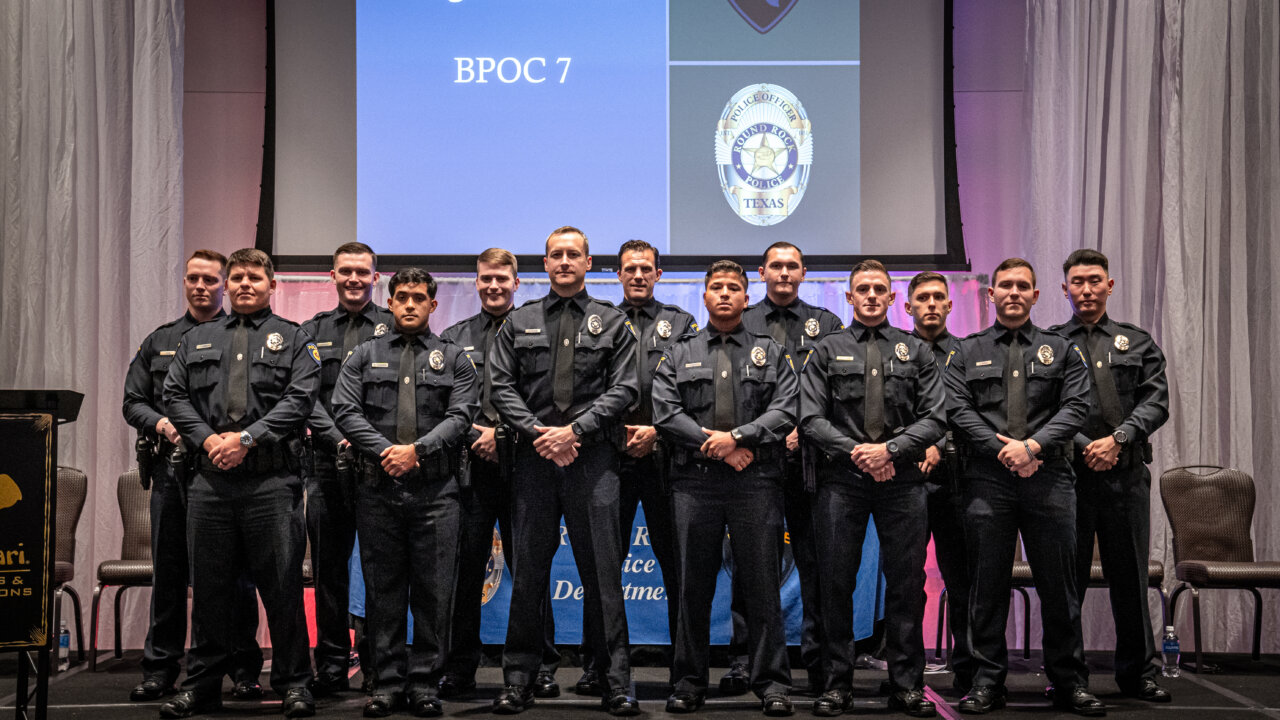
Upon graduation from the academy, new officers typically enter a Field Training Officer (FTO) program. This is a period of on-the-job training where the new officer is paired with an experienced officer who serves as a mentor and evaluator. The FTO program can last anywhere from several months to over a year, depending on the agency and the officer’s progress. During this phase, new officers apply the skills learned in the academy in real-world situations under direct supervision. They gain practical experience in handling various calls, interacting with the public, and navigating departmental policies and procedures. The FTO program is crucial for transitioning from the academic setting of the academy to the practical demands of policing.
Specialization and Advancement
Once an officer has successfully completed their FTO period and demonstrated proficiency in their basic duties, opportunities for specialization and career advancement open up. Texas law enforcement agencies offer a wide range of specialized units, such as:
- Criminal Investigations Divisions: Focusing on specific types of crime like homicide, narcotics, or cybercrime.
- Tactical Units: Like SWAT (Special Weapons and Tactics) teams, which handle high-risk situations.
- Traffic Enforcement: Specialized units focusing on traffic safety and enforcement.
- K-9 Units: Officers working with specially trained police dogs.
- Community Policing Initiatives: Units focused on building relationships with the community.
Advancement within a police department typically involves moving up in rank, from patrol officer to corporal, sergeant, lieutenant, and captain. These promotions often require further training, demonstrated leadership skills, and sometimes additional certifications or degrees. Many officers also pursue higher education to enhance their understanding of criminal justice, public administration, or related fields, which can further their career prospects.
In conclusion, the question of “How long is police academy in Texas?” points to a standard 24-week commitment for the Peace Officer Licensing Course. However, the journey is more than just the duration of the academy; it involves rigorous training, personal growth, and a commitment to continuous learning and service. For those aspiring to serve and protect in Texas, understanding this comprehensive process is the first step towards a fulfilling career in law enforcement.
LifeOutOfTheBox is a participant in the Amazon Services LLC Associates Program, an affiliate advertising program designed to provide a means for sites to earn advertising fees by advertising and linking to Amazon.com. Amazon, the Amazon logo, AmazonSupply, and the AmazonSupply logo are trademarks of Amazon.com, Inc. or its affiliates. As an Amazon Associate we earn affiliate commissions from qualifying purchases.