
The Boston Freedom Trail is an iconic 2.5-mile red-lined route that winds through the heart of downtown Boston, Massachusetts, connecting 16 historically significant sites. Often envisioned as a single, straightforward walk, the actual experience of traversing the trail can vary significantly depending on your pace, how deeply you engage with each stop, and the time you allocate for exploration and reflection. Understanding its length is more than just a number; it’s about appreciating the depth of history it encompasses and planning your visit effectively to make the most of this immersive journey through America’s revolutionary past.

Understanding the Core Length: A 2.5-Mile Foundation
At its core, the Boston Freedom Trail is precisely measured at 2.5 miles from its starting point at the Boston Common Visitor Center to its conclusion at the Bunker Hill Monument in Charlestown. This distance refers specifically to the path marked by the distinctive red line painted on the sidewalks and streets. This length is designed to be walkable for most individuals, encouraging a self-guided exploration of Boston’s rich heritage.
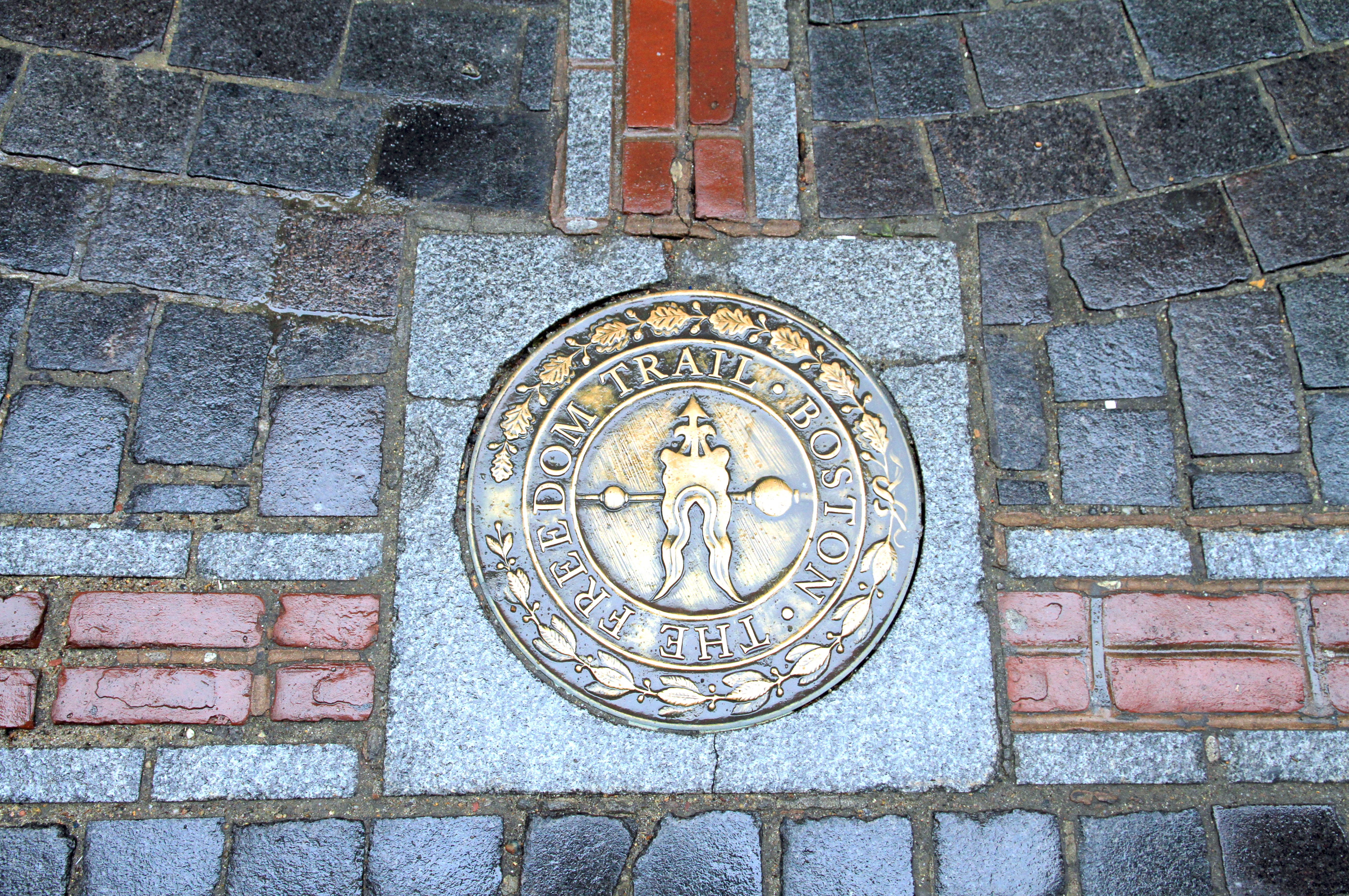
The Red Line: A Visual Guide
The red line itself serves as the primary navigational tool for visitors. It’s a simple yet effective system that allows individuals to follow the trail without the need for constant map consultation, though supplementary materials are always beneficial. This continuous line guides you from one landmark to the next, ensuring you don’t miss any of the designated historical points.
A Straightforward Walk vs. an Immersive Experience
It’s crucial to distinguish between simply walking the 2.5 miles and truly experiencing the Boston Freedom Trail. A brisk walker could complete the physical distance in perhaps an hour, but this would negate the very purpose of the trail: to learn about and connect with the pivotal events and figures of the American Revolution. To fully appreciate the sites, a more leisurely pace is recommended.
Factors Influencing Your Total Journey Time
While the trail’s physical length is a constant, the time it takes to complete it is remarkably fluid. Several factors contribute to the actual duration of your exploration.
Engagement with Historical Sites
The most significant variable is the amount of time spent at each of the 16 designated sites. These aren’t just historical markers; they are destinations with their own stories, exhibits, and opportunities for deeper learning.
Key Stops and Estimated Time Investments
- Boston Common Visitor Center: A brief stop for maps and information, perhaps 15-30 minutes.
- Massachusetts State House: The exterior is impressive, but interior tours can add 45-60 minutes.
- Park Street Church: Worth a few minutes to admire the architecture and learn its significance, 15-20 minutes.
- Granary Burying Ground: A place for quiet reflection and viewing famous graves. Allow 30-45 minutes to wander.
- King’s Chapel and King’s Chapel Burying Ground: Exploring both the church and the adjacent burial ground can take 30-45 minutes.
- Old South Meeting House: A central site for revolutionary protests. Tours and exhibits can occupy 30-45 minutes.
- Old State House: Home to many critical pre-Revolutionary events. Expect to spend at least 45-60 minutes here.
- Site of the Boston Massacre: A poignant spot. A brief moment of reflection or a few minutes to read the historical marker, 5-10 minutes.
- Faneuil Hall: A bustling marketplace and meeting hall. Exploring the marketplace and the auditorium can take 45-60 minutes.
- Paul Revere House: A glimpse into 17th-century life and the home of a key revolutionary figure. Allow 30-45 minutes for the house tour.
- Old North Church: Famous for the “one if by land, and two if by sea” lanterns. Tours and the crypt can add 30-45 minutes.
- Copp’s Hill Burying Ground: Another historic cemetery with significant Revolutionary War connections. Allow 20-30 minutes.
- USS Constitution: The “Old Ironsides” offers a fascinating tour. Factor in 60-90 minutes, including the walk to the ship and the tour itself.
- Bunker Hill Monument: The climb to the top offers panoramic views. Allow 45-60 minutes for the monument and visitor center.
Transportation Between Sections
While the trail is designed to be walkable, certain segments may involve crossing busy streets, waiting for pedestrian signals, or navigating urban traffic. These minor delays, while not significant individually, can add up.
Breaks and Refueling

No historical journey is complete without moments of rest and refreshment. Stopping for coffee, lunch, or simply to sit on a bench and absorb the atmosphere will naturally extend your time on the trail. Boston offers numerous cafes and restaurants conveniently located along the route.
Guided Tours vs. Self-Guided Exploration
The choice between a guided tour and exploring independently profoundly impacts the time commitment.
Guided Tour Dynamics
Guided tours, while often more expensive, provide structured itineraries and expert insights. They typically cover the major sites efficiently, offering a comprehensive overview within a set timeframe. Most guided tours of the Boston Freedom Trail range from 2 to 3.5 hours, covering the most critical landmarks. These tours are excellent for those who want to absorb information efficiently and appreciate the context provided by a knowledgeable guide.
Self-Guided Flexibility
Opting for a self-guided tour offers unparalleled flexibility. You can linger at sites that particularly capture your interest, skip those that don’t, and set your own pace. A self-guided exploration, allowing for in-depth visits to most sites, can easily extend to a full day, typically 6 to 8 hours, or even longer if you include visits to off-trail museums or extensive breaks.
Planning Your Freedom Trail Expedition
To truly answer “How long is the [Boston Freedom Trail]?” in a practical sense, one must consider the desired depth of engagement. Here are some recommended approaches for planning your visit:
The Express Walk: A Taste of History
For those with limited time, a focused walk covering the essential sites might take approximately 3 to 4 hours. This approach prioritizes reaching each landmark and understanding its core significance without extensive exploration of interiors or prolonged stays. You’d likely walk the 2.5 miles, perhaps stopping for brief exterior views and quick photo opportunities, with minimal time spent inside museums or historic homes.
The Comprehensive Experience: A Full Day Immersion
A more rewarding and common approach involves dedicating a full day to the Boston Freedom Trail. This allows for in-depth exploration of most of the 16 sites, including interior tours where available and appropriate. Visitors opting for this method can expect their journey to last between 6 to 8 hours. This includes time for meals, short breaks, and absorbing the historical atmosphere of each location. It’s an ideal way to connect with the stories and events that shaped America.
The Enthusiast’s Deep Dive: Multiple Days
For history buffs or those who wish to explore every facet of the trail, including lesser-known details, additional nearby historical sites like the Black Heritage Trail or delving deeper into the museums associated with the trail, a multi-day approach is recommended. This allows for a relaxed pace, revisiting favorite spots, and truly soaking in the historical context without feeling rushed. Such an endeavor could easily span 2 to 3 days.
The Boston Freedom Trail: More Than Just Miles
Ultimately, the length of the Boston Freedom Trail is a starting point, not an endpoint. It’s a framework for a journey through American history that can be as brief or as expansive as you wish. Whether you have a few hours or a few days, the trail offers an unparalleled opportunity to walk in the footsteps of patriots, revolutionaries, and the ordinary citizens who shaped a nation. Planning your visit with an understanding of these variable factors will ensure a richer, more fulfilling experience on this historic pathway.
LifeOutOfTheBox is a participant in the Amazon Services LLC Associates Program, an affiliate advertising program designed to provide a means for sites to earn advertising fees by advertising and linking to Amazon.com. Amazon, the Amazon logo, AmazonSupply, and the AmazonSupply logo are trademarks of Amazon.com, Inc. or its affiliates. As an Amazon Associate we earn affiliate commissions from qualifying purchases.