
Alaska, a land of breathtaking landscapes and unparalleled natural phenomena, draws visitors from across the globe for myriad reasons. Among the most captivating, and perhaps most misunderstood, is the phenomenon of its extended periods of darkness, particularly during the winter months. This extended twilight, often referred to as the “polar night,” is a direct consequence of the Earth’s axial tilt and its orbit around the sun. For travelers considering a journey to the Last Frontier during this time, understanding the duration and impact of this darkness is crucial for planning an unforgettable experience.
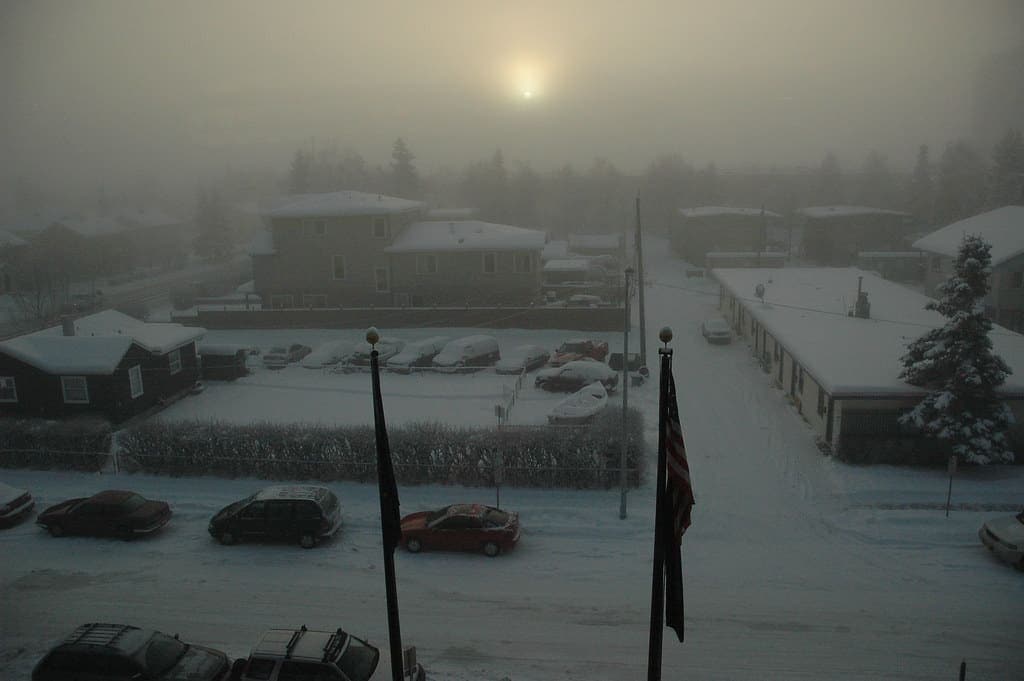
The Science Behind Alaska’s Extended Darkness
The Earth is tilted on its axis at approximately 23.5 degrees. As our planet orbits the sun, this tilt causes different parts of the Earth to receive more direct sunlight at different times of the year. During the Northern Hemisphere’s winter, the Northern Hemisphere is tilted away from the sun. Alaska, situated at high latitudes, experiences this effect most dramatically.
Solstice and Equinox: The Key Markers
The winter solstice, occurring around December 21st or 22nd, marks the shortest day and longest night of the year in the Northern Hemisphere. For regions within the Arctic Circle, this is the day when the sun does not rise at all. The period of continuous darkness, where the sun remains below the horizon for 24 hours or more, is known as polar night.
Conversely, the summer solstice, around June 20th or 21st, brings the longest day and shortest night, with many parts of Alaska experiencing the “midnight sun” – a period where the sun remains visible for 24 hours. The equinoxes, in spring and autumn, are periods of roughly equal day and night across the globe, signaling the transitions between these extremes.
Duration of Darkness by Alaskan Latitude
The length of the darkness in Alaska is not uniform; it varies significantly depending on how far north one travels.
North of the Arctic Circle
Regions situated above the Arctic Circle (approximately 66.5 degrees North latitude) experience the most extreme forms of polar night. Cities like Utqiagvik (formerly Barrow), the northernmost city in the United States, endure a prolonged period without any direct sunlight.
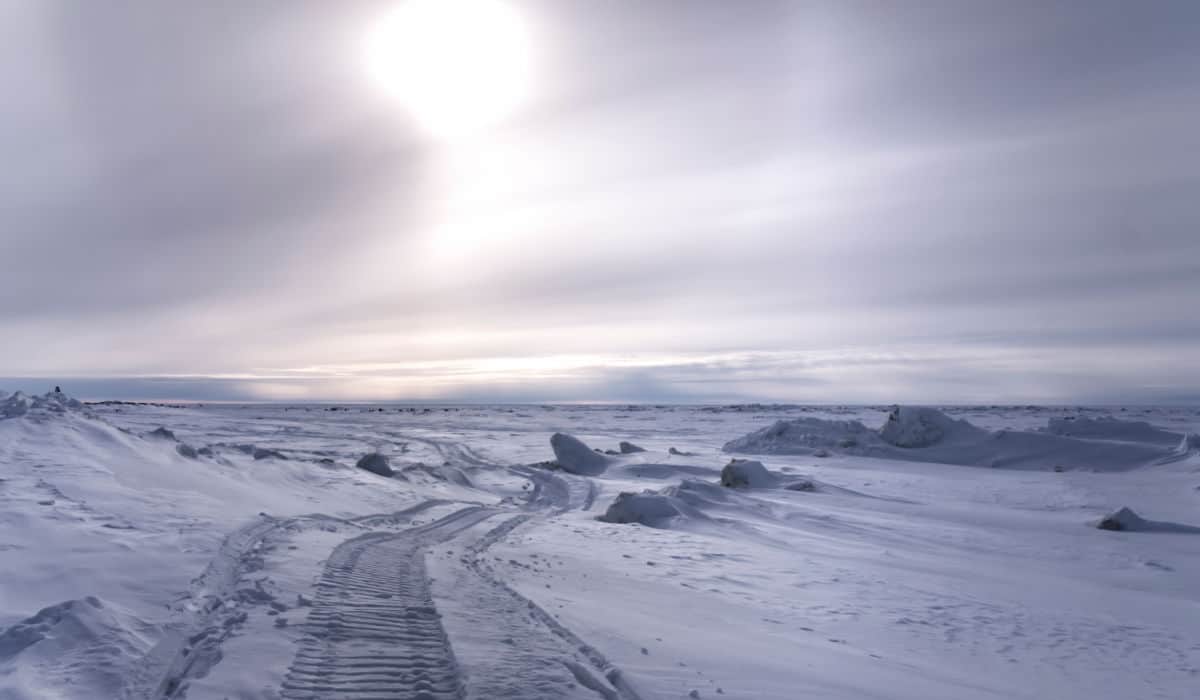
- Utqiagvik: In Utqiagvik, the polar night typically begins in late November and extends until the end of January. This means that for approximately two months, the sun does not rise above the horizon. While the sun may not be visible, there is still a period of twilight during the day, offering a dim, ethereal light that paints the snow-covered landscapes in shades of blue and purple.
South of the Arctic Circle
Even for those living south of the Arctic Circle, the reduction in daylight hours during winter is substantial, though not as absolute as in the far north. Major Alaskan cities like Fairbanks and Anchorage experience significantly shorter days, but not complete 24-hour darkness.
- Fairbanks: Located just south of the Arctic Circle, Fairbanks experiences its shortest days in late December. On the winter solstice, daylight hours can be as short as 3.5 to 4 hours. The period of significantly reduced daylight, however, lasts for several weeks before and after the solstice.
- Anchorage: As Alaska’s largest city, Anchorage is further south (around 61 degrees North latitude). During the winter solstice, Anchorage typically sees about 5.5 to 6 hours of daylight. While this is a considerable reduction compared to summer, it still allows for some daytime activities under a dimmer sun.
Experiencing Alaska During the Darkness
Far from being a deterrent, the extended darkness in Alaska is a unique draw for many travelers. It creates an otherworldly atmosphere, fosters opportunities for specific activities, and provides a dramatic backdrop for witnessing other celestial wonders.
Embracing the Ethereal Landscape
The dim light during the polar night, known as “civil twilight” or “nautical twilight,” offers a unique photographic and visual experience. The soft, diffused light can transform familiar landscapes into something magical. Snow-covered plains, rugged mountains, and frozen coastlines take on a surreal beauty, bathed in hues of lavender, pink, and deep blue. This subdued lighting can also enhance the intimacy of experiencing the Alaskan wilderness, encouraging a more reflective and immersive journey.
The Allure of the Aurora Borealis
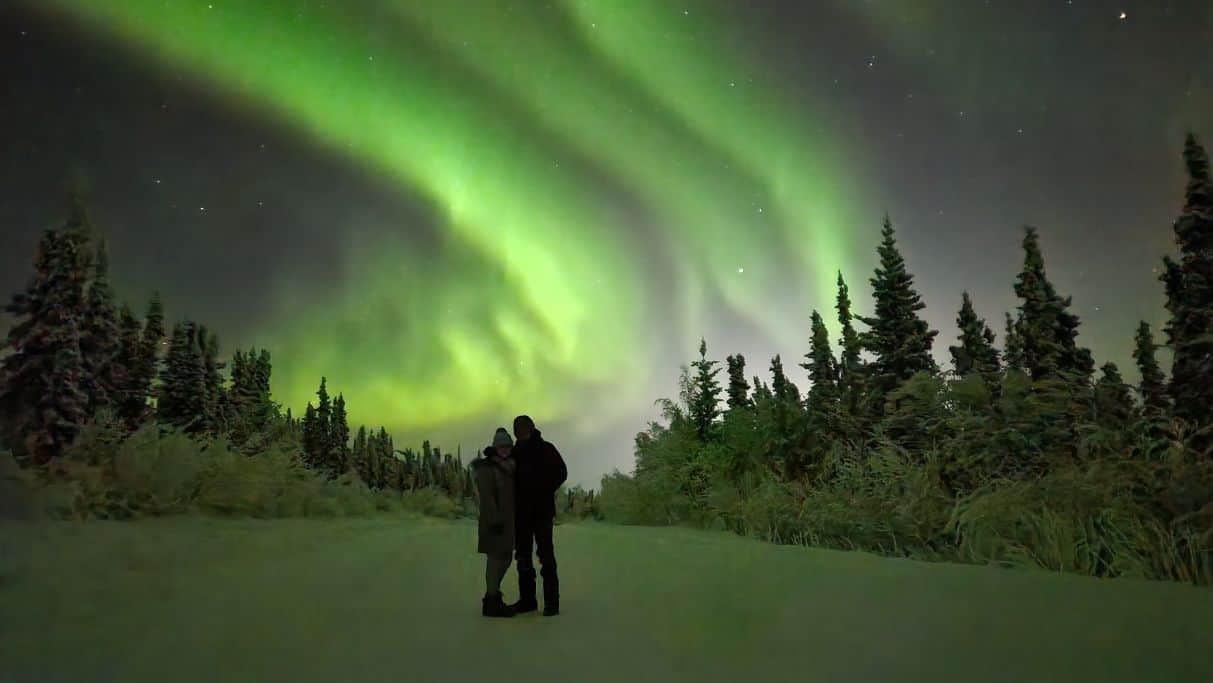
Perhaps the most sought-after spectacle during Alaska’s dark winter months is the Aurora Borealis, or Northern Lights. The prolonged periods of darkness provide the ideal canvas for these mesmerizing celestial displays. The absence of light pollution in many parts of Alaska, combined with the geomagnetic activity that triggers the aurora, makes it a prime destination for aurora viewing.
- Best Viewing Locations: For optimal aurora viewing, travelers often venture away from city lights. Destinations like Fairbanks, known for its relatively clear skies and position under the auroral oval, are popular choices. Even south of the Arctic Circle, the aurora can be seen with sufficient solar activity.
- Timing Your Visit: The peak season for aurora viewing generally coincides with the darkest months, from late August through April. However, the months with the longest periods of darkness – November, December, and January – offer the greatest potential for witnessing this natural wonder.
Winter Activities Under the Twilight Sky
While the sun may be absent or low on the horizon, the Alaskan winter offers a wealth of activities. The darkness adds a unique dimension to these pursuits.
- Dog Sledding: Imagine mushing through a silent, snow-covered landscape under a sky beginning to glow with the first hints of the aurora. Dog sledding tours operate year-round in some areas, but the winter experience is unparalleled. The crisp air, the rhythmic panting of the dogs, and the vast, dark expanse create an unforgettable adventure. Many tours depart in the late afternoon, allowing participants to experience the transition into twilight and, if lucky, the aurora.
- Snowmobiling: Exploring Alaska’s vast wilderness on a snowmobile is a thrilling experience. Guided tours often take advantage of the limited daylight, providing a sense of adventure as you traverse frozen rivers and trails. The headlights of the snowmobile cut through the darkness, illuminating the pristine snow.
- Ice Fishing: For a more serene winter pastime, ice fishing on one of Alaska’s many frozen lakes offers a chance to connect with local traditions. Huddling in a heated ice fishing hut, waiting for a bite, is a uniquely Alaskan experience, often accompanied by the quiet beauty of the snow-covered surroundings.
- Wildlife Viewing: While many animals hibernate or migrate, some are active year-round. Seeing musk oxen, caribou, or ptarmigan against the backdrop of a snowy, twilight landscape is a special sight. Guided tours can increase your chances of spotting these resilient creatures.
The Unique Culture and Lifestyle
The extended darkness has deeply influenced Alaskan culture and the lifestyle of its inhabitants. Communities have adapted to the rhythms of the polar night, developing traditions and activities that celebrate this unique time of year.
- Festivals and Events: Many Alaskan towns and cities host winter festivals and events during the dark months. These often include elaborate light displays, outdoor markets, concerts, and opportunities to learn about traditional Alaskan ways of life. These events serve to brighten spirits and foster a sense of community during the long nights.
- Local Cuisine: While not directly tied to the darkness, exploring Alaska’s culinary scene is an integral part of any visit. During the winter, hearty, warming dishes are popular. Sampling local seafood, such as salmon and king crab, or trying traditional dishes like reindeer sausage, provides a taste of the resilient Alaskan spirit.
- Cozy Lodgings: After a day of exploring in the twilight, retreating to a warm, comfortable lodging is essential. Alaska offers a range of accommodations, from rustic cabins to luxury hotels, many of which feature fireplaces and offer stunning views of the winter landscape.
Planning Your Trip to Alaska in Winter
A trip to Alaska during the darker months requires thoughtful planning to maximize your experience and ensure comfort and safety.
What to Pack
Layering is key for surviving Alaska’s winter temperatures. Essential items include:
- Thermal Underwear: A good base layer is crucial for retaining body heat.
- Insulated Outerwear: A heavy-duty, waterproof, and windproof parka and pants are a must.
- Warm Footwear: Insulated, waterproof boots are essential for walking in snow and ice.
- Headwear and Gloves: Warm hats that cover the ears and insulated, waterproof gloves or mittens are vital.
- Scarf or Neck Gaiter: To protect your face and neck from the cold.
- Eye Protection: Sunglasses are still important, even on cloudy days, due to snow glare.
Transportation
- Rental Cars: If you plan to drive, ensure you rent a vehicle equipped for winter conditions, such as one with four-wheel drive and appropriate tires. Be aware of road conditions, as they can change rapidly.
- Flights: For traveling between major cities like Anchorage, Fairbanks, and Juneau, flying is often the most efficient option.
- Buses and Shuttles: Various tour operators and shuttle services offer transportation to popular attractions and between towns.
Accommodation
Booking accommodations in advance is highly recommended, especially during peak winter seasons when aurora viewing is popular. Consider lodging options that offer amenities for winter travelers, such as saunas, fireplaces, or aurora wake-up calls.
Safety and Preparedness
- Inform Someone of Your Plans: If venturing out on your own, especially for activities like hiking or snowshoeing, let someone know your itinerary and expected return time.
- Stay Informed About Weather Conditions: Always check the weather forecast and road conditions before heading out.
- Be Aware of Wildlife: Maintain a safe distance from all wildlife.
- Frostbite and Hypothermia: Understand the signs of frostbite and hypothermia and take precautions to avoid them.
The darkness in Alaska, while a dramatic departure from what many are accustomed to, is not an absence of experience but rather an invitation to witness a different, equally compelling facet of this magnificent state. It is a time for quiet reflection, for the awe-inspiring dance of the aurora, and for embracing the unique resilience and beauty of the Alaskan winter. By understanding the science, embracing the activities, and planning accordingly, visitors can discover that the longest nights in Alaska are filled with some of its most extraordinary moments.
LifeOutOfTheBox is a participant in the Amazon Services LLC Associates Program, an affiliate advertising program designed to provide a means for sites to earn advertising fees by advertising and linking to Amazon.com. Amazon, the Amazon logo, AmazonSupply, and the AmazonSupply logo are trademarks of Amazon.com, Inc. or its affiliates. As an Amazon Associate we earn affiliate commissions from qualifying purchases.