
The Eisenhower Tunnel, an engineering marvel etched into the heart of the Rocky Mountains in Colorado, is far more than just a passage through rock; it’s a testament to human ingenuity and a vital artery for travel and commerce across the Continental Divide. For anyone planning a road trip through this majestic state, or simply curious about iconic American landmarks, the question “How long is the Eisenhower Tunnel Colorado?” is a common one.
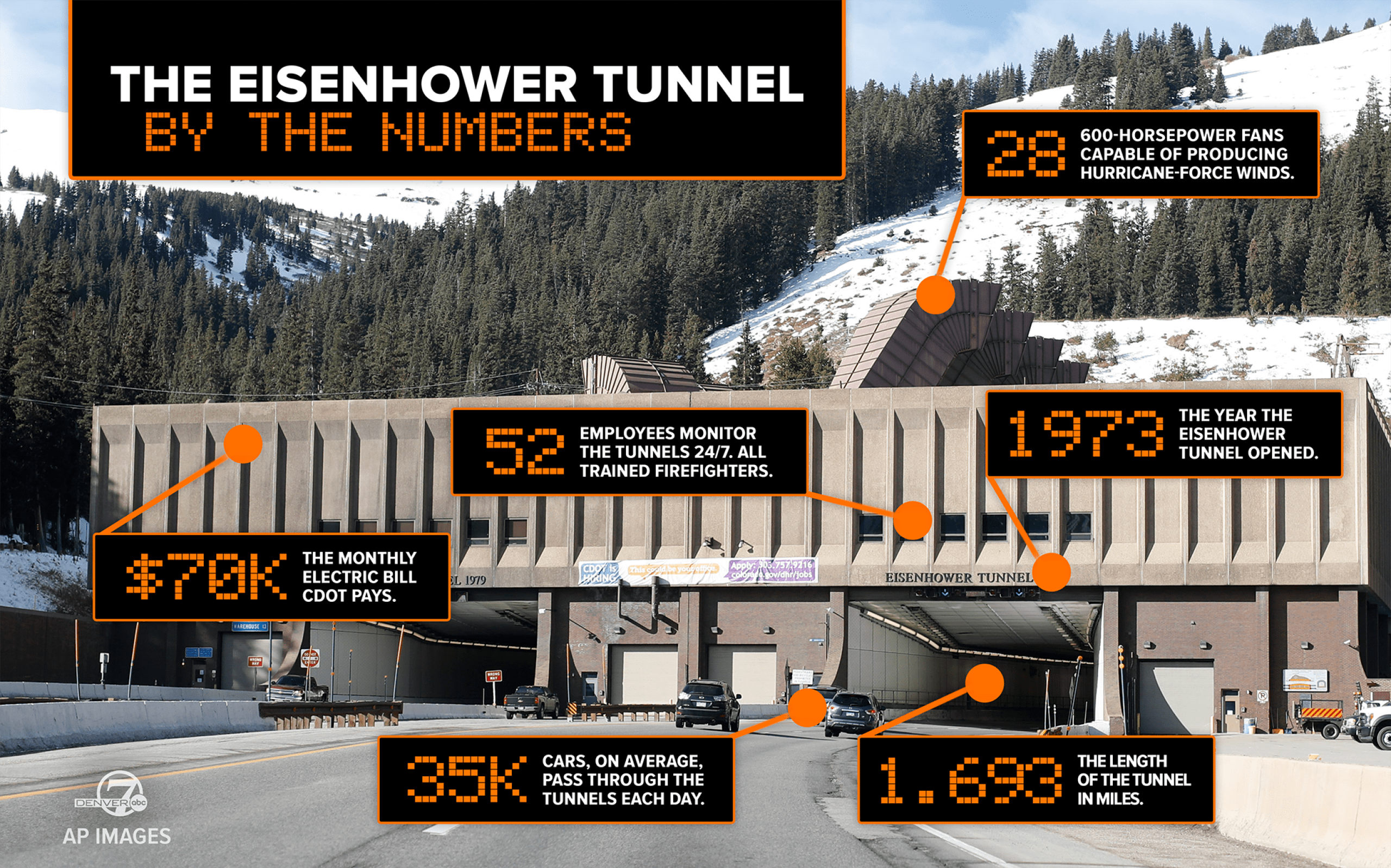
The straightforward answer to its length reveals only a fraction of its story. The Eisenhower Tunnel actually consists of two separate bores, each designed for one direction of traffic. The westbound bore, known as the Eisenhower Memorial Bore, spans 1.69 miles (2.72 kilometers). The eastbound bore, named the Edwin C. Johnson Bore, is slightly longer at 1.70 miles (2.74 kilometers). Combined, these twin tunnels represent an extraordinary feat of engineering, significantly reducing travel times and enhancing safety for millions of travelers each year. Situated at an elevation of 11,158 feet (3,401 meters) on the westbound side and 11,155 feet (3,400 meters) on the eastbound side, these tunnels are among the highest vehicular tunnels in the world, burrowing beneath Loveland Pass and the towering peaks of the Continental Divide. This impressive length, coupled with its extreme altitude, underscores the monumental challenges overcome during its construction and its enduring significance to the Colorado landscape and the broader American transportation network.
The Engineering Marvel: Unveiling the Eisenhower Tunnel’s Dimensions
The construction of the Eisenhower Tunnel was not merely a matter of digging through rock; it was an ambitious undertaking that pushed the boundaries of civil engineering. Its impressive length and location high in the Rocky Mountains posed unprecedented challenges, from extreme weather and geological complexities to the sheer logistics of moving massive amounts of material at such an altitude. The decision to build twin tunnels was a strategic one, aimed at maximizing traffic flow and ensuring safety on this crucial stretch of Interstate 70 (I-70). Each bore, meticulously planned and executed, stands as a testament to the vision and hard work of countless engineers, miners, and construction workers.
A Tale of Two Tunnels: Eisenhower Bore and Johnson Bore
The idea of a trans-mountain tunnel to bypass the treacherous Loveland Pass gained traction in the mid-20th century. The first bore, the westbound segment, was initiated in 1968 and opened in 1973. It was officially named the Eisenhower Memorial Bore in honor of President Dwight D. Eisenhower, who championed the Interstate Highway System. This initial 1.69-mile stretch immediately revolutionized travel across the Continental Divide, offering a much safer and faster alternative to the winding, often perilous, mountain pass.
The success and demand quickly necessitated the construction of a second bore. The eastbound tunnel, started in 1975 and completed in 1979, was named the Edwin C. Johnson Bore after Colorado Governor Edwin C. Johnson, a vocal advocate for the tunnel project. At 1.70 miles, it mirrors its twin in functionality and significance, albeit with minor differences in length due to the geological variations encountered during excavation. The existence of these two separate tunnels allows for unidirectional traffic flow, greatly reducing congestion and improving overall safety, especially during peak travel seasons, making them a model for modern infrastructure development.
Technical Specifications and Challenges
Building the Eisenhower Tunnel involved overcoming immense geological and environmental hurdles. The tunnels traverse through various rock types, including granite and schist, which required continuous monitoring and adaptation of drilling and blasting techniques. Workers faced rock bursts, water seepage, and the constant threat of avalanches on the mountainside. The high altitude significantly reduced the efficiency of machinery and presented physiological challenges for the workers, necessitating specialized equipment and extensive safety protocols.
Beyond the rock, the tunnels are equipped with sophisticated ventilation systems, emergency exits, communication infrastructure, and advanced lighting to ensure driver safety and comfort. The maximum grade within the tunnels is 1.64%, designed to be gentle enough for large trucks and recreational vehicles, yet steep enough to assist with natural drainage and ventilation. The constant maintenance and upgrades conducted by the Colorado Department of Transportation (CDOT) ensure these intricate systems remain operational, handling an average of 30,000 to 40,000 vehicles daily, a number that can surge dramatically during ski season weekends or holidays. The sheer scale and complexity of keeping such a vital piece of infrastructure running smoothly, day in and day out, truly highlight its status as a premier engineering achievement.
A Lifeline Through the Rockies: Impact on Travel and Tourism
Before the Eisenhower Tunnel, crossing the Continental Divide via Loveland Pass was a perilous and often time-consuming endeavor, especially during Colorado’s harsh winters. The pass is known for its steep grades, hairpin turns, and frequent closures due to heavy snowfall and adverse weather conditions. The opening of the tunnel dramatically transformed travel in the state, essentially creating a new, reliable corridor that connected the populous Front Range to the recreational haven of the Western Slope. This single infrastructure project became an indispensable lifeline, not just for locals but for millions of tourists flocking to Colorado’s world-renowned attractions.
Transforming Transcontinental Travel
The Eisenhower Tunnel drastically shortened the driving distance and, more importantly, the travel time between Denver and popular mountain destinations like Vail, Breckenridge, and Grand Junction, making cross-state journeys much more efficient. For instance, the drive from Denver to Vail used to involve navigating the tortuous Loveland Pass, a journey that could take hours longer and was often impossible in winter. With the tunnel, this trip became a straightforward drive, shaving off significant time and offering a smooth, controlled environment regardless of external weather.
This improvement in transit facilitated easier transcontinental travel along I-70, a major east-west artery linking states like Utah and beyond to the eastern United States. The tunnel ensures that this critical transportation corridor remains open and accessible year-round, minimizing disruptions to commercial trucking, emergency services, and the flow of goods. Its consistent reliability has solidified Colorado’s position as a logistical hub in the western U.S. and provided a robust foundation for various aspects of the lifestyle that thrives in and around the mountains.
Gateway to Colorado’s Adventures
For tourism, the impact of the Eisenhower Tunnel has been nothing short of revolutionary. It transformed Colorado’s ski resorts from remote destinations into easily accessible playgrounds for winter sports enthusiasts from around the globe. Resorts such as Breckenridge, Keystone, Copper Mountain, and Vail witnessed significant growth in visitor numbers, as the journey to them became significantly less daunting. This boosted local economies, spurred the development of new hotels, resorts, and other accommodation options, and created countless jobs.

Beyond skiing, the tunnel opens up a vast expanse of summer adventures. Hikers, mountain bikers, rafters, and sightseers can easily reach national forests, wilderness areas, and picturesque mountain towns without the seasonal restrictions of high mountain passes. The ability to consistently traverse the Continental Divide year-round means that Colorado’s natural attractions are always within reach, fueling the state’s vibrant outdoor lifestyle and making it a premier destination for those seeking both thrilling experiences and serene natural beauty. The tunnel truly is the gateway to the heart of the Colorado Rockies.
Journeying Through History: The Tunnel’s Legacy and Construction
The genesis of the Eisenhower Tunnel project lies in the mid-20th century, driven by the escalating traffic on US Route 6 over Loveland Pass. As Colorado’s population grew and outdoor recreation surged in popularity, the narrow, winding, and often snow-choked pass became a bottleneck, a safety hazard, and a significant impediment to economic development. The vision for a direct, high-speed connection beneath the Continental Divide was bold and ambitious, reflecting the spirit of an era marked by monumental infrastructure projects.
Overcoming Continental Divide Obstacles
Construction began in 1968, but the project quickly encountered formidable obstacles. Drilling through solid granite and fractured rock at such an extreme altitude presented unique geological challenges. The Continental Divide is not a monolithic structure; it’s a complex geological tapestry, and excavating through it meant contending with unstable fault lines, unexpected water inflows, and varying rock densities. Miners worked in harsh conditions, enduring frigid temperatures, low oxygen levels, and the ever-present danger of rockfalls and explosions.
The ventilation system alone was a marvel of engineering, designed to exchange the air in the tunnels completely every few minutes to cope with vehicle exhaust at altitude. Significant emphasis was placed on safety, resulting in continuous improvements in construction techniques and worker protection. The human cost was also substantial, with several lives lost during the demanding construction phases, a somber reminder of the sacrifices made to complete such a groundbreaking project. The tunnel stands as a monument not only to engineering prowess but also to the resilience and determination of the thousands of individuals who brought it to fruition.
Safety and Maintenance: Ensuring Smooth Passage
Since its completion, the Eisenhower Tunnel has been under constant vigilance by CDOT, ensuring its continued safe and efficient operation. Given its critical role and the extreme environment, maintenance is a year-round, intensive effort. This includes routine structural inspections, repairs to the concrete lining, upgrades to lighting and signage, and meticulous monitoring of air quality and ventilation systems. Snow removal on the approaches to the tunnel and avalanche control on the surrounding slopes are also continuous operations that are vital for keeping the tunnel accessible.
Emergency response protocols are highly refined, with dedicated crews and equipment on standby to address accidents, fires, or other incidents quickly. Traffic management strategies are constantly adapted to handle the fluctuating volumes of vehicles, especially during peak seasons when thousands of cars and trucks funnel through the relatively narrow confines of the twin bores. The Eisenhower Tunnel is not just a static landmark; it’s a living, breathing piece of infrastructure, constantly managed and cared for to sustain its role as a bedrock of Colorado’s transportation system and a symbol of accessible mountain travel.
Beyond the Tunnel: Exploring the Colorado Experience
While the experience of passing through the Eisenhower Tunnel is impressive in itself, it’s merely a prelude to the vast array of experiences that await on either side. The tunnel serves as a gateway to some of Colorado’s most beloved destinations, offering a diverse tapestry of outdoor activities, charming mountain towns, and world-class resorts. Whether you’re heading west towards the famed ski slopes or exploring the historic mining towns to the east, the journey through the tunnel marks the transition into a distinct and unforgettable Colorado adventure.
Nearby Attractions and Destinations
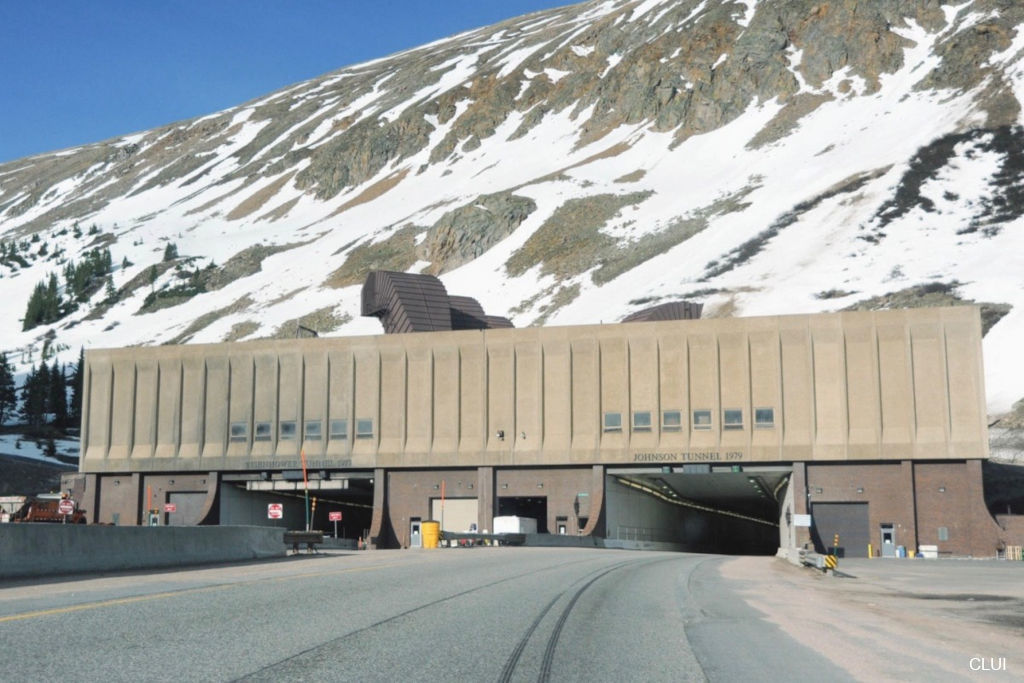
Exiting the eastbound Johnson Bore, travelers descend towards the historic mining towns of Georgetown and Idaho Springs. These picturesque towns offer a glimpse into Colorado’s rich mining heritage, complete with preserved Victorian architecture, mining tours, and scenic railway rides. Idaho Springs is also known for its hot springs, providing a perfect opportunity for relaxation after a day of exploration. For those seeking panoramic views, the scenic byway to Mount Evans, one of Colorado’s “fourteeners” (peaks over 14,000 feet), is a breathtaking detour during the summer months.
Heading west from the Eisenhower Bore, a world of resort towns and wilderness opens up. The Summit County towns of Dillon, Frisco, and Silverthorne are vibrant hubs offering shopping, dining, and easy access to multiple ski areas including Breckenridge, Keystone, and Copper Mountain. Further west along I-70 are the world-renowned Vail and Beaver Creek resorts, celebrated for their luxury accommodations, extensive ski terrains, and vibrant village atmospheres. Beyond these, the tunnel also facilitates access to Winter Park (via Berthoud Pass), and even the more distant Aspen and Snowmass, solidifying its role as the critical nexus for Colorado’s mountain tourism industry.
Planning Your Colorado Mountain Adventure
When planning your journey through or beyond the Eisenhower Tunnel, timing is everything. Weekends, especially during ski season (typically November through April) and summer holidays, see significantly increased traffic volumes, which can lead to slowdowns. CDOT provides real-time traffic updates, which are invaluable for navigating peak times. While the tunnel ensures safe passage in most conditions, it’s always wise to check weather forecasts for the mountains, as conditions can change rapidly, particularly at high elevations.
Consider staying in one of the many superb hotels or resorts in the surrounding areas. Whether you’re looking for luxury travel experiences in Vail or more budget-friendly accommodation in Silverthorne, there are options to suit every lifestyle and preference. From family trips to solo adventure travel, the areas accessed by the tunnel offer endless possibilities for exploration and relaxation. The Eisenhower Tunnel not only gets you there, but it also fundamentally shapes the entire experience of exploring the majestic heart of Colorado.
In conclusion, the Eisenhower Tunnel, with its two bores measuring 1.69 and 1.70 miles respectively, is a pivotal landmark in Colorado and a testament to human innovation. Its length and location are crucial elements of its identity, but its true significance lies in its profound impact on travel, tourism, and the very lifestyle of the Rocky Mountain region. It is more than just a passage; it is an enduring symbol of connectivity, resilience, and the relentless pursuit of progress that continues to define the spirit of the American West.
LifeOutOfTheBox is a participant in the Amazon Services LLC Associates Program, an affiliate advertising program designed to provide a means for sites to earn advertising fees by advertising and linking to Amazon.com. Amazon, the Amazon logo, AmazonSupply, and the AmazonSupply logo are trademarks of Amazon.com, Inc. or its affiliates. As an Amazon Associate we earn affiliate commissions from qualifying purchases.