
Dreaming of pristine white-sand beaches, crystal-clear turquoise waters, and year-round sunshine? Then Aruba, the “One Happy Island,” is likely high on your list. A popular Caribbean destination, Aruba offers a perfect escape for travelers from the colder climates of the Northeastern United States. For those departing from Boston, the question of flight duration is paramount in planning an unforgettable getaway. The good news is that reaching this slice of paradise from Boston is remarkably straightforward, with direct flights getting you there in just over four and a half hours, making it an accessible and appealing option for a long weekend or an extended vacation.

This comprehensive guide will delve into everything you need to know about the flight from Boston to Aruba, from direct routes and connecting options to essential preparation tips and what to expect upon arrival. We’ll explore the factors that influence flight times, provide insights into booking the best fares, and offer a glimpse into the incredible experiences that await you on this vibrant Dutch Caribbean island.
Unpacking Your Flight Options: Direct vs. Connecting Flights
When planning your journey from Boston to Aruba, your primary decision will revolve around choosing between a direct flight and a connecting flight. Each option comes with its own set of advantages and considerations regarding time, cost, and convenience.
Direct Flights: The Fastest Route to Paradise
For most travelers, a direct flight is the preferred method for reaching Aruba from Boston. These flights offer the most efficient way to transition from the bustling city life of Boston to the serene shores of Aruba with minimal interruption.
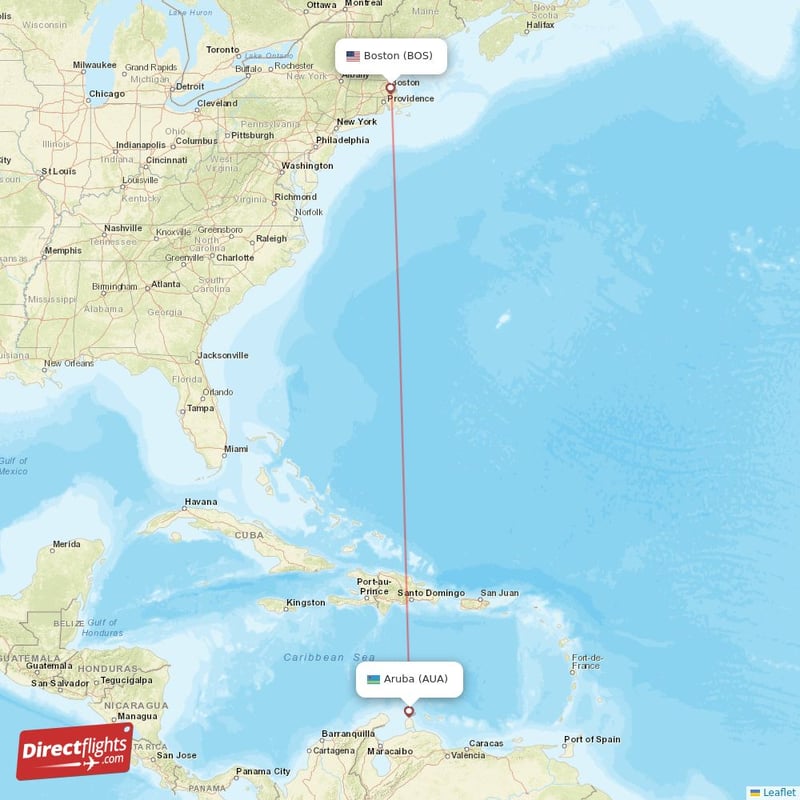
The typical duration for a non-stop flight from Boston Logan International Airport (BOS) to Queen Beatrix International Airport (AUA) in Oranjestad, Aruba, ranges between 4 hours and 30 minutes and 5 hours. This relatively short travel time makes Aruba an incredibly attractive destination, allowing you to maximize your time on the island.
Several major airlines frequently offer direct service on this route, especially during peak travel seasons or specific days of the week. JetBlue is a prominent carrier known for its regular direct flights from Boston to Aruba, often providing a comfortable experience with various in-flight amenities. Other airlines like Delta Air Lines and American Airlines may also offer seasonal or less frequent direct options, so it’s always worth checking their schedules. The convenience of departing from a major hub like Boston Logan International Airport means you benefit from a wide array of amenities, including diverse dining options, shops, and comfortable lounges, making the start of your journey seamless.
The primary benefit of a direct flight is clear: less time spent traveling and more time spent enjoying your vacation. You avoid the stress of layovers, potential missed connections, and the need to navigate multiple airports. This is particularly advantageous for families with young children or anyone looking for a truly relaxing and hassle-free travel experience.
Connecting Flights: Flexibility and Potential Savings
While direct flights are ideal, they might not always align with your schedule or budget. Connecting flights offer a viable alternative, providing greater flexibility in departure times and often presenting opportunities for cost savings, especially if booked well in advance or during off-peak periods.
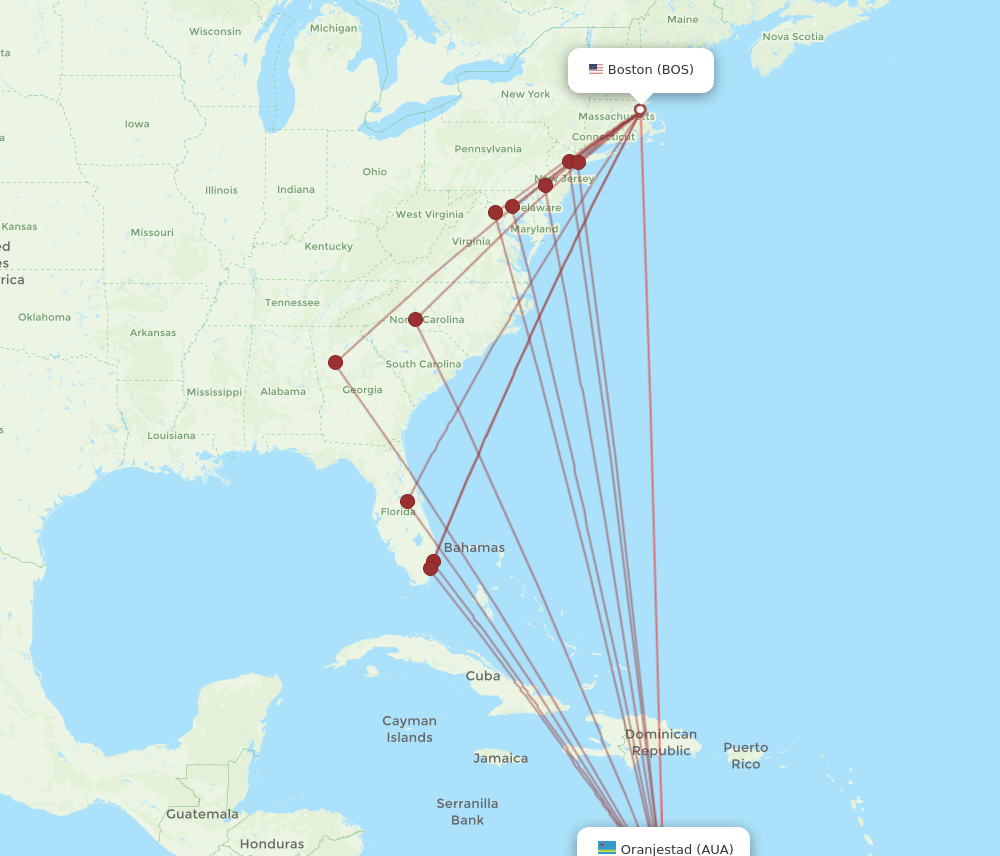
The total travel time for a connecting flight from Boston to Aruba can vary significantly, typically ranging from 6 to 10 hours or more, depending on the length of your layover and the efficiency of your connection. Common layover cities for flights to the Caribbean include major US hubs such as New York (JFK, LGA, EWR), Philadelphia (PHL), Miami (MIA), Charlotte (CLT), and Atlanta (ATL). Airlines like American Airlines, Delta Air Lines, United Airlines, and Southwest Airlines frequently operate connecting routes through these cities.
One of the main advantages of connecting flights is the broader selection of departure times and airlines, which can be useful if your travel dates are rigid. Additionally, connecting flights can sometimes be considerably cheaper than direct options, making them attractive for budget-conscious travelers. If you have a long layover, some travelers even opt to venture out and experience a glimpse of the layover city, effectively adding a mini-stopover to their trip.
However, the trade-offs include a significantly longer overall travel time and the potential for increased stress. Delays at one airport can cascade and affect subsequent flights, leading to missed connections or extended waits. It’s crucial to ensure you have ample layover time (at least 2-3 hours for domestic connections) to account for potential delays and allow for comfortable transit between gates or terminals. Despite these challenges, connecting flights remain a popular and practical choice for many travelers heading to Aruba.
Factors Influencing Flight Duration and Experience
While the estimated flight times provide a good baseline, several variables can subtly or significantly impact the actual duration and overall comfort of your journey from Boston to Aruba. Understanding these factors can help you better prepare and manage your expectations.
Aircraft Type and Air Speed
The type of aircraft used for your flight plays a role in how quickly you reach your destination. Newer, more fuel-efficient planes often have faster cruising speeds and can sometimes shave a few minutes off the overall flight time. For instance, single-aisle aircraft like the Airbus A320 or Boeing 737, commonly used for these routes, are designed for efficient short-to-medium haul flights.
Additionally, prevailing winds have a considerable impact. A strong tailwind (wind blowing in the same direction as the aircraft) can significantly reduce flight time, sometimes by 15-30 minutes or more. Conversely, a strong headwind can extend the flight duration. Pilots and air traffic controllers account for these conditions when planning routes and estimating arrival times.
Weather Conditions and Air Traffic Control
Weather is an undeniable factor in air travel. Adverse weather conditions, whether at Boston Logan International Airport, en route, or at Queen Beatrix International Airport in Aruba, can lead to delays. Heavy snow or ice in Boston during winter months, thunderstorms along the flight path, or even strong crosswinds upon landing in Aruba can necessitate route adjustments, holding patterns, or even diversions, all of which add to the total travel time.
Air traffic control (ATC) also plays a critical role in managing the flow of aircraft. Congestion in the airspace around major hubs like Boston or even Miami (a common connecting point) can lead to ground delays before takeoff or holding patterns in the air before landing. While generally well-managed, these factors are beyond the airline’s immediate control and can contribute to variations in flight times.
Time Zones and Pre-clearance
Understanding time zones is crucial when traveling from Boston to Aruba. Boston observes Eastern Standard Time (EST) during winter and Eastern Daylight Time (EDT) during summer. Aruba operates on Atlantic Standard Time (AST) year-round and does not observe daylight saving. This means that during EST, Aruba is one hour ahead of Boston. When Boston switches to EDT, both cities are on the same time. This time difference is naturally accounted for in your arrival time but is important to note for scheduling purposes.
A significant benefit for travelers returning to the United States from Aruba is the availability of US Customs and Border Protection pre-clearance at Queen Beatrix International Airport. This means you go through US immigration and customs procedures in Aruba before boarding your flight back home. Upon arrival in the US, you are treated as a domestic passenger, significantly speeding up your disembarkation and onward travel. While this process adds a bit of time to your departure experience in Aruba (requiring you to arrive at the airport earlier), it saves valuable time and hassle upon re-entry into the United States, making the entire return journey much smoother.
Preparing for Your Flight to Aruba
A smooth journey begins long before you step foot on the plane. Strategic planning and smart packing can make your flight from Boston to Aruba as comfortable and stress-free as possible.
Booking Tips and Best Times to Fly
Book in Advance: Especially if you’re aiming for a direct flight during peak season, booking your tickets several months in advance is highly recommended. This often secures better fares and ensures availability. Last-minute bookings, while sometimes yielding deals, typically come with higher prices and fewer options.
Be Flexible with Dates: If your travel dates are flexible, use flight comparison websites to explore prices across a range of days. Flying mid-week (Tuesday, Wednesday, Thursday) is often cheaper than flying on weekends.
Consider the Season: Aruba boasts a tropical climate with consistently warm temperatures year-round, averaging around 82°F (28°C). It is also famously located outside the main Hurricane Belt, making it a reliable destination even during hurricane season (June to November).
- Peak Season (Mid-December to Mid-April): This is the busiest and most expensive time to visit, coinciding with winter holidays and spring breaks. Expect higher airfares and accommodation rates.
- Shoulder Season (Mid-April to May, November to Mid-December): This period offers a sweet spot with pleasant weather, fewer crowds, and more favorable prices.
- Low Season (June to October): While still excellent weather-wise, this period sees fewer tourists due to US school holidays and higher chances of short, refreshing rain showers. This can be the best time for budget travelers to find great deals on flights and hotels.
Signing up for fare alerts from airlines or travel sites can also help you snag a deal when prices drop.
In-Flight Comfort and Essentials
Even a 4.5 to 5-hour direct flight warrants some preparation to ensure maximum comfort.
- Hydration is Key: Airplane cabins have low humidity, which can lead to dehydration. Drink plenty of water before and during your flight. Avoid excessive caffeine and alcohol, as they can contribute to dehydration.
- Snacks and Entertainment: While most airlines offer in-flight service, having your own snacks (nuts, fruit, granola bars) can be a lifesaver, especially if you have dietary restrictions or simply prefer your own choices. Download movies, TV shows, podcasts, or e-books onto your devices before you leave, as in-flight entertainment options can vary, and Wi-Fi often comes at an extra cost. Don’t forget a portable power bank!
- Comfortable Clothing and Layers: Dress in loose, comfortable clothing. Airplane cabins can fluctuate in temperature, so layers (a light jacket or sweater) are essential. A neck pillow and eye mask can help you relax or even catch some sleep, making the journey feel shorter.
- Personal Hygiene: Pack a small bag with travel-sized toiletries like hand sanitizer, a toothbrush, toothpaste, and moisturizer to freshen up before landing.
- Important Documents: Keep your passport, boarding pass, and any necessary travel documents (hotel reservations, car rental confirmations) easily accessible in your carry-on bag. A digital copy on your phone is also a good backup.
By taking these steps, you’ll ensure that the flight itself becomes a comfortable part of your overall travel experience, setting the stage for a fantastic vacation in Aruba.
Welcome to Aruba: Beyond the Flight
Once your flight touches down at Queen Beatrix International Airport (AUA), you’re officially on “One Happy Island.” The transition from air travel to Aruban bliss is remarkably smooth, with efficient airport services and a wealth of attractions and accommodations awaiting you.
Arriving at Queen Beatrix International Airport (AUA)
Queen Beatrix International Airport is a modern and welcoming facility. After clearing immigration (a swift process thanks to dedicated lanes and often friendly staff), you’ll proceed to baggage claim and then through customs. Given the US pre-clearance on return flights, arrival in Aruba is generally straightforward.
Once outside, you’ll find various transportation options to get to your accommodation. Taxis are readily available and operate on fixed rates to popular tourist areas like Palm Beach and Eagle Beach. Many resorts offer shuttle services, and car rental agencies are conveniently located at the airport if you plan to explore the island independently. Renting a car is highly recommended for those who wish to venture beyond the main resort areas and discover Aruba’s hidden gems.
Exploring Aruba: The One Happy Island
Aruba lives up to its moniker, offering a diverse array of experiences that cater to every type of traveler, from adventure seekers to those simply looking to relax by the sea.
Pristine Beaches and Water Sports: The island is famed for its stunning beaches. Palm Beach is the bustling hub, lined with high-rise resorts, vibrant restaurants, and a plethora of water sports activities, including parasailing, jet-skiing, and banana boat rides. For a more serene experience, Eagle Beach consistently ranks among the world’s best beaches, known for its wide stretch of soft sand, fofoti trees, and calm waters perfect for swimming. Other popular spots include Boca Grandi for kitesurfing and Baby Beach for families with small children due to its shallow, protected waters. Snorkeling and diving are exceptional, with vibrant coral reefs and intriguing shipwrecks to explore.
Natural Wonders and Landmarks: Beyond the beaches, Aruba’s rugged interior offers a striking contrast. A visit to Arikok National Park is a must. This vast protected area covers nearly 20% of the island and features dramatic desert landscapes, towering cacti, ancient cave paintings, and diverse wildlife. Within the park, you can discover attractions like Dos Playas, two beautiful coves with crashing waves, and the stunning Conchi Natural Pool, a secluded swimming hole protected by volcanic rock. Other notable landmarks include the historic California Lighthouse on the island’s northern tip, offering panoramic views, and the ancient Bushiribana Gold Mill Ruins, a testament to Aruba’s gold rush history.
Culture and Cuisine: The capital city, Oranjestad, is a charming blend of Dutch colonial architecture painted in pastel colors. It’s a fantastic place for duty-free shopping, dining, and experiencing local culture. The island’s culinary scene is a delightful fusion of Dutch, Caribbean, and international influences. Don’t miss the opportunity to savor fresh seafood, try traditional Aruban cuisine like keshi yena (stuffed cheese) or pastechi (fried pastry), and enjoy a romantic dinner at a beachfront restaurant.
Activities and Lifestyle: Aruba caters to various lifestyles. Adventure seekers can embark on Jeep tours or ATV rentals to explore the rugged coastline and hidden coves. Those seeking relaxation can indulge in spa treatments, yoga sessions on the beach, or simply lounge by their resort pool. The island also boasts vibrant nightlife, with numerous bars, clubs, and casinos offering entertainment well into the evening. Whether you prefer luxury travel, budget-friendly adventures, family trips, or a solo escape, Aruba has an activity to match.
Accommodation Options: Aruba’s accommodation landscape is as diverse as its attractions.
- Luxury Resorts: Along Palm Beach, you’ll find world-class resorts like the Hyatt Regency Aruba Resort Spa and Casino and the Ritz-Carlton Aruba, offering opulent suites, infinity pools, gourmet dining, and extensive amenities. Many of these offer all-inclusive packages for a truly worry-free vacation.
- Boutique Hotels and Apartments: For a more intimate experience, smaller boutique hotels and privately owned apartments or villas can be found across the island, particularly around Eagle Beach and within residential areas. These often provide a more local feel and can be ideal for longer stays.
- Budget-Friendly Stays: While Aruba is known for its upscale offerings, there are also guesthouses and smaller hotels that cater to budget travelers, particularly away from the main resort strips.
Booking your accommodation well in advance, especially during peak season, is crucial. Reviews and comparisons on travel sites can help you find the perfect match for your preferences and budget.
In conclusion, the flight from Boston to Aruba is a manageable and relatively quick journey, especially with direct options clocking in around 4.5 to 5 hours. This accessibility makes Aruba an exceptional choice for those seeking a tropical escape without an excessively long travel day. With careful planning, choosing the right flight, and preparing for your in-flight comfort, you’ll find yourself on the shores of “One Happy Island” in no time, ready to immerse yourself in its vibrant culture, stunning natural beauty, and endless recreational opportunities. Pack your bags, book your flight, and get ready to experience the magic of Aruba!
LifeOutOfTheBox is a participant in the Amazon Services LLC Associates Program, an affiliate advertising program designed to provide a means for sites to earn advertising fees by advertising and linking to Amazon.com. Amazon, the Amazon logo, AmazonSupply, and the AmazonSupply logo are trademarks of Amazon.com, Inc. or its affiliates. As an Amazon Associate we earn affiliate commissions from qualifying purchases.