
Embarking on a journey from the sun-drenched shores of California to the vast and captivating continent of Australia is an undertaking that ignites the imagination. This trans-Pacific voyage is not merely a hop across a time zone; it’s a significant leap across hemispheres, demanding careful planning and an understanding of the realities of long-haul travel. The most pressing question for any prospective traveler is often: “How long is the flight from California to Australia?” The answer, however, is not a simple one-size-fits-all figure. Several factors, from your departure city in California to your final destination in Australia, and the specific airline and route chosen, will influence the total duration of your flight.
Understanding the Flight Duration Variables
The distance between California and Australia is substantial, spanning thousands of miles across the Pacific Ocean. This geographical expanse is the primary determinant of flight times. However, like any complex travel equation, there are several variables at play that can significantly alter the perceived and actual duration of your journey. Understanding these nuances is crucial for setting realistic expectations and preparing for a comfortable travel experience.
Departure and Arrival Cities: A Geographic Spectrum
California is a large state, home to several major international airports that serve as gateways to global travel. Similarly, Australia boasts a number of key international hubs, each offering unique travel experiences and access to different parts of the country. The specific pairing of your departure and arrival cities will directly impact the flight time.
- West Coast Departures: Flights from southern California, such as those departing from Los Angeles International Airport (LAX) or San Diego International Airport (SAN), will generally have slightly shorter flight times compared to those originating from northern parts of the state.
- Northern California Departures: Airports like San Francisco International Airport (SFO) or Oakland International Airport (OAK) are further north, and while the difference might not be dramatic, it can add or subtract a small amount of time from the flight.
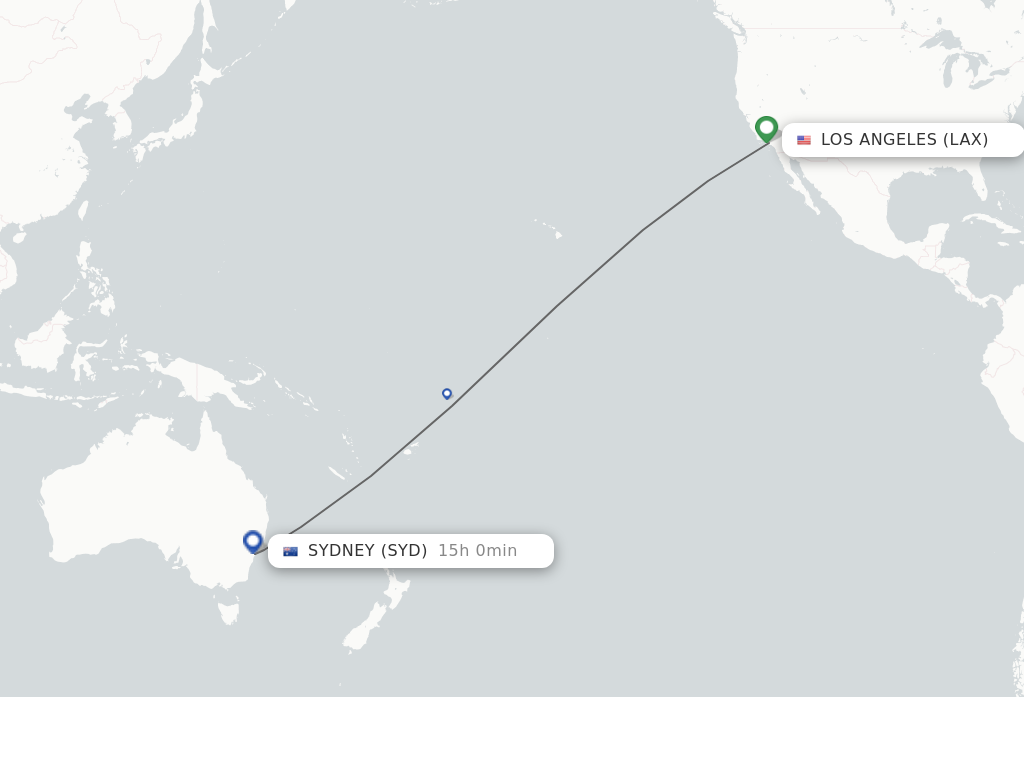
- Major Australian Gateways: The most common arrival points in Australia for flights from the United States are Sydney Airport (SYD), Melbourne Airport (MEL), and Brisbane Airport (BNE). Flights to Perth Airport (PER) in Western Australia are significantly longer due to the additional distance. For instance, a direct flight from LAX to Sydney is a common route, whereas a flight to Perth would necessitate a longer journey or a domestic stopover.
Direct vs. Connecting Flights: The Time Trade-Off
The most significant factor influencing flight duration, beyond sheer distance, is whether you opt for a direct, non-stop flight or a journey with one or more layovers.
- Non-Stop Flights: For travelers prioritizing speed and convenience, non-stop flights are the ideal choice. These flights bypass any intermediate stops, taking you directly from your Californian departure point to your chosen Australian destination. The flight time for a non-stop service from California to major Australian cities like Sydney or Melbourne typically ranges from 13 to 16 hours. This is a substantial commitment, requiring passengers to spend a significant portion of a day in the air. Airlines such as Qantas and formerly United Airlines have historically offered these direct routes.
- Connecting Flights: When direct flights are unavailable, too expensive, or inconveniently scheduled, connecting flights become a necessity. These journeys involve one or more stops at intermediary airports. The layover cities can vary widely, often including hubs on the West Coast of the United States (e.g., Vancouver or Seattle), or sometimes even further afield in Asia or the Pacific Islands. The total travel time for a connecting flight can easily extend to 18 to 24 hours, or even more, depending on the length of the layovers and the efficiency of the connections. While these flights might offer cost savings, they significantly increase the overall time spent traveling, along with the potential for jet lag and travel fatigue.
Airline and Aircraft Factors: The Unseen Influences
While less directly controllable by the traveler, certain aspects related to the airline and the aircraft can also play a subtle role in flight duration.
- Airline Scheduling and Routing: Different airlines may have slightly different flight paths or operational schedules that can impact the overall flight time. Some might take more direct routes, while others might have slightly longer flight plans due to air traffic control considerations or their network strategy.
- Aircraft Type: The specific aircraft used for the flight can influence speed and efficiency. Modern, fuel-efficient planes may sometimes offer slightly faster travel times. However, this is generally a minor factor compared to the route and presence of layovers.
- Wind Conditions: As with any flight, prevailing wind conditions, particularly the powerful jet stream, can affect flight times. Flights traveling eastward (from Australia to California) are often slightly faster due to tailwinds, while westward flights (from California to Australia) may encounter headwinds that marginally increase travel time.
Estimating Your Travel Time: A Practical Guide
To provide a more concrete answer to “How long is the flight from California to Australia?”, it’s helpful to break down the estimates based on common scenarios. These are average times and can fluctuate based on the specific day, airline, and booking.
The Direct Flight Experience
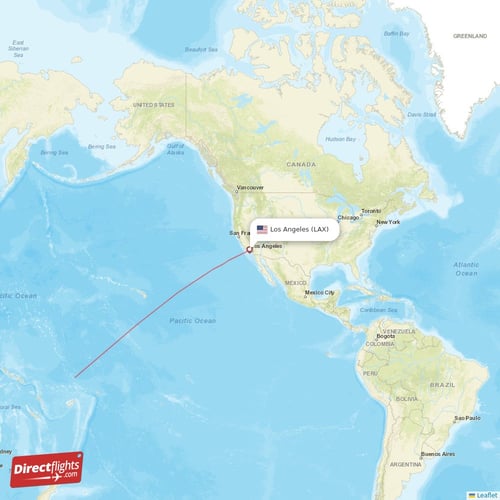
For those seeking the quickest route, a non-stop flight is the benchmark.
- Los Angeles (LAX) to Sydney (SYD): Expect flight times to be in the range of 14 to 15.5 hours. This is a popular and often preferred route for its efficiency.
- Los Angeles (LAX) to Melbourne (MEL): These flights are typically slightly longer, averaging around 15 to 16 hours.
- San Francisco (SFO) to Sydney (SYD): Flights from San Francisco are often similar to those from LAX, around 14 to 15 hours.
It’s important to note that direct flights are not always available on every airline or on every day. Availability can be seasonal and dependent on airline operational schedules.
The Connecting Flight Scenario
When layovers are involved, the journey transforms from a long flight into a full travel day, or even more.
- One-Stop Flights: These are the most common type of connecting flights. The total travel time can range from 18 hours to 24 hours, depending on the layover duration and location. For example, a flight from San Francisco to Sydney with a stop in Honolulu might take around 18-20 hours. A stopover in a further location, such as Singapore or Hong Kong, will naturally extend the journey significantly.
- Two or More Stops: While less common and generally less desirable for this route, flights with two or more layovers are possible. These can stretch the total travel time to 24 hours or more, making for a very arduous journey.
When evaluating connecting flights, always consider the total door-to-door travel time, including transit to and from airports, check-in times, and the actual time spent in the air and at layover airports.
Preparing for Your Long-Haul Journey
A flight of this magnitude is more than just a means of transportation; it’s an experience in itself that requires preparation to ensure comfort and well-being. Understanding the flight duration is only the first step. Effective preparation can mitigate the challenges associated with such extended travel.
Choosing the Right Flight and Accommodation
The decision between a direct and a connecting flight is a personal one, often dictated by budget, time constraints, and personal preference for travel style.
- Prioritizing Speed: If your primary goal is to reach Australia as quickly as possible, invest time in finding non-stop flights. These can be more expensive but offer unparalleled convenience. Consider booking well in advance to secure better fares and availability.
- Balancing Cost and Time: Connecting flights often present a more budget-friendly option. When selecting these, pay close attention to the layover durations. A layover of 2-3 hours is generally comfortable, allowing ample time for transit without excessive waiting. Longer layovers can be an opportunity to explore a new city briefly, but they also add to overall fatigue.
- Accommodation Considerations: Once you’ve booked your flights, think about your accommodation upon arrival. Whether you’re looking for a luxurious resort in the Gold Coast, a stylish apartment in Melbourne, or a family-friendly hotel in Sydney, booking in advance is recommended, especially during peak travel seasons. Websites offering hotel comparisons and reviews can be invaluable tools. For longer stays, exploring options for long-term stays might be more economical.
Maximizing Comfort and Minimizing Jet Lag
The extended time in the air can take a toll. Proactive measures can significantly improve your experience.
- In-Flight Comfort: Pack essentials for a comfortable flight. A neck pillow, eye mask, earplugs, and comfortable clothing are crucial. Stay hydrated by drinking plenty of water and avoid excessive alcohol and caffeine, which can dehydrate you and disrupt sleep.
- Entertainment and Engagement: Load up on movies, books, podcasts, or download offline games for your devices. Many airlines offer in-flight entertainment systems, but having your own curated selection ensures you won’t be bored.
- Adjusting to Local Time: As soon as you board your flight, try to adjust your watch to Australian time. This mental shift can help your body begin to acclimatize. Upon arrival, expose yourself to natural sunlight to help reset your circadian rhythm. Avoid long naps during the day if possible, as this can prolong the adjustment period.
- Exploring Australia: Remember that the long flight is an investment in experiencing a truly unique travel destination. From the iconic Sydney Opera House and the natural beauty of the Great Barrier Reef to the vibrant culture and culinary delights of cities like Melbourne and Adelaide, Australia offers a wealth of attractions and experiences. Planning your itinerary, including exploring local culture, food, and activities, will make the journey worthwhile. Consider the diverse lifestyle options, from luxury travel to more budget-friendly adventures.
In conclusion, the flight from California to Australia is a significant time commitment. While direct flights offer a journey of approximately 13 to 16 hours, connecting flights can easily extend this to 18-24 hours or more. Understanding these estimates, choosing the right flight option for your needs, and preparing adequately for the long haul will ensure a smoother and more enjoyable transition to the captivating Land Down Under.
LifeOutOfTheBox is a participant in the Amazon Services LLC Associates Program, an affiliate advertising program designed to provide a means for sites to earn advertising fees by advertising and linking to Amazon.com. Amazon, the Amazon logo, AmazonSupply, and the AmazonSupply logo are trademarks of Amazon.com, Inc. or its affiliates. As an Amazon Associate we earn affiliate commissions from qualifying purchases.