
Embarking on a journey from the bustling metropolis of Chicago, Illinois, to the vibrant southern hub of Atlanta, Georgia, is a common route for business travelers and tourists alike. Understanding the flight duration is a fundamental first step in planning an efficient and enjoyable trip. While the exact time can fluctuate due to a myriad of factors, a clear overview of what to expect can significantly enhance your travel preparations. This guide delves into the typical flight times, influencing variables, and practical considerations for this popular domestic air route.
Understanding the Direct Flight Duration
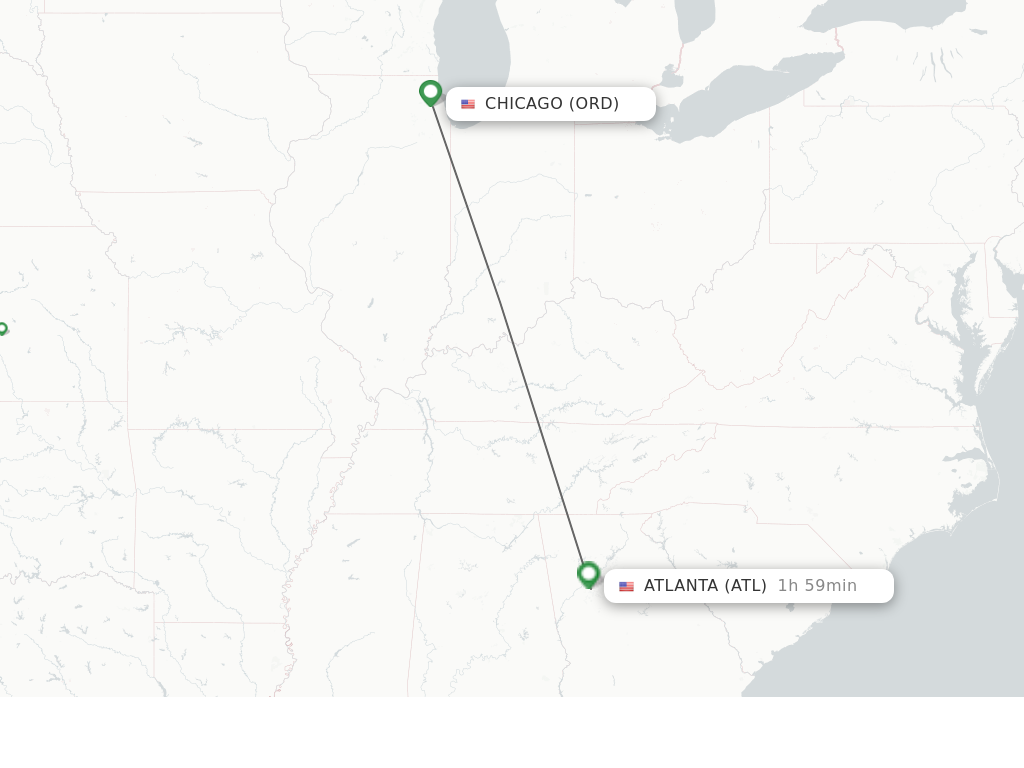
For travelers prioritizing speed and convenience, direct flights offer the most straightforward path from Chicago to Atlanta. These non-stop journeys eliminate the complexities and time commitments associated with layovers, providing a seamless travel experience.
Typical Flight Time
The average direct flight from Chicago to Atlanta typically ranges between 1 hour and 45 minutes to 2 hours and 15 minutes. This duration covers the actual airborne time, from take-off to landing. However, it’s important to remember that this is an average. Airline schedules often factor in buffer time to account for potential delays, meaning the scheduled flight time might appear slightly longer than the actual in-air duration. For instance, a flight might be scheduled for 2 hours and 30 minutes, but the plane could touch down in Atlanta in just under two hours if conditions are ideal.
Factors Influencing Direct Flight Times
Several elements can subtly, or sometimes significantly, impact the total duration of a direct flight:
- Aircraft Type and Speed: Different aircraft models have varying cruising speeds. A newer, more fuel-efficient jet might maintain a slightly faster speed, potentially shaving a few minutes off the journey compared to an older model. While these differences are usually minor on domestic routes, they contribute to the overall variability.
- Wind Conditions: Tailwind or headwind components play a crucial role. A strong tailwind can propel the aircraft faster, shortening the flight, while a headwind can increase resistance, extending the journey. This is one of the most common reasons for slight variations in flight times on the same route.
- Air Traffic Control (ATC) Directives: Air traffic controllers manage the flow of aircraft in the sky. During peak travel times or periods of congestion, ATC might issue revised flight paths or holding patterns, which can add extra minutes to a flight. While the route from Chicago to Atlanta is well-established, deviations can occur.
- Route Optimization: Airlines continuously optimize their flight paths for efficiency, considering factors like weather, airspace restrictions, and fuel consumption. Minor adjustments to the flight plan can lead to slight variations in travel time.
The Role of Layover Flights
While direct flights are often preferred, connecting flights, also known as layover flights, are a common and sometimes necessary part of air travel. They involve at least one stop at an intermediate airport before reaching the final destination.
Why Choose a Connecting Flight?
Travelers opt for connecting flights for a variety of reasons, even on routes where direct options are available:
- Cost Savings: Often, flights with one or more layovers are considerably cheaper than direct flights. Airlines might offer lower fares to fill seats on less popular routes or during off-peak times, making connections an attractive option for budget-conscious travelers.
- Specific Airline Preference or Loyalty Programs: Passengers loyal to a particular airline might choose a connecting flight if that airline doesn’t offer a direct service on their preferred schedule, or if accumulating loyalty points with a specific carrier is a priority.
- Convenient Scheduling: Sometimes, the available direct flights might not align with a traveler’s schedule, making a connecting flight with more flexible departure or arrival times a better fit.
- Access to Specific Airports: In some cases, a connecting flight might allow access to a smaller, less congested airport closer to the final desired location, although this is less common for popular city pairs like Chicago and Atlanta.
Calculating Total Travel Time with Layovers
When considering a connecting flight, the total travel time becomes significantly longer than a direct flight. It’s not just about adding up the flight segments; the layover duration is a critical component.
- Flight Segments: Add the duration of each individual flight segment. For example, a flight from Chicago to Charlotte and then to Atlanta would involve two separate flight times.
- Layover Duration: This is the time spent on the ground at the intermediate airport. Layovers can range from a quick 45-minute sprint between gates to an extended several-hour wait. A common layover duration is 1 to 3 hours, offering enough time to disembark, navigate the airport, and board the next flight without undue rush or excessive waiting.
- Number of Stops: Each additional stop naturally increases the total travel time due to an extra take-off, landing, and layover period.
- Airport Efficiency: The size and efficiency of the layover airport can influence the effective layover time needed. Larger, busier airports like Dallas/Fort Worth International Airport or Charlotte Douglas International Airport might require more time to navigate between gates than smaller regional airports.
Typically, a connecting flight from Chicago to Atlanta with a single layover could take anywhere from 4 to 8 hours or more in total, depending heavily on the layover time and the efficiency of the connection.
Major Airports and Routes for This Journey
The air corridor between Chicago and Atlanta is one of the busiest in the United States, serviced by major airports on both ends and numerous reputable airlines.
Departure from Chicago
Travelers departing from Chicago have two primary options:
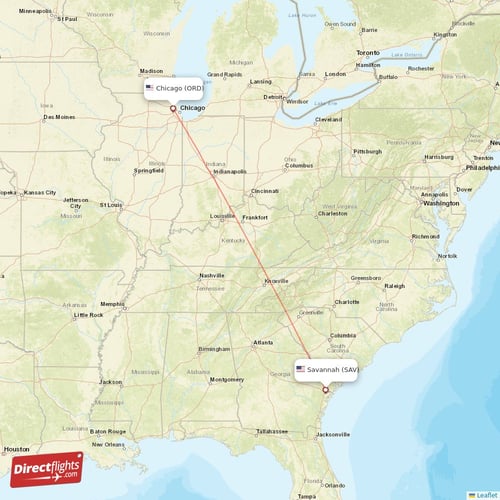
- O’Hare International Airport (ORD): One of the busiest airports in the world, O’Hare is a major hub for both domestic and international travel. Most major airlines operate extensive services from ORD, offering frequent direct flights to Atlanta. Its vast size means that while offering many options, navigating through its terminals and security can sometimes be time-consuming.
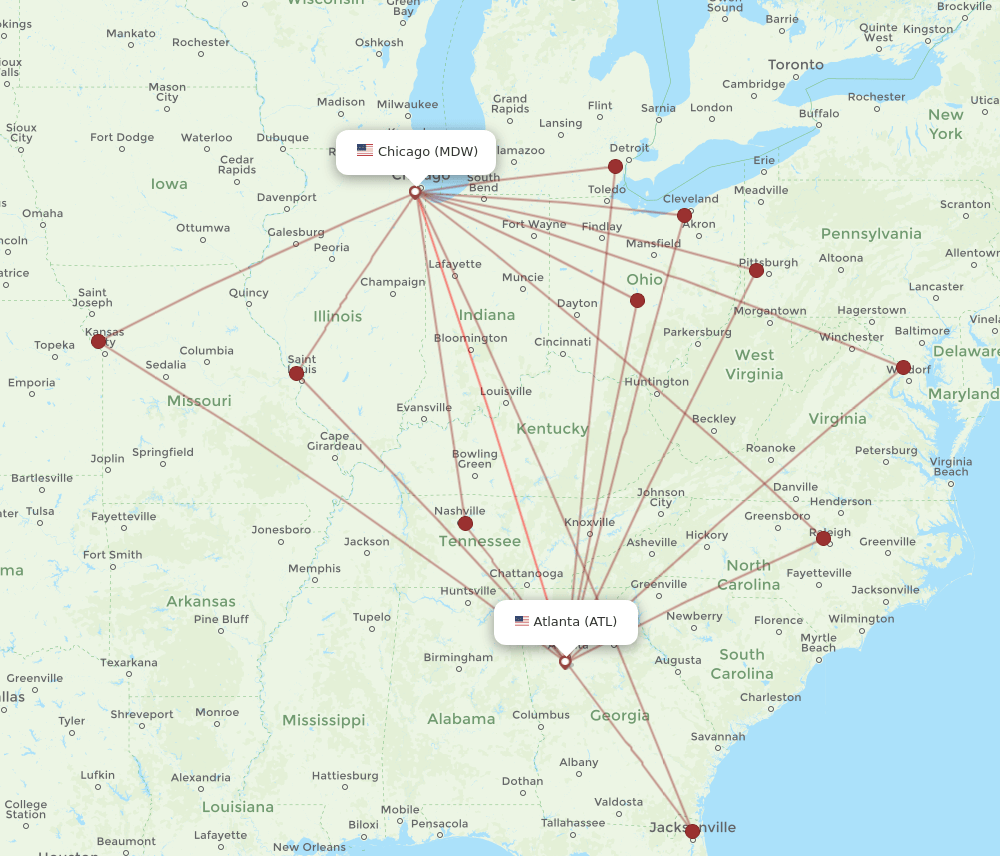
- Midway International Airport (MDW): Located closer to downtown Chicago than O’Hare, Midway is a smaller, more compact airport primarily served by Southwest Airlines. It offers a more streamlined experience for travelers who find its location or size more convenient. Southwest Airlines operates numerous direct flights from MDW to Atlanta.
Arrival in Atlanta
All flights arriving in Atlanta land at:
- Hartsfield-Jackson Atlanta International Airport (ATL): Consistently ranked as one of the world’s busiest airports by passenger traffic, ATL is the primary hub for Delta Air Lines. It is a massive and highly efficient airport, designed to handle a tremendous volume of flights and passengers. Despite its size, ATL is known for its relatively smooth operations, with an automated “Plane Train” connecting its numerous concourses.
Common Airlines Operating the Route
A wide array of airlines provides service between Chicago and Atlanta, offering travelers a choice in terms of price, schedule, and airline loyalty:
- Delta Air Lines: As Atlanta’s dominant carrier, Delta offers the most frequent direct flights from O’Hare.
- United Airlines: A major hub carrier at O’Hare, United also provides numerous direct flights.
- American Airlines: Another significant presence at O’Hare, American Airlines offers competitive options.
- Southwest Airlines: Dominating Midway, Southwest is a popular choice for its direct flights and unique fare structure.
- Budget Carriers: Spirit Airlines and Frontier Airlines also offer direct service from O’Hare to Atlanta, often at lower price points, though their offerings may differ in terms of amenities and baggage policies.
Optimizing Your Travel Experience
Beyond just knowing the flight duration, strategic planning can significantly enhance your overall travel experience from Chicago to Atlanta.
Best Time to Book Flights
- Advance Booking: For the best fares, it’s generally advisable to book flights at least 2-3 months in advance, especially if your travel dates are during peak seasons or holidays. Last-minute bookings tend to be significantly more expensive.
- Flexibility: If your travel dates are flexible, consider flying on weekdays (Tuesday, Wednesday, Thursday) or during off-peak hours, as these often have lower demand and thus cheaper fares.
- Fare Alerts: Utilize airline or travel website fare alerts to monitor price changes for your desired route. These alerts can notify you when prices drop, allowing you to secure a better deal.
In-Flight Experience Considerations
Even on a relatively short flight, comfort can make a difference.
- Seat Choice: Consider booking a window seat for views, an aisle seat for easy access, or a middle seat if traveling with companions. Emergency exit rows and bulkhead seats often provide more legroom but may come with restrictions.
- Amenities: Factor in what amenities are important to you. Some airlines offer Wi-Fi, in-flight entertainment, or complimentary snacks and beverages, while others operate a more basic service model. Be sure to check what’s included with your ticket.
- Essentials: Pack a small bag with essentials like a charging cable, headphones, a book, and a light snack to ensure a pleasant journey.
Navigating Airports Efficiently
Both O’Hare and Hartsfield-Jackson Atlanta International Airport are large, busy airports that require strategic navigation.
- Arrive Early: For domestic flights, arriving at least 2 hours before your scheduled departure is recommended, especially at ORD. This allows ample time for check-in, baggage drop, and security screening.
- Security Procedures: Be prepared for security checkpoints. Have your ID and boarding pass ready, and follow all instructions regarding liquids and electronics to expedite the process. Utilizing TSA PreCheck or Clear can significantly reduce wait times if you’re eligible.
- Gate Information: Always double-check your gate number upon arrival at the airport and be aware of any last-minute changes. Use airport apps or screens to stay updated.
- Ground Transportation: Plan your transportation to and from the airport in advance. In Chicago, options include the CTA Blue Line (to O’Hare) or Orange Line (to Midway), taxis, and rideshares. In Atlanta, MARTA (Metropolitan Atlanta Rapid Transit Authority) offers direct rail service from ATL to downtown and other key areas.
Beyond the Flight: Planning Your Atlanta Getaway
Once your flight duration from Chicago to Atlanta is secured, the next exciting phase is planning your time in the vibrant Peach State capital.
What to Expect Upon Arrival
Upon landing at Hartsfield-Jackson Atlanta International Airport, you’ll find a highly organized system for disembarking and accessing ground transportation. The airport is well-connected to the city, offering several convenient options:
- MARTA Rail: This is often the quickest and most economical way to get from ATL to downtown Atlanta, Midtown, Buckhead, and other neighborhoods. The MARTA station is located within the airport, accessible from the domestic terminal.
- Taxis and Rideshares: Designated pick-up areas are available for taxis and popular rideshare services like Uber and Lyft. These offer direct service to your accommodation but can be more expensive, especially during peak traffic.
- Rental Cars: Numerous rental car agencies operate at ATL. The Rental Car Center is easily accessible via a short Plane Train ride from the terminals.
Exploring Atlanta’s Appeal
Atlanta offers a rich tapestry of experiences, blending Southern hospitality with modern urban dynamism. As a travel destination, it caters to diverse interests:
- Historical Significance: Delve into the city’s pivotal role in the Civil Rights Movement through various museums and landmarks.
- Vibrant Culture: Explore diverse neighborhoods, each with its unique character, shops, and culinary scenes. From upscale dining to casual eateries, Atlanta’s food scene is a highlight.
- Green Spaces and Recreation: Enjoy the city’s numerous parks, trails, and outdoor activities, offering a refreshing contrast to the urban landscape.
- Family-Friendly Attractions: Atlanta boasts a range of attractions suitable for all ages, from aquariums to interactive exhibits.
Understanding the flight duration from Chicago to Atlanta is the first step in a well-planned travel itinerary. Whether you opt for a swift direct flight or a more cost-effective connecting journey, being informed about the factors influencing your travel time ensures a smoother and more predictable experience, allowing you to focus on enjoying your destination.
LifeOutOfTheBox is a participant in the Amazon Services LLC Associates Program, an affiliate advertising program designed to provide a means for sites to earn advertising fees by advertising and linking to Amazon.com. Amazon, the Amazon logo, AmazonSupply, and the AmazonSupply logo are trademarks of Amazon.com, Inc. or its affiliates. As an Amazon Associate we earn affiliate commissions from qualifying purchases.