
For travelers planning an escape from the vibrant city of Chicago to the lush, biodiverse landscapes of Costa Rica, understanding the flight duration is a fundamental first step in trip planning. The journey, while significant, is a bridge between the urban hustle and a paradise of rainforests, volcanoes, and pristine beaches. While a direct flight offers the quickest passage, the majority of routes involve at least one layover, extending the total travel time. This comprehensive guide will break down typical flight durations, factors that influence them, and tips for making your journey as smooth as possible, ensuring you arrive refreshed and ready to explore Costa Rica’s wonders.

Understanding Direct Flights vs. Connecting Routes
The most significant variable in determining your flight duration from Chicago to Costa Rica is whether you secure a direct flight or opt for a connecting route. Each option presents a different balance of convenience, cost, and travel time.
Direct Flight Duration
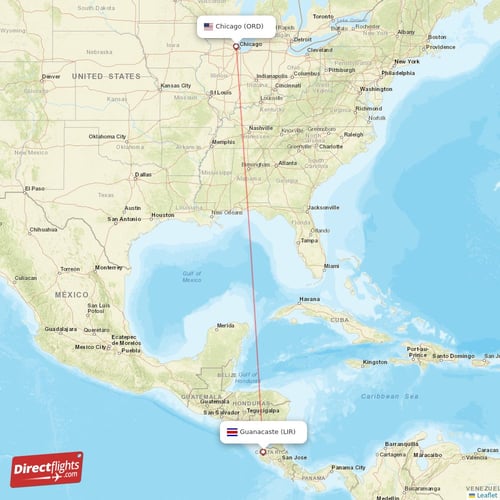
While less common than connecting flights, direct flights do exist, primarily from Chicago’s major hub, O’Hare International Airport (ORD). These non-stop journeys are the most efficient way to reach Costa Rica. A direct flight typically takes approximately 5.5 to 6.5 hours to reach either of Costa Rica’s main international airports: Juan Santamaría International Airport (SJO) near San José or Daniel Oduber Quirós International Airport (LIR) in Liberia.
Airlines offering direct service are usually major carriers, and these routes are often seasonal or less frequent compared to connecting options. The speed and convenience of a direct flight make it highly desirable for travelers prioritizing minimal travel time and avoiding the complexities of layovers. From the moment your aircraft departs the chilly Midwestern air, you are on a singular trajectory towards tropical warmth, making for a seamless transition between two distinct worlds. Checking airline schedules well in advance is crucial for finding these coveted non-stop options.
Connecting Flight Realities
The vast majority of flights from Chicago (from both O’Hare International Airport (ORD) and sometimes Midway International Airport (MDW)) to Costa Rica will involve at least one layover. These connecting flights significantly extend the total travel time, which can range anywhere from 8 hours to 12+ hours, depending on the layover duration and the number of stops.
Common connecting cities in the United States include major airline hubs such as Houston (IAH), Atlanta (ATL), Miami (MIA), Dallas (DFW), and Charlotte (CLT). While the flight segments themselves might be relatively short, the time spent on the ground awaiting your next flight can accumulate quickly. A layover of 2-3 hours is common, adding a substantial amount of time to the overall journey. Longer layovers, sometimes exceeding 5 hours, can turn what would be a 6-hour flight into a full day of travel. When planning, consider the trade-off between a potentially lower fare for a connecting flight and the added travel time and potential for delays. Factoring in adequate time for connections, especially when traveling internationally, is crucial to avoid stress and missed flights.
Factors Influencing Flight Duration
Beyond the direct vs. connecting route distinction, several other elements can subtly, or dramatically, influence the actual time you spend in the air and in transit. Understanding these can help set realistic expectations for your journey.
Aircraft Type and Speed
The specific aircraft model used for your flight can have a minor, yet discernible, impact on flight duration. Modern commercial airliners, particularly those designed for long-haul routes, often cruise at higher speeds and efficiencies. While the difference might only be 15-30 minutes on a 6-hour flight, it contributes to the overall flight plan. Newer planes also tend to have better fuel efficiency, which can influence route planning and directness. However, this factor is typically less impactful than air traffic or weather.
Air Traffic and Route Optimization
The skies are not empty highways; they are complex networks managed by air traffic control. Departures and arrivals from busy hubs like O’Hare International Airport can experience delays due to congestion. Once airborne, the actual flight path taken can vary. Air traffic controllers, in conjunction with airline operations, constantly optimize routes to avoid adverse weather, military airspaces, or other congested corridors. Minor deviations to find optimal winds (e.g., catching a tailwind or avoiding strong headwinds) can shave off or add a few minutes to the flight time. The most direct route (great-circle distance) isn’t always the fastest or most fuel-efficient in real-world conditions.
Weather Conditions
Weather is one of the most unpredictable and significant factors affecting flight duration. Strong headwinds, for example, can noticeably increase flight time, forcing the aircraft to exert more effort to maintain ground speed. Conversely, tailwinds can provide a beneficial push, reducing the travel time. Severe weather systems, such as thunderstorms or hurricanes, can lead to route changes, holding patterns, or even diversions, all of which add to the overall travel duration. While pilots and air traffic control work diligently to navigate around such conditions, safety is always paramount, and adjustments are made accordingly.
Airline Operations and Scheduling
Airlines build buffer time into their schedules to account for common delays, aiming to maintain a good on-time performance record. This means that an advertised 6-hour flight might actually be completable in 5 hours and 45 minutes on a perfect day. However, operational issues like maintenance delays, crew availability, or gate congestion can cause flights to depart late, directly impacting your arrival time, especially for connecting flights where tight schedules can be easily disrupted. The efficiency of ground operations at both departure and arrival airports also plays a role in keeping to schedule.
Choosing Your Arrival Airport in Costa Rica
Costa Rica boasts two primary international airports, each serving different regions of the country and potentially influencing your overall travel experience and domestic travel time once you land. Your choice of airport often depends on your final destination within the country.
Juan Santamaría International Airport (SJO) – Serving San José and Central Valley
Located just outside San José, the capital, Juan Santamaría International Airport (SJO) is the larger and busiest of Costa Rica’s two international airports. It’s the most common entry point for travelers aiming to explore the country’s central highlands, Caribbean coast, and popular destinations accessible from the Central Valley. From SJO, you can easily reach iconic attractions like the majestic Arenal Volcano and its hot springs, the cloud forests of Monteverde, or the pristine beaches and wildlife of Manuel Antonio National Park.
The flight time to SJO from Chicago (direct) is typically around 5 hours 45 minutes to 6 hours. For those with connecting flights, the total journey will, of course, be longer. SJO offers a wide array of rental car agencies, shuttle services, and domestic flights connecting to smaller regional airports across the country, making onward travel relatively straightforward despite often being located a few hours drive from most tourist hotspots.
Daniel Oduber Quirós International Airport (LIR) – Gateway to Guanacaste and Northern Pacific
Situated near Liberia in the northwestern province of Guanacaste, Daniel Oduber Quirós International Airport (LIR) is the ideal choice for travelers heading directly to the popular beaches and resorts of Costa Rica’s Pacific coast. This airport has seen significant growth in recent years, drawing more direct international flights. From LIR, you are minutes away from stunning beaches like those in Tamarindo, the luxury resorts of the Papagayo Peninsula, and numerous other surf and sun destinations along the northern Pacific coastline.
Direct flights to LIR from Chicago generally take around 5 hours 30 minutes to 6 hours 15 minutes, a similar duration to flights to SJO. For many beach-focused vacations, arriving at LIR can significantly reduce post-flight ground travel time, often saving hours compared to flying into SJO and driving across the country. This can be a major convenience, particularly for families or those seeking immediate relaxation upon arrival.
Impact on Total Travel Time
While the actual flight duration from Chicago to either SJO or LIR might be similar, the choice of your arrival airport profoundly impacts your total travel time from your home in Chicago to your final accommodation in Costa Rica. For example, if your ultimate destination is a resort in Guanacaste, flying into LIR could mean a total travel time of 6-7 hours (including airport transit and short drive), whereas flying into SJO might stretch that to 10-12 hours when factoring in the 4-5 hour drive from San José. Conversely, if you plan to explore Arenal Volcano or Monteverde first, SJO is generally the more logical and time-efficient entry point. Always consider your itinerary when booking your flights to ensure the most efficient use of your precious vacation time.
Maximizing Comfort on a Long-Haul Flight
Regardless of whether your flight is a swift 5.5-hour direct journey or a longer, connecting route stretching over 10 hours, maximizing your comfort is key to arriving in Costa Rica feeling refreshed and ready for adventure.
Pre-Flight Preparations
Smart planning before you even reach O’Hare International Airport (ORD) can significantly enhance your in-flight experience. Begin by selecting your seat carefully; aisle seats offer freedom of movement, while window seats provide a resting place and views. If possible, consider splurging for extra legroom or a premium economy seat on longer segments. Pack an easily accessible carry-on with essentials: noise-canceling headphones, an eye mask, a neck pillow, a travel-sized toiletries kit, and any medications. Wear comfortable, loose-fitting clothing and layers to adapt to varying cabin temperatures. Checking in online can save time and stress at the airport, allowing you to breeze through security.
In-Flight Strategies
Once you’re settled on board, proactive measures can combat the fatigue of long-haul travel. Hydration is paramount: drink plenty of water and avoid excessive alcohol or caffeine, which can lead to dehydration. Movement is essential: get up and walk the aisle every couple of hours to improve circulation and prevent stiffness. Simple stretches in your seat can also help. Entertainment is crucial for passing the time; load up your devices with movies, music, podcasts, or e-books. If you plan to sleep, an eye mask and earplugs can create a conducive environment. Setting your watch to Costa Rica time (which observes Central Standard Time year-round, meaning it’s often two hours behind Chicago during daylight saving) can also help mentally prepare for the time zone change.
Managing Jet Lag
Traveling from Chicago to Costa Rica involves a time zone difference, typically two hours (e.g., if it’s 10 AM in Chicago during daylight saving, it’s 8 AM in Costa Rica). While not as severe as transatlantic travel, this shift can still induce mild jet lag. To minimize its effects, try to adjust your sleep schedule gradually a few days before your trip. Once you arrive, immediately adopt the local time, even if it means forcing yourself to stay awake or go to bed earlier than usual. Seek natural daylight as soon as possible, as light exposure helps reset your body’s internal clock. Stay hydrated and avoid heavy meals for the first day. A good night’s sleep in Costa Rica’s tranquil environment will likely have you feeling energized and ready to explore by your second day.
The flight from Chicago to [Costa Rica](https://lifeoutofthebox.com/costa-rica] is a manageable journey, ranging from approximately 5.5 hours for a direct flight to 8-12+ hours with layovers. By understanding the factors that influence flight duration, choosing the optimal arrival airport (Juan Santamaría International Airport (SJO) or Daniel Oduber Quirós International Airport (LIR)) based on your itinerary, and employing smart comfort strategies, you can ensure your travel day is as smooth and enjoyable as possible. With a little planning, you’ll soon be exchanging the Midwestern skyline for the vibrant sounds and sights of Costa Rica, ready to embrace its “Pura Vida” spirit.
LifeOutOfTheBox is a participant in the Amazon Services LLC Associates Program, an affiliate advertising program designed to provide a means for sites to earn advertising fees by advertising and linking to Amazon.com. Amazon, the Amazon logo, AmazonSupply, and the AmazonSupply logo are trademarks of Amazon.com, Inc. or its affiliates. As an Amazon Associate we earn affiliate commissions from qualifying purchases.