
The journey from the bustling metropolis of Chicago, Illinois, to the vibrant heart of Dallas, Texas, is a common route for business travelers, tourists, and those visiting family. Understanding the duration of this flight is crucial for efficient trip planning, enabling travelers to optimize their schedules and manage expectations. While the direct flight is relatively straightforward, several factors can influence the overall travel time, from airport choices to prevailing weather conditions. This comprehensive guide delves into the specifics of this popular domestic air route, offering insights into typical durations, influencing variables, and practical tips for a seamless journey.
Understanding Flight Durations: Factors at Play
The advertised flight duration is often an estimate, and the actual time spent in the air can vary. For the route between Chicago and Dallas, several key elements contribute to these fluctuations, making it essential for travelers to consider more than just the flight’s “wheels up” to “wheels down” time.
Direct vs. Connecting Flights
The most significant determinant of total travel time is whether a flight is direct or involves one or more layovers. A direct flight, often referred to as a non-stop, covers the distance without any intermediate stops. These are invariably the quickest option. Connecting flights, however, can add several hours to a journey, depending on the layover city, the wait time between flights, and the efficiency of transfers. While direct flights offer unparalleled convenience, connecting flights might sometimes be more economical or necessary due to limited direct availability on specific dates or times.
Aircraft Type and Airspeed
The type of aircraft used by airlines can subtly affect flight duration. Larger, more modern jets often have greater cruising speeds, potentially shaving a few minutes off a journey compared to older or smaller regional jets. However, these differences are usually minor on a route of this distance. More impactful is the actual airspeed achieved, which can be influenced by wind conditions. A strong tailwind can propel an aircraft faster, reducing flight time, while a headwind can increase it.
Air Traffic Control and Weather Conditions
Air traffic control (ATC) plays a critical role in managing the flow of aircraft. Delays can occur due to congestion at departure or arrival airports, particularly at major hubs like Chicago O’Hare International Airport (ORD) or Dallas/Fort Worth International Airport (DFW). Weather is another undeniable factor. Adverse conditions such as thunderstorms, heavy snow, or even dense fog can lead to ground delays, reroutes, or even cancellations, significantly impacting overall travel time. Even clear skies can hide high-altitude jet streams that influence flight paths and speeds.
Typical Flight Times from Chicago to Dallas
Given the variables, it’s helpful to understand the general range of flight times for this popular route. Airlines publish scheduled flight durations, which serve as a reliable benchmark for planning.
Non-stop Journeys
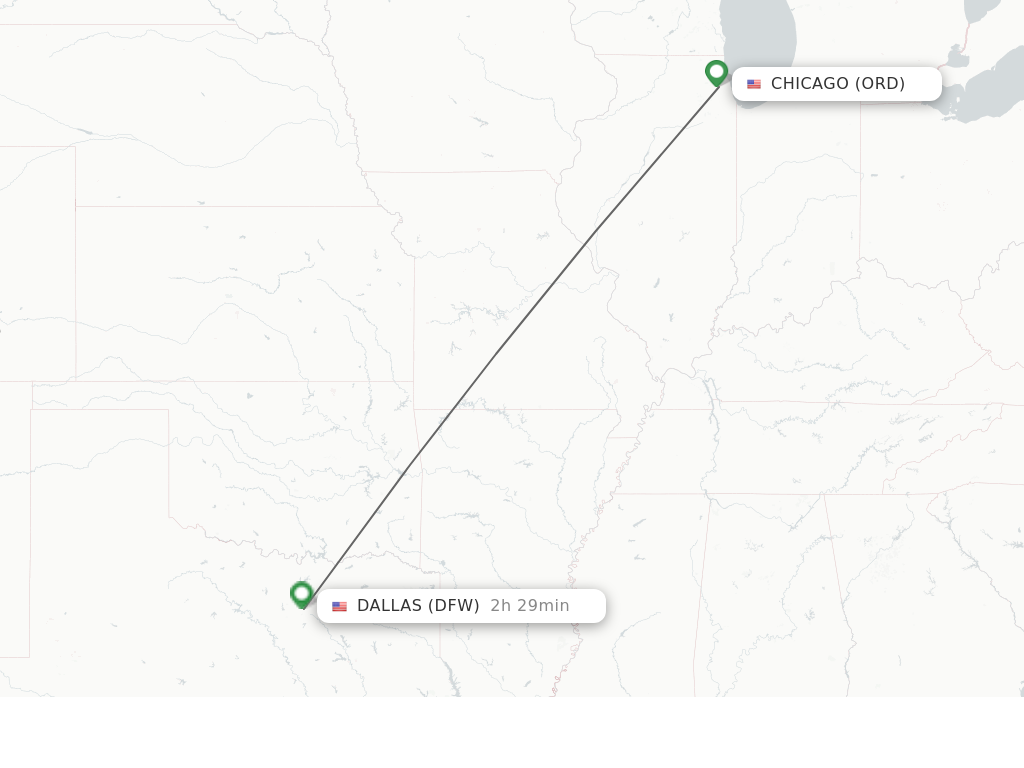
For a direct, non-stop flight from Chicago to Dallas, the average flight time is approximately 2 hours and 30 minutes to 2 hours and 50 minutes. This duration covers the actual time the aircraft is airborne. When considering the entire door-to-door travel experience, it’s crucial to factor in time for checking in, clearing security, boarding, taxiing, and disembarking. For a non-stop journey, travelers should realistically allocate at least 4-5 hours from arriving at the departure airport to exiting the arrival airport. Major airlines frequently offering this direct route include American Airlines, United Airlines, and Southwest Airlines.
Common Connecting Routes and Their Impact
If a direct flight isn’t available or is prohibitively expensive, connecting flights offer an alternative. The most common layover cities for flights between Chicago and Dallas often include major airline hubs such as Denver, St. Louis, Atlanta, or Houston. A one-stop flight can extend your total travel time to anywhere from 4 hours to 8 hours or more, depending heavily on the length of the layover. A short, efficient layover of 60-90 minutes might result in a total travel time closer to the lower end, while longer layovers can push the total travel time significantly higher. It’s always advisable to check the layover duration carefully when booking connecting flights to avoid unnecessary delays or rushed transfers.
Choosing Your Airport: Chicago’s Hubs and Dallas’s Gateways
Both Chicago and Dallas are major metropolitan areas served by multiple airports, each with distinct characteristics that can influence your overall travel experience and effective travel time.
Chicago O’Hare International Airport (ORD)
As one of the busiest airports in the world, Chicago O’Hare International Airport (ORD) serves as a primary hub for both American Airlines and United Airlines. It offers the widest selection of flights to Dallas, including frequent non-stop options. While its extensive connectivity is a benefit, ORD is also known for its potential for delays due to its high volume of traffic and sometimes challenging weather conditions. Travelers flying from ORD should allow ample time for transit to the airport, check-in, and security, especially during peak travel periods.
Chicago Midway International Airport (MDW)
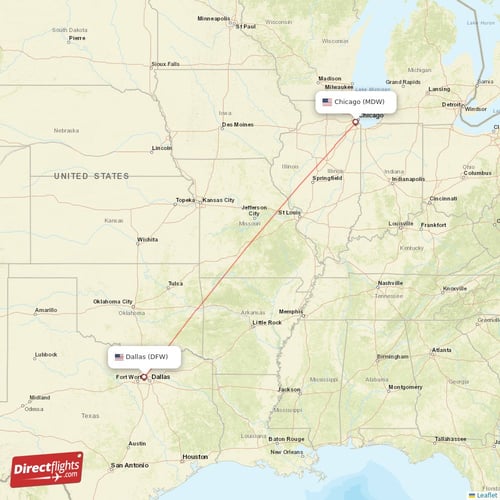
Chicago Midway International Airport (MDW) is a smaller, more centrally located airport, primarily dominated by Southwest Airlines. For those living closer to downtown Chicago or the southern suburbs, MDW can offer a more convenient and often quicker airport experience, with shorter lines and easier navigation. Flights from MDW to Dallas typically land at Dallas Love Field. The flight durations from MDW are comparable to ORD, but the overall airport experience might save significant time on the ground.
Dallas/Fort Worth International Airport (DFW)
Dallas/Fort Worth International Airport (DFW) is one of the world’s largest and busiest airports, serving as the main hub for American Airlines. Most non-stop flights from Chicago’s ORD land at DFW. DFW is massive, with multiple terminals connected by an efficient airside train system (Skylink). While its size ensures a vast array of services and connections, navigating DFW can take time, especially if connecting flights or requiring ground transportation. Travelers should factor in time for baggage claim and reaching their final destination within Dallas or Fort Worth.
Dallas Love Field (DAL)
Dallas Love Field (DAL) is a smaller, more centrally located airport closer to downtown Dallas. It’s primarily served by Southwest Airlines, which often flies direct from Chicago Midway International Airport. For travelers whose final destination is central Dallas, flying into DAL can save considerable time on ground transportation compared to DFW. The airport experience at DAL is generally more streamlined, with shorter walks and quicker egress.
Maximizing Your Travel Experience
Beyond the flight duration itself, several strategies can help ensure a smoother and more enjoyable journey from Chicago to Dallas.
Best Times to Fly
To minimize the chance of delays and potentially secure better fares, consider flying during off-peak hours or days. Early morning flights typically have a higher on-time performance rate as they are less susceptible to accumulated delays from previous flights throughout the day. Mid-week (Tuesday, Wednesday) flights can also be less crowded and potentially cheaper than those on weekends or Mondays/Fridays. Avoiding major holidays and school breaks will also contribute to a less stressful travel experience.
In-Flight Comfort and Amenities
For a flight of around 2.5 to 3 hours, in-flight comfort is important but less critical than for long-haul international flights. Most airlines operating this route offer basic amenities such as complimentary non-alcoholic beverages and snacks. Many modern aircraft also provide Wi-Fi access (often for a fee) and in-seat power outlets, allowing travelers to stay productive or entertained. Downloading movies, podcasts, or e-books beforehand can enhance the experience, especially if in-flight entertainment options are limited. Wearing comfortable clothing and bringing a neck pillow can also make the journey more relaxing.
Navigating Airport Transfers and Ground Transportation
Upon arrival in Dallas, understanding your ground transportation options is key to a smooth transition. Both DFW and DAL offer various choices:
- Ride-sharing services (Uber, Lyft): Widely available at both airports, offering convenience for direct drop-offs.
- Taxis: Readily available at designated taxi stands.
- Rental Cars: Both airports host numerous car rental agencies, ideal for those planning extensive travel around Dallas and surrounding areas like Fort Worth.
- Public Transportation:
- From DFW: The DART (Dallas Area Rapid Transit) light rail connects DFW to downtown Dallas and other areas.
- From DAL: DART bus routes connect to the light rail system, providing access to various parts of the city.
Planning your onward journey from the airport in advance can save time and reduce stress, especially after a flight.
Beyond the Flight: What to Expect Upon Arrival in Dallas
While the primary focus of planning is often the flight itself, it’s beneficial to have a general understanding of what awaits you upon arrival in Dallas to smoothly transition into your travel plans.
Getting Around Dallas
Dallas is a sprawling city, and while its downtown core and popular neighborhoods like Uptown and Deep Ellum are somewhat walkable, a car is generally recommended for exploring the wider metropolitan area. The DART system provides a decent public transport option, particularly for reaching key destinations within the city. Ride-sharing services and taxis are also abundant and convenient for shorter distances or when time is of the essence. For longer stays or comprehensive exploration, a rental car from either DFW or DAL offers the most flexibility.
Popular Attractions and Initial Impressions
Upon landing, travelers will find Dallas to be a city of striking contrasts. It boasts a modern skyline, historical districts, and a vibrant cultural scene. Key attractions like the Sixth Floor Museum at Dealey Plaza, the Dallas Arts District, and the lively Klyde Warren Park are often high on visitors’ lists. The city is also known for its excellent dining, ranging from upscale steakhouses to authentic Tex-Mex. Getting a feel for these immediate opportunities helps orient a traveler after their journey.

Planning Your Return or Further Adventures
Whether your trip to Dallas is for business or leisure, planning your departure or subsequent travel is as important as your arrival. If returning to Chicago, the same considerations regarding airport choice, direct versus connecting flights, and time management apply. If Dallas is a stop on a larger United States itinerary, understanding its connectivity to other major cities will be crucial for seamless onward travel. Always reconfirm flight details, allow ample time for airport processes, and consider potential delays, especially during peak travel seasons, to ensure a smooth conclusion to your Texas adventure.
LifeOutOfTheBox is a participant in the Amazon Services LLC Associates Program, an affiliate advertising program designed to provide a means for sites to earn advertising fees by advertising and linking to Amazon.com. Amazon, the Amazon logo, AmazonSupply, and the AmazonSupply logo are trademarks of Amazon.com, Inc. or its affiliates. As an Amazon Associate we earn affiliate commissions from qualifying purchases.