
Embarking on a journey from the heart of the United States to the ancient lands of Greece is an exciting prospect for any traveler. While the allure of historic ruins, sun-drenched islands, and vibrant culture awaits, a primary consideration for many is the duration of the flight. Understanding the intricacies of air travel between Chicago and Greece is essential for planning an efficient and enjoyable trip. This extensive guide will delve into typical flight times, the factors that influence them, and strategies to optimize your travel experience.
Understanding the Journey: Chicago to Greece
The vast geographical distance between the Midwestern United States and Southeastern Europe necessitates a considerable amount of travel time. A direct flight across the Atlantic Ocean and over the European continent is a substantial undertaking, often complicated by the lack of non-stop services from secondary hubs like Chicago to Greece’s main international airport.

Geographical Distance and Air Travel Realities
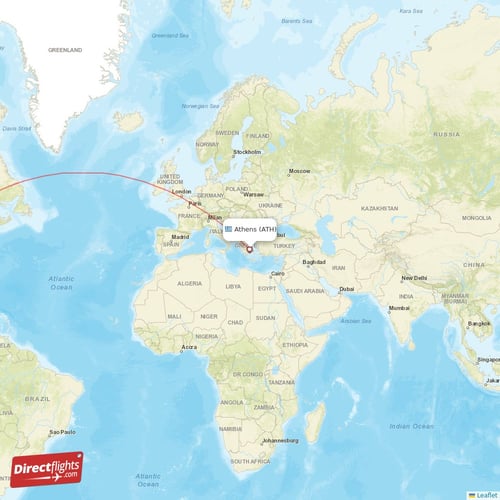
The approximate great-circle distance (the shortest distance over the Earth’s surface) between Chicago and Athens, Greece’s capital and primary international gateway, is roughly 5,500 miles (8,850 kilometers). Commercial aircraft typically cruise at speeds between 500-600 miles per hour. While a simple division might suggest a flight time of around 9-11 hours, several factors, including air traffic control, prevailing winds (especially the jet stream when flying eastward), and the need for connecting flights, extend this duration significantly. The journey essentially involves crossing an entire ocean and then traversing a significant portion of the European landmass to reach the Mediterranean Sea.
Key Airports for Departure and Arrival
For travelers departing from Chicago, the primary airport is O’Hare International Airport (ORD). As one of the busiest airports in the world, O’Hare offers extensive connections, making it a crucial hub for international travel.
Upon arrival in Greece, the main point of entry for most international flights is Athens International Airport “Eleftherios Venizelos” (ATH). Located approximately 20 miles (32 kilometers) east of downtown Athens, it serves as a gateway to the entire country, including its popular islands and mainland destinations. Other smaller international airports exist, such as those in Thessaloniki, Heraklion (Crete), and Rhodes, but flights from Chicago will almost invariably connect through Athens or a major European hub.
Typical Flight Durations and Factors Influencing Them
There are currently no direct, non-stop flights from Chicago to Greece. This means all journeys will involve at least one layover, significantly impacting the overall travel time.
Direct vs. Connecting Flights
Since a direct flight is not an option from Chicago to Greece, all itineraries will involve at least one stop. The shortest possible flight durations typically involve one layover at a major European hub or a major US East Coast airport.
- One-stop flights: The total travel time for a one-stop itinerary usually ranges from 13 to 18 hours. This includes the actual flying time plus the layover duration. The fastest connections often occur via cities like Frankfurt, Munich, Amsterdam, Paris, London, or Istanbul in Europe, or New York (JFK or EWR), Washington D.C. (IAD), or Philadelphia (PHL) on the US East Coast.
- Two-stop flights: While less common for optimal routes, some itineraries may involve two stops, especially if originating from smaller regional airports or during peak season when direct connections are scarce. These journeys can extend to 20 hours or more, often becoming tiring and less efficient.
Layover Considerations
The duration of your layover is a critical factor in the total travel time.
- Short Layovers (1.5-3 hours): These are ideal for minimizing travel time but carry a higher risk of missing your connecting flight if the inbound flight is delayed, especially when connecting in large, busy airports or needing to change terminals or clear customs.
- Medium Layovers (3-6 hours): This range offers a comfortable buffer, allowing enough time to deplane, navigate the airport, and perhaps grab a meal without feeling rushed.
- Long Layovers (6+ hours): While sometimes unavoidable, long layovers can be exhausting. However, some travelers strategically plan very long layovers (e.g., 10-24 hours) to allow for a brief exploration of the layover city, effectively breaking up the journey. This is a popular option in major European hubs like Amsterdam or Istanbul.
Wind Patterns and Air Traffic
Transatlantic flights are significantly affected by atmospheric conditions. The powerful jet stream, a ribbon of strong winds blowing from west to east across the Atlantic, can either aid or hinder flight times.
- Eastbound flights (Chicago to Greece): Often benefit from tailwinds provided by the jet stream, potentially shortening the actual flying time.
- Westbound flights (Greece to Chicago): Typically face headwinds, which can add an hour or more to the flight duration.
Air traffic congestion at busy hubs, both in the US and Europe, can also cause delays in departure or arrival, impacting overall travel time.
Aircraft Type and Speed
While aircraft types generally maintain similar cruising speeds, modern long-haul jets like the Boeing 787 Dreamliner, Airbus A350, or Boeing 777 are designed for fuel efficiency and range. Differences in specific models can lead to marginal variations in flight speed and therefore, overall journey time. For the most part, however, the aircraft itself plays a less significant role in overall travel time compared to layovers and wind conditions.
Major Routes and Airlines
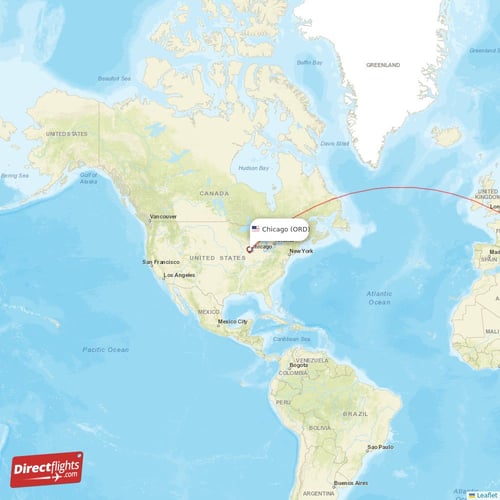
Several airlines offer routes from Chicago to Greece, primarily via their respective hubs or through codeshare agreements.
Common US Departure Hubs
While your journey starts at Chicago O’Hare, your first leg might take you to another major US gateway before crossing the Atlantic. Popular connections include:
- New York (JFK or Newark EWR): Many airlines operate direct flights from these East Coast cities to Athens, making them common first stops.
- Philadelphia (PHL): American Airlines often offers direct flights to Athens from here.
- Washington D.C. (IAD): Another hub with seasonal direct flights to Athens.
- Boston (BOS): Offers direct seasonal services to Athens with various carriers.
- Atlanta (ATL): A major hub for Delta Air Lines, which operates direct flights to Athens.
Greece’s Main International Gateways
As mentioned, Athens International Airport (ATH) is the primary gateway. However, during the peak tourist season (typically May to October), charter flights and some seasonal direct connections from Europe might land at airports serving popular islands like Santorini, Mykonos, Crete, Rhodes, or Corfu. For travel from Chicago, almost all routes will initially land in Athens, requiring a separate domestic flight or ferry for onward travel to the islands.
Leading Airlines on This Route
Major US carriers and their European partners often facilitate these routes:
- United Airlines (via Star Alliance partners like Lufthansa in Frankfurt or Munich, or Turkish Airlines in Istanbul).
- Delta Air Lines (via Skyteam partners like KLM Royal Dutch Airlines in Amsterdam or Air France in Paris).
- American Airlines (via Oneworld partners like British Airways in London or through direct flights from US East Coast hubs).
- Other prominent carriers often used for connections include Swiss International Air Lines (via Zurich), Austrian Airlines (via Vienna), Air Canada (via Toronto or Montreal), Qatar Airways (via Doha), and Emirates (via Dubai).
- Aegean Airlines, the national carrier of Greece, offers extensive connections within Europe and flies into Athens, often codesharing with US and European partners.
Optimizing Your Travel Time and Experience
While the total travel time might seem daunting, strategic planning can significantly enhance your journey.
Best Time to Book for Efficiency
Booking flights well in advance (typically 2-4 months for international travel) increases your chances of securing itineraries with shorter layovers and more favorable flight times. During peak travel seasons (June-August), demand for flights to Greece is high, potentially leading to longer layovers and higher prices. Traveling in the shoulder seasons (April-May, September-October) can offer a balance of good weather, fewer crowds, and potentially shorter travel times due to more available direct connections from US or European hubs.
Strategies for Minimizing Layover Times
- Utilize flight search engines effectively: Use filters to specify your maximum acceptable layover duration.
- Consider airline alliances: Booking with airlines within the same alliance (Star Alliance, Skyteam, Oneworld) often means better coordinated connections and easier transfers, sometimes even at the same terminal.
- Check arrival and departure terminals: Be aware if your connecting flight departs from a different terminal, as this could add significant time for transfers, especially in vast airports.
- Factor in customs and immigration: If your layover involves entering the Schengen Area (most European countries) and then flying to Greece, you’ll go through immigration at your first European point of entry. Allocate sufficient time for this process.
In-flight Comfort and Jet Lag Management
Long flights can be taxing, but thoughtful preparation can mitigate discomfort and jet lag.
- Choose your seat wisely: Aisle seats offer freedom of movement, while window seats provide a view and a place to lean. Exit row or bulkhead seats offer extra legroom for a premium.
- Stay hydrated: Drink plenty of water and avoid excessive alcohol or caffeine.
- Move around: Get up and stretch every couple of hours to promote circulation and prevent stiffness.
- Adjust to the new time zone: Start adjusting your sleep schedule a few days before departure. Once onboard, set your watch to Greek time and try to sleep during what would be nighttime in Greece.
- Pack essentials: A neck pillow, eye mask, earplugs, and comfortable clothing can make a significant difference.
Beyond the Flight: Planning Your Greek Adventure
Once you’ve navigated the journey from Chicago to Greece, your adventure truly begins.
Internal Travel within Greece
From Athens, you have several options for onward travel:
- Domestic Flights: Aegean Airlines and its subsidiary, Olympic Air, operate extensive networks to most major islands and cities like Thessaloniki, Santorini, Mykonos, Crete, and Rhodes. These flights are generally short (30-60 minutes) but add to your overall travel time.
- Ferries: For a more scenic and traditional Greek experience, ferries connect Piraeus (the main port of Athens) and other mainland ports to virtually all inhabited islands. Ferry travel can range from a few hours to an overnight journey, depending on the destination and type of vessel.
Popular Greek Destinations and Further Connections
- Athens: The capital city, home to the Acropolis, Parthenon, and countless historical sites. Many travelers spend a few days here before heading to the islands.
- The Cycladic Islands: Santorini and Mykonos are world-renowned for their white-washed villages, stunning sunsets, and vibrant nightlife.
- Crete: Greece’s largest island, offering diverse landscapes from beaches to mountains, rich history, and delicious cuisine.
- The Dodecanese Islands: Rhodes and Kos are popular for their medieval towns and beautiful coastlines.
- The Ionian Islands: Corfu and Zakynthos are known for their lush green landscapes and turquoise waters.
In conclusion, while the flight from Chicago to Greece demands a significant time commitment, typically ranging from 13 to 18 hours with a single layover, careful planning and an understanding of the travel logistics can transform it into a manageable and even enjoyable part of your unforgettable journey to the Hellenic Republic.
LifeOutOfTheBox is a participant in the Amazon Services LLC Associates Program, an affiliate advertising program designed to provide a means for sites to earn advertising fees by advertising and linking to Amazon.com. Amazon, the Amazon logo, AmazonSupply, and the AmazonSupply logo are trademarks of Amazon.com, Inc. or its affiliates. As an Amazon Associate we earn affiliate commissions from qualifying purchases.