
Embarking on a journey from the Windy City to the Space City is a common travel route, connecting two major hubs in the American heartland. Understanding the flight duration is crucial for planning, whether you’re a business traveler aiming to maximize productivity, a tourist eager to explore Houston, or a resident visiting loved ones. This guide delves into the intricacies of the flight from Chicago to Houston, exploring the factors that influence its length and what you can expect.
Understanding Direct Flight Durations
When considering the flight from Chicago to Houston, the most straightforward answer lies in direct flights. These are the simplest to track, as they involve a single take-off and landing without any intermediate stops.
Typical Non-Stop Flight Times
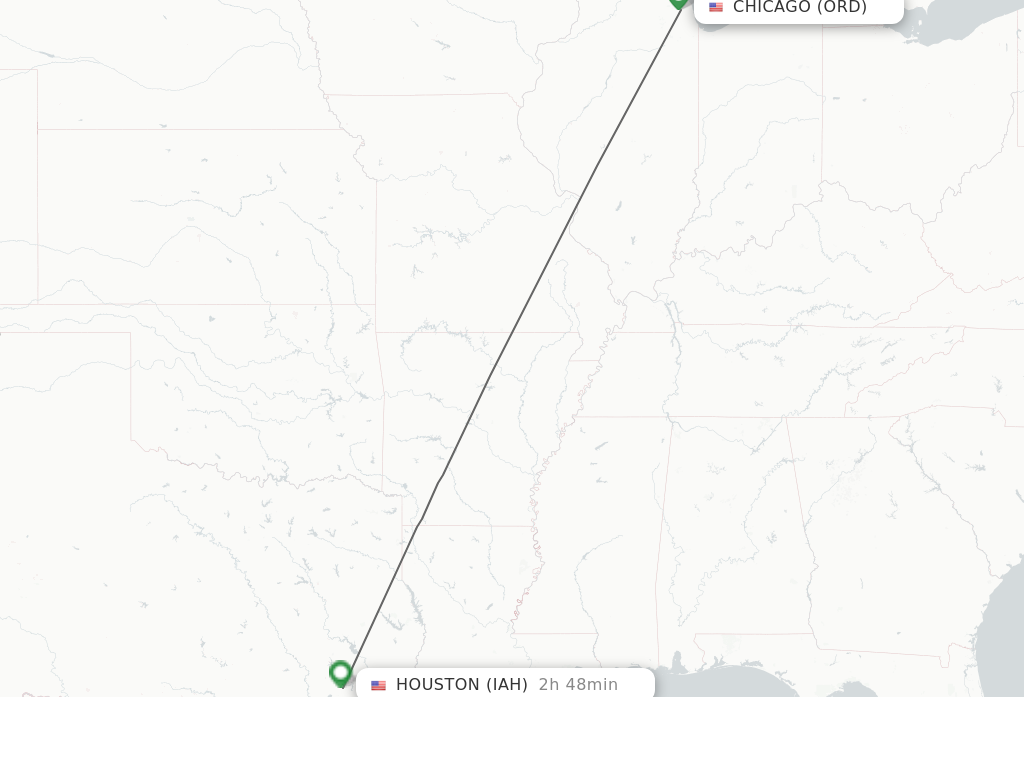
Direct flights between Chicago and Houston are generally quite efficient. The average flight time for a non-stop service is approximately 2 hours and 45 minutes to 3 hours and 15 minutes. This duration can vary slightly depending on the specific airline, the aircraft model, and prevailing wind conditions. For instance, a tailwind can significantly shorten the flight, while a headwind can add a few extra minutes to the journey.
Major Airlines and Their Schedules
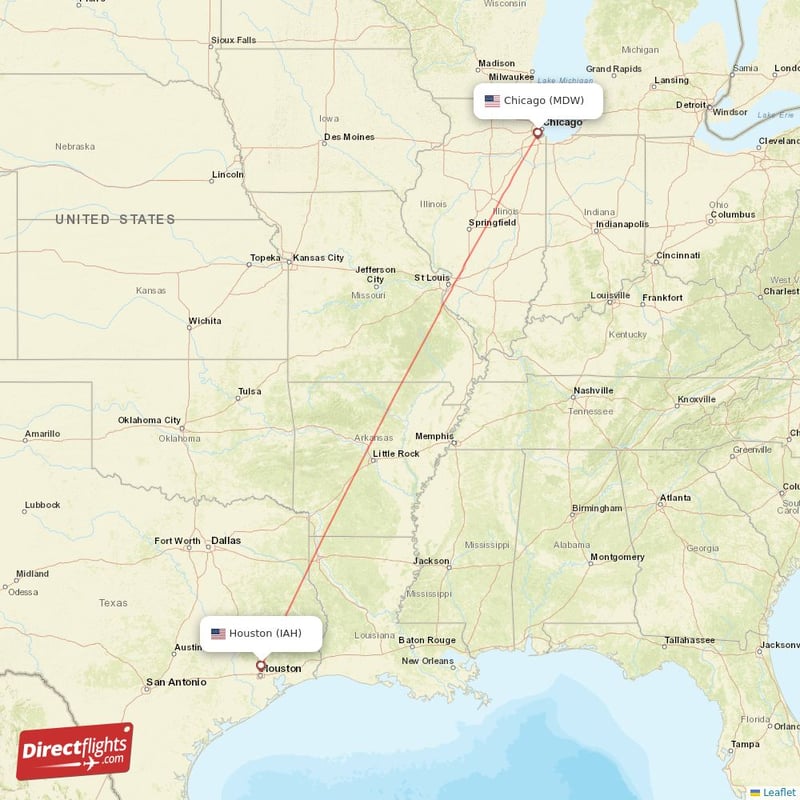
Several major airlines operate this popular route, offering numerous daily flights from both of Chicago’s primary airports, O’Hare International Airport (ORD) and Midway International Airport (MDW), to Houston’s George Bush Intercontinental Airport (IAH) and William P. Hobby Airport (HOU). These carriers include:
- United Airlines: With a significant hub at O’Hare International Airport, United offers frequent direct flights to Houston.
- American Airlines: Another major player with a strong presence at O’Hare International Airport, American Airlines also provides numerous non-stop options.
- Southwest Airlines: Known for its extensive network and often flying from Midway International Airport, Southwest is a popular choice for its competitive pricing and flexible policies. They typically fly into William P. Hobby Airport (HOU) in Houston.
- Spirit Airlines and Frontier Airlines: These low-cost carriers also operate on the route, often providing more budget-friendly options, though flight times and amenities might differ.
When booking, it’s always advisable to check the specific flight details for the airline and airport you are considering, as schedules and aircraft types can influence the exact flight duration.
Factors Influencing Flight Duration
While direct flights offer a predictable timeframe, several variables can subtly alter how long your journey from Chicago to Houston actually takes. Understanding these elements can help set realistic expectations for your travel.
Weather Conditions and Air Traffic Control
Weather is a paramount factor in aviation. Severe weather, such as thunderstorms, heavy fog, or strong winds, can lead to:
- Flight Delays: Airlines may delay departures to avoid hazardous conditions or to allow airspace congestion to clear.
- Rerouting: In some cases, flights may be rerouted to avoid storms, which can lengthen the flight path and, consequently, the flight time.
- Ground Stops: Major airports like those in Chicago and Houston have sophisticated air traffic control systems. During periods of adverse weather, these systems might impose ground stops or reduce arrival/departure rates to maintain safety, leading to potential holding patterns in the air or on the ground.
Altitude and Aircraft Type
The cruising altitude of a commercial aircraft can influence its speed. Higher altitudes generally offer thinner air, which can reduce drag and allow planes to fly more efficiently and potentially faster. Different aircraft models also have varying cruising speeds. For example, a newer, more aerodynamic jet might cover the distance slightly quicker than an older model. While these differences are usually minor for a route like Chicago to Houston, they contribute to the overall flight time variance.
Wind Speed and Direction (Jet Stream)
The jet stream, a high-altitude air current, plays a significant role in flight times across the United States.
- Tailwinds: When flying eastbound, as is the case from Chicago to Houston, a tailwind can push the aircraft along, reducing the time it takes to reach the destination.
- Headwinds: Conversely, a headwind will act as a resistance, slowing the aircraft down and increasing flight duration.
Pilots constantly monitor wind conditions and adjust their flight paths and altitudes to take advantage of favorable winds and minimize the impact of unfavorable ones, all within the framework of safe operations.
Flights with Layovers: An Extended Journey
While direct flights are the quickest option, many travelers opt for flights with layovers, often for reasons of cost savings or to accommodate more convenient departure or arrival times. These itineraries will, by necessity, extend the total travel time considerably.
Common Layover Cities
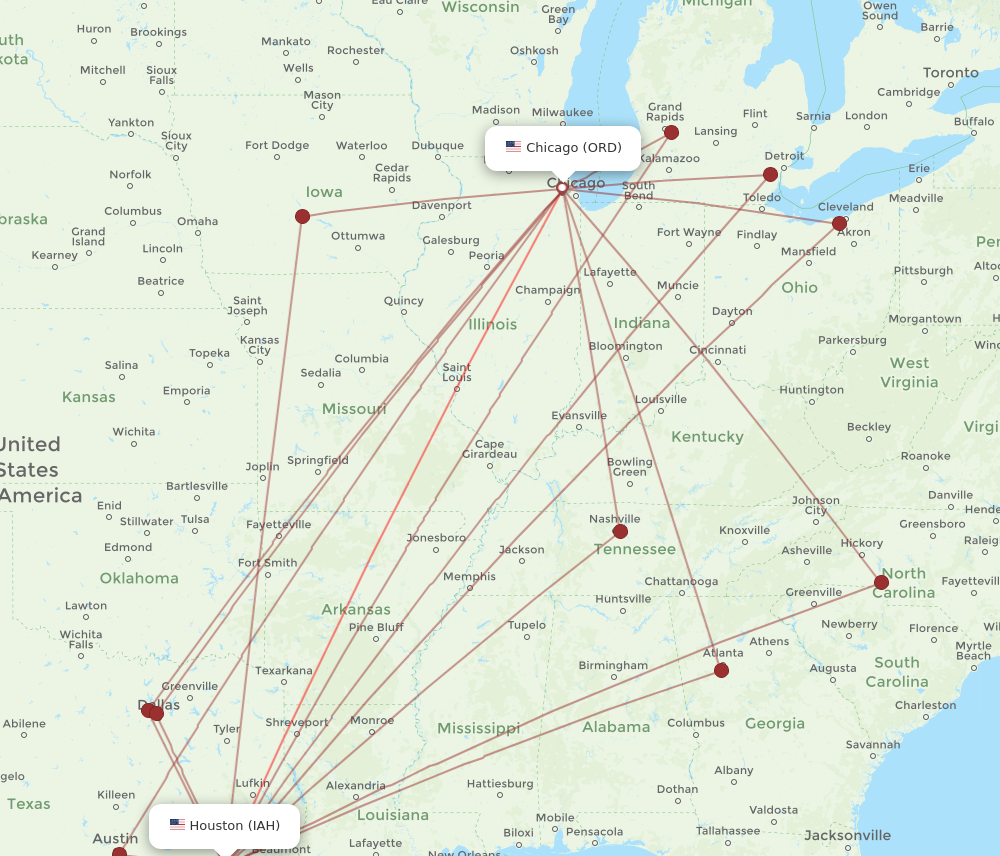
Flights from Chicago to Houston that include a stopover typically involve layovers in other major airline hubs. Common cities for these connections include:
- Dallas/Fort Worth International Airport (DFW): As a major hub for American Airlines, DFW is a frequent stop for travelers heading to Houston.
- Atlanta Hartsfield-Jackson International Airport (ATL): Being the world’s busiest airport and a hub for Delta Air Lines, ATL is another common connection point.
- Denver International Airport (DEN): As a hub for United Airlines, DEN can also serve as a layover location.
Calculating Total Travel Time
The total travel time for a flight with a layover is the sum of several components:
- Flight time to the layover city.
- Layover duration: This is the time spent on the ground at the intermediate airport. It can range from a short 45 minutes to several hours, depending on the itinerary.
- Flight time from the layover city to Houston.
- Taxiing and gate time: The time spent moving from the runway to the gate upon arrival at both airports.
Therefore, a flight with a layover that might seem shorter in terms of actual flying time can easily extend to 5 to 8 hours or even longer, depending on the length of the layover and the efficiency of the connection. When comparing flight options, it’s crucial to look at the “total travel time” listed by airlines, rather than just the sum of the flight segments, to get an accurate picture of the journey’s length.
Preparing for Your Flight: From Takeoff to Landing
Knowing the flight duration is only one piece of the puzzle when planning your trip from Chicago to Houston. Adequate preparation ensures a smoother and more enjoyable experience.
Navigating Chicago’s Airports
Both O’Hare International Airport (ORD) and Midway International Airport (MDW) are major transportation hubs with extensive amenities.
- ORD: This is a large, international airport. Arriving at least two hours before departure for domestic flights is recommended, especially during peak travel times. It’s well-connected by the CTA ‘L’ trains, providing an efficient way to reach the airport from downtown Chicago.
- MDW: Generally a smaller and less congested airport, MDW is often preferred by travelers looking for a quicker airport experience. It also has CTA ‘L’ train service.
Arrival and Transportation in Houston
Upon arrival in Houston, you’ll likely land at either George Bush Intercontinental Airport (IAH) or William P. Hobby Airport (HOU).
- IAH: Located north of downtown, IAH is the larger of the two airports. Options for ground transportation include taxis, ride-sharing services (Uber, Lyft), rental cars, and the METRO Airport Direct bus service to downtown.
- HOU: Situated closer to downtown, HOU is the primary hub for Southwest Airlines. Ground transportation options are similar, including taxis, ride-sharing, and rental cars. Houston METRO bus routes also serve this airport.
What to Expect Onboard
Most flights from Chicago to Houston are operated by modern narrow-body aircraft, such as the Boeing 737 or Airbus A320 family. These flights typically offer:
- In-flight Entertainment: Many airlines provide seatback screens with movies, TV shows, and music, especially on longer direct routes. Others offer streaming entertainment to personal devices.
- Wi-Fi: Available on most flights, though often for a fee.
- Food and Beverage Service: Complimentary non-alcoholic beverages are standard, and snacks or light meals may be available for purchase, depending on the airline and fare class.
In summary, the flight from Chicago to Houston is a relatively short and convenient journey. Direct flights typically span around three hours, making it an easily manageable trip for business or leisure. By understanding the influencing factors and preparing accordingly, travelers can ensure a seamless transition between these two dynamic American cities.
LifeOutOfTheBox is a participant in the Amazon Services LLC Associates Program, an affiliate advertising program designed to provide a means for sites to earn advertising fees by advertising and linking to Amazon.com. Amazon, the Amazon logo, AmazonSupply, and the AmazonSupply logo are trademarks of Amazon.com, Inc. or its affiliates. As an Amazon Associate we earn affiliate commissions from qualifying purchases.