
Embarking on a journey from the bustling streets of Chicago to the ancient, sun-drenched landscapes of Italy is a dream for many. Whether you’re drawn by the allure of Roman history, the artistic grandeur of Florence, the romantic canals of Venice, or the culinary delights found across the peninsula, a significant part of your travel planning will undoubtedly revolve around the journey itself. The most common question that arises is, “How long is the flight from Chicago to Italy?” While there isn’t a single, definitive answer, this comprehensive guide will break down the factors influencing flight duration, offer strategic advice for planning your trip, and immerse you in the vibrant experiences awaiting you in Italy, covering everything from accommodation and landmarks to local culture and lifestyle. Prepare for an adventure that begins long before you touch down.

Understanding Flight Durations: Factors at Play
The total time it takes to travel from Chicago to Italy can vary significantly, typically ranging from 10 to 15 hours of actual flying time, excluding layovers. However, a realistic door-to-door travel time, especially with connecting flights, can extend to 15 to 20 hours or even more. Several critical elements contribute to these variations, from the type of flight you choose to the specific airports involved and even meteorological conditions.
Direct vs. Connecting Flights
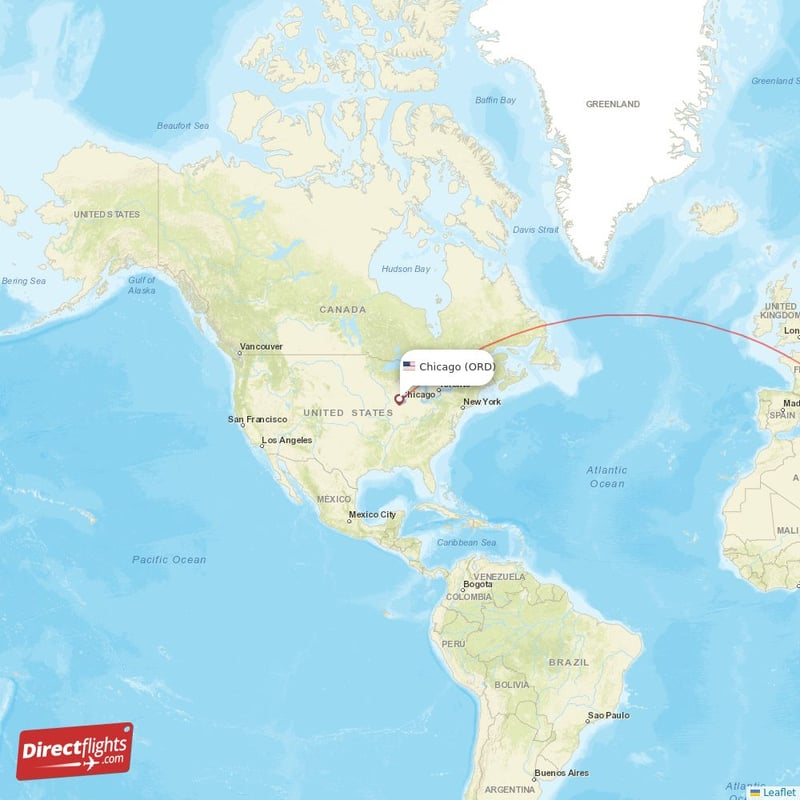
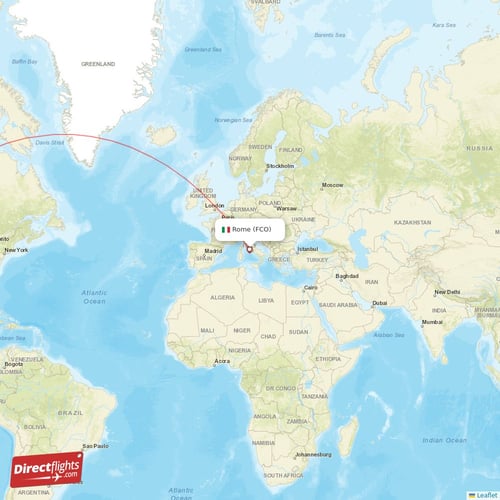
The most significant factor influencing your total travel time is whether you opt for a direct (non-stop) flight or a connecting flight. Non-stop flights from Chicago to Italy are relatively rare but do exist for major hubs like Rome Fiumicino Airport or Milan Malpensa Airport. If you’re fortunate enough to find one, the flying time will be at the lower end of the spectrum, usually around 9.5 to 11 hours. These flights offer the convenience of minimal disruption and a quicker arrival.
However, the vast majority of travelers from Chicago will take a connecting flight. This means one or more layovers at an intermediate airport, which can add anywhere from 3 to 10+ hours to your total journey, depending on the length and number of stops. While connecting flights are often more budget-friendly and offer greater flexibility in terms of departure times and airlines, they undeniably prolong the overall travel experience. Major departure points from Chicago include O’Hare International Airport, one of the world’s busiest, and Midway International Airport, primarily for domestic routes but occasionally offering connections.
Aircraft Speed and Route Optimization
Beyond layovers, the actual flight duration is influenced by factors like the aircraft type and prevailing atmospheric conditions. Modern long-haul aircraft, such as Boeing 787 Dreamliners or Airbus A350s, are designed for efficiency and speed, often reducing flight times compared to older models. Another crucial factor is the jet stream, a fast-flowing, narrow air current found in the atmospheres of Earth. Flights traveling eastward from Chicago to Italy often benefit from the tailwinds of the jet stream, which can significantly shave off an hour or more from the journey. Conversely, westbound flights (from Europe back to the US) usually contend with headwinds, making the return trip longer.
Airlines also constantly optimize their flight paths to account for air traffic control, weather systems, and geopolitical considerations, ensuring the safest and most efficient route possible. While these optimizations are usually imperceptible to the passenger, they are continually at play, subtly impacting your flight duration.
Layover Logistics: Making the Most of Stops
If your itinerary includes a layover, understanding the logistics can transform a potentially tiresome wait into an opportunity. Common layover hubs for flights from Chicago to Italy include major European cities like London (Heathrow or Gatwick), Paris (Charles de Gaulle), Frankfurt, and Amsterdam. A short layover (1-3 hours) is ideal for quick transfers but leaves little room for delays. Longer layovers (4-8 hours) can be a good balance, offering enough time to relax, stretch your legs, and perhaps explore the airport’s amenities without feeling rushed. For the adventurous traveler, an extended layover (8+ hours) might even present the chance for a brief sightseeing excursion into the layover city, adding an extra dimension to your travel experience before reaching your final destination in Italy. Always ensure you have sufficient time for customs and security checks if you plan to leave the airport during a long layover.
Planning Your Italian Adventure from Chicago
Once you’ve wrapped your head around the flight duration, the real fun begins: planning your Italian escapade. From selecting your dream destination to strategic booking and preparing for the long-haul journey, thoughtful preparation is key to a seamless and memorable trip.
Choosing Your Italian Destination
Italy offers a plethora of captivating destinations, each with its unique charm and attractions. Your chosen city will influence your flight path, as major international airports like Rome Fiumicino Airport and Milan Malpensa Airport handle the bulk of transatlantic flights. If your destination is Rome, Florence, Venice, or Naples, flying into Rome might be the most direct option, followed by a high-speed train or domestic flight. For Milan, its own major airport is naturally the best choice.
Consider the kind of experience you seek: historical immersion in Rome, Renaissance art in Florence, romantic gondola rides in Venice, fashion and finance in Milan, or coastal beauty in the south around Naples. Remember that while your international flight will likely land in one of the major Italian airports, you might need to factor in additional domestic travel time via train or short-haul flight to reach your ultimate destination within Italy. For instance, after landing at Venice Marco Polo Airport, reaching the historic center of Venice still requires a boat or bus journey.
Best Time to Fly and Booking Strategies
The timing of your trip profoundly affects both your travel experience and your budget. Peak season in Italy typically runs from June to August, when the weather is warm and attractions are bustling. During this period, flight prices tend to be highest, and popular sites are crowded. Shoulder seasons (April-May and September-October) often offer the best balance: pleasant weather, fewer crowds, and more reasonable prices for both flights and accommodation. Winter (November-March) is generally the off-peak season, with lower prices and a more authentic local experience, though some smaller towns or coastal areas might have reduced services.
For booking flights, flexibility with your travel dates can lead to significant savings. Utilize flight comparison websites and consider booking 3-6 months in advance for the best fares, especially if you’re aiming for a direct flight or traveling during peak times. Look into different airlines and consider flying into one Italian city and out of another to optimize your itinerary. Whether you prefer a luxury travel experience with premium cabins and five-star resorts or are planning a budget travel adventure with hostels and local eateries, early booking is often a key strategy.
Preparing for a Long-Haul Flight
A journey of 10+ hours requires thoughtful preparation to ensure comfort and minimize jet lag. Start by selecting a comfortable outfit and packing essentials in your carry-on: a neck pillow, eye mask, earplugs, noise-canceling headphones, and a light blanket can make a world of difference. Stay hydrated by drinking plenty of water and avoiding excessive alcohol and caffeine. Bring entertainment, such as downloaded movies, books, or podcasts, to pass the time. Most international flights offer in-flight entertainment systems, but having your own options provides greater control.
Try to adjust your sleep schedule to your destination’s time zone a few days before departure. Once onboard, try to sleep during Italy’s nighttime hours. Upon arrival, expose yourself to natural light and try to stick to local meal times, even if you don’t feel hungry, to help your body acclimatize more quickly. These small steps can significantly improve your arrival experience and allow you to hit the ground running, ready to explore.
Beyond the Flight: Experiencing Italy
After a successful journey from Chicago, the real magic of Italy unfolds. This captivating country offers an unparalleled blend of history, art, natural beauty, and a lifestyle centered around good food and even better company.
Iconic Landmarks and Attractions
Italy is a treasure trove of landmarks, each telling a story of empires, artists, and innovators. In Rome, the ancient Colosseum stands as a testament to gladiatorial grandeur, while Vatican City, an independent state within the city, houses the awe-inspiring Sistine Chapel and St. Peter’s Basilica. Don’t forget to toss a coin into the Trevi Fountain to ensure your return.
Florence, the cradle of the Renaissance, boasts the magnificent Duomo di Firenze with Brunelleschi’s dome, and world-class art at the Uffizi Gallery and Accademia Gallery. In Venice, the ethereal beauty of St. Mark’s Square, the intricate Doge’s Palace, and its labyrinthine canals invite endless exploration. Milan, a hub of fashion and design, is home to the stunning Milan Cathedral (Duomo) and the elegant Galleria Vittorio Emanuele II. Each of these cities offers a unique glimpse into Italy’s rich history, architectural marvels, and vibrant local culture, providing unforgettable experiences for every traveler.
Culinary Delights and Local Experiences
No trip to Italy is complete without indulging in its legendary cuisine. From authentic Neapolitan pizza in Naples to fresh pasta dishes across the regions, rich risottos in the north, and delectable gelato everywhere, Italian food is a journey in itself. Embrace the local culture by dining at a traditional trattoria, participating in a cooking class to learn the secrets of Italian culinary art, or exploring bustling local markets for fresh produce and regional specialties.
Italy also offers exquisite wine tasting experiences, particularly in regions like Tuscany and Piedmont. Engaging in these activities goes beyond mere sightseeing; it’s about immersing yourself in the Italian lifestyle, savoring every moment, and creating lasting memories. Whether it’s a casual espresso at a bar or a multi-course dinner with friends, the emphasis on food, family, and passion is palpable and infectious.
Choosing Your Ideal Accommodation
Your choice of accommodation can significantly enhance your Italian experience. From luxurious suites and resorts to charming boutique hotels, apartments, and villas, Italy caters to every preference and budget. In major cities, you’ll find iconic luxury hotels such as Hotel Danieli in Venice or the Four Seasons Hotel Florence, offering unparalleled amenities and service. For a more authentic experience, consider staying in a family-run guesthouse or a stylish Airbnb apartment, especially for long-term stay options.
When booking, consider the location carefully. Staying in the city center provides easy access to major attractions but can be pricier and noisier. Opting for a neighborhood slightly outside the core might offer a quieter atmosphere and a more local feel, often with excellent public transport links. Always check reviews, compare prices across various booking platforms, and look for specific amenities that matter to you, whether it’s a swimming pool, a spa, or a complimentary breakfast. Early booking, especially for popular times, ensures the best selection and rates.
Maximizing Your Italian Trip
To truly make the most of your Italian adventure, consider how you’ll navigate the country, embrace local customs, and seek out unique experiences beyond the typical tourist trails.
Navigating Italy: Local Transportation
Italy’s transportation network is efficient and diverse, making it easy to travel between cities and explore regions. High-speed trains connect major cities like Rome, Florence, Venice, and Milan quickly and comfortably. Regional trains and buses serve smaller towns and rural areas, offering scenic routes. For ultimate flexibility, especially when exploring areas like Tuscany or the Amalfi Coast, renting a car can be an excellent option, though navigating city centers can be challenging due to ZTLs (limited traffic zones) and narrow streets. Within cities, public transport like buses, trams, and metros are generally reliable, and walking remains the best way to soak in the atmosphere and discover hidden gems. Always validate your tickets to avoid fines.
Travel Tips and Etiquette
While Italy is very welcoming to tourists, understanding a few local customs can enhance your experience. Learning a few basic Italian phrases like “Buongiorno” (Good morning), “Grazie” (Thank you), and “Scusi” (Excuse me) will go a long way. The currency is the Euro, and credit cards are widely accepted, but it’s always wise to carry some cash for smaller purchases or markets. Tipping isn’t as prevalent as in the US; a small amount for exceptional service or rounding up the bill is usually sufficient. Dress respectfully when visiting churches and religious sites, covering shoulders and knees. Italians generally dress smartly, so leave the overly casual attire for the beach. Be mindful of your belongings in crowded tourist areas and, most importantly, embrace the slower pace of life, particularly during meals.
Beyond the Mainstream: Unique Italian Experiences
While the famous landmarks are a must-see, don’t shy away from exploring Italy’s lesser-known treasures. Wander through the charming medieval villages of Tuscany, discover the breathtaking coastal towns of the Amalfi Coast, or delve into the ancient ruins of Pompeii near Naples. Engage in unique activities like hiking in the Dolomites, exploring the trulli houses of Alberobello, or attending a local festival. Seek out experiences that align with your lifestyle, whether it’s a family trip focusing on kid-friendly activities, a romantic getaway with luxury travel experiences, or an adventurous solo exploration. Italy’s diversity means there’s always something new to discover, promising unforgettable memories that extend far beyond the well-trodden paths.
Traveling from Chicago to Italy is a significant journey, typically involving 10 to 15 hours of flight time and possibly several more with layovers. While the flight itself is a considerable undertaking, it’s merely the prelude to an extraordinary adventure. By understanding the factors influencing your travel time, planning strategically, and embracing the rich tapestry of Italian culture, cuisine, and landscapes, you’re not just booking a flight; you’re opening the door to a lifetime of memories. So, pack your bags, prepare for the journey, and get ready to say “Ciao” to one of the world’s most enchanting destinations. Your Italian dream awaits!
LifeOutOfTheBox is a participant in the Amazon Services LLC Associates Program, an affiliate advertising program designed to provide a means for sites to earn advertising fees by advertising and linking to Amazon.com. Amazon, the Amazon logo, AmazonSupply, and the AmazonSupply logo are trademarks of Amazon.com, Inc. or its affiliates. As an Amazon Associate we earn affiliate commissions from qualifying purchases.