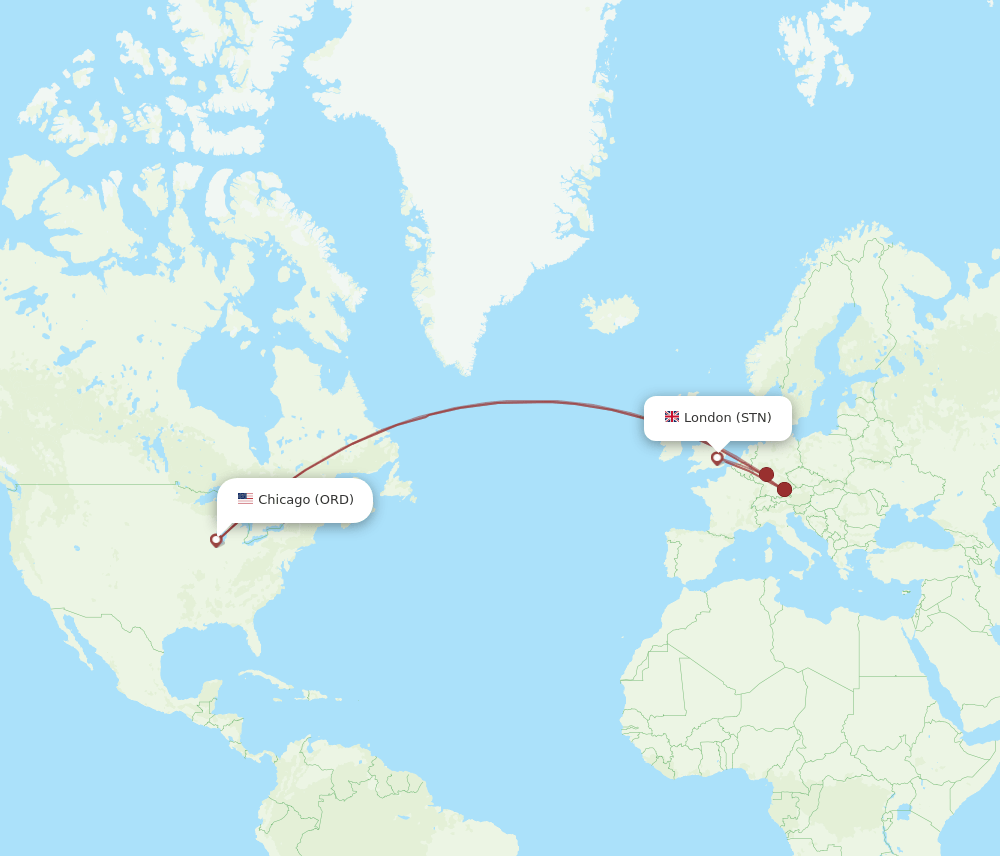
Embarking on a transatlantic journey from the vibrant metropolis of Chicago, United States, to the historic heart of London, England, is an exciting prospect for any traveler. Whether you’re planning a business trip, a family vacation, or a solo adventure, understanding the logistics of your flight is paramount. The question, “How long is the flight from Chicago to London?” is often the first query for those meticulously crafting their travel itinerary.
Generally, a direct, non-stop flight from Chicago to London typically ranges from 7 hours and 30 minutes to 8 hours and 30 minutes. This duration, however, is not set in stone and can fluctuate based on a variety of factors, including the specific airline, aircraft type, prevailing wind conditions, and the exact airports involved. This journey connects two major global hubs, linking the bustling O’Hare International Airport (ORD) in Chicago with one of London’s primary gateways, most commonly Heathrow Airport (LHR), though Gatwick Airport (LGW) also serves this route. Delving deeper into these variables will provide a clearer picture for planning your transatlantic travel experience.

Understanding the Flight Duration: Key Factors at Play
The seemingly straightforward calculation of flight time between two points is, in reality, influenced by a complex interplay of geographical, meteorological, and operational elements. Knowing these factors can help you anticipate your journey’s length and plan accordingly, enhancing your overall travel experience from booking to arrival.
Direct vs. Connecting Flights
The most significant determinant of your total travel time is whether you opt for a direct flight or one with layovers.
- Direct Flights: As mentioned, direct flights from Chicago to London hover around the 7.5 to 8.5-hour mark. These are the most efficient in terms of airborne time, offering the quickest way to traverse the approximately 3,950 miles (6,350 km) separating these two iconic cities. Major airlines like United Airlines, British Airways, American Airlines, and Virgin Atlantic frequently operate non-stop services on this popular route.
- Connecting Flights: If you choose a connecting flight, your total travel time will invariably be longer, ranging anywhere from 10 to 15+ hours, depending on the layover duration and location. Common layover cities for this route might include other major North American hubs like New York, Boston, or Toronto, or even European cities if you find a particularly circuitous route. While often cheaper, connecting flights demand more patience and present additional opportunities for delays, though they can sometimes offer a chance to briefly explore another destination.
Aircraft Type and Airspeed
Modern commercial aircraft designed for long-haul routes play a crucial role in flight duration. Airlines typically deploy wide-body jets like the Boeing 787 Dreamliner, Boeing 777, Airbus A330, or Airbus A350 for transatlantic journeys. These aircraft are optimized for efficiency and speed over long distances. While cruising speeds are generally consistent across these types (around 550-600 miles per hour or 885-965 km/h), slight variations in an aircraft’s specific model, engine performance, and payload can subtly influence the journey’s length. Newer generation aircraft often boast better fuel efficiency, which can sometimes allow for more direct routing or slightly higher cruising speeds under optimal conditions.
Wind Conditions and Jet Streams
One of the most significant, yet often unpredictable, factors affecting flight time is the influence of atmospheric conditions, particularly the jet stream. The jet stream is a narrow, fast-moving current of air found at high altitudes.
- Eastbound Flights (Chicago to London): Flights traveling eastward from North America to Europe often benefit from tailwinds provided by the jet stream. This “push” can reduce flight times by 30 minutes to an hour, sometimes even more, making the journey quicker.
- Westbound Flights (London to Chicago): Conversely, flights traveling westward from London to Chicago often encounter headwinds. This resistance can extend flight times, making the return journey typically longer than the outbound one, sometimes by an hour or more. Pilots strategically adjust routes to either harness tailwinds or minimize the impact of headwinds, but the overall effect is noticeable.
Airline and Route Variations
While the primary flight path remains largely consistent, minor deviations in routing can occur. Airlines might choose slightly different flight paths based on air traffic control directives, weather patterns, or even strategic decisions to optimize fuel burn. For instance, a flight might alter its trajectory to avoid turbulent weather systems, which could slightly extend the distance but enhance passenger comfort and safety. Furthermore, different airlines might have varying operational speeds or preferred routing, leading to minor differences in their advertised flight times. It’s always wise to check the specific flight details provided by your chosen carrier.
Departure and Arrival Airports
The journey from Chicago initiates at O’Hare International Airport (ORD), one of the busiest airports in the world. Its sheer size means that taxiing times on the ground can sometimes add a few minutes to the overall travel duration. In London, the vast majority of transatlantic flights from Chicago land at Heathrow Airport (LHR), also a global aviation giant. While less common for direct Chicago flights, some airlines might route to Gatwick Airport (LGW). Both Heathrow and Gatwick are well-connected to central London by rail and road, but the choice of airport will influence your post-flight commute time and cost into the city center. It’s important to factor in these ground transportation times when planning your arrival schedule in London.
Navigating the Transatlantic Journey: Tips for a Comfortable Flight
A flight lasting 7 to 8 hours is a long-haul journey, demanding a bit of preparation to ensure comfort and minimize the effects of travel fatigue. From booking strategies to in-flight routines, smart planning can transform your experience across the Atlantic. This aligns with the “Lifestyle” aspect of travel, focusing on maximizing comfort and enjoyment.
Preparing for a Long-Haul Flight
- Book Wisely: Consider booking your tickets in advance, especially if you’re aiming for specific seats or premium cabins (like Premium Economy, Business, or First Class) which offer significantly more space and comfort. These can be game-changers for a long flight, falling under “Luxury Travel” lifestyle.
- Pack Smart: Essentials include a comfortable neck pillow, an eye mask, earplugs/noise-cancelling headphones, and an empty water bottle to fill after security. Layers of clothing are advisable to adapt to varying cabin temperatures. Don’t forget your chargers and any medication.
- Stay Hydrated: The dry cabin air can lead to dehydration. Drink plenty of water before, during, and after your flight. Limit caffeine and alcohol, as they can exacerbate dehydration and disrupt sleep patterns.
- Move Around: To prevent stiffness and reduce the risk of deep vein thrombosis (DVT), get up and walk around the cabin every hour or two. Perform simple stretches in your seat.
- In-Flight Entertainment: While airlines offer extensive entertainment systems, having your own loaded tablet or e-reader with movies, shows, podcasts, or books ensures you have content tailored to your preferences, helping the hours fly by.
Beating Jet Lag
Traveling across multiple time zones (usually 6 hours difference between Chicago and London) inevitably leads to jet lag. While it’s impossible to eliminate entirely, you can significantly mitigate its effects:
- Adjust Before You Go: A few days before departure, gradually shift your sleep schedule towards London time. If flying eastbound, try to sleep earlier and wake up earlier.
- Hydrate and Avoid Stimulants: As mentioned, water is your friend. Alcohol and excessive caffeine can disrupt your body’s natural rhythms.
- Embrace the New Time Zone: As soon as you board the plane, adjust your watch to London time. Upon arrival, try to stay awake until local bedtime, even if you’re exhausted.
- Seek Sunlight: Exposure to natural light helps reset your circadian rhythm. Spend time outdoors on your first day in London.
- Prioritize Sleep: Ensure your first night’s sleep in London is a good one, ideally in a comfortable bed in your chosen accommodation.
In-Flight Amenities and Services
Airlines operating the Chicago-London route generally offer a high standard of service to make the journey as pleasant as possible.
- Entertainment Systems: Expect seat-back screens with a wide selection of movies, TV shows, music, and games. Some aircraft also offer live TV.
- Meal Services: Typically, one main meal and a snack service are provided on this route, often accompanied by complimentary beverages. Special meal requests (vegetarian, kosher, gluten-free, etc.) are usually available if ordered in advance.
- Comfort Features: Economy class usually provides standard seating, but many airlines now offer “economy plus” or “extra legroom” options for an additional fee. Premium Economy, Business, and First Class cabins boast superior comfort, with larger seats, more recline, enhanced meal services, and often lie-flat beds in business/first class.
- Wi-Fi Connectivity: Many airlines now offer Wi-Fi on transatlantic flights, though it often comes at a cost and speed can vary. This can be useful for business travelers or those who wish to stay connected.
Planning Your London Adventure: Beyond the Flight
Once your flight lands and you’ve navigated immigration and customs, the real adventure begins. London is a city teeming with history, culture, and endless opportunities for exploration. This section ties into the broader themes of “Travel,” “Tourism,” “Accommodation,” “Landmarks,” and “Lifestyle” that define the travel experience.
Iconic London Landmarks and Attractions
London’s skyline is instantly recognizable, dotted with landmarks that tell tales of centuries past and modern innovation.
- Historic Sites: No visit is complete without witnessing the Changing of the Guard at Buckingham Palace, exploring the ancient mysteries of the Tower of London, or standing in awe of Westminster Abbey, where monarchs have been crowned for over 900 years. The grand architecture of the Houses of Parliament and Big Ben are also must-sees.
- Museums and Galleries: London boasts world-class museums, many with free entry. The British Museum, National Gallery, and Tate Modern offer unparalleled collections.
- Modern Wonders: Take a ride on the London Eye for panoramic views of the city, or marvel at the architectural feats of The Shard.
- Green Spaces: Escape the urban bustle in vast royal parks like Hyde Park and Regent’s Park, perfect for a leisurely stroll or picnic.
- Vibrant Squares: Immerse yourself in the energy of Trafalgar Square or the dazzling lights of Piccadilly Circus.
- Cultural Hubs: Catch a world-class show in the West End, or explore the vibrant markets of Borough Market or Portobello Road. These attractions offer a rich tapestry of experiences for every type of traveler.
Accommodation Choices in London
London offers an extensive range of accommodation options to suit every budget and travel style, from opulent luxury to cozy budget-friendly stays, catering to diverse “Accommodation” and “Hotels” needs.
- Luxury Hotels: For those seeking the pinnacle of indulgence, London is home to some of the world’s most iconic luxury hotels, such as The Ritz London, Claridge’s, and The Savoy. These establishments often reside in prestigious neighborhoods like Mayfair or Knightsbridge, offering impeccable service and amenities.
- Boutique Hotels: Discover unique charm and personalized service in one of London’s many boutique hotels, often found in characterful areas like Covent Garden or South Kensington.
- Mid-Range and Budget Options: From well-known hotel chains to independent guesthouses and hostels, there are plenty of comfortable and affordable choices across the city, especially in areas like Earl’s Court or Bloomsbury.
- Serviced Apartments: Ideal for families, longer stays, or those who prefer self-catering, serviced apartments offer more space and home-like comforts, popular in central locations.
When booking, consider your itinerary and how easily you can access public transport. Proximity to Tube stations is often more important than being directly next to a major landmark.
Exploring London’s Culinary and Cultural Scene
London is a global culinary capital and a melting pot of cultures.
- Foodie Paradise: While traditional British fare like fish and chips, a Sunday roast, or afternoon tea are quintessential experiences, London’s true strength lies in its diverse international cuisine. From Michelin-starred restaurants to street food markets like Borough Market and Maltby Street Market, there’s something to tantalize every palate.
- Pub Culture: Immerse yourself in the quintessential British pub experience. Enjoy a pint of ale, hearty pub grub, and soak in the lively atmosphere, which is central to local culture and social life.
- Arts and Entertainment: Beyond the West End theaters, London offers a vibrant live music scene, numerous art galleries, and cultural events happening year-round. Check local listings for festivals, concerts, and exhibitions that align with your interests.
Lifestyle and Travel Styles
London caters to all “Lifestyle” travel preferences, whether you’re a high-end luxury seeker or a budget-conscious explorer.
- Luxury Travel: Indulge in designer shopping on Oxford Street, Bond Street, and Harrods, fine dining experiences, and stays in world-renowned hotels. Private tours and exclusive access to attractions can further enhance a luxury trip.
- Budget Travel: London can be expensive, but savvy travelers can save money by utilizing the efficient public transport system, taking advantage of free museums and parks, exploring street food markets, and booking accommodations outside the immediate city center.
- Family Trips: The city offers countless family-friendly attractions, from the London Zoo and the Science Museum to interactive exhibits and vast playgrounds. Many hotels offer family rooms and amenities.
- Business Stays: With its status as a global financial hub, London is well-equipped for business travelers, offering executive hotels, extensive meeting facilities, and excellent connectivity.
In conclusion, the direct flight from Chicago to London is a manageable journey of approximately 7.5 to 8.5 hours. While the time spent in the air is a crucial detail for your travel planning, remember that it’s merely the prelude to an unforgettable experience. By understanding the factors influencing flight duration and preparing wisely, you can ensure a comfortable journey and arrive ready to immerse yourself in the rich tapestry of culture, history, and modernity that London, United Kingdom, has to offer. Safe travels!