
The journey from the bustling metropolis of Chicago to the vibrant shores of Miami, Florida, is a popular route for both business and leisure travelers. Whether you’re escaping the Midwestern chill for some sun-soaked beaches or heading south for a crucial meeting, understanding the flight duration is fundamental to planning your trip effectively. On average, a direct flight from Chicago to Miami will take approximately 2 hours and 45 minutes to 3 hours and 15 minutes. However, this seemingly straightforward answer is influenced by a multitude of factors, from the specific airport and airline to prevailing weather conditions and air traffic control. This comprehensive guide will delve into every aspect of this journey, providing insights to help you navigate your travel plans with confidence.
Understanding the Direct Flight Duration
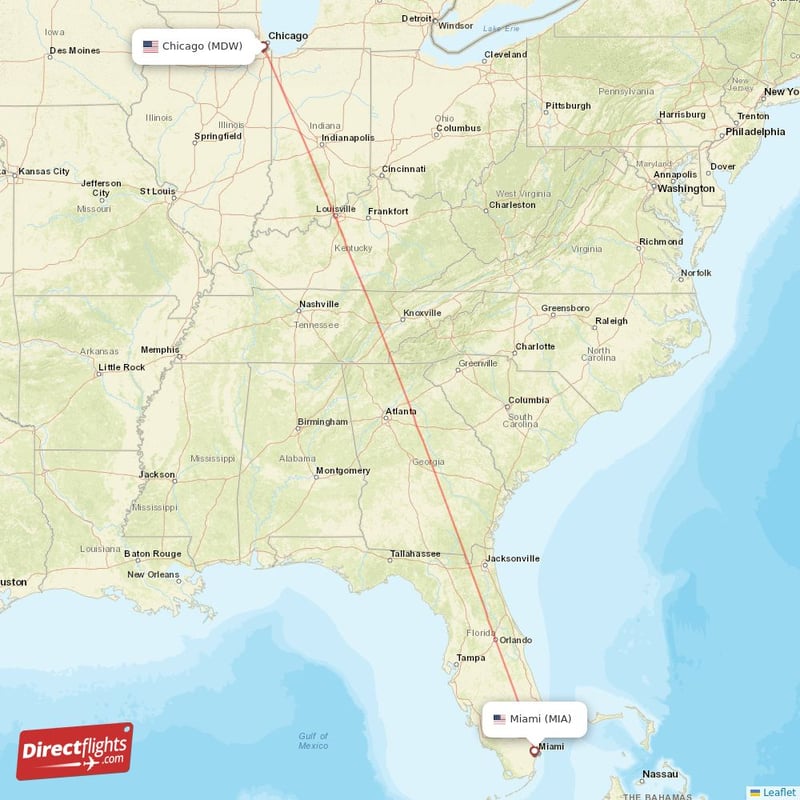
The direct flight is undoubtedly the quickest way to traverse the roughly 1,190-mile (1,915 km) distance between these two iconic American cities. While the average is a good starting point, several elements contribute to the precise time you’ll spend in the air.
Typical Flight Time Range
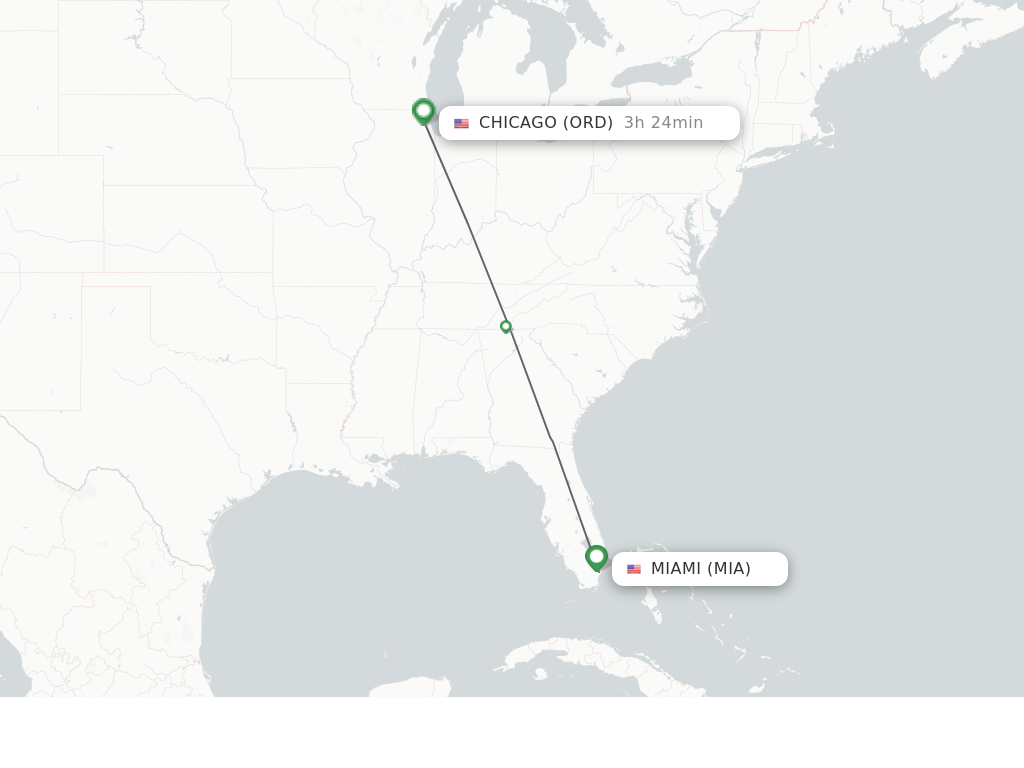
As mentioned, most direct flights will fall within the 2 hours 45 minutes to 3 hours 15 minutes window. This range accounts for standard operational variables. Factors like whether the flight encounters tailwinds (winds blowing in the direction of travel, shortening the flight) or headwinds (winds blowing against the direction of travel, extending the flight) can easily shave off or add 10-20 minutes. The specific flight path determined by air traffic control, which considers efficiency and congestion, also plays a role. Airlines also build in a buffer time to account for minor delays, meaning the scheduled flight time might be slightly longer than the actual airborne time.
Key Airports for the Journey
Your choice of departure and arrival airport significantly impacts not just the overall travel experience but potentially the effective travel time once you factor in ground transportation.
Chicago Departure Points
Chicago is served by two major airports:
- O’Hare International Airport (ORD): As one of the world’s busiest airports, O’Hare offers the most flight options to Miami from a wide array of airlines. Its sheer size and number of gates mean that taxiing to and from the runway can sometimes add a few extra minutes to your journey, though this is usually accounted for in the scheduled flight time. O’Hare is located about 17 miles northwest of downtown Chicago.
- Midway International Airport (MDW): A smaller, more compact airport located closer to downtown Chicago (about 12 miles southwest), Midway is often preferred by travelers seeking a quicker, less overwhelming airport experience. While it offers fewer direct flights to Miami compared to O’Hare, the efficiency can be a major plus.
Miami Arrival Points
Upon reaching Florida, your primary options are:
- Miami International Airport (MIA): This is the most common and direct airport for arrivals in Miami. Located just 8 miles northwest of downtown Miami, it provides easy access to the city’s main attractions and business districts. MIA is a major hub for international travel, offering extensive amenities and ground transportation options.
- Fort Lauderdale-Hollywood International Airport (FLL): Situated about 30 miles north of Miami, Fort Lauderdale-Hollywood International Airport is a popular alternative, especially for budget airlines. While it might offer cheaper fares, remember to factor in the additional travel time and cost to get from FLL to your final destination in Miami.
Factors Influencing Flight Times
Beyond the basic distance, several dynamic factors can alter the flight duration, making flexibility and awareness key components of travel planning.
Aircraft Type and Speed
Not all planes are created equal. The type of aircraft used for the flight significantly impacts its speed and efficiency. Most flights on this route utilize narrow-body jets such as the Boeing 737 series or Airbus A320 family. These aircraft typically cruise at speeds between 500-550 miles per hour (800-885 km/h). Newer models within these families might offer marginal improvements in speed or fuel efficiency, but the general range remains consistent for short-to-medium-haul flights. The airline’s operational decisions, such as a slightly lower cruising speed to conserve fuel, can also subtly affect the journey’s length.
Weather Conditions and Air Traffic
These are perhaps the most unpredictable and impactful factors on flight duration.
- Weather: Severe weather, such as thunderstorms, blizzards in Chicago, or tropical storms near Miami, can lead to delays, diversions, or rerouting. Even seemingly minor weather patterns, like strong headwind currents at cruising altitude, can extend a flight by 15-30 minutes. Fog or low visibility at either airport can also necessitate slower approaches or holding patterns.
- Air Traffic Control (ATC): Both Chicago and Miami are major air hubs, meaning their airspace can get congested, especially during peak travel times or holidays. ATC might instruct pilots to fly a less direct route or hold in a pattern, adding time to the journey. This is a common occurrence in busy corridors and is managed meticulously for safety.
Route Optimization and Airspace Restrictions
Airlines continually work with ATC to optimize flight paths for efficiency, safety, and fuel consumption. These optimal routes are dynamic and can change based on real-time conditions. Occasionally, temporary airspace restrictions, such as military exercises or special events, might force planes to take longer detours, adding minutes to the flight time. While these are less frequent, they are part of the complex operational landscape of commercial aviation.
Connecting Flights: An Alternative for Flexibility and Savings
While direct flights are the quickest, they aren’t always the only or best option. Connecting flights, though longer in total travel time, can offer significant advantages.
When Connecting Flights Make Sense
Connecting flights are often a good choice if:
- Cost is a primary concern: Layover flights are frequently cheaper than direct options, particularly during peak travel seasons or when booking last minute.
- Direct flights are unavailable or at inconvenient times: A connection opens up more departure and arrival time slots, offering greater flexibility.
- You’re combining travel: Sometimes, a layover can be intentionally planned to briefly visit another city or meet someone.
Common Layover Hubs and Total Travel Time
Connecting flights from Chicago to Miami typically route through major airline hubs in the southern or southeastern United States. Popular layover cities include:
- Atlanta (Hartsfield-Jackson Atlanta International Airport)
- Charlotte (Charlotte Douglas International Airport)
- Dallas/Fort Worth (Dallas/Fort Worth International Airport)
- Houston (George Bush Intercontinental Airport or William P. Hobby Airport)
The total travel time for a connecting flight will vary widely, generally ranging from 5 to 8+ hours, including the layover. When booking, always pay attention to the layover duration; too short a layover might risk missing your connection, while an excessively long one can be tedious. A minimum connection time of 1-1.5 hours is usually recommended, though this depends on the airport and whether you need to change terminals.
Choosing Your Flight: Airlines and Booking Tips
A multitude of airlines operate the Chicago-Miami route, offering various levels of service and pricing.
Major Airlines Operating the Route
You’ll find a mix of full-service and budget carriers serving this corridor:
- Full-Service Carriers: American Airlines (with a major hub in Miami), United Airlines (with a major hub in Chicago), and Delta Air Lines frequently offer direct flights with amenities like in-flight entertainment, Wi-Fi, and complimentary beverages.
- Budget Carriers: Spirit Airlines, Southwest Airlines, and Frontier Airlines provide more economical options, often with a “bare-bones” fare structure where extras like checked bags, seat selection, and in-flight refreshments come at an additional cost.
Tips for a Seamless Journey
Making your flight experience as smooth as possible involves some proactive planning.
- Best Time to Book: For optimal pricing, generally aim to book your flight 1-3 months in advance. However, flight duration itself won’t change based on booking time.
- Morning vs. Evening Flights: Morning flights typically experience fewer delays than evening flights, as cumulative delays throughout the day can push back later schedules. Early morning departures often encounter less air traffic.
- Checking Flight Status: Always check your flight’s status online before heading to the airport. This can save you from unnecessary waiting or give you ample warning of significant delays.
- Airport Arrival Times: For O’Hare, aim to arrive 2-3 hours before a domestic flight, especially during peak travel times. For Midway, 1.5-2 hours is usually sufficient.
- In-flight Comfort: For a 3-hour flight, comfortable clothing, a good book or downloaded entertainment, and staying hydrated are recommended. Most airlines offer power outlets or USB ports, but it’s wise to have your devices fully charged.
Beyond the Flight: Arriving in Miami
Once your plane touches down at Miami International Airport, the next step is reaching your final destination and beginning your Miami experience.
Ground Transportation from MIA
Miami International Airport offers a robust array of ground transportation options:
- Rental Cars: Numerous rental car agencies operate directly from MIA’s rental car center, accessible via the MIA Mover.
- Taxis and Rideshares: Taxis are readily available at designated zones. Rideshare services like Uber and Lyft also operate extensively from MIA.
- Public Transportation: The MIA Mover connects the airport to the Miami Intermodal Center, where you can access Metrorail and Metrobus services to various parts of the city, including Downtown Miami, Brickell, and beyond.
Travel times from MIA can vary greatly depending on traffic and your destination, but typically expect 20-30 minutes to Downtown Miami or Brickell, and 30-45 minutes to South Beach or Miami Beach.

What Awaits You in Miami
After a relatively short flight, Miami welcomes you with open arms to its unique blend of urban sophistication and tropical allure. From the iconic art deco architecture of South Beach and the vibrant energy of the Art Deco Historic District to the colorful street art of Wynwood Walls and the upscale dining of Brickell, there’s an experience for every traveler. The city’s stunning beaches, diverse culinary scene, and lively nightlife provide endless opportunities for relaxation and exploration, making the journey well worth the flight.
In conclusion, while the average direct flight from Chicago to Miami hovers around the 3-hour mark, a savvy traveler understands the nuances that can affect this timeframe. By considering airport choices, potential weather impacts, and smart booking strategies, you can ensure your trip from the Windy City to the Magic City is as smooth and efficient as possible.
LifeOutOfTheBox is a participant in the Amazon Services LLC Associates Program, an affiliate advertising program designed to provide a means for sites to earn advertising fees by advertising and linking to Amazon.com. Amazon, the Amazon logo, AmazonSupply, and the AmazonSupply logo are trademarks of Amazon.com, Inc. or its affiliates. As an Amazon Associate we earn affiliate commissions from qualifying purchases.