
The journey between the bustling metropolis of Chicago and the vibrant heart of Nashville, often dubbed “Music City,” is a popular route for both business travelers and leisure seekers. When planning a trip, one of the most fundamental questions is always about travel time, and for this specific domestic route, the answer primarily depends on whether you opt for a direct flight or one with layovers. For a direct flight, passengers can generally expect the aerial transit time to be remarkably efficient, making it a convenient option for a quick getaway or an important business meeting.
Understanding Direct Flight Durations
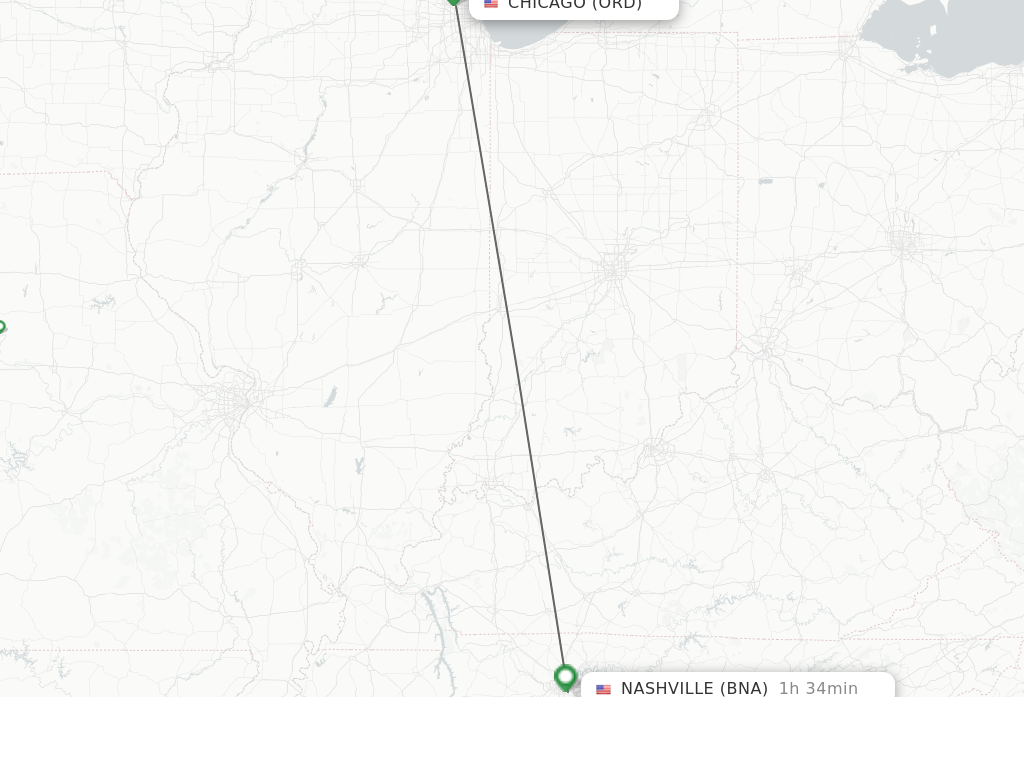
A direct flight from Chicago to Nashville typically clocks in at around 1 hour and 30 minutes to 1 hour and 45 minutes. This estimate represents the actual time the aircraft spends in the air, from takeoff to landing. This short duration makes the route highly appealing for those looking to minimize travel time and maximize their stay in either city. Airlines such as United Airlines, Southwest Airlines, and American Airlines frequently operate non-stop services connecting Chicago’s primary hub, O’Hare International Airport (ORD), with Nashville International Airport (BNA).
Several factors can subtly influence the precise flight time, even for direct routes. These include:
- Aircraft Type: Larger, faster jets may shave a few minutes off the journey compared to smaller regional aircraft, although the difference is usually negligible for such short hauls.
- Air Traffic Control (ATC) Patterns: Delays due to heavy air traffic, particularly around major hubs like ORD, can sometimes lead to slight deviations in planned flight paths or holding patterns, extending the total time.
- Weather Conditions: While modern aircraft are built to handle various weather scenarios, strong headwinds can increase flight duration, just as tailwinds can decrease it. Severe weather might also necessitate rerouting, which adds to the travel time.
- Flight Path Optimization: Airlines continuously optimize flight paths for efficiency, taking into account prevailing winds and airspace restrictions to ensure the quickest possible journey.
Despite these variables, the advertised flight duration remains a reliable benchmark for planning. The brief nature of this flight allows travelers to depart Chicago in the morning and be comfortably settled into their Nashville accommodation well before lunchtime, ready to explore the city’s rich cultural tapestry.
The Impact of Connecting Flights on Total Travel Time
While direct flights offer unparalleled efficiency, travelers sometimes opt for or are compelled to take connecting flights due to factors like cost savings, specific airline loyalty, or more convenient departure times from their originating city (if not Chicago). A connecting flight will invariably extend your total travel time significantly.
The duration of a connecting flight journey is the sum of three main components:
- First Flight Segment: The flight time from Chicago to the layover city.
- Layover Time: The time spent at the connecting airport. This can range from a swift 30-minute dash between gates to several hours, or even an overnight stay.
- Second Flight Segment: The flight time from the layover city to Nashville.
For a route like Chicago to Nashville, which has abundant direct options, connecting flights are less common unless originating from a smaller airport near Chicago that funnels passengers through a major hub. However, if a layover is unavoidable, common connection cities might include Atlanta, Charlotte, or Dallas, depending on the airline.
A typical connecting flight journey from Chicago to Nashville could easily span anywhere from 3 to 6 hours or more, depending on the length of the layover. For example, a flight from ORD to Atlanta might take around 1 hour 45 minutes, followed by a 2-hour layover, and then another 1-hour flight to BNA, totaling roughly 4 hours 45 minutes.
When booking connecting flights, it’s crucial to consider the following:
- Minimum Connection Time (MCT): Airlines and airports have established minimum connection times to ensure passengers and their luggage can transfer between flights. Booking too short a layover, especially in a large airport, risks missing your connecting flight.
- Gate Changes: In expansive airports, getting from one gate to another can involve significant walking, shuttle rides, or even terminal transfers. Allow ample time for this.
- Security Re-screening: For some international connections or certain domestic itineraries, you might need to go through security again during your layover, which adds to the complexity and time.
- Airline Consistency: Sticking with one airline or alliance for connecting flights can streamline the process, as they often co-locate gates and can more easily rebook you in case of delays.
While connecting flights can be more economical, the convenience and time-saving aspect of a direct flight often outweigh the marginal cost difference for this particular route.
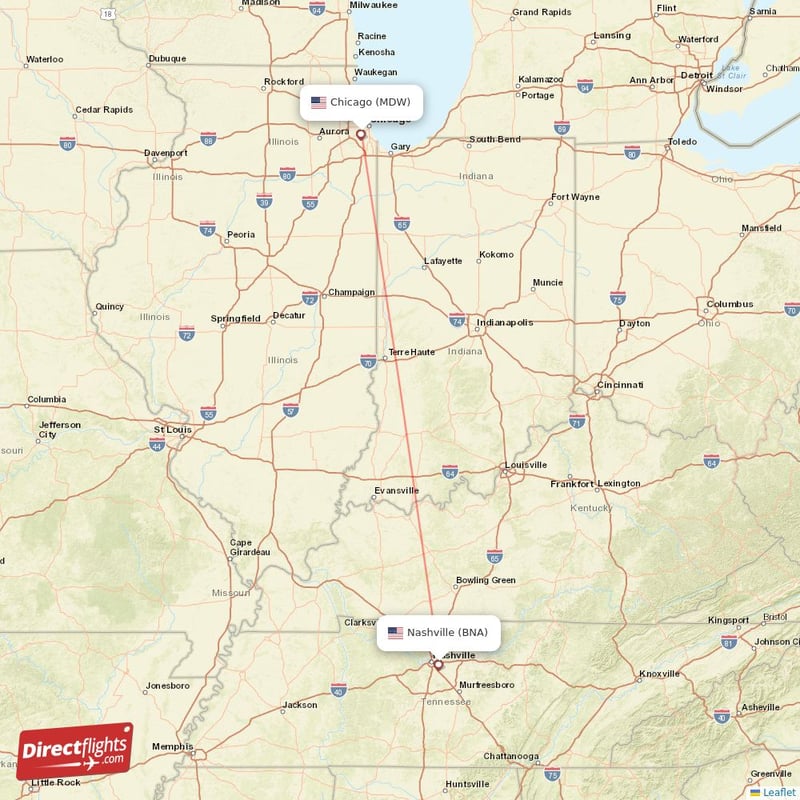
Preparing for Your Journey: From O’Hare to Music City
The total travel experience extends beyond just the flight duration; it encompasses the entire process from leaving your home in Chicago to arriving at your final destination in Nashville. Understanding the airport experience at both ends is key to a smooth journey.
Departure Experience from O’Hare International Airport (ORD)
O’Hare International Airport (ORD) is one of the busiest airports in the world, serving millions of passengers annually. Its sheer size and volume of operations mean that planning your departure carefully is essential, even for a short domestic flight.
- Arrive Early: For domestic flights, arriving 1.5 to 2 hours before your scheduled departure is a good rule of thumb, especially if you need to check luggage or are traveling during peak hours. This provides ample time for check-in, security screening, and reaching your gate, which can sometimes be a considerable distance from the main terminal areas.
- Security Checkpoints: ORD has multiple security checkpoints. Familiarize yourself with TSA guidelines regarding liquids, electronics, and prohibited items to avoid delays. Services like TSA PreCheck or CLEAR can significantly speed up your passage through security if you’re enrolled.
- Terminal Navigation: ORD has four main passenger terminals. Most domestic flights depart from Terminals 1, 2, or 3. Know your terminal and gate in advance and utilize the airport’s digital signage and mobile apps for real-time updates. The Airport Transit System (ATS) connects all terminals and parking lots, but factoring in travel time on the ATS is crucial.
- Pre-Flight Amenities: ORD offers a vast array of dining and shopping options. If you arrive with extra time, you can relax in a lounge, grab a meal, or do some last-minute shopping.
Arrival at Nashville International Airport (BNA)
Upon your arrival at Nashville International Airport (BNA), you’ll find a welcoming and generally less overwhelming environment compared to ORD. BNA has undergone significant expansions in recent years, enhancing the passenger experience.
- Baggage Claim: If you checked bags, follow the signs to baggage claim, which is typically well-organized. Given the short flight, your luggage should arrive promptly.
- Ground Transportation: BNA offers numerous options for reaching your final destination in Nashville:
- Rideshares (Uber/Lyft): Popular and readily available. Follow signs to the designated rideshare pickup area, typically located on the ground transportation level.
- Taxis: Taxi stands are located outside the terminal, providing a direct service to various parts of the city.
- Shuttle Services: Several hotel and independent shuttle services operate from BNA, offering shared or private transport.
- Rental Cars: Car rental agencies are housed in a consolidated facility, accessible via a short shuttle ride from the terminal. This is a popular option for those planning to explore areas outside of Downtown Nashville.
- Public Transit: WeGo Public Transit offers bus service (Route 18) connecting BNA to Downtown Nashville, providing an economical option for getting into the city center.
- Travel Time to Downtown Nashville: Depending on traffic, the drive from BNA to Downtown Nashville typically takes between 15 to 25 minutes. During peak hours, this could extend to 30-40 minutes.
Maximizing Your Time in Nashville After Arrival
Given the short flight duration, travelers arriving from Chicago often have significant time to immerse themselves in Nashville on their arrival day. This efficiency means less time traveling and more time experiencing the unique blend of music, history, and Southern charm that Nashville offers.
Upon arrival, consider heading directly to Downtown Nashville to kickstart your experience. The iconic Broadway street, lined with honky-tonk bars offering live music from morning till late night, is an immediate draw. You could also explore significant landmarks like the Ryman Auditorium, known as the “Mother Church of Country Music,” or delve into the genre’s history at the Country Music Hall of Fame and Museum. The convenience of the short flight allows for a seamless transition from travel mode to exploration mode, making even a short weekend trip feel substantial.
Factors Influencing Flight Schedules and Planning Your Trip
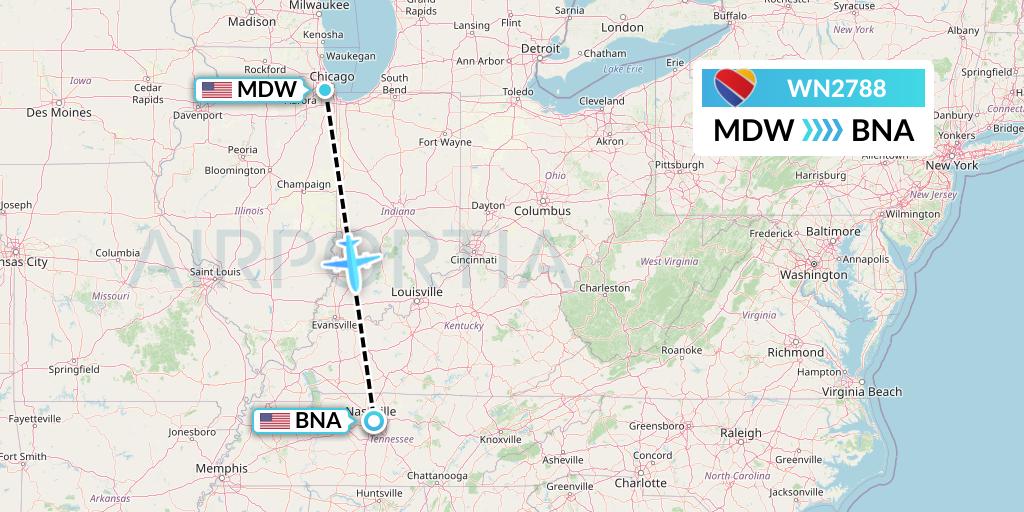
Beyond the duration, understanding how flight schedules are determined and optimized can aid in planning your trip effectively. Airlines adjust their flight schedules based on a variety of factors, ensuring that the route from Chicago to Nashville remains efficient and caters to traveler demand.
- Seasonality and Demand: Peak travel seasons, such as summer holidays, spring breaks, or major Nashville events (like CMA Fest or NFL games), typically see an increase in flight frequency and potentially higher prices. Conversely, off-peak seasons might offer fewer direct flights but often at more competitive rates.
- Airline Hub Strategy: Both Chicago (ORD) and Nashville (BNA) are significant airports, with ORD being a major hub for United Airlines and American Airlines, and BNA being a focus city for Southwest Airlines. This ensures a robust schedule of direct flights between the two, as airlines leverage these connections.
- Best Times to Book: Generally, booking flights several weeks to a few months in advance (typically 2-3 months for domestic travel) yields the best prices and a wider selection of flight times. Flexibility with your travel dates and times can also significantly impact costs and availability. Mid-week flights (Tuesday, Wednesday) are often less expensive than weekend travel.
- Business vs. Leisure Travel: Flight times are often staggered throughout the day to accommodate different types of travelers. Early morning and late afternoon/evening flights cater to business travelers seeking to maximize their workday, while midday flights are popular with leisure travelers.
In summary, the flight from Chicago to Nashville is a remarkably short and convenient journey, making it an ideal route for a multitude of travel purposes. By understanding the direct flight duration, accounting for airport logistics, and wisely planning your trip, you can ensure a smooth and enjoyable transition to the heart of country music.
LifeOutOfTheBox is a participant in the Amazon Services LLC Associates Program, an affiliate advertising program designed to provide a means for sites to earn advertising fees by advertising and linking to Amazon.com. Amazon, the Amazon logo, AmazonSupply, and the AmazonSupply logo are trademarks of Amazon.com, Inc. or its affiliates. As an Amazon Associate we earn affiliate commissions from qualifying purchases.